
1. Introduction to Turmeric and Its Supplement Forms
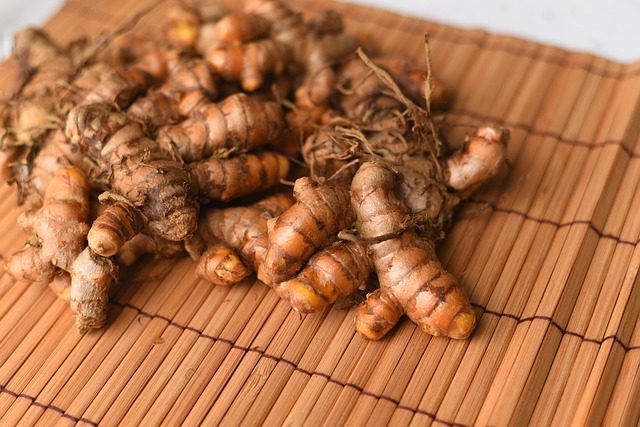
Turmeric, derived from the rhizome of the Curcuma longa plant, is a cornerstone of traditional medicine systems, particularly Ayurveda. Its vibrant yellow pigment and primary bioactive compound, curcumin, have been the subject of extensive modern scientific inquiry. While culinary use of turmeric powder is common, the focus of this chapter is on its concentrated supplement forms, which present distinct pharmacokinetic and clinical considerations.
The transition from spice to supplement is driven by a key pharmacological challenge: curcumin has notoriously low systemic bioavailability when consumed orally in its natural state. It is poorly absorbed from the gut, rapidly metabolized, and quickly eliminated. To address this, various supplement formulations have been developed, each with specific intended purposes:
- Standardized Curcumin Extracts: These provide a guaranteed percentage of curcuminoids (typically 95%). They are the baseline for most clinical research but still face absorption limitations without additional enhancers.
- Formulations with Bioavailability Enhancers: A common and evidence-supported approach involves combining curcumin with agents like piperine (from black pepper) or formulating it with lipids (phospholipids, oils) to significantly increase absorption and plasma concentration.
- Turmeric Root Powder in Capsules: This form is closer to the whole food but contains a much lower concentration of curcuminoids (typically 2-5% by weight). Its effects may be modulated by other compounds in the turmeric matrix.
Clinical Perspective: The choice of supplement form is not trivial. A formulation with a bioavailability enhancer is often necessary to achieve the serum levels seen in positive preclinical studies. However, increased bioavailability also necessitates greater caution regarding potential side effects and drug interactions. Clinicians evaluate the need for enhanced absorption against the individual's health goals and risk profile.
The evidence supporting turmeric and curcumin is nuanced. Robust preclinical data demonstrates potent anti-inflammatory and antioxidant properties. In human trials, the strongest evidence exists for symptom management in conditions like osteoarthritis and for certain inflammatory markers. Evidence for other popular uses, such as in major depressive disorder or metabolic syndrome, is more preliminary, showing promise but requiring larger, longer-term confirmatory studies.
Individuals who should exercise particular caution or consult a healthcare provider before initiating supplementation include those on anticoagulant or antiplatelet medications (due to potential interaction), individuals with gallbladder disease or bile duct obstruction, those preparing for surgery, and pregnant or breastfeeding women. As with any supplement, the principle of "start low, go slow" and professional guidance is paramount.
2. Evidence-Based Mechanisms of Action

The primary bioactive compound in turmeric, curcumin, is responsible for most of its studied physiological effects. Its mechanisms of action are complex and multi-faceted, primarily centered on modulating inflammation and oxidative stress at a molecular level.
Core Anti-Inflammatory Pathways
Curcumin's most well-documented mechanism is the inhibition of nuclear factor-kappa B (NF-κB), a key protein complex that regulates the expression of pro-inflammatory genes. By downregulating NF-κB, curcumin reduces the production of cytokines like tumor necrosis factor-alpha (TNF-α) and interleukins (e.g., IL-1, IL-6). This action is comparable in effect, though not in potency or side-effect profile, to some pharmaceutical anti-inflammatory agents.
Antioxidant Activity
Curcumin acts as a direct scavenger of reactive oxygen species (ROS) and can upregulate the body's own antioxidant defenses. It enhances the activity of crucial endogenous enzymes like superoxide dismutase (SOD), catalase, and glutathione peroxidase. This dual antioxidant approach helps mitigate oxidative damage to cells and tissues.
Other Investigated Mechanisms
Research has explored additional pathways, though the evidence is often from preclinical (cell and animal) studies or early-phase human trials. These include:
- Modulation of Enzymatic Activity: Inhibiting cyclooxygenase-2 (COX-2) and lipoxygenase enzymes involved in the inflammatory cascade.
- Impact on Cell Signaling: Influencing pathways such as JAK/STAT and MAPK, which are involved in cell growth and inflammation.
- Neuroprotective Effects: Potential to increase brain-derived neurotrophic factor (BDNF) levels and reduce amyloid plaque accumulation in Alzheimer's disease models.
Clinical Perspective: While the biochemical mechanisms are compelling, a significant translational gap exists. Curcumin has notoriously low oral bioavailability due to poor absorption, rapid metabolism, and systemic elimination. Most clinical trials demonstrating benefit use enhanced formulations (e.g., with piperine from black pepper or in lipid-based nanoparticles) or very high doses. The effects observed in controlled studies may not be fully replicated with standard, low-bioavailability capsules.
It is crucial to distinguish between strong mechanistic evidence from laboratory research and proven clinical efficacy for specific conditions in humans. For chronic, low-grade inflammation, the evidence is more robust. For other claims, such as cancer treatment or major depression, data remains preliminary or mixed.
Who should exercise caution: Individuals with gallbladder disease, bile duct obstruction, or those on anticoagulant/antiplatelet drugs (e.g., warfarin, clopidogrel) should consult a physician, as curcumin may theoretically increase bleeding risk. Those scheduled for surgery should discontinue use well in advance. Pregnant or breastfeeding women and individuals with iron deficiency should also seek medical advice due to potential interactions and absorption issues.
3. Potential Risks and Contraindications
While turmeric and its active compound, curcumin, are generally well-tolerated, a responsible approach requires acknowledging potential adverse effects and contraindications. Overlooking these can lead to unintended health consequences, particularly with long-term, high-dose supplementation.
Common Adverse Effects and Drug Interactions
The most frequently reported side effects are gastrointestinal, including nausea, diarrhea, and acid reflux, especially at doses exceeding 1,000 mg of curcumin daily. More critically, curcumin has documented biological activities that can interfere with medications:
- Anticoagulant/Antiplatelet Drugs (e.g., Warfarin, Aspirin, Clopidogrel): Curcumin may possess antiplatelet properties, potentially increasing the risk of bleeding and bruising. Concurrent use requires close medical supervision.
- Diabetes Medications: Curcumin may enhance the blood sugar-lowering effect of drugs like metformin or insulin, raising the risk of hypoglycemia.
- Drugs Metabolized by Liver Enzymes: Curcumin can inhibit certain cytochrome P450 enzymes, potentially altering the blood levels and efficacy of many prescription drugs, including some chemotherapies and statins.
Clinical Insight: The interaction risk is not theoretical. Patients on chronic medication must inform their physician or pharmacist about any supplement use, including turmeric. The "natural" label does not equate to being inert or risk-free in a polypharmacy context.
Specific Populations at Risk
Certain individuals should exercise extreme caution or avoid turmeric supplements altogether:
- Individuals with Gallbladder Disease or Bile Duct Obstruction: Turmeric stimulates bile production, which can precipitate pain or complications like gallstone colic.
- Those with Iron Deficiency or Risk of Deficiency: Some evidence suggests curcumin may chelate iron and inhibit its absorption, potentially worsening anemia.
- People with Kidney Stones (particularly oxalate stones): Turmeric is high in soluble oxalates, which can increase urinary oxalate excretion and stone formation risk.
- Pre- and Post-Operative Patients: Due to its potential antiplatelet effect, supplementation should be discontinued at least two weeks before any scheduled surgery to minimize bleeding risk.
- Pregnant and Breastfeeding Women: While culinary amounts are safe, the safety of concentrated supplements during pregnancy and lactation is not established and is generally not recommended.
The evidence for these risks is based on pharmacological data, case reports, and known nutrient interactions. While not everyone will experience adverse effects, informed caution is paramount. Consulting a healthcare provider is essential for anyone with pre-existing conditions or who is taking medications before initiating daily turmeric capsule use.
4. Practical Recommendations for Daily Use

To integrate turmeric capsules into a daily regimen effectively, a structured, evidence-informed approach is essential. The primary goal is to enhance the bioavailability of curcumin, the principal active compound, which is otherwise poorly absorbed by the body.
Dosage and Formulation
Clinical trials for specific conditions like osteoarthritis or metabolic health typically use doses of 500–1,500 mg of standardized curcumin extract daily. It is critical to choose a formulation designed for absorption. Look for capsules that include:
- Piperine (BioPerine®): A black pepper extract that can increase curcumin absorption by up to 2,000%. This is one of the most strongly supported methods.
- Phospholipid complexes (e.g., Meriva®): These have shown significantly improved bioavailability in human studies.
- Micellar or nanoparticle formulations: Emerging evidence suggests these technologies also enhance absorption, though long-term data are more limited.
Starting at the lower end of the dosage range (e.g., 500 mg daily) and monitoring for tolerance is a prudent strategy.
Timing and Synergy
For general wellness, taking your capsule with a meal containing healthy fats (like avocado, olive oil, or nuts) can further aid absorption, as curcumin is fat-soluble. If the goal is to manage post-exercise inflammation or morning stiffness, timing the dose after activity or with breakfast may be beneficial, though evidence for optimal timing is more anecdotal than robust.
Clinical Insight: In practice, consistency is more important than precise timing. The anti-inflammatory and antioxidant effects of curcumin are cumulative, related to maintaining steady blood levels over weeks and months, not acute dosing. Patients often ask about "cycling." While not strictly necessary, a protocol of 8-12 weeks on, followed by a 2-4 week break, is a conservative approach some clinicians suggest to prevent theoretical receptor downregulation, though direct human evidence for this is lacking.
Essential Cautions and Contraindications
Turmeric capsules are not appropriate for everyone. The following individuals should exercise caution and consult a healthcare provider before use:
- Those on anticoagulant/antiplatelet drugs (e.g., warfarin, clopidogrel, aspirin): Curcumin may have mild blood-thinning properties, posing a risk of increased bleeding.
- Individuals with gallbladder disease or bile duct obstruction: Turmeric can stimulate bile production, which may cause complications.
- People with iron deficiency: Curcumin can chelate iron and may inhibit absorption, potentially worsening deficiency.
- Those scheduled for surgery: Discontinuation is typically advised at least two weeks prior to any procedure due to bleeding risk.
- Individuals with gastroesophageal reflux disease (GERD) or a sensitive stomach: High doses may cause gastrointestinal discomfort in some people.
As with any supplement, it is paramount to inform your physician of your use to screen for potential drug-supplement interactions and ensure it aligns with your overall health profile.
5. Safety Protocols and When to Seek Medical Advice

While turmeric and its active compound, curcumin, are generally well-tolerated, a responsible approach requires understanding potential risks and establishing clear safety protocols. The "generally recognized as safe" (GRAS) status applies to culinary use, but concentrated supplementation presents different considerations.
Key Safety Protocols for Daily Use
Adhering to these guidelines can help mitigate risks:
- Respect the Dosage: Follow the manufacturer's recommended dose, typically 500–2,000 mg of curcumin daily. More is not necessarily better and may increase side effects.
- Prioritize Formulation: Choose a product with piperine (black pepper extract) or lipids for enhanced absorption. This allows for a lower, effective dose, potentially reducing gastrointestinal burden.
- Take with Food: Consuming turmeric capsules with a meal, especially one containing healthy fats, can improve absorption and minimize the risk of stomach upset or acid reflux.
- Monitor for Side Effects: Common, mild side effects include gastrointestinal discomfort, nausea, or diarrhea. Discontinue use if these occur.
Clinical Insight: In practice, the primary safety concern with turmeric supplements is not acute toxicity but their potential to interact with medications. Curcumin can act as a mild anticoagulant and may affect the metabolism of drugs processed by the liver's cytochrome P450 system. Patients on blood thinners (e.g., warfarin, clopidogrel), chemotherapy, or medications for diabetes or hypertension should be particularly vigilant.
When to Seek Medical Advice
Consult a physician or pharmacist before starting turmeric supplementation if you fall into any of the following categories:
- Individuals on Medication: Especially anticoagulants, antiplatelet drugs, diabetes medications, or chemotherapy agents.
- Those with Pre-existing Conditions: Including gallbladder disease, bile duct obstruction, gastroesophageal reflux disease (GERD), or kidney stones (due to oxalate content).
- Pre- and Post-Surgical Patients: Due to its potential blood-thinning effect, discontinue use at least two weeks before any scheduled surgery.
- Pregnant or Breastfeeding Women: While culinary turmeric is safe, there is insufficient clinical data to confirm the safety of high-dose supplements during these periods.
The evidence for turmeric's benefits is promising but often preliminary. A cautious, informed approach—prioritizing professional medical advice for at-risk individuals—is the cornerstone of safe and responsible supplementation.
6. Questions & Expert Insights
Is there strong evidence that taking a daily turmeric capsule is beneficial for most people?
The evidence is promising but nuanced and not definitive for general wellness. High-quality clinical trials primarily investigate specific, high-dose curcumin (the main active compound) extracts for managing conditions like osteoarthritis and certain inflammatory disorders, often showing modest benefits. For the general population without a specific diagnosis, the evidence for a preventive "daily wellness" benefit is much weaker, relying more on observational data and mechanistic studies. The critical factor often overlooked is bioavailability; standard turmeric powder in capsules is poorly absorbed. Most positive clinical data use formulations enhanced with piperine (from black pepper) or lipids. Therefore, a generic turmeric capsule may not provide the blood levels of curcuminoids used in successful trials.
What are the key risks and who should avoid daily turmeric capsules?
While generally well-tolerated, turmeric capsules are not risk-free. The most common side effects are gastrointestinal (e.g., nausea, acid reflux, diarrhea). Significant risks include: Drug Interactions: Turmeric/curcumin can act as a blood thinner and may potentiate medications like warfarin, clopidogrel, and aspirin, increasing bleeding risk. It may also interfere with drugs metabolized by the liver (CYP450 enzymes). Specific Health Conditions: Individuals with gallstones, bile duct obstruction, or active bleeding disorders should avoid it. Due to its potential estrogenic effects, those with hormone-sensitive cancers (e.g., breast, ovarian) should use caution. High Doses: Excessive intake, particularly of concentrated extracts, has been linked to rare cases of liver injury. Quality control is also a concern, with risks of contamination with heavy metals or inappropriate adulteration.
When should I talk to my doctor before starting turmeric capsules, and what should I discuss?
Consult your physician or a pharmacist if you have any chronic health condition or take regular medications. This is non-negotiable if you are on anticoagulants, antiplatelet drugs, diabetes medications, or chemotherapy. Before your appointment, prepare a clear list: 1) Your full medication and supplement regimen, including doses. 2) Your specific reason for considering turmeric (e.g., "for joint pain" vs. "general inflammation"). 3) The exact product you're considering, including its curcuminoid concentration, recommended dose, and added bioavailability enhancers (like piperine). Bring the bottle or a screenshot. This allows your doctor to assess interaction risks, determine if it's appropriate for your health goals, and advise on a sensible dose and monitoring plan, such as checking liver enzymes or bleeding parameters if needed.
How do I choose a high-quality turmeric supplement, and what should the label tell me?
Look for transparency and specificity that aligns with clinical research. A reputable label should clearly state: 1) Standardized Curcuminoid Content: It should specify the milligrams of curcuminoids per serving, not just "turmeric root extract." 2) Bioavailability Enhancement: It should disclose the method used, such as "with piperine," "in a lipid formulation (phytosome)," or "micronized." 3) Third-Party Certification: Seals from groups like USP, NSF, or ConsumerLab indicate testing for purity, potency, and the absence of contaminants. 4) Avoid Proprietary Blends: These hide the individual doses of ingredients. Be skeptical of extravagant health claims on the package, as these are not evaluated by the FDA. Remember, a higher price does not guarantee efficacy, but an extremely cheap product is more likely to cut corners on quality and active ingredient concentration.
7. In-site article recommendations
8. External article recommendations
9. External resources
The links below point to reputable medical and evidence-based resources that can be used for further reading. Always interpret them in the context of your own situation and your clinician’s advice.
-
examine examine.comturmeric capsules – Examine.com (search)
-
drugs drugs.comturmeric capsules – Drugs.com (search)
-
mayoclinic mayoclinic.orgturmeric capsules – Mayo Clinic (search)
These external resources are maintained by third-party organisations. Their content does not represent the editorial position of this site and is provided solely to support readers in accessing additional professional information.