
1. Introduction to Turmeric Capsules: Context and Clinical Relevance

Turmeric, the vibrant yellow-orange spice derived from the rhizome of Curcuma longa, has been a cornerstone of traditional medicine systems, particularly Ayurveda, for millennia. Its primary use was for conditions related to digestion, inflammation, and wound healing. In the modern era, scientific inquiry has focused on its most studied bioactive compound: curcumin. This chapter provides the essential context and clinical relevance for understanding turmeric capsules, which have become one of the most popular dietary supplements globally.
The transition from culinary spice to standardized supplement is driven by a key pharmacokinetic challenge: curcumin has notoriously poor bioavailability when consumed in food. It is poorly absorbed from the gut, rapidly metabolized, and quickly eliminated. Turmeric capsules are formulated to address this limitation, typically employing one or more strategies:
- Standardized Extracts: Guaranteeing a specific percentage of curcuminoids (curcumin, demethoxycurcumin, and bisdemethoxycurcumin).
- Bioavailability Enhancers: Incorporating piperine (from black pepper), phospholipids, or nanoparticles to significantly increase absorption.
- Combination Formulas: Pairing curcumin with other anti-inflammatory agents like boswellia or ginger.
Clinically, the interest in turmeric capsules centers on curcumin's potential modulatory effects on several molecular pathways involved in inflammation and oxidative stress. Preliminary and some robust clinical trials have investigated its role in managing symptoms of osteoarthritis, rheumatoid arthritis, and metabolic syndrome. However, the evidence landscape is heterogeneous:
- Stronger Evidence: Multiple meta-analyses support a modest, clinically meaningful benefit for pain and function in knee osteoarthritis, with an effect size often comparable to over-the-counter NSAIDs for some individuals.
- Limited or Mixed Evidence: For conditions like ulcerative colitis, depression, or cancer prevention, data are preliminary, derived from smaller trials, or show inconsistent results. These areas require significantly more research.
Clinical Perspective: From a healthcare provider's viewpoint, turmeric capsules are not a panacea but a potential adjunctive therapy. Their relevance lies in offering a natural anti-inflammatory option with a generally favorable safety profile for appropriate individuals. The critical clinical questions are about which specific formulation, at what dose, is appropriate for which patient, and for how long.
It is crucial for individuals to approach turmeric capsules with informed caution. Those on anticoagulant/antiplatelet drugs (e.g., warfarin, clopidogrel), individuals with gallbladder disease, or those scheduled for surgery should exercise particular care due to curcumin's potential blood-thinning and bile-stimulating effects. As with any supplement, consultation with a physician or pharmacist is advised before starting, especially for those with pre-existing conditions or who are taking multiple medications.
2. Evidence and Mechanisms: Insights from Recent Studies
The primary mechanism of action for turmeric (Curcuma longa) is attributed to its polyphenolic compounds, known as curcuminoids, with curcumin being the most studied. Its proposed therapeutic effects are largely linked to its modulation of inflammatory pathways and its antioxidant activity.
Key Mechanisms of Action
At a molecular level, curcumin is understood to interact with multiple signaling pathways:
- NF-κB Pathway Inhibition: Curcumin can downregulate the activity of nuclear factor-kappa B (NF-κB), a primary regulator of the expression of pro-inflammatory cytokines like TNF-α, IL-1, and IL-6.
- Antioxidant Effects: It can neutralize free radicals and may boost the activity of the body's own antioxidant enzymes, such as superoxide dismutase.
- Secondary Modulation: Research suggests it may also influence other targets, including COX-2 enzymes, JAK/STAT pathways, and growth factors, though these effects are often observed in preclinical models.
Clinical Insight: It is crucial to distinguish between mechanistic studies in cells or animals and clinical outcomes in humans. While the biochemical pathways are promising, they do not automatically translate to significant health benefits in people, largely due to curcumin's notoriously poor bioavailability when taken alone.
What Recent Clinical Studies Show
Recent systematic reviews and meta-analyses provide a nuanced picture of the evidence:
- Stronger Evidence Areas: The most consistent, moderate-quality evidence supports the use of bioavailable curcumin formulations (often paired with piperine or in phospholipid complexes) for reducing symptoms in osteoarthritis and metabolic syndrome (e.g., improving fasting blood glucose and lipid profiles). Effects are often comparable to some conventional treatments but with a favorable safety profile in the short term.
- Areas with Mixed or Preliminary Evidence: For conditions like major depressive disorder and ulcerative colitis, some randomized controlled trials (RCTs) show positive results as an adjunct therapy. However, these studies are often smaller, of shorter duration, and require replication. Evidence for its role in cancer prevention or treatment in humans remains speculative and is not supported for clinical use.
- Major Limitation – Bioavailability: Nearly all positive clinical trials use enhanced absorption formulations. Studies on standard, unformulated turmeric powder or capsules typically show negligible effects due to minimal systemic absorption.
Who Should Exercise Caution: Individuals with gallbladder disease, bile duct obstruction, or those on anticoagulant/antiplatelet drugs (e.g., warfarin, clopidogrel) should consult a physician, as curcumin may theoretically increase bleeding risk. Those scheduled for surgery should discontinue use well in advance. Its safety in pregnancy has not been established.
3. Risks and Contraindications: Populations to Exercise Caution

While turmeric and its active compound, curcumin, are generally well-tolerated at dietary levels, concentrated supplements present a different risk profile. A responsible evaluation requires understanding which populations should exercise caution or avoid use entirely due to potential interactions and adverse effects.
Key Populations for Caution
The following groups should consult a healthcare professional before initiating turmeric capsule supplementation:
- Individuals on Anticoagulant/Antiplatelet Therapy: Curcumin exhibits antiplatelet activity in laboratory studies. While clinical evidence of significant bleeding in humans is limited, the theoretical risk of potentiating drugs like warfarin, clopidogrel, or aspirin warrants extreme caution and medical supervision.
- Those with Gallbladder Disease or Bile Duct Obstruction: Turmeric is a known choleretic, meaning it stimulates bile production. This can precipitate pain or complications in individuals with gallstones or biliary obstruction.
- People with Gastroesophageal Reflux Disease (GERD) or Peptic Ulcers: High doses or prolonged use may cause or exacerbate gastrointestinal distress, including dyspepsia, nausea, and diarrhea, in susceptible individuals.
- Patients Prior to Scheduled Surgery: Due to its potential antiplatelet effects, discontinuation of turmeric supplements is typically advised at least two weeks before elective surgical procedures to minimize bleeding risk.
Considerations with Limited but Concerning Evidence
Some areas of concern are based on preliminary data or theoretical pharmacology:
- Iron Deficiency: Curcumin can chelate iron and may inhibit iron absorption in the gut. Individuals with iron deficiency or borderline anemia should be monitored.
- Hormone-Sensitive Conditions: Test-tube studies suggest curcumin may have weak estrogenic activity. While human data is lacking, individuals with cancers or conditions influenced by hormones (e.g., breast, uterine, ovarian cancer, endometriosis) should discuss use with their oncologist or endocrinologist.
- Kidney Stones: Turmeric is high in oxalates, which can contribute to kidney stone formation in predisposed individuals.
Clinical Perspective: The most common oversight in practice is the drug-supplement interaction. Patients often do not report over-the-counter supplements like turmeric to their physicians. It is crucial to maintain a complete medication list that includes all supplements. For individuals on multiple medications, particularly for chronic conditions like diabetes, cardiovascular disease, or cancer, a pharmacist-led medication review is a highly recommended safety step before adding any new supplement.
In summary, turmeric capsules are not benign for all populations. The decision to use them should be informed by an individual's specific health status, concurrent medications, and under the guidance of a qualified healthcare provider who can perform a personalized risk-benefit analysis.
4. Practical Takeaways: Balanced Use and Integration
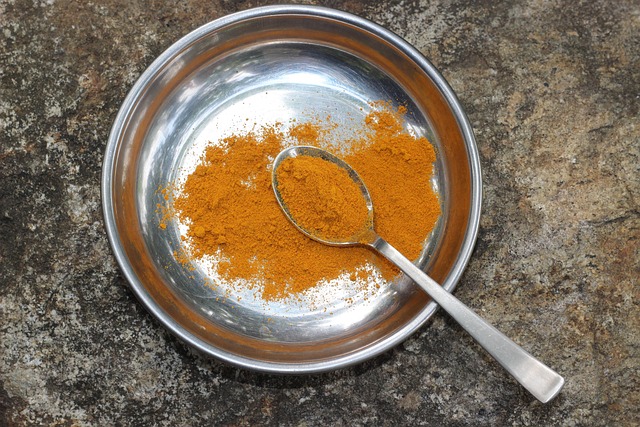
Integrating turmeric capsules into a health regimen requires a balanced, evidence-informed approach. The most robust data supports their use for managing symptoms of osteoarthritis and reducing systemic inflammation, with effects typically modest and comparable to some over-the-counter anti-inflammatory medications. For other proposed benefits, such as cognitive support or metabolic health, the evidence is more preliminary, often derived from smaller, shorter-term studies.
For general wellness, a practical starting dose is 500–1,000 mg of a standardized curcumin extract, taken once or twice daily with a meal containing fat to enhance absorption. Consistency is key, as anti-inflammatory effects are cumulative and may take several weeks to become noticeable.
Key considerations for balanced use include:
- Quality Selection: Choose products from reputable brands that provide third-party testing certificates (e.g., USP, NSF) to ensure purity, accurate labeling, and the absence of heavy metals.
- Synergy with Diet: Capsules should complement, not substitute for, an anti-inflammatory diet rich in whole foods, fruits, and vegetables.
- Managing Expectations: Understand that effects are generally supportive and symptomatic; they are not a cure for chronic diseases.
Who Should Exercise Caution: Certain individuals must consult a healthcare provider before use:
- Those on anticoagulant/antiplatelet drugs (e.g., warfarin, clopidogrel, aspirin), as curcumin may potentiate bleeding risk.
- Individuals with gallbladder disease, bile duct obstruction, or a history of kidney stones.
- People scheduled for surgery, due to the potential bleeding risk.
- Those with iron deficiency, as curcumin can chelate dietary iron.
- Pregnant or breastfeeding women, due to a lack of sufficient safety data.
Finally, discontinue use and seek medical advice if you experience any adverse effects, such as gastrointestinal upset, rash, or unusual bruising. A dialogue with a physician or a registered dietitian can help integrate this supplement safely and effectively within the context of your overall health profile and treatment plan.
5. Safety Considerations: When to Seek Medical Advice

While turmeric and its active compound, curcumin, are generally well-tolerated in culinary amounts, concentrated capsules present a different safety profile. The most common side effects are mild gastrointestinal disturbances, such as nausea, diarrhea, or acid reflux. However, the primary clinical concerns revolve around drug interactions, specific health conditions, and the quality of the supplement itself.
Key Populations Requiring Medical Consultation
Consulting a physician before starting turmeric capsules is strongly advised for individuals in the following categories:
- Individuals on Anticoagulant/Antiplatelet Therapy: Curcumin has demonstrated antiplatelet effects in laboratory and some animal studies. While evidence from large human trials is limited, the theoretical risk of increased bleeding when combined with drugs like warfarin, clopidogrel, or aspirin necessitates professional guidance.
- Those with Gallbladder Disease or Bile Duct Obstruction: Turmeric may stimulate gallbladder contraction and bile production. This could precipitate pain or complications in individuals with gallstones or related conditions.
- People with Iron Deficiency or Risk of Deficiency: Some preclinical data suggests curcumin may chelate iron and could potentially interfere with iron absorption, warranting caution in those with anemia or at risk.
- Individuals Scheduled for Surgery: Due to its potential blood-thinning properties, it is standard practice to discontinue turmeric supplements at least two weeks prior to any surgical procedure to minimize bleeding risk.
Clinical Insight: In practice, the interaction risk often lies not with curcumin alone, but with the formulations used to enhance its bioavailability, such as piperine (black pepper extract). Piperine significantly inhibits drug-metabolizing enzymes, which can dangerously elevate blood levels of certain prescription medications, including some antidepressants, anticonvulsants, and chemotherapy drugs. Always review the full ingredient list with your pharmacist or doctor.
Quality and Dosage Uncertainties
The supplement industry is not uniformly regulated for potency and purity. Studies have found significant variability in curcuminoid content between brands, and some products have been contaminated with heavy metals like lead. Furthermore, while clinical trials use specific, standardized doses, the long-term safety of high-dose supplementation (typically above 8-12 grams daily) beyond a few months is not well-established.
The responsible approach is to treat turmeric capsules as a bioactive supplement with real pharmacological effects. A discussion with a healthcare provider can help weigh potential benefits against individual risks, ensuring any supplementation is integrated safely into your overall health plan.
6. Questions & Expert Insights
Is there strong evidence that turmeric capsules are better than using turmeric in food?
The evidence suggests a difference in bioavailability and therapeutic intent. Curcumin, the primary active compound in turmeric, is poorly absorbed from food. Most capsules contain formulations designed to enhance absorption, such as those with black pepper extract (piperine) or lipids. For general culinary use and mild antioxidant support, dietary turmeric is sufficient. However, clinical trials investigating specific anti-inflammatory or analgesic effects typically use standardized, high-bioavailability curcumin extracts at doses (often 500-1000 mg of curcumin daily) that are impractical to consume through diet alone. Therefore, "better" depends on the goal: capsules are a more reliable delivery system for achieving the serum concentrations used in research for targeted support, while food offers a safe, low-dose addition to a healthy diet.
What are the main risks or side effects, and who should avoid turmeric capsules?
Turmeric capsules are generally well-tolerated but are not risk-free. Common side effects can include mild gastrointestinal upset. The most significant risks involve drug interactions and pre-existing conditions. Curcumin may have antiplatelet effects, potentially increasing bleeding risk when taken with anticoagulants like warfarin or aspirin. It may also affect the metabolism of certain medications via liver enzymes. Individuals who should avoid or use extreme caution include: those with gallbladder disease or bile duct obstruction (as curcumin stimulates bile secretion), those with kidney stones (due to oxalate content), individuals scheduled for surgery, and those with iron deficiency (as it may chelate iron). Pregnant or breastfeeding women should consult a doctor due to limited safety data.
When should I talk to my doctor about taking turmeric, and what should I bring to the appointment?
You should consult your doctor or pharmacist before starting turmeric capsules if you have any chronic health condition or take regular medication. This is non-negotiable for individuals on blood thinners, diabetes medications, or acid-reducers. For the appointment, bring the specific product label or a photo of it, noting the dose of curcumin, the formulation (e.g., with piperine), and other ingredients. Prepare a complete list of all your medications and supplements, including dosages. Be ready to discuss your specific health goals for taking it (e.g., "for knee osteoarthritis pain"). This information allows your provider to assess potential interactions and advise on a safe dosing strategy, if appropriate, within your overall care plan.
Do recent studies show turmeric capsules can replace prescription anti-inflammatory drugs?
No, current evidence does not support replacing prescription medications with turmeric capsules. While numerous randomized controlled trials show curcumin extracts can provide a modest reduction in symptoms for conditions like osteoarthritis and may allow for a reduced dose of NSAIDs in some cases, they are not a substitute for disease-modifying drugs in autoimmune conditions like rheumatoid arthritis. The studies have limitations, including variability in formulations, often short duration, and a focus on symptom management rather than altering disease progression. Abruptly stopping prescribed medication to switch to a supplement can be dangerous. Turmeric may be considered a complementary approach for some individuals, but any changes to a medication regimen must be managed by a physician.
7. In-site article recommendations
8. External article recommendations
9. External resources
The links below point to reputable medical and evidence-based resources that can be used for further reading. Always interpret them in the context of your own situation and your clinician’s advice.
-
mayoclinic mayoclinic.orgturmeric capsules – Mayo Clinic (search)
-
wikipedia wikipedia.orgturmeric capsules – Wikipedia (search)
-
drugs drugs.comturmeric capsules – Drugs.com (search)
These external resources are maintained by third-party organisations. Their content does not represent the editorial position of this site and is provided solely to support readers in accessing additional professional information.