
1. Introduction to Berries and Nutritional Context

Berries, encompassing a diverse group of fruits like blueberries, strawberries, raspberries, and blackberries, are often highlighted in nutritional epidemiology for their potential health benefits. Their prominence in dietary research stems from a unique phytochemical profile that distinguishes them from other fruit categories. This chapter provides the foundational nutritional context necessary to understand the evidence discussed in subsequent sections.
The health interest in berries is primarily linked to their high concentrations of bioactive compounds, which include:
- Dietary Fiber: Berries are a good source of both soluble and insoluble fiber, which supports digestive health and contributes to satiety.
- Vitamin C: An essential antioxidant and cofactor for enzymatic reactions, with strawberries and blackberries being particularly rich sources.
- Polyphenols: This is the most studied category, featuring anthocyanins (giving berries their red, blue, and purple hues), flavonols, and ellagitannins. These compounds exhibit antioxidant and anti-inflammatory properties in vitro and in animal models.
- Manganese and Vitamin K: Important micronutrients for bone metabolism and blood clotting, respectively.
It is crucial to distinguish between the strong evidence for berries as a nutrient-dense component of a healthy dietary pattern and the more preliminary evidence for specific disease prevention. Robust observational data consistently associates higher fruit and berry intake with lower risks of cardiovascular disease and certain cancers. However, the specific, isolated contribution of berry phytochemicals in human health is an active area of research, with intervention trials often showing mixed results depending on the population, dose, and outcome measured.
Clinical Perspective: From a dietary guidance standpoint, berries are an excellent low-glycemic index food rich in fiber and micronutrients. While their polyphenol content is promising, clinicians view them as one part of a holistic diet rather than a standalone therapeutic agent. The evidence is strongest for their role in supporting overall cardiometabolic health when consumed regularly as part of a pattern like the Mediterranean or DASH diets.
Most individuals can safely incorporate berries into their diet. However, those on blood-thinning medications like warfarin should maintain consistent vitamin K intake and consult their physician, as significant changes in berry consumption could theoretically affect INR levels. Individuals with specific fruit allergies or fructose malabsorption should also introduce them cautiously.
2. Evidence and Mechanisms of Action
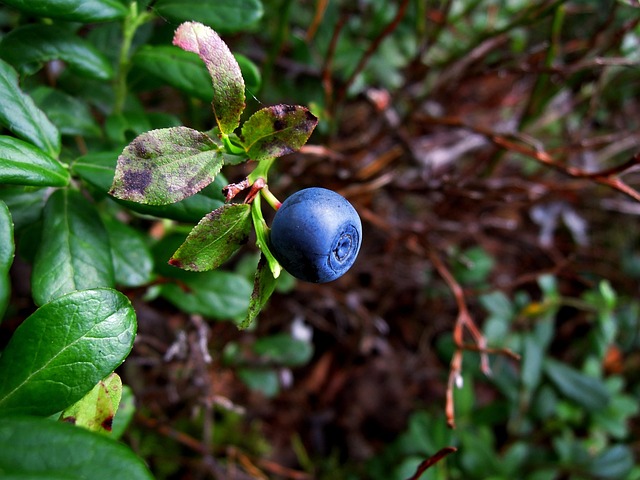
The health benefits attributed to berries are not based on anecdote but on a growing body of scientific research. The evidence is strongest for their role in reducing oxidative stress and inflammation, two fundamental pathways linked to chronic disease development.
Berries are exceptionally rich in bioactive compounds, primarily anthocyanins (which give them their vibrant colors), flavonols, and phenolic acids. The proposed mechanisms of action for these compounds include:
- Antioxidant Activity: These compounds directly scavenge free radicals and upregulate the body's own antioxidant defense enzymes.
- Anti-inflammatory Effects: They modulate key inflammatory pathways, such as NF-κB and MAPK, reducing the production of pro-inflammatory cytokines.
- Improved Endothelial Function: They promote the production of nitric oxide, a molecule that helps blood vessels relax, improving blood flow and blood pressure regulation.
- Metabolic Modulation: Some evidence suggests they can improve insulin sensitivity and slow the digestion of sugars, aiding glycemic control.
Large observational studies, such as the Nurses' Health Study, consistently associate higher berry intake with a lower risk of cardiovascular events and cognitive decline. Randomized controlled trials provide more direct, though often shorter-term, evidence. For example, trials show that berry consumption can improve markers like LDL cholesterol oxidation, blood pressure, and vascular function within weeks.
Clinical Perspective: While the biochemical mechanisms are well-supported in laboratory and short-term human studies, it's important to contextualize the evidence. Many long-term benefits are inferred from population studies, which show correlation, not direct causation. The effects are generally modest and synergistic—berries are best viewed as one component of an overall healthy dietary pattern, not a standalone "treatment."
The evidence is more preliminary or mixed for other specific claims, such as cancer prevention or direct weight loss. While promising cell and animal studies exist, human data is not yet conclusive.
Most people can safely incorporate berries into their diet. However, individuals on blood-thinning medications like warfarin should maintain consistent vitamin K intake (high in foods like blueberries and blackberries) and discuss significant dietary changes with their doctor. Those with fructose malabsorption or specific salicylate sensitivities may also need to moderate intake.
3. Risks and Populations to Exercise Caution

While the evidence for the health benefits of berries is robust, a balanced and clinically responsible perspective requires acknowledging potential risks and identifying populations who should exercise caution. For the vast majority, consuming berries as part of a balanced diet is safe and beneficial. However, certain individuals and contexts warrant a more measured approach.
Allergic Reactions and Gastrointestinal Sensitivities
Although uncommon, berry allergies can occur. Reactions may range from oral allergy syndrome (itching or swelling of the mouth and throat) to, in rare cases, systemic anaphylaxis. Individuals with known allergies to other fruits, pollen (particularly birch pollen), or latex may be at higher risk due to cross-reactivity.
Furthermore, the high fiber and natural sugar content (fructose) in berries can cause gastrointestinal discomfort in some people, including bloating, gas, or diarrhea, especially when intake is increased rapidly.
Medication Interactions and Specific Health Conditions
Berries contain bioactive compounds that can, in theory, interact with certain medications. The most well-documented interaction involves blood-thinning medications like warfarin. Berries are rich in vitamin K, which is essential for blood clotting. Consuming large, inconsistent amounts can interfere with warfarin's efficacy, potentially increasing the risk of clotting or bleeding. Patients on such medications are advised to maintain a consistent intake of vitamin K-rich foods and consult their physician or a registered dietitian.
Other considerations include:
- Kidney Disease: Individuals with advanced chronic kidney disease (CKD), particularly those on potassium-restricted diets, may need to moderate intake of certain berries like strawberries and blackberries, which are moderate sources of potassium.
- History of Kidney Stones: Some berries, such as blackberries and raspberries, contain oxalates. For individuals with a history of calcium-oxalate kidney stones, excessive consumption may theoretically contribute to stone formation, though evidence is not conclusive for typical dietary amounts.
- Blood Sugar Management: While berries have a low glycemic index, their carbohydrate content must still be accounted for in meal planning by individuals with diabetes or insulin resistance. Portion control within a balanced meal is key.
Clinical Perspective: The principle of "first, do no harm" applies even to healthy foods. The risks outlined are generally associated with excessive intake or pre-existing, significant health conditions. For patients on anticoagulants, the conversation about consistent vitamin K intake is crucial. For others, the benefits of berry consumption typically far outweigh the risks. The key is individualized consideration, not blanket avoidance.
In summary, the following individuals should seek personalized medical or dietary advice before making significant changes to their berry consumption:
- Individuals on blood-thinning medications (e.g., warfarin).
- Those with advanced chronic kidney disease or a history of recurrent kidney stones.
- Individuals with known fruit or pollen allergies.
- Anyone experiencing persistent digestive discomfort after eating berries.
For the general population, enjoying a variety of berries in moderation remains a strongly evidence-based strategy for supporting long-term health.
4. Practical Dietary Recommendations

Integrating berries into your dietary pattern is a practical strategy supported by observational and clinical research. The goal is to incorporate them consistently, not perfectly, as part of a balanced diet rich in other fruits, vegetables, whole grains, and lean proteins.
Evidence-Based Intake Goals
While no universal "dose" exists, population studies linking berry consumption to positive health outcomes often cite regular intake. A reasonable, evidence-informed target is:
- 1 to 2 servings daily, most days of the week.
- One serving is typically considered ½ to 1 cup of fresh or frozen berries.
This aligns with general fruit intake recommendations and the patterns observed in large cohort studies, such as those from the Nurses' Health Study and Health Professionals Follow-up Study, which form much of the epidemiological basis for berry benefits.
Maximizing Bioavailability and Nutrient Retention
To get the most from the polyphenols and vitamins in berries:
- Prioritize Variety: Rotate between blueberries, strawberries, raspberries, and blackberries. Each offers a unique profile of anthocyanins and other phytochemicals.
- Choose Frozen: High-quality frozen berries are nutritionally comparable to fresh, as they are typically frozen at peak ripeness. They are a cost-effective and convenient option for smoothies, oatmeal, or baking.
- Pair with a Fat Source: Consuming berries with a source of healthy fat (e.g., nuts, seeds, full-fat yogurt) may improve the absorption of fat-soluble vitamins and certain antioxidants.
- Minimize High-Heat Processing: While cooking is fine, very high temperatures for prolonged periods can degrade some heat-sensitive nutrients and polyphenols. Gentle heating or adding berries at the end of cooking is preferable.
Clinical Consideration: The strong evidence for berries pertains to whole foods, not isolated supplements. While extracts are studied, their effects and safety profiles can differ significantly from the whole fruit, which provides fiber and a natural matrix of compounds. Relying on supplements misses the synergistic benefits of the whole food.
Important Cautions and Contraindications
For most people, berries are a safe and beneficial food. However, specific individuals should exercise caution:
- Those on Blood Thinners (e.g., Warfarin): Berries contain vitamin K, which is involved in clotting. Consistent, moderate intake is key; sudden large increases or decreases in consumption can affect medication efficacy. Consultation with a physician or dietitian is advised.
- Individuals with Kidney Disease: Some berries, like blackberries and raspberries, are moderate in oxalates. Those with a history of calcium-oxalate kidney stones or advanced kidney disease may need to moderate intake under medical guidance.
- People with Specific Fruit Allergies or FODMAP Sensitivities: While uncommon, berry allergies exist. Furthermore, berries like blackberries and raspberries are higher in certain FODMAPs (fermentable carbohydrates) and may trigger symptoms in individuals with irritable bowel syndrome (IBS).
The most sustainable approach is to find enjoyable ways to include berries in meals and snacks, viewing them as one component of a diverse, plant-forward diet for long-term health.
5. Safety Considerations and Professional Guidance
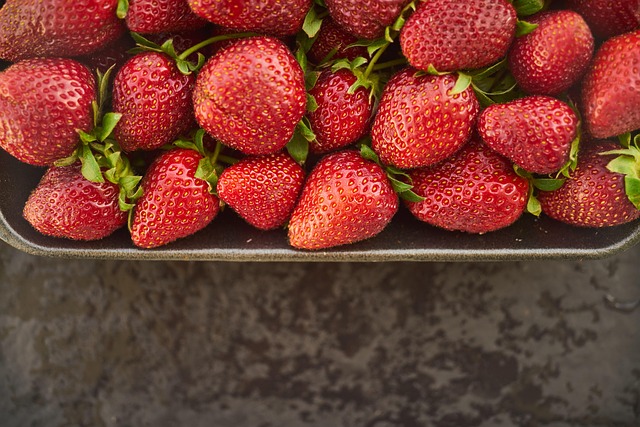
While the evidence for the health benefits of berries is robust, integrating them into your diet requires a balanced and clinically informed approach. The general safety profile of whole berries is excellent, but certain considerations and individual health contexts necessitate professional guidance.
Key Populations for Caution
Specific groups should consult a healthcare provider before making significant dietary changes or considering high-dose supplements.
- Individuals on Anticoagulant/Antiplatelet Therapy: Berries, particularly in concentrated extract or supplement form, contain vitamin K and bioactive compounds that may have mild blood-thinning properties. Patients on medications like warfarin (Coumadin) should maintain consistent intake to avoid interfering with therapeutic INR levels.
- Those with Kidney Disease or a History of Kidney Stones: Some berries, like blackberries and raspberries, are high in oxalates. Excessive consumption may contribute to oxalate-based kidney stone formation in susceptible individuals.
- People with Gastrointestinal Sensitivities: The high fiber and fructose content in berries can cause bloating, gas, or abdominal discomfort in individuals with irritable bowel syndrome (IBS) or fructose malabsorption. Introducing them gradually is advised.
- Individuals with Allergies: Although uncommon, allergies to specific berries do exist. Reactions can range from oral allergy syndrome to more systemic responses.
Clinical Insight: In practice, we distinguish between dietary berries and berry supplements/extracts. The former is rarely a concern and is encouraged as part of a varied diet. The latter, however, represents a concentrated dose of compounds whose long-term, high-dose safety is less established. We advise against self-prescribing berry supplements for disease treatment without professional oversight, as they can interact with medications or underlying conditions.
Navigating Evidence and Claims
The strong epidemiological and mechanistic data linking berry consumption to reduced chronic disease risk is compelling. However, it is crucial to contextualize this evidence.
- Correlation vs. Causation: Population studies show association, not proof that berries alone cause the observed benefits. These benefits are likely part of a synergistic effect from an overall nutrient-dense, plant-rich diet and healthy lifestyle.
- Supplement Limitations: Evidence for berry supplements is more preliminary. Isolated compounds may not replicate the full spectrum of benefits from the whole food, and supplement quality/potency is not uniformly regulated.
The most prudent and evidence-based takeaway is to view berries as a valuable component of a balanced dietary pattern, not a standalone "secret" or cure. For most people, enjoying a variety of berries is safe and beneficial. Those with the specific health conditions mentioned, or anyone considering therapeutic-dose supplements, should seek personalized advice from a physician or registered dietitian.
6. Questions & Expert Insights
Can eating berries really reduce my risk of chronic diseases like heart disease or cancer?
Evidence from large, long-term observational studies, including those from Harvard, suggests a strong association between regular berry consumption and a reduced risk of several chronic conditions. The primary mechanisms are attributed to their high concentration of bioactive compounds, particularly anthocyanins and other polyphenols, which have potent antioxidant and anti-inflammatory effects in laboratory and human studies. These compounds may improve endothelial function, reduce blood pressure, modulate blood sugar, and inhibit pathways involved in cancer cell proliferation. However, it is crucial to interpret this as a correlation within a pattern of healthy eating, not a direct causation from berries alone. Most evidence comes from population studies where berry eaters often have other healthy habits. While the data is compelling and biologically plausible, it does not constitute a guarantee of disease prevention for any individual.
Are there any risks or side effects from eating too many berries?
For the general population, berries are very safe. The primary considerations are gastrointestinal and related to specific health conditions. The high fiber content, while beneficial, can cause bloating, gas, or diarrhea if intake is increased too rapidly. For individuals on blood-thinning medications like warfarin (Coumadin), consistent, very high intakes of berries (or their concentrated juices/extracts) could theoretically affect vitamin K levels or platelet function due to their vitamin K and salicylate content, though this is uncommon with normal food portions. A more common concern is for those with kidney disease on a potassium-restricted diet, as berries are a moderate source of potassium. Individuals with known salicylate sensitivity or certain fruit allergies should also exercise caution.
How do I talk to my doctor about incorporating berries for a specific health goal?
Initiate this conversation during a routine visit or a dedicated nutrition consult. Be specific about your goal (e.g., "I want to improve my cardiovascular health markers" or "manage my blood sugar"). To make the discussion productive, bring: 1) A typical daily food log to show your current diet context, 2) A list of all medications and supplements you take, and 3) Any recent lab results (like cholesterol panels or HbA1c). This allows your doctor or a registered dietitian to assess how berries fit into your overall plan, identify potential interactions (especially with blood thinners or diabetes medications), and set realistic expectations. They can help you determine appropriate portions and whether whole berries are preferable to juices or supplements in your case.
Is there a difference between fresh, frozen, and freeze-dried berries? Which is best?
From a nutritional standpoint, all forms are excellent choices. Frozen berries are often nutritionally comparable or superior to fresh, as they are typically frozen at peak ripeness, preserving their phytochemical content. They are a cost-effective and convenient option. Freeze-dried berries retain most antioxidants but lack water, making it easy to consume a very concentrated amount of sugar and fiber quickly, which could upset the stomach. The "best" choice is context-dependent: fresh or frozen are ideal for daily eating and smoothies. Freeze-dried can be a portable snack but watch portion size. Avoid berries packed in heavy syrups or with added sugars. The key is consistent inclusion in your diet, and the form that helps you achieve that consistently is the best one for you.
7. In-site article recommendations
8. External article recommendations
9. External resources
The links below point to reputable medical and evidence-based resources that can be used for further reading. Always interpret them in the context of your own situation and your clinician’s advice.
-
mayoclinic mayoclinic.orgberries – Mayo Clinic (search)
-
wikipedia wikipedia.orgberries – Wikipedia (search)
-
healthline healthline.comberries – Healthline (search)
These external resources are maintained by third-party organisations. Their content does not represent the editorial position of this site and is provided solely to support readers in accessing additional professional information.