
1. Introduction to Body Recomposition Over a 90-Day Period
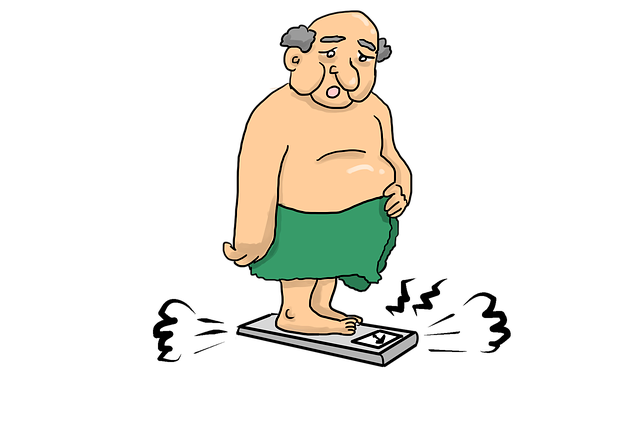
Body recomposition refers to the physiological process of simultaneously gaining lean muscle mass and losing body fat. This concept challenges the traditional sequential approach of distinct "bulking" and "cutting" phases. Over a 90-day period, achieving measurable recomposition is a realistic goal for many individuals, supported by a foundation of exercise physiology and nutritional science.
The underlying principle is the creation of a precise, sustained energy balance. The goal is to consume enough calories and protein to support muscle protein synthesis (the process of building new muscle tissue) while maintaining a slight overall caloric deficit or balance to encourage the body to utilize stored fat for energy. This is primarily driven by two key, evidence-based interventions:
- Progressive Resistance Training: High-quality evidence consistently shows that structured strength training is the most potent stimulus for muscle growth. It creates the metabolic demand that directs nutrients toward repair and growth.
- High-Protein, Nutrient-Dense Nutrition: Adequate protein intake (generally 1.6-2.2 grams per kilogram of body weight daily) is strongly supported by research to maximize muscle protein synthesis and promote satiety, aiding fat loss.
However, it is crucial to distinguish between strong evidence and practical expectations. While the mechanisms are well-understood, the rate of change varies significantly. Factors such as training history, genetics, age, sleep quality, and stress management all influence outcomes. For beginners or those returning to training, more dramatic changes are possible. For advanced trainees, changes will be more subtle and require greater precision.
Clinical Perspective: From a medical and coaching standpoint, a 90-day recomposition phase is an excellent timeframe for establishing sustainable habits and collecting meaningful data (e.g., strength metrics, body measurements, photos). It is not a "quick fix." Success is defined by consistent, weekly progress in training performance and dietary adherence, not just scale weight, which can be misleading due to water retention and muscle gain.
It is important to note who should approach this—or any new fitness and nutrition plan—with caution. Individuals with pre-existing conditions such as cardiovascular disease, diabetes, kidney impairment (given the high protein intake), or a history of eating disorders should consult with a physician and a registered dietitian before beginning. Furthermore, those on certain medications or who are pregnant or breastfeeding must seek personalized medical advice.
This chapter series will detail the evidence-based strategies for structuring your training, nutrition, and recovery over the next 90 days, while maintaining a balanced view of realistic outcomes and necessary precautions.
2. Scientific Mechanisms and Evidence for Muscle Growth and Fat Loss
The simultaneous goals of building lean muscle and reducing adipose tissue, particularly visceral belly fat, are underpinned by distinct but interconnected physiological mechanisms. Achieving both requires creating a specific metabolic environment, which is a complex but evidence-based process.
Mechanisms of Muscle Protein Synthesis (MPS)
Muscle growth, or hypertrophy, is primarily driven by a positive net protein balance—where Muscle Protein Synthesis (MPS) exceeds Muscle Protein Breakdown (MPB). Two key stimuli are required:
- Mechanical Tension: Progressive resistance training creates micro-tears in muscle fibers, initiating a repair and growth signaling cascade.
- Metabolic & Nutritional Support: Consuming adequate protein, particularly leucine-rich sources, provides the essential amino acids needed to fuel MPS. The evidence for the synergistic effect of resistance training and protein intake on MPS is robust and well-established.
Mechanisms of Fat Loss
Fat loss occurs when the body is in a sustained energy deficit, consuming more calories than it takes in. This triggers lipolysis, the breakdown of stored triglycerides into free fatty acids for energy. Crucially, spot reduction of belly fat is not supported by high-quality evidence; fat loss tends to follow a genetically influenced pattern across the body.
Clinical Insight: The concept of "body recomposition"—gaining muscle while losing fat—is most viable for specific populations: beginners to resistance training, those returning after a long layoff, or individuals with higher body fat percentages. For lean, trained individuals, these goals often become mutually exclusive, requiring distinct phases of caloric surplus (for muscle) and deficit (for fat loss).
Integrating the Processes: The Evidence
The feasibility of concurrent muscle gain and fat loss hinges on creating a modest caloric deficit while providing optimal stimulus and nutrition for muscle preservation and growth. Research, including meta-analyses, suggests this is possible, particularly with:
- High-protein diets (≥1.6g per kg of body weight daily) to spare lean mass.
- Structured, progressive resistance training.
- A moderate energy deficit (approximately 300-500 kcal below maintenance).
However, the evidence also indicates that the rate of muscle gain is typically slower in a deficit compared to a surplus, and the long-term sustainability of significant recomposition over 90 days is variable and individual.
Cautions & Considerations: Individuals with metabolic conditions (e.g., diabetes, kidney disease), a history of eating disorders, or those on complex medication regimens should consult a physician and a registered dietitian before undertaking a structured recomposition plan. The aggressive timelines often suggested in popular media may not be realistic or safe for everyone.
3. Risk Factors and Contraindications for Intensive Fitness Regimens
An intensive 90-day regimen aimed at simultaneous muscle building and fat loss places significant physiological demands on the body. Acknowledging individual risk factors and absolute contraindications is a fundamental prerequisite for safety and long-term success, superseding any performance goal.
Key Medical Contraindications
Certain pre-existing conditions necessitate medical clearance and likely a modified, supervised approach. These include:
- Cardiovascular disease: Unstable angina, uncontrolled hypertension, heart failure, or a recent cardiac event. High-intensity exercise can precipitate arrhythmias or acute cardiac stress.
- Metabolic disorders: Poorly controlled Type 1 or Type 2 diabetes, due to the risk of dangerous hypoglycemia or hyperglycemia exacerbated by intense training and dietary changes.
- Musculoskeletal injuries: Acute injuries (e.g., tendon tears, fractures) or chronic, unstable conditions (e.g., severe osteoarthritis, spinal disc herniation). Loading compromised structures can cause further damage.
- Kidney or liver impairment: These organs are critical for metabolizing exercise byproducts and dietary protein. Impaired function can be worsened by high protein intake and dehydration.
Significant Risk Factors Requiring Caution
Individuals with the following profiles should proceed with extreme caution and ideally under professional guidance:
- Sedentary lifestyle: A history of prolonged inactivity dramatically increases the risk of overuse injuries and cardiovascular events when jumping into high-volume training. A gradual, phased approach is non-negotiable.
- Polypharmacy: Taking multiple medications, especially for blood pressure, blood thinning, or mental health, requires a physician's review. Exercise can alter drug metabolism and effects.
- History of eating disorders or disordered eating: The caloric restriction and body composition focus of such a regimen can trigger relapse. This is an absolute contraindication for unsupervised diet manipulation.
- Pregnancy and postpartum period: Nutritional needs and ligament laxity change dramatically. Programs must be specifically designed by a specialist.
Clinical Perspective: The principle of "first, do no harm" applies directly to fitness. A clinician's primary concern is identifying the "red flags" that make a generic intensive program unsafe. The strongest evidence for risk mitigation lies in proper screening—using tools like the Physical Activity Readiness Questionnaire (PAR-Q+)—and individualizing the plan. The evidence for specific injury rates in 90-day transformations is often limited to small, select populations, but the physiological stress pathways are well-understood. The safest approach is to treat any intensive regimen as a medical intervention requiring appropriate screening.
Before initiating any significant change in physical activity and diet, consulting with a primary care physician or a relevant specialist (e.g., cardiologist, endocrinologist, sports medicine doctor) is a critical first step. This is especially true for individuals over 40, those with any known health conditions, or anyone with multiple risk factors. A responsible program prioritizes sustainable health over short-term physical transformation.
4. Practical Implementation Strategies for Sustainable Results
Translating the principles of nutrition and exercise into a sustainable, day-to-day routine is the critical bridge between theory and tangible results. A successful 90-day plan is built on consistency, not intensity, and requires a structured yet adaptable approach.
Structuring Your Weekly Plan
Evidence strongly supports a combined regimen of resistance training and cardiovascular exercise for simultaneous muscle hypertrophy and fat loss. A practical weekly template might include:
- Resistance Training (3-4 days/week): Focus on compound movements (e.g., squats, deadlifts, presses, rows) that recruit multiple muscle groups, proven to be efficient for building lean mass and elevating metabolic rate.
- Moderate-Intensity Cardio (2-3 days/week): Sessions of 20-40 minutes, such as brisk walking or cycling, can support fat oxidation without excessively impeding recovery or muscle growth.
- High-Intensity Interval Training (HIIT) (1 day/week, optional): While HIIT can be time-efficient for improving cardiovascular fitness, its superior role in fat loss compared to steady-state cardio is not consistently proven. It also places higher stress on the body; therefore, it should be introduced cautiously.
At least one full rest day is non-negotiable for physiological recovery and injury prevention.
Nutritional Adherence and Monitoring
The most meticulously calculated diet is ineffective if not followed. Strategies to improve adherence include:
- Meal Preparation: Preparing staple proteins, complex carbohydrates, and vegetables in advance reduces decision fatigue and the likelihood of opting for less nutritious choices.
- Flexible Tracking: Using a food diary or app for initial 2-3 weeks can build awareness of portion sizes and macronutrient balance. However, for individuals with a history of disordered eating, this practice is not recommended and a more intuitive, whole-foods approach should be discussed with a healthcare professional.
- Hydration and Sleep: Often overlooked, adequate water intake and 7-9 hours of quality sleep per night are well-supported by evidence for regulating appetite hormones (ghrelin and leptin) and supporting muscle recovery.
Clinical Perspective: Sustainability hinges on viewing this 90-day period not as a short-term "challenge" but as a pilot phase for lifelong habits. Progress is rarely linear; weight may plateau while body composition improves. Individuals with pre-existing conditions—such as cardiovascular disease, diabetes, orthopedic issues, or kidney disease—must consult their physician or a registered dietitian before significantly altering their exercise or dietary intake. Furthermore, those on medications, especially for blood pressure or diabetes, should be monitored as their needs may change with increased activity and weight loss.
Finally, define clear, non-scale victories (e.g., lifting heavier weight, improved energy levels, better-fitting clothes) to maintain motivation. Regular, small adjustments based on feedback—energy, recovery, progress—are more effective than rigidly adhering to a plan that may not be optimal for your individual response.
5. Safety Protocols and When to Consult a Healthcare Provider
Any structured fitness and nutrition plan, including a 90-day program for body recomposition, carries inherent risks that must be managed. A foundational safety protocol is to prioritize form and technique over the amount of weight lifted or the intensity of a workout. Improper form significantly increases the risk of acute injury and chronic joint stress, which can derail progress entirely.
Nutritional protocols require equal caution. Aggressive caloric deficits or extreme macronutrient manipulation, while sometimes effective for short-term fat loss in research settings, can lead to nutrient deficiencies, hormonal dysregulation, loss of lean mass, and a unsustainable relationship with food. The evidence for many popular dietary approaches is mixed and highly individual.
Certain individuals should consult a qualified healthcare provider—such as a primary care physician, cardiologist, or registered dietitian—before beginning any new intensive program. This is not a mere formality but a critical safety step.
- Pre-existing Medical Conditions: Individuals with cardiovascular, renal, liver, or metabolic diseases (e.g., diabetes, hypertension) require tailored guidance. Sudden increases in activity or changes in diet can affect medication needs and disease stability.
- Musculoskeletal Issues: Those with a history of joint injuries, chronic pain, or arthritis need exercise modifications to avoid exacerbation.
- Special Populations: Pregnant or postpartum individuals and adolescents have unique nutritional and physiological requirements that general plans do not address.
- Medication Interactions: Some supplements commonly associated with fitness goals (e.g., high-dose caffeine, certain herbal extracts) can interact with prescription medications.
- History of Eating Disorders: Any plan focusing on body metrics can be triggering and requires supervision from a mental health professional.
Finally, listen to your body's signals. Persistent pain (especially sharp or joint-specific), dizziness, chest discomfort, or extreme fatigue are not signs of effectiveness but indicators to stop and seek medical evaluation. Sustainable transformation is built on a foundation of safety and health, not speed.
6. Questions & Expert Insights
Is it truly possible to build muscle and lose fat at the same time?
This process, known as body recomposition, is possible but highly dependent on an individual's starting point and adherence to specific protocols. It is most reliably achieved by those new to structured training ("beginners"), those returning after a long layoff ("detrained"), or individuals with higher body fat percentages. The physiological mechanism involves creating a modest caloric deficit to prompt fat loss while providing sufficient protein and engaging in progressive resistance training to stimulate muscle protein synthesis. Evidence suggests this dual outcome is more challenging for lean, experienced trainees, where "bulking" and "cutting" phases may be more effective. Success hinges on precision with nutrition, training, and recovery, and the rate of change for both metrics will be slower than focusing on one goal exclusively.
What are the primary risks, and who should avoid or modify this approach?
Aggressive body recomposition plans carry several risks. A significant caloric deficit combined with intense exercise can lead to hormonal disruptions (e.g., lowered testosterone, thyroid function), increased injury risk from fatigue, and psychological strain including obsessive behaviors or disordered eating patterns. Individuals with a history of eating disorders, metabolic conditions (like diabetes or thyroid disorders), or those on complex medication regimens should avoid self-prescribed plans. Furthermore, individuals with kidney disease must consult a nephrologist before significantly increasing protein intake. The "all-or-nothing" mindset promoted by some 90-day challenges can be counterproductive and unsustainable for long-term health.
When should I talk to a doctor before starting, and what should I discuss?
Consult a physician or a registered dietitian/sports medicine specialist if you have any pre-existing medical condition, take regular medications, are pregnant or postpartum, or are over the age of 45 with no recent health screening. Key topics for the conversation include: 1) Your specific body composition and performance goals, 2) A review of your current medications and any potential interactions with diet or exercise changes, 3) Requesting baseline bloodwork (e.g., lipid panel, fasting glucose, liver/kidney function) to establish a safe starting point, and 4) Discussing any history of musculoskeletal injuries to tailor training. Bringing a copy of the proposed diet and workout plan to the appointment allows for specific, safety-focused feedback.
How much of the "belly fat" loss is actually achievable in 90 days, and is spot reduction possible?
A realistic expectation for visceral fat (the metabolically active fat around organs) loss in 90 days is a 5-10% reduction in waist circumference with a consistent, evidence-based approach. However, it is crucial to understand that spot reduction—losing fat from a specific area like the belly through targeted exercises—is a myth not supported by exercise physiology. Fat loss occurs systemically in a pattern influenced by genetics and hormones. While core training builds abdominal muscle, it does not preferentially burn the fat overlying it. The "secret" to reducing abdominal fat is the same as reducing total body fat: a sustained caloric deficit achieved through diet and overall energy expenditure from combined cardio and resistance training.
7. In-site article recommendations
8. External article recommendations
Related Resources
9. External resources
The links below point to reputable medical and evidence-based resources that can be used for further reading. Always interpret them in the context of your own situation and your clinician’s advice.
-
healthline healthline.combody recomposition – Healthline (search)
-
mayoclinic mayoclinic.orgbody recomposition – Mayo Clinic (search)
-
wikipedia wikipedia.orgbody recomposition – Wikipedia (search)
These external resources are maintained by third-party organisations. Their content does not represent the editorial position of this site and is provided solely to support readers in accessing additional professional information.