
1. Introduction to Chia Seeds and Hydration for Satiety

Chia seeds (Salvia hispanica L.) have garnered significant attention in nutritional science for their unique physicochemical properties. Their primary mechanism of action for promoting satiety is not merely their nutrient density but their exceptional capacity to absorb water. When exposed to liquid, the soluble fiber in the seed's outer layer, primarily mucilage, forms a viscous gel. This gel-forming property is central to their proposed role in appetite regulation.
The concept is straightforward: the gel expands in the stomach, increasing gastric volume and potentially slowing gastric emptying. This physical process may contribute to prolonged feelings of fullness, which could support weight management efforts by reducing subsequent calorie intake. The evidence supporting this mechanism is promising but requires careful contextualization.
- Strong Evidence: It is well-established that chia seeds are a rich source of soluble fiber and can absorb 10–12 times their weight in water. Clinical studies confirm that high-fiber, high-viscosity foods can increase satiety.
- Mixed/Limited Evidence: Direct, high-quality randomized controlled trials specifically on chia seed gel and its precise impact on satiety hormones and long-term weight loss are less abundant. Results can vary based on the dose, the individual's baseline diet, and metabolic health.
Therefore, the "secret" often referenced is less about the seed itself and more about the methodology of preparation. Consuming dry chia seeds may not yield the same satiating effect and poses a potential risk for esophageal blockage if not taken with ample fluid. Proper hydration—allowing the seeds to fully gel before consumption—is considered a critical step to harness their proposed benefits safely and effectively.
Clinical Perspective: From a dietary intervention standpoint, chia seeds are best viewed as a tool to increase fiber and healthy fat intake, which can support satiety as part of a balanced diet. They are not a standalone solution for weight loss. The timing of hydration is a practical, safety-first measure to ensure the intended physical effect in the gastrointestinal tract.
Who Should Exercise Caution: Individuals with a history of swallowing difficulties, esophageal strictures, or significant gastrointestinal disorders like inflammatory bowel disease or a history of bowel obstructions should consult a gastroenterologist before incorporating chia seeds. Those on medication for diabetes or high blood pressure should also discuss this with a doctor, as the seeds may potentiate the effects of these drugs. Pregnant or breastfeeding women are advised to seek guidance from their healthcare provider.
2. Evidence and Mechanisms: How Hydration Timing Affects Satiety

The proposed satiety benefit of pre-hydrating chia seeds hinges on their unique physical properties and the physiological mechanisms of gastric emptying and appetite regulation. The primary evidence is mechanistic, derived from the well-established behavior of soluble fiber, rather than from a large body of direct clinical trials on chia seeds specifically.
Core Mechanism: Gel Formation and Gastric Distension
Chia seeds are exceptionally high in soluble fiber, primarily mucilage. When soaked in liquid for 15-30 minutes, they absorb 10-12 times their weight, forming a viscous gel. This gel is central to the proposed effect:
- Increased Gastric Volume: The gel occupies physical space in the stomach, promoting distension. Stomach stretch receptors signal to the brain's satiety centers (e.g., the hypothalamus), creating a feeling of fullness.
- Slowed Gastric Emptying: The viscous gel matrix slows the rate at which the stomach contents empty into the small intestine. This delay helps maintain distension signals for a longer period and moderates the post-meal rise in blood glucose.
Evidence Base: Strong for Fiber, Limited for Specific Timing
The evidence supporting soluble fiber for satiety and glycemic control is robust and widely accepted in nutritional science. However, direct, high-quality human studies comparing pre-hydrated versus dry chia seeds are limited.
- Supportive Data: Studies on chia seeds generally show modest benefits for satiety and postprandial glucose. The mechanism is logically attributed to gel formation, which is maximized by pre-hydration.
- Gaps and Limitations: Many chia studies do not strictly control for hydration timing. Most are short-term and involve small sample sizes. More research is needed to conclusively prove that pre-hydration offers a clinically significant satiety advantage over consuming dry seeds with a meal.
Clinical Perspective: From a physiological standpoint, pre-hydration makes mechanistic sense. A pre-formed gel is likely more immediately effective at triggering gastric stretch receptors than dry seeds, which must absorb liquid in the stomach—a process that may be less efficient or slower. For individuals using chia seeds specifically for appetite control, pre-hydration is a prudent, evidence-informed practice, even as we await more targeted trials.
Practical Implications and Cautions
For most healthy individuals, consuming 1-2 tablespoons of pre-hydrated chia seeds 15-30 minutes before a meal is a reasonable strategy to potentially enhance meal-time satiety. However, certain individuals should exercise caution or consult a healthcare provider:
- Those with esophageal strictures, inflammatory bowel disease (especially during a flare), or a history of bowel obstruction, as the thick gel could pose a risk.
- Individuals on medications for diabetes or blood pressure, as chia may have additive effects.
- Anyone with swallowing difficulties should ensure the gel is thoroughly mixed and of a safe consistency.
As with any dietary modification, it should be integrated as part of a balanced diet, not relied upon as a sole solution for weight management.
3. Risks and Contraindications for Chia Seed Consumption

While chia seeds are generally safe for most people when consumed as part of a balanced diet, their unique physical properties and nutrient profile necessitate awareness of specific risks and contraindications. A clinically responsible approach requires identifying individuals for whom consumption may pose a hazard.
Primary Mechanical and Gastrointestinal Risks
The most well-documented risks are related to their high soluble fiber content and capacity to absorb water, forming a gel. Consuming dry chia seeds without adequate hydration poses a significant choking or esophageal obstruction risk, particularly for individuals with swallowing difficulties. Always consume chia seeds that have been pre-soaked or thoroughly mixed into a wet food like yogurt or oatmeal.
Even when properly hydrated, a sudden, large increase in fiber intake can cause:
- Abdominal bloating, gas, and cramping.
- Constipation, especially if fluid intake is not concurrently increased.
- Diarrhea in some individuals.
It is prudent to start with a small dose (e.g., one teaspoon) and gradually increase intake over weeks while drinking plenty of water.
Specific Medical Conditions and Medication Interactions
Certain populations should exercise caution or avoid chia seeds without direct medical consultation:
- Individuals with Dysphagia or Esophageal Strictures: The gel-forming property is an absolute contraindication due to high aspiration or obstruction risk.
- Those with Inflammatory Bowel Disease (IBD) or a History of Bowel Obstruction: During active flares of Crohn's disease or ulcerative colitis, or with a history of strictures, high-fiber foods like chia seeds may exacerbate symptoms.
- People on Blood-Thinning Medications (e.g., Warfarin): Chia seeds contain a moderate amount of vitamin K. Sudden, significant changes in dietary vitamin K intake can interfere with the stability of anticoagulation therapy. Consistency is key; patients should discuss incorporating chia seeds with their physician to allow for potential medication dose adjustment.
- Individuals with Hypotension or on Blood Pressure Medications: Preliminary evidence suggests chia seeds may have a blood pressure-lowering effect. Those with low blood pressure or on antihypertensive drugs should monitor their blood pressure and consult a doctor.
- People with Known Seed Allergies: Although rare, allergic reactions to chia seeds have been reported and may be more likely in individuals allergic to mustard or sesame seeds.
Clinical Perspective: From a gastroenterology standpoint, the mechanical risk of dry seeds is the most immediate danger. For patients on anticoagulants, the concern isn't necessarily the vitamin K content itself—many leafy greens contain far more—but the unmonitored introduction of a new, consistent source into the diet. Always advise patients to inform their cardiologist or primary care provider when adding such foods.
In summary, while chia seeds offer nutritional benefits, their consumption is not risk-free. Proper hydration before ingestion is non-negotiable for safety. Individuals with the conditions listed above, or those taking medications affected by diet, should seek personalized advice from a healthcare professional before making chia seeds a regular part of their diet.
4. Practical Guidelines for Optimal Hydration Timing
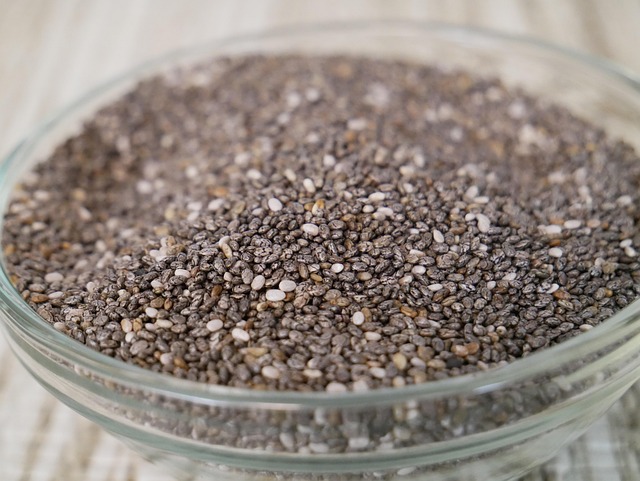
To leverage the satiating properties of chia seeds effectively, the timing and method of hydration are key. The goal is to allow the seeds to form a complete mucilaginous gel, which slows gastric emptying and promotes a feeling of fullness. The following guidelines are based on the principles of food science and clinical nutrition, though direct evidence from large, long-term human trials on precise timing is limited.
Standard Pre-Hydration Protocol
For most individuals, the following method is recommended:
- Ratio: Use a liquid-to-seed ratio of at least 10:1 (e.g., 1 tablespoon of chia seeds to 10 tablespoons or ~150ml of water, milk, or plant-based milk).
- Duration: Stir thoroughly and let the mixture sit for a minimum of 15-20 minutes. For a more complete gel with a thicker consistency, allow 30 minutes to 2 hours.
- Consumption Timing: Consume the pre-hydrated gel 15-30 minutes before a main meal. This timing is intended to allow the gel to reach the stomach and begin exerting its bulk-forming effect as you start eating.
Integration and Practical Tips
Pre-hydrated chia seeds can be incorporated into various foods and beverages:
- Stir into yogurt, oatmeal, or smoothies.
- Use as a base for chia puddings prepared the night before.
- Mix into soups or sauces as a mild thickener.
Consuming the seeds dry and relying on internal hydration is not recommended for satiety purposes, as it is less effective and carries a risk of esophageal discomfort or blockage if not followed by sufficient fluid intake.
Clinical Insight: The pre-meal timing suggestion is extrapolated from studies on dietary fiber and gastric emptying. While mechanistically sound, individual responses vary based on gastric physiology, meal composition, and baseline fiber intake. The effect on satiety and subsequent calorie reduction is modest and should be viewed as one component of a balanced diet, not a standalone weight-loss solution.
Important Cautions and Contraindications
Certain individuals should exercise caution or consult a healthcare provider:
- Swallowing Difficulties or Esophageal Strictures: Always consume chia seeds in a fully gelled form to avoid aspiration or obstruction risk.
- Gastrointestinal Disorders: Those with IBD, a history of bowel obstructions, or severe gastroparesis should seek medical advice, as the high fiber content may exacerbate symptoms.
- Medication Interactions: Due to their high soluble fiber content, chia gels may slow the absorption of oral medications. Take prescription drugs at least 1-2 hours apart from consuming chia seeds.
- Kidney Disease: Individuals on a potassium or phosphorus-restricted diet should note that chia seeds are a significant source of these minerals.
As with any significant dietary change, it is prudent to start with a small amount (e.g., one teaspoon) to assess tolerance and increase fluid intake throughout the day to support the additional fiber.
5. Safety Considerations and When to Seek Medical Advice

While chia seeds are generally recognized as safe for most people when consumed in typical food amounts, their unique properties—particularly when consumed with a hydration protocol—require specific safety considerations. A responsible approach involves understanding potential risks and knowing when professional medical guidance is essential.
Key Safety Considerations
The primary safety concern with chia seeds is their capacity to absorb 10–12 times their weight in water, forming a gel. This property, central to their satiety effect, can pose risks if not managed correctly.
- Choking and Gastrointestinal Obstruction: Consuming dry chia seeds followed by a glass of water is not recommended. The seeds can swell rapidly in the esophagus, posing a serious choking hazard or causing a blockage, especially in individuals with swallowing difficulties. Always pre-soak chia seeds for at least 10–15 minutes, or ensure they are thoroughly mixed into a wet food like yogurt or oatmeal.
- Gastrointestinal Distress: A sudden, significant increase in fiber intake can cause bloating, gas, cramping, or constipation. To mitigate this, introduce chia seeds gradually, starting with one teaspoon daily and increasing intake slowly while ensuring adequate fluid consumption throughout the day.
- Medication Interactions: The high soluble fiber content can slow gastric emptying and may interfere with the absorption of certain oral medications (e.g., some diabetes, thyroid, or heart medications). To minimize this risk, take medications at least 1–2 hours before or 4–6 hours after consuming a significant amount of chia gel.
Who Should Exercise Caution or Consult a Physician?
Certain individuals should seek medical advice before incorporating a structured chia seed protocol into their routine:
- Individuals with a history of swallowing disorders, esophageal strictures, or gastrointestinal surgery.
- Those with diagnosed digestive conditions like inflammatory bowel disease (IBD), Crohn's disease, or ulcerative colitis, as high-fiber foods can exacerbate symptoms during a flare.
- People with kidney disease, as chia seeds are a source of phosphorus and potassium, minerals that may need to be restricted.
- Individuals on blood-thinning medications (e.g., warfarin), as chia seeds contain vitamin K, which can affect clotting. Consistency in daily intake is key, and changes should be discussed with a doctor.
- Those with a history of food allergies, particularly to mustard or sesame seeds, due to potential cross-reactivity.
- Anyone experiencing persistent abdominal pain, significant bloating, or changes in bowel habits after starting chia seeds should discontinue use and consult a healthcare provider.
In summary, while chia seed hydration is a simple concept, its application demands respect for basic food safety and individual health status. When in doubt, a conversation with a physician or registered dietitian is the most prudent step.
6. Questions & Expert Insights
Does the timing of chia seed hydration truly impact how full I feel?
The concept is plausible based on the known properties of soluble fiber. Chia seeds form a hydrophilic gel when soaked, which expands in the stomach. Consuming them pre-hydrated may accelerate this process, potentially leading to a more immediate sensation of fullness and a slower gastric emptying rate. However, direct, high-quality human trials comparing satiety from dry versus pre-soaked chia seeds are limited. Most evidence for chia's satiety effect comes from studies where they were consumed in a hydrated form (e.g., in a drink or pudding). The practical takeaway is that hydration is a key mechanism for chia's effect. Whether pre-soaking for 30 minutes versus consuming them dry with a large glass of water makes a clinically significant difference for everyone is not definitively proven and may vary by individual digestive physiology.
What are the risks or side effects of regularly consuming chia seeds for satiety?
While generally safe for most, chia seeds pose specific risks that require caution. The most immediate risk is gastrointestinal obstruction if consumed dry without sufficient fluid, as they can expand and form a blockage in the esophagus. Common side effects include bloating, gas, or abdominal discomfort, especially when introducing them too quickly. Due to their high fiber content (approx. 10g per ounce), they can interfere with the absorption of certain medications; take prescriptions at least 2-3 hours apart. Individuals with inflammatory bowel disease (IBD) during a flare, a history of bowel obstructions, or significant dysphagia (swallowing difficulties) should avoid them. Those with kidney disease may need to limit intake due to notable phosphorus content.
When should I talk to a doctor or dietitian about using this approach?
Consult a healthcare professional before significantly increasing chia seed intake if you have a chronic medical condition, are on medication, or are pregnant/breastfeeding. Specifically, schedule a conversation if you have: diagnosed gastrointestinal disorders (e.g., IBD, IBS, gastroparesis), kidney disease, hypertension (as chia may interact with blood pressure medications), or a history of food allergies. Before your appointment, prepare notes on: 1) Your goal (e.g., "managing hunger between meals"), 2) Your planned daily dosage and how you intend to prepare them, 3) A complete list of your current medications and supplements, and 4) Any pre-existing digestive issues. This allows your provider to give personalized, safe guidance.
Is the satiety effect strong enough to aid in meaningful weight management?
Chia seeds are a tool, not a solution. Their high fiber and protein content can contribute to feelings of fullness, which may help reduce spontaneous calorie intake at subsequent meals—a phenomenon supported by some short-term studies. However, evidence for chia seeds alone causing significant, long-term weight loss is weak and inconsistent. Sustainable weight management is multifactorial, relying on overall diet quality, portion control, physical activity, and behavioral factors. Relying solely on chia seeds for satiety without addressing other dietary patterns is unlikely to be effective. They are best viewed as one component of a nutrient-dense, high-fiber diet that supports satiety and metabolic health.
7. In-site article recommendations
8. External article recommendations
9. External resources
The links below point to reputable medical and evidence-based resources that can be used for further reading. Always interpret them in the context of your own situation and your clinician’s advice.
-
drugs drugs.comchia seeds – Drugs.com (search)
-
wikipedia wikipedia.orgchia seeds – Wikipedia (search)
-
examine examine.comchia seeds – Examine.com (search)
These external resources are maintained by third-party organisations. Their content does not represent the editorial position of this site and is provided solely to support readers in accessing additional professional information.