
1. Introduction to HIIT and Weight Loss Context
High-Intensity Interval Training (HIIT) is a structured exercise protocol characterized by alternating short bursts of near-maximal or maximal effort with periods of lower-intensity recovery or complete rest. In the context of weight management, HIIT is often discussed for its potential metabolic efficiency—the ability to elicit significant physiological adaptations in a relatively condensed time frame compared to traditional steady-state cardio.
The primary physiological rationale linking HIIT to fat loss centers on Excess Post-Exercise Oxygen Consumption (EPOC). Following intense exercise, the body's metabolic rate remains elevated as it works to restore homeostasis, replenish energy stores, and repair tissues. This process requires additional calories, predominantly from fat stores. Evidence from systematic reviews and meta-analyses suggests HIIT can be as effective, and in some studies marginally more effective, than moderate-intensity continuous training (MICT) for reducing total body fat mass, particularly abdominal and visceral fat, when matched for total work or energy expenditure.
Clinical Perspective: While the EPOC effect is real, its magnitude and duration are often overstated in popular media. The actual caloric contribution of EPOC, while beneficial, is modest and should not be viewed as a primary driver of weight loss. Sustainable fat loss ultimately depends on a consistent, long-term energy deficit, which HIIT can help create and maintain through increased energy expenditure and potential appetite regulation.
It is crucial to distinguish between levels of evidence:
- Strong Evidence: HIIT is an effective exercise modality for improving cardiorespiratory fitness (VO₂ max), insulin sensitivity, and reducing cardiometabolic risk factors.
- Mixed/Limited Evidence: Claims that HIIT is "superior" to other forms of exercise for weight loss are not consistently supported. Outcomes depend heavily on adherence, diet, individual physiology, and the precise HIIT protocol used.
HIIT is not suitable for everyone. Individuals with the following conditions should seek medical clearance from a physician or qualified exercise professional before beginning a HIIT program:
- Known or suspected cardiovascular disease
- Uncontrolled hypertension
- Musculoskeletal injuries or conditions
- A sedentary lifestyle without a foundational level of fitness
This chapter establishes the foundational principles and evidence context. Subsequent sections will detail protocol design, integration with nutrition, and strategies for long-term adherence to leverage HIIT as a sustainable component of a comprehensive weight management plan.
2. Evidence and Mechanisms of HIIT for Weight Management
High-Intensity Interval Training (HIIT) is not a magic bullet for weight loss, but a substantial body of evidence supports its role as an effective component of a comprehensive weight management strategy. The primary mechanism is its ability to create a significant energy deficit. A typical HIIT session expends a considerable number of calories in a short period, but its true metabolic advantage often lies in the post-exercise period.
This is driven by two key physiological phenomena:
- Excess Post-Exercise Oxygen Consumption (EPOC): The intense bursts of activity create a substantial "oxygen debt." The body works harder in the hours following exercise to restore homeostasis, which increases resting energy expenditure.
- Improved Metabolic Health: HIIT has been shown to enhance insulin sensitivity and mitochondrial function in skeletal muscle. This can improve the body's efficiency at using fat for fuel, both during and between workouts.
Evidence from systematic reviews and meta-analyses indicates that HIIT can be as effective as traditional moderate-intensity continuous training (MICT) for reducing total body fat mass and visceral (abdominal) fat, often in less time. However, the evidence is nuanced. While HIIT is excellent for improving cardiorespiratory fitness and body composition, its superiority over MICT for total weight (scale weight) loss is less consistent. The total calorie deficit over time remains the most critical factor for weight loss.
Clinical Perspective: From a physiological standpoint, HIIT's efficiency is compelling. However, adherence is a critical variable often overlooked in short-term trials. The high perceived exertion can be a barrier for some, making MICT a more sustainable choice for long-term weight management. The "best" exercise is ultimately the one a person will perform consistently.
It is crucial to highlight who should approach HIIT with caution or seek medical clearance. This includes individuals with:
- Known or suspected cardiovascular disease
- Uncontrolled hypertension
- Joint problems or recent injuries
- A sedentary lifestyle (should build a base fitness level first)
In summary, HIIT is an evidence-backed tool for improving body composition and metabolic health, contributing to weight management through potent acute and adaptive physiological responses. Its integration should be balanced with considerations of safety, personal preference, and long-term sustainability.
3. Risks and Contraindications for HIIT Participation
While High-Intensity Interval Training (HIIT) is a potent tool for fitness and weight management, its very intensity introduces specific risks that must be acknowledged and managed. A responsible approach requires understanding both the common, manageable risks and the absolute contraindications that preclude participation without medical clearance.
Common Risks and Injury Prevention
The primary risks associated with HIIT stem from the high mechanical and metabolic stress placed on the body. These are well-documented in sports medicine literature and are largely preventable with proper programming and technique.
- Musculoskeletal Injury: The rapid, forceful movements in many HIIT protocols (e.g., box jumps, burpees, sprints) increase the risk of acute strains, sprains, and overuse injuries, particularly in tendons and joints. This risk is amplified with poor form, inadequate warm-up, or excessive volume.
- Cardiovascular Stress: HIIT elicits near-maximal heart rates and blood pressure spikes. For individuals with undiagnosed cardiovascular conditions, this can pose a significant risk of adverse events, including arrhythmias.
- Excessive Fatigue and Overtraining: The demanding nature of HIIT can lead to systemic fatigue, impaired recovery, and hormonal dysregulation if not balanced with adequate rest and nutrition, potentially hindering weight loss goals.
Key Contraindications and Precautions
Certain populations should either avoid HIIT entirely or only undertake it under direct medical and professional supervision. The evidence supporting these cautions is strong and based on physiological principles.
Clinical Insight: The "talk test" is not a reliable safety screen for HIIT. A pre-participation health screening, such as the PAR-Q+, is a minimum standard. For anyone with known risk factors, clearance from a physician—potentially including stress testing—is non-negotiable before commencing a HIIT program.
Individuals who must seek medical advice before attempting HIIT include:
- Those with known or suspected cardiovascular, pulmonary, or metabolic diseases (e.g., coronary artery disease, hypertension, COPD, diabetes).
- Individuals with significant musculoskeletal limitations, acute injuries, or chronic conditions like severe osteoarthritis.
- Pregnant individuals, particularly if new to vigorous exercise.
- People who are sedentary or have a very low baseline fitness level; a period of moderate-intensity conditioning is typically advised first.
The principle of progressive overload applies to intensity as well as volume. Starting with moderate-intensity intervals and gradually increasing the work intensity over weeks is a safer, more sustainable strategy than attempting maximal efforts from the outset. Sustainable weight loss is achieved through consistent, injury-free practice, not through repeated high-risk efforts that lead to burnout or harm.
4. Practical Guidelines for Effective HIIT Workouts
To harness the metabolic and cardiovascular benefits of High-Intensity Interval Training (HIIT) for weight management, a structured and evidence-based approach is essential. The core principle involves alternating short bursts of near-maximal effort with periods of active recovery or complete rest. The effectiveness of this protocol is strongly supported by research for improving cardiorespiratory fitness and insulin sensitivity, which are key factors in sustainable weight loss.
Structuring Your HIIT Session
A practical and well-researched starting protocol for general fitness is the 2:1 work-to-rest ratio. For example:
- Warm-up: 5-10 minutes of light cardio and dynamic stretching.
- Work Interval: 30-60 seconds of high-intensity effort (aiming for 80-95% of your maximum heart rate or a perceived exertion of 8-9 on a 10-point scale).
- Recovery Interval: 60-120 seconds of low-intensity movement or complete rest.
- Repeat: Perform 6-10 cycles of this work/recovery sequence.
- Cool-down: 5 minutes of gentle movement and static stretching.
The total high-intensity work time in a session typically ranges from 10 to 30 minutes. Evidence suggests that performing HIIT 2-3 times per week, with at least 48 hours of recovery between sessions, is effective for most individuals.
Clinical Insight: The "effective dose" of HIIT is highly individual. While the 2:1 ratio is a robust starting point, the most sustainable protocol is one you can adhere to consistently. For weight loss, HIIT should be viewed as a powerful component of a comprehensive plan that includes nutritional strategies and non-exercise physical activity. The afterburn effect (Excess Post-exercise Oxygen Consumption or EPOC) is real but its caloric contribution is often modest; the primary weight management benefits come from improved metabolic health and increased weekly energy expenditure.
Key Considerations for Safety and Sustainability
It is crucial to distinguish between feeling challenged and exercising with poor form, which increases injury risk. Focus on quality of movement over speed or load, especially as fatigue sets in.
Who should proceed with caution or seek medical advice first: Individuals with known or suspected cardiovascular disease, uncontrolled hypertension, musculoskeletal injuries, or who are sedentary should consult a physician before beginning HIIT. Those with joint issues may prefer low-impact modalities like cycling, swimming, or elliptical training. The evidence for HIIT in pregnancy is limited and mixed; it should only be continued or initiated under the guidance of an obstetric care provider.
Finally, listen to your body. Needing an extra recovery day is not a failure but a sign of intelligent training. Sustainable weight loss is a marathon, not a sprint, and your exercise regimen should reflect that principle.
5. Safety Protocols and When to Consult a Healthcare Professional
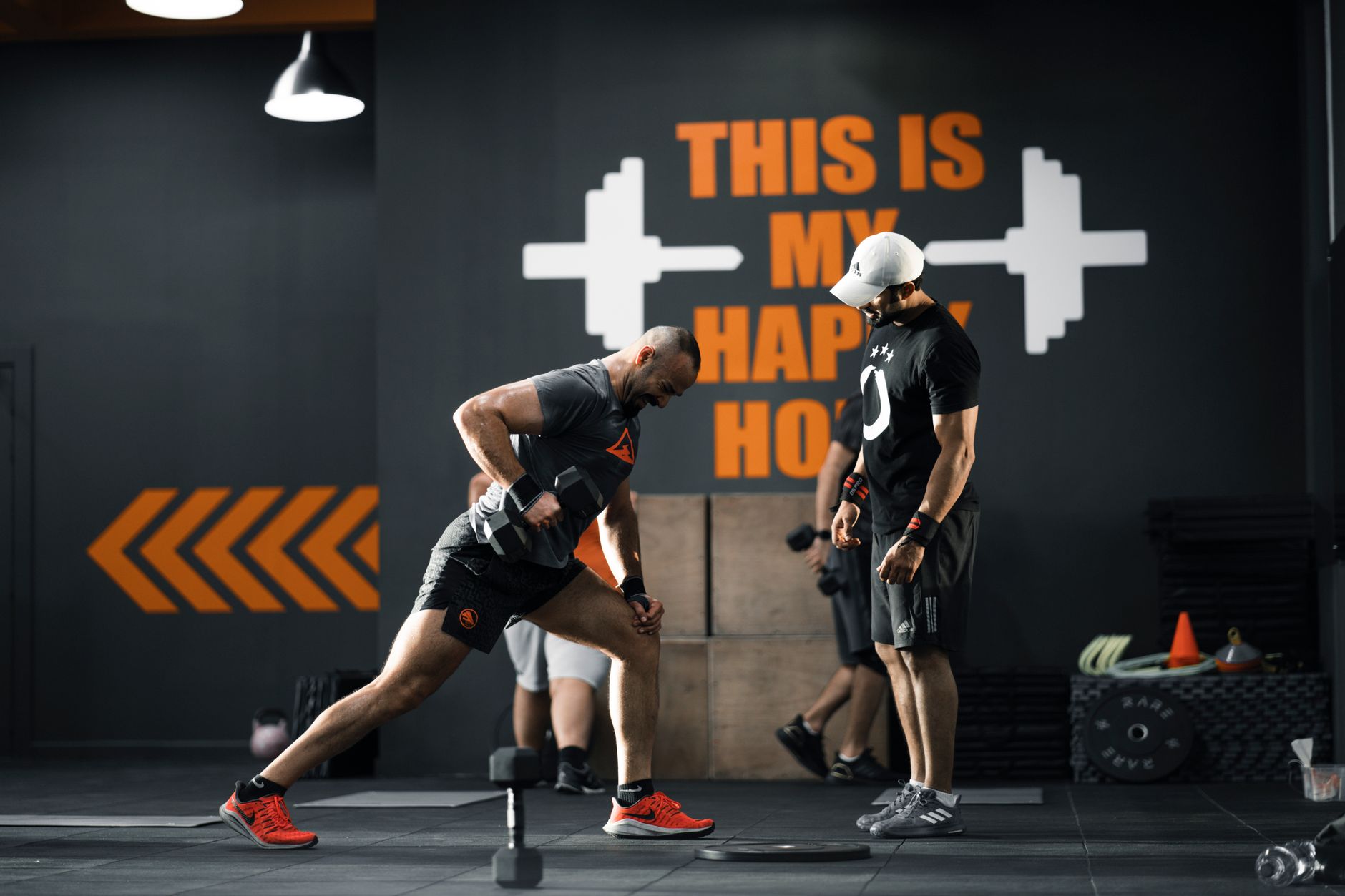
High-Intensity Interval Training (HIIT) is a potent stimulus for physiological adaptation, but its very intensity necessitates a structured safety-first approach. Implementing foundational safety protocols is essential to mitigate injury risk and ensure the sustainability of your weight loss program.
Essential Pre-Workout and In-Session Protocols
A comprehensive warm-up of 5-10 minutes is non-negotiable. This should include dynamic movements that increase heart rate, mobilize joints, and activate the muscle groups you will use. During the workout, prioritize form over speed or load. Compromised technique under fatigue is a primary cause of acute and overuse injuries.
- Progressive Overload: Begin with a manageable work-to-rest ratio (e.g., 20 seconds of work, 40 seconds of rest) and lower-impact exercises. Gradually increase intensity and complexity over weeks, not days.
- Hydration and Recovery: Maintain hydration before, during, and after sessions. Schedule at least 48 hours of recovery between intense HIIT sessions targeting the same muscle groups to allow for tissue repair and adaptation.
- Listening to Your Body: Distinguish between the discomfort of high effort and the sharp pain of injury. The former is expected; the latter is a signal to stop immediately.
Clinical Insight: In practice, we see a high incidence of HIIT-related injuries from "too much, too soon" enthusiasm. The cardiovascular system often adapts faster than musculoskeletal structures like tendons and ligaments. A gradual progression plan is not just a recommendation—it is a critical injury prevention strategy. Furthermore, HIIT can induce significant transient increases in blood pressure and cardiac stress; proper form and breathing (avoiding the Valsalva maneuver) are key safety moderators.
When to Consult a Healthcare Professional
While HIIT is safe for many, certain individuals require medical clearance and potentially supervised initiation. It is strongly advised to consult a physician or relevant specialist before starting a HIIT regimen if you have any of the following:
- A known or suspected cardiovascular condition (e.g., coronary artery disease, arrhythmia, uncontrolled hypertension).
- Metabolic conditions like diabetes, especially if on medication that affects blood glucose.
- Musculoskeletal injuries, chronic joint pain (e.g., knee osteoarthritis), or recent surgery.
- Pregnancy or postpartum status.
- A sedentary lifestyle with no recent history of moderate exercise.
This consultation allows for risk stratification. A healthcare provider can offer personalized guidance on exercise intensity, appropriate modifications, and warning signs to monitor. Integrating HIIT safely is a collaborative process between you, your body's feedback, and professional medical advice, forming the true foundation for sustainable results.
6. Questions & Expert Insights
Is HIIT really more effective for weight loss than steady-state cardio?
High-Intensity Interval Training (HIIT) can be a highly efficient tool for weight loss, but framing it as definitively "more effective" than steady-state cardio is an oversimplification. The primary advantage of HIIT is its efficiency; it can elicit similar or superior metabolic and cardiovascular adaptations in a shorter time commitment. HIIT is associated with a phenomenon called Excess Post-Exercise Oxygen Consumption (EPOC), which can lead to a modestly elevated calorie burn for hours after the workout. However, the total calorie deficit over time is the ultimate driver of weight loss. For some individuals, the intense nature of HIIT can be a barrier to consistency, whereas they might adhere better to longer, moderate-paced sessions. The best choice is the modality a person can perform safely and consistently as part of a sustainable lifestyle that also includes nutrition and recovery.
What are the main risks of HIIT, and who should avoid it or proceed with extreme caution?
While beneficial for many, HIIT carries inherent risks due to its high-intensity nature. The most common are musculoskeletal injuries (e.g., strains, sprains) from improper form or overexertion, and cardiovascular stress, which can be dangerous for those with undiagnosed heart conditions. Individuals who should avoid standard HIIT or seek strict medical clearance and specialist guidance include those with: a history of cardiovascular disease, uncontrolled hypertension, or arrhythmias; significant orthopedic limitations or acute injuries; untreated metabolic conditions like diabetes; and pregnant individuals, especially if new to exercise. Furthermore, those with a history of exercise addiction or eating disorders should be cautious, as HIIT's "no pain, no gain" culture can exacerbate unhealthy behaviors.
How often should I do HIIT for weight loss without overtraining?
A common mistake is equating more HIIT with faster results. Due to its high neurological and metabolic demand, HIIT requires adequate recovery. For sustainable weight loss and to prevent overtraining, a frequency of 2-3 sessions per week is typically the evidence-based upper limit for most non-athletes. These sessions should be spaced with at least 48 hours of recovery or active recovery (like walking or gentle yoga) in between. "More is not better" applies strongly here; exceeding this frequency significantly increases injury risk, leads to hormonal imbalances like elevated cortisol, and can undermine recovery, ultimately stalling progress. The other days should focus on strength training, low-intensity movement, and rest.
When should I talk to a doctor before starting HIIT, and how should I prepare for that conversation?
You should consult a physician or a qualified exercise specialist (like a Clinical Exercise Physiologist) if you have any pre-existing medical condition, are sedentary and over 45 (or over 35 with risk factors like smoking or obesity), experience chest pain, dizziness, or shortness of breath with exertion, or are pregnant/postpartum. To prepare for the conversation, be specific. Bring: 1) A clear description of the HIIT protocol you're considering (e.g., "30-second sprints with 2-minute rests"), 2) Your complete medical history and current medication/supplement list, 3) A record of any recent symptoms during activity, and 4) Your specific fitness goals. This allows the provider to give personalized, safe guidance, which may include referral for an exercise stress test or recommendations for modified, lower-impact interval training.
7. In-site article recommendations
8. External article recommendations
9. External resources
The links below point to reputable medical and evidence-based resources that can be used for further reading. Always interpret them in the context of your own situation and your clinician’s advice.
-
mayoclinic mayoclinic.orgHIIT – Mayo Clinic (search)
-
examine examine.comHIIT – Examine.com (search)
-
wikipedia wikipedia.orgHIIT – Wikipedia (search)
These external resources are maintained by third-party organisations. Their content does not represent the editorial position of this site and is provided solely to support readers in accessing additional professional information.