
1. Introduction and Context of High-Protein Meal Prep

High-protein meal preparation is a dietary strategy focused on intentionally planning, cooking, and portioning meals with a significant protein content. This approach is grounded in well-established nutritional science, which demonstrates protein's critical roles in physiological function, body composition, and metabolic health.
The evidence supporting adequate protein intake is robust. Protein is essential for:
- Muscle Protein Synthesis (MPS): Consuming sufficient protein, especially when paired with resistance training, provides the amino acids necessary to repair and build skeletal muscle tissue.
- Satiety and Appetite Regulation: Protein has a higher thermic effect of food and promotes greater feelings of fullness compared to fats and carbohydrates, which can support weight management goals.
- Metabolic Function: Adequate protein helps preserve lean body mass during weight loss, which is crucial for maintaining a healthy metabolic rate.
However, the concept of "high-protein" requires context. While general guidelines recommend 0.8 grams of protein per kilogram of body weight for sedentary adults, evidence suggests higher intakes—typically in the range of 1.2 to 2.0 grams per kilogram—are beneficial for individuals engaged in regular exercise, older adults to combat sarcopenia, or those in a caloric deficit. The upper end of this range is most strongly supported for athletes in intense training.
Clinical Perspective: It is important to distinguish between increasing protein within a balanced diet and consuming excessive amounts far beyond established needs. For most healthy individuals, a higher intake within the suggested range is safe, but it should not come at the expense of dietary fiber, healthy fats, and essential micronutrients. Meal prepping can be an effective tool to achieve this balance consistently.
Meal prepping addresses common barriers to consistent nutrition, such as time constraints and decision fatigue. By dedicating time to prepare portions in advance, individuals are more likely to meet their protein and overall nutritional targets, reducing reliance on less optimal convenience foods.
Who should exercise caution? Individuals with pre-existing kidney disease should not increase protein intake without consulting their nephrologist. Those with liver disease or certain metabolic disorders should also seek personalized medical advice. Furthermore, an obsessive focus on meal preparation can be problematic for individuals with or at risk for disordered eating patterns.
This chapter provides the foundational context for understanding the subsequent recipes and strategies. The following sections will translate this evidence into practical, balanced meal solutions designed to support specific health and fitness objectives.
2. Evidence and Mechanisms of High-Protein Diets
High-protein diets are a cornerstone of many nutrition strategies, supported by a robust body of evidence for specific physiological outcomes. The mechanisms by which they operate are well-understood, though the strength of evidence varies across different health goals.
Strong Evidence for Key Mechanisms
The most consistent findings relate to body composition and satiety. The primary mechanisms with strong scientific backing include:
- Increased Satiety and Reduced Ad Libitum Caloric Intake: Protein is the most satiating macronutrient. It stimulates the release of hormones like peptide YY (PYY) and glucagon-like peptide-1 (GLP-1), which signal fullness to the brain, often leading to a spontaneous reduction in overall calorie consumption.
- Higher Thermic Effect of Food (TEF): The body expends more energy (calories) to digest, absorb, and metabolize protein compared to fats and carbohydrates. This can modestly increase daily energy expenditure.
- Preservation of Lean Mass During Weight Loss: In a caloric deficit, adequate protein intake provides essential amino acids, helping to spare muscle tissue from being catabolized for energy. This is critical for maintaining metabolic rate and functional strength.
Areas with More Nuanced or Mixed Evidence
While the mechanisms above are clear, their translation into long-term outcomes can be context-dependent.
- Superiority for Weight Loss: High-protein diets often lead to greater short-term weight loss compared to standard-protein diets, primarily due to the factors above. However, long-term studies (beyond 6-12 months) often show that adherence, not macronutrient composition, is the ultimate determinant of success.
- Metabolic Health: Evidence suggests benefits for improving insulin sensitivity, triglycerides, and blood pressure in some populations, particularly when protein replaces refined carbohydrates. The effects on long-term cardiometabolic risk, however, may depend heavily on the protein source (e.g., plant-based vs. processed red meats).
Clinical Perspective: From a physiological standpoint, the benefits of increased protein are most pronounced for individuals seeking to lose fat while preserving muscle, manage hunger, or support increased physical training. It is not a universal requirement, and the optimal intake varies significantly based on age, activity level, and health status.
Important Considerations and Cautions
High-protein dietary patterns are not appropriate for everyone and require a balanced approach. Individuals with pre-existing kidney disease should not increase protein intake without medical supervision. Those with liver disease or certain metabolic disorders (e.g., phenylketonuria) also require tailored guidance. For generally healthy individuals, ensuring adequate fiber and fluid intake is essential to mitigate potential digestive discomfort. As with any significant dietary change, consulting a physician or registered dietitian is advised, particularly for those with chronic health conditions or who are pregnant.
3. Risks and Populations to Avoid High-Protein Diets

While high-protein meal prep can be a powerful tool for body composition and satiety, it is not universally appropriate. A clinically responsible approach requires understanding the populations for whom increased protein intake may pose risks and the potential adverse effects when implemented without medical guidance.
Established Medical Contraindications
Individuals with pre-existing kidney or liver disease should generally avoid high-protein diets without explicit approval from their nephrologist or hepatologist. In chronic kidney disease (CKD), a high protein load can accelerate the decline of glomerular filtration rate (GFR). For those with advanced liver disease, impaired urea cycle function can lead to dangerous elevations in blood ammonia.
Other key populations to exercise caution include:
- Individuals with a history of gout or hyperuricemia: High purine content in some protein sources (e.g., red meat, organ meats, some seafood) can precipitate painful gout flares.
- Those with or at risk for eating disorders: A rigid focus on macronutrient tracking and "clean" protein can exacerbate disordered eating patterns.
- People with certain metabolic disorders: Such as phenylketonuria (PKU) or other inborn errors of metabolism requiring protein restriction.
Potential Risks and Evidence Considerations
The evidence for risks in otherwise healthy individuals is more nuanced. Long-term concerns often cited include bone mineral density loss and kidney stress.
- Bone Health: Early hypotheses suggested high protein intake increased calcium excretion, potentially weakening bones. However, more recent meta-analyses indicate that adequate protein is crucial for bone maintenance, especially in older adults. The risk appears minimal with sufficient calcium intake.
- Kidney Function: In individuals with healthy kidneys, there is no strong evidence that high-protein diets cause kidney disease. However, it does increase glomerular pressure and filtration workload (hyperfiltration). The long-term clinical significance of this in healthy people remains uncertain.
- Other Considerations: Diets excessively high in certain animal proteins may be associated with increased intake of saturated fats. Poorly planned diets can also lead to fiber and micronutrient deficiencies.
Clinical Insight: The key is context and moderation. We assess protein needs based on age, lean mass, activity level, and health status. For a healthy, active adult, 1.2–2.0 g/kg of body weight is often safe and effective. I advise patients with any chronic condition, especially renal, hepatic, or cardiovascular, to undergo a metabolic review before significantly altering their protein intake. Hydration is also non-negotiable on a higher protein regimen.
Before embarking on a high-protein meal prep plan, consulting a physician or registered dietitian is strongly recommended for anyone with the conditions mentioned above or for those taking multiple medications where dietary changes could alter their efficacy.
4. Practical Takeaways for High-Protein Meal Prep
Implementing a high-protein meal prep strategy requires a methodical approach grounded in evidence-based nutrition principles. The primary goal is to support satiety, preserve lean muscle mass, and provide a consistent nutrient intake, which can be beneficial for weight management and physical performance. The following practical takeaways are designed to help you structure your approach effectively and safely.
Core Principles for Success
Adherence to a few key principles can significantly increase the likelihood of long-term success and nutritional adequacy:
- Prioritize Whole Food Sources: Base your meals on lean meats, poultry, fish, eggs, legumes, and dairy. These provide not only protein but also essential micronutrients and dietary fiber, which are often lacking in highly processed protein supplements.
- Calculate Your Needs Realistically: General recommendations for active individuals often range from 1.2 to 2.0 grams of protein per kilogram of body weight per day. Using the lower end of this range for initial planning is a prudent, evidence-supported starting point that minimizes the risk of unnecessary calorie surplus.
- Balance Your Plate: Each prepped meal should include a protein source, a generous portion of non-starchy vegetables, and a controlled portion of complex carbohydrates or healthy fats. This balance supports stable energy levels and overall dietary quality.
Logistical and Safety Considerations
Effective meal prep extends beyond recipe selection to include food safety and personalization.
- Master Safe Storage: Cooked meals should be refrigerated at or below 4°C (40°F) and consumed within 3-4 days, or frozen for longer storage. This is critical to prevent foodborne illness.
- Batch Cook Smartly: Prepare versatile base ingredients (e.g., grilled chicken, roasted chickpeas, hard-boiled eggs, cooked quinoa) that can be mixed and matched across different meals to prevent palate fatigue.
- Listen to Your Body: While high-protein diets are generally safe for healthy adults, a sudden, significant increase in protein intake can cause digestive discomfort for some. Increase your intake gradually and ensure adequate hydration and fiber consumption.
Clinical Perspective: It is important to contextualize high-protein meal prep within an individual's overall health profile. Individuals with pre-existing kidney disease should not increase protein intake without explicit guidance from their nephrologist or dietitian. Similarly, those with liver disease or certain metabolic disorders should consult a healthcare provider. For the general population, the strong evidence supports protein's role in satiety and muscle synthesis, but the long-term effects of very high-protein diets (>2g/kg/day) remain an area of ongoing research with mixed findings. Always integrate dietary changes as part of a holistic lifestyle approach.
Finally, view meal prep as a flexible tool, not a rigid protocol. Allow for adjustments based on your schedule, hunger cues, and nutritional needs. Consulting with a registered dietitian can provide personalized guidance to align this strategy with your specific health goals and medical history.
5. Safety Considerations and When to Consult a Healthcare Provider
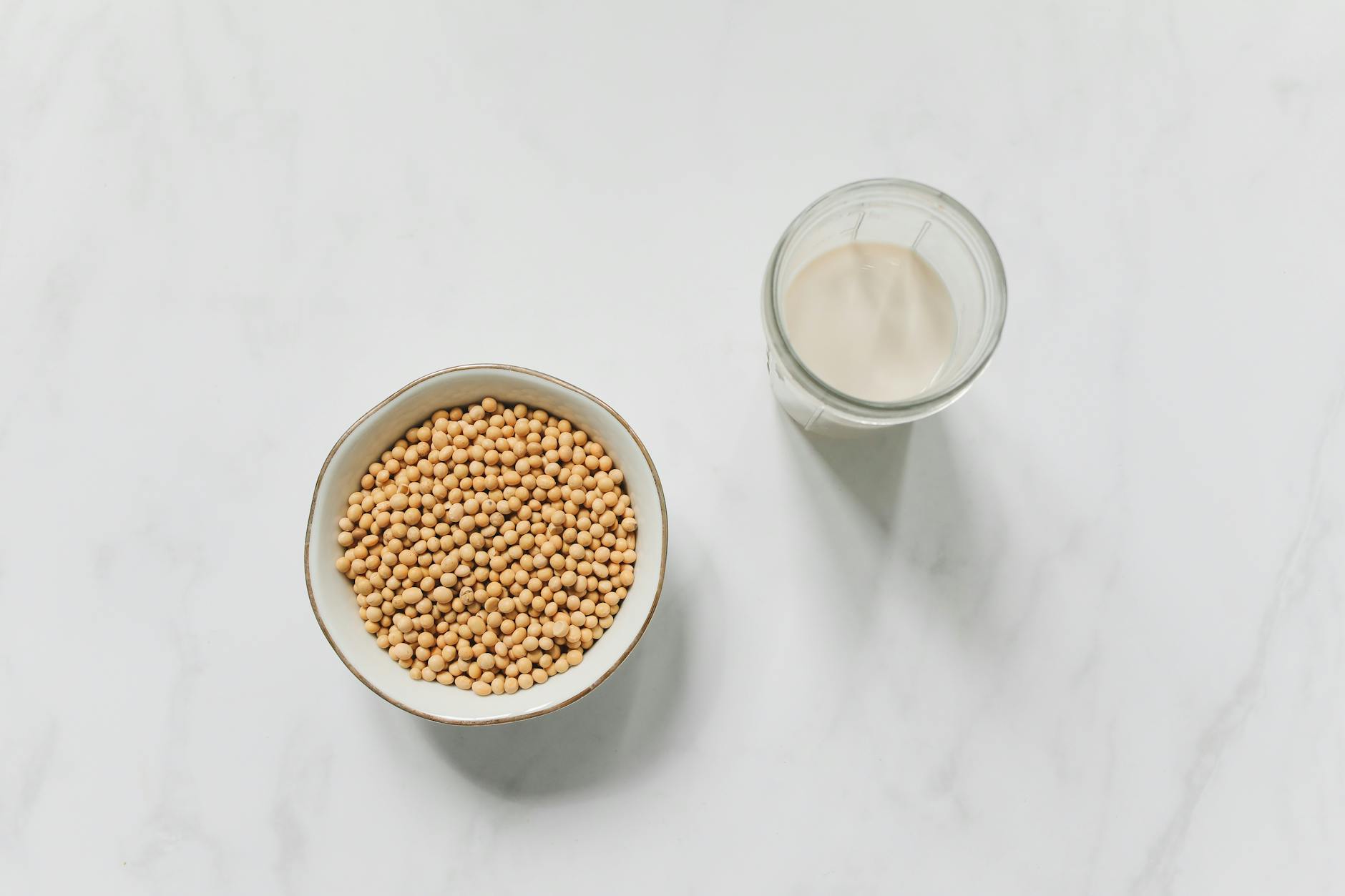
While a high-protein diet can be a powerful tool for body composition and metabolic health, it is not universally appropriate. A responsible approach requires understanding the physiological context and potential risks. The evidence supporting increased protein intake for muscle protein synthesis and satiety in healthy, active individuals is robust. However, the long-term effects of very high protein consumption (exceeding 2.0 g/kg of body weight daily) in the general population remain an area of ongoing research, with some studies suggesting potential strain on renal and hepatic function in susceptible individuals.
It is crucial to distinguish between adding protein to a balanced diet and drastically displacing other essential macronutrients. A diet excessively low in carbohydrates or fiber, often an unintended consequence of poorly planned high-protein regimens, can lead to constipation, micronutrient deficiencies, and unsustainable energy levels.
You should consult a physician or a registered dietitian before significantly altering your protein intake if you have any of the following conditions or circumstances:
- Pre-existing kidney disease or a history of kidney stones.
- Liver disease, as impaired hepatic function affects ammonia metabolism.
- Pregnancy or lactation, where nutritional needs are highly specific and should be managed professionally.
- A personal or family history of metabolic disorders (e.g., phenylketonuria).
- You are taking multiple medications (polypharmacy), as dietary changes can alter drug metabolism.
- A history of or current eating disorders; focusing intensely on macronutrients can exacerbate disordered patterns.
Furthermore, if you experience symptoms such as unexplained fatigue, changes in urination, persistent digestive discomfort, or unusual pain after adopting a new dietary pattern, discontinue the approach and seek medical evaluation. The goal of nutritional change is to support long-term health, which requires a foundation of safety and individualization that only a qualified healthcare provider can help establish.
6. Questions & Expert Insights
Is a high-protein diet safe for everyone, or are there people who should avoid it?
While generally safe for healthy individuals, a high-protein dietary approach is not appropriate for everyone and carries specific risks. Individuals with pre-existing kidney disease or significantly reduced kidney function should avoid high-protein diets without direct medical supervision, as they can exacerbate renal strain. Those with liver disease or certain metabolic disorders (e.g., phenylketonuria) also require caution. Furthermore, a singular focus on protein can sometimes lead to inadequate intake of other essential nutrients like fiber, found in fruits, vegetables, and whole grains, potentially causing digestive issues. It's crucial to view high-protein intake as part of a balanced diet, not a replacement for other food groups.
How much protein do I actually need, and is more always better?
Protein needs are highly individual, based on age, sex, body weight, and activity level. General guidelines suggest 0.8 grams per kilogram of body weight for sedentary adults. However, for individuals engaged in regular resistance training or seeking body recomposition, evidence supports intakes in the range of 1.2 to 2.0 grams per kilogram. It's important to note that beyond a certain threshold—often around 2.0 g/kg for most active people—additional protein provides diminishing returns for muscle synthesis and may simply be converted to energy or stored. The body has a limited capacity to utilize protein for muscle building at any given meal, so spreading intake evenly throughout the day is often more effective than consuming one massive protein dose.
When should I talk to my doctor or a dietitian before starting a high-protein meal plan?
Consult a healthcare professional before making significant dietary changes if you have any chronic health conditions, take regular medications, or are pregnant/breastfeeding. Specifically, schedule a conversation if you have a history of kidney or liver disease, osteoporosis, or a disordered eating pattern. Come to the appointment prepared. Bring a typical day's meal plan from the prep guide, a list of your current medications and supplements, and any recent lab results (if available). Be ready to discuss your specific health goals. This allows your provider to give personalized, safe advice that considers your full health profile, rather than generic recommendations.
Are there any long-term side effects of following a high-protein diet?
The long-term data on very high-protein diets in otherwise healthy populations is mixed and often limited by study duration. Potential concerns that merit consideration include the impact on renal function over decades, bone health (if protein intake displaces calcium-rich foods), and cardiovascular risk if the protein sources are high in saturated fats. Some observational studies have linked very high red and processed meat consumption to certain health risks, though confounding factors are present. The key for long-term safety appears to be source and balance. Prioritizing lean meats, fish, legumes, and dairy, while maintaining ample fruit, vegetable, and whole grain intake, is a more evidence-supported approach than indiscriminately increasing protein from any source.
7. In-site article recommendations
8. External article recommendations
9. External resources
The links below point to reputable medical and evidence-based resources that can be used for further reading. Always interpret them in the context of your own situation and your clinician’s advice.
-
healthline healthline.comhigh-protein meal prep – Healthline (search)
-
mayoclinic mayoclinic.orghigh-protein meal prep – Mayo Clinic (search)
-
drugs drugs.comhigh-protein meal prep – Drugs.com (search)
These external resources are maintained by third-party organisations. Their content does not represent the editorial position of this site and is provided solely to support readers in accessing additional professional information.