
1. Introduction to Turmeric and the Mediterranean Diet Context

The Mediterranean diet is widely recognized as a model of healthy eating, supported by decades of observational and clinical research. Its core principles emphasize a high intake of vegetables, fruits, whole grains, legumes, nuts, and olive oil, with moderate consumption of fish and poultry, and limited intake of red meat and processed foods. This pattern is consistently associated with reduced risks of cardiovascular disease, type 2 diabetes, and certain cancers.
Turmeric, the vibrant yellow spice derived from the rhizome of Curcuma longa, has a parallel history of traditional use and growing scientific interest. Its primary bioactive compound, curcumin, has been studied for its anti-inflammatory and antioxidant properties in laboratory and animal models. However, it is crucial to distinguish this preclinical promise from clinical evidence in humans.
- Strong Evidence: The Mediterranean diet's benefits for cardiometabolic health are well-established through large, long-term studies.
- Emerging/Mixed Evidence for Turmeric: Human trials on curcumin show potential for reducing markers of inflammation and pain in conditions like osteoarthritis, but results are mixed, study sizes are often small, and long-term effects are not fully known.
- A Key Limitation: Curcumin has very low bioavailability on its own, meaning it is poorly absorbed by the body. This is a critical consideration when evaluating its potential health impact from dietary use.
Integrating turmeric into a Mediterranean dietary framework represents a logical synergy. It involves adding a spice with investigational bioactive properties to a dietary pattern with proven health benefits. The approach focuses on culinary enhancement and potential complementary effects, rather than relying on turmeric as a standalone solution.
Clinical Perspective: From a medical standpoint, incorporating turmeric as a spice in food is generally considered safe for most people. However, its pharmacological effects warrant caution in specific situations. Individuals with gallbladder disease, those on anticoagulant medications (like warfarin), or individuals preparing for surgery should consult a physician, as curcumin may theoretically affect bile flow and platelet function. Furthermore, the low bioavailability from dietary sources significantly limits the risk—and potential benefit—compared to high-dose, bioenhanced supplements, which should only be used under medical supervision.
This chapter sets the context for a practical, evidence-informed exploration of how to incorporate turmeric into Mediterranean-inspired meals, with a clear understanding of both the robust dietary science and the nuanced evidence surrounding the spice itself.
2. Evidence and Mechanisms of Turmeric Integration

The integration of turmeric into a Mediterranean dietary pattern is supported by a compelling, though nuanced, body of evidence. The primary bioactive compound in turmeric, curcumin, is the subject of extensive research for its anti-inflammatory and antioxidant properties. These mechanisms align synergistically with the foundational benefits of the Mediterranean diet, which is rich in polyphenols, healthy fats, and fiber.
From a mechanistic standpoint, curcumin is understood to modulate several inflammatory pathways at the cellular level, including the downregulation of NF-κB and the inhibition of pro-inflammatory enzymes like cyclooxygenase-2 (COX-2). This complements the diet's inherent anti-inflammatory effects, primarily attributed to omega-3 fatty acids from fish and monounsaturated fats from olive oil.
Expert Insight: It is critical to distinguish between mechanistic studies, which show promising biological activity, and large-scale, long-term human outcome trials, which are more limited. Most high-quality evidence for turmeric/curcumin pertains to specific inflammatory conditions like osteoarthritis or metabolic parameters, not necessarily to general wellness in healthy populations. The integration is a rational, evidence-informed strategy, not a guaranteed therapeutic intervention.
The evidence for health outcomes can be categorized as follows:
- Stronger Evidence: Systematic reviews and meta-analyses consistently show that curcumin supplementation can reduce pain and improve function in knee osteoarthritis, with an effect size comparable to some NSAIDs. Evidence also supports modest improvements in markers of systemic inflammation (e.g., CRP) and oxidative stress.
- Mixed or Preliminary Evidence: Data on benefits for cognitive function, cardiovascular disease prevention, and mood are intriguing but not yet conclusive. Many studies are small, short-term, or conducted in specific patient groups, making broad generalizations premature.
A key practical consideration is bioavailability. Curcumin is poorly absorbed on its own. The Mediterranean diet offers natural enhancers:
- Piperine: Found in black pepper, it can increase curcumin absorption by up to 2000%.
- Healthy Fats: Consuming turmeric with olive oil or fatty fish aids its absorption, as curcumin is fat-soluble.
Who should exercise caution? Individuals with gallbladder disease, bile duct obstruction, or who are on anticoagulant/antiplatelet medications (e.g., warfarin, clopidogrel) should consult a physician, as curcumin may theoretically increase the risk of bleeding or gallstone complications. Those preparing for surgery should also disclose its use.
3. Risks and Populations to Avoid Turmeric Integration

While integrating turmeric into a Mediterranean diet is generally safe for most people when used as a culinary spice, certain populations and health conditions warrant caution. The primary concern stems from curcumin, the active compound in turmeric, which can interact with physiological processes and medications.
Medication Interactions
The most well-documented risk involves drug interactions. Turmeric, particularly in concentrated supplement form, can interfere with the metabolism and efficacy of several common medications. The evidence for this interaction is strong and clinically significant.
- Anticoagulants/Antiplatelets (e.g., Warfarin, Clopidogrel, Aspirin): Turmeric may enhance the anti-clotting effect, increasing the risk of bleeding and bruising.
- Diabetes Medications: It may potentiate the blood sugar-lowering effects of drugs like metformin or insulin, raising the risk of hypoglycemia.
- Acid-Reducing Drugs (e.g., Omeprazole, Famotidine): Turmeric can stimulate stomach acid production, potentially counteracting these medications.
Clinical Insight: The risk from culinary use in food is lower than from high-dose supplements. However, patients on the above medications should inform their physician before making turmeric a daily staple. A sudden, significant increase in dietary turmeric could be problematic, especially around surgical procedures.
Specific Populations to Exercise Caution
Individuals with the following conditions should consult a healthcare provider before significantly increasing turmeric intake:
- Gallbladder Disease: Turmeric may stimulate bile production, which can worsen symptoms in individuals with bile duct obstruction or gallstones.
- Kidney Stones: Turmeric is high in oxalates, which can contribute to the formation of calcium oxalate stones in susceptible individuals.
- Iron Deficiency: Some evidence suggests curcumin may chelate iron and inhibit its absorption, which could be a concern for those with anemia.
- Pregnancy and Lactation: While culinary amounts in food are likely safe, high doses or supplements are not recommended due to limited safety data. Turmeric may also stimulate the uterus.
Digestive Side Effects and Allergies
At high doses, turmeric can cause gastrointestinal discomfort, including nausea, diarrhea, or acid reflux in some individuals. True allergic reactions are rare but possible. The evidence for these side effects is primarily anecdotal or from supplement trials, but they are plausible.
The key takeaway is that moderation within a dietary context is crucial. For most, sprinkling turmeric into dishes poses minimal risk. However, if you have a chronic health condition, are taking long-term medications, or are considering turmeric supplements, a discussion with your doctor or a registered dietitian is an essential first step.
4. Practical Takeaways for Incorporating Turmeric
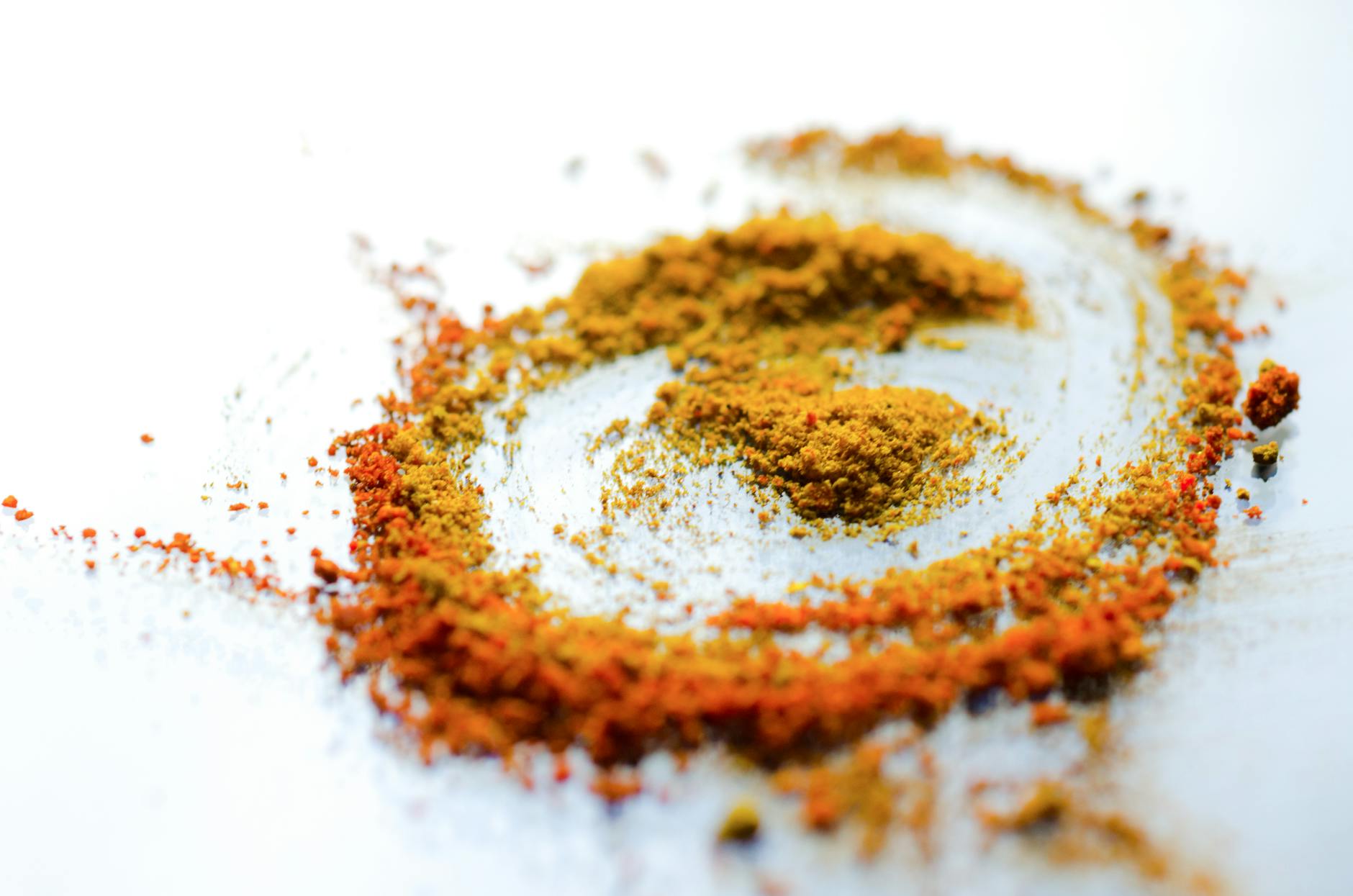
Integrating turmeric into a Mediterranean dietary pattern is a practical synergy. The focus should be on culinary enhancement and bioavailability, not on seeking therapeutic doses from food alone. The evidence for turmeric's anti-inflammatory and antioxidant properties is promising in laboratory and some clinical settings, but the evidence for health benefits from culinary amounts consumed in a mixed diet is more preliminary.
To effectively incorporate it, consider these evidence-based strategies:
- Pair with Fat: Curcumin, turmeric's primary bioactive compound, is fat-soluble. Adding turmeric to dishes cooked with heart-healthy fats like extra virgin olive oil significantly enhances its absorption.
- Add Black Pepper: Piperine in black pepper inhibits metabolic breakdown of curcumin, increasing its bioavailability by up to 2000%. A pinch of black pepper in any turmeric-spiced dish is a simple, powerful step.
- Use Heat: Gently sautéing turmeric powder in oil for a minute at the start of cooking can help extract curcumin, though prolonged high heat may degrade some compounds.
Practical applications within Mediterranean cuisine are straightforward. Stir a teaspoon into salad dressings based on olive oil and lemon juice. Blend it into hummus, tzatziki, or yogurt-based dips. It adds depth to lentil soups, vegetable stews, and roasted vegetable medleys. A small amount can be mixed into whole-grain dishes like quinoa or farro pilaf.
Clinical Perspective: From a dietary standpoint, turmeric is generally recognized as safe. However, its culinary use is distinct from high-dose supplementation. Individuals with gallbladder disease, bile duct obstruction, or who are on anticoagulant/antiplatelet medications (e.g., warfarin, clopidogrel) should exercise caution, as curcumin may have mild blood-thinning effects. Those with iron deficiency should note that curcumin can inhibit non-heme iron absorption. Always consult a physician or registered dietitian before making significant dietary changes, especially if managing a chronic health condition.
The key takeaway is consistency over quantity. Regularly including a modest amount (e.g., ½ to 1 teaspoon daily) in meals prepared with its bioavailability partners—fat and pepper—is a sustainable, low-risk approach to potentially augment the already robust health profile of the Mediterranean diet.
5. Safety Considerations and When to Consult a Healthcare Provider
While incorporating turmeric into a Mediterranean diet is generally considered safe for most people when used as a culinary spice, a responsible approach requires awareness of potential interactions and contraindications. The primary active compound, curcumin, can affect biological pathways and may not be appropriate for everyone, especially when consumed in concentrated supplemental forms.
Key Populations for Caution
Certain individuals should exercise particular caution and consult a healthcare provider before significantly increasing turmeric intake or using supplements:
- Individuals on Anticoagulant/Antiplatelet Therapy: Curcumin has demonstrated antiplatelet effects in laboratory and some animal studies. While evidence from large human trials is limited, there is a theoretical risk of increased bleeding when combined with drugs like warfarin, clopidogrel, or aspirin.
- Those with Gallbladder Disease or Bile Duct Obstruction: Turmeric is a known choleretic, meaning it can stimulate bile production. This could precipitate pain or complications in individuals with gallstones or obstructive conditions.
- People with Gastroesophageal Reflux Disease (GERD) or Peptic Ulcers: In some individuals, high doses of turmeric can cause gastrointestinal upset, including acid reflux or stomach irritation.
- Individuals Preparing for Surgery: Due to its potential blood-thinning properties, it is commonly advised to discontinue high-dose turmeric or curcumin supplements at least two weeks prior to any scheduled surgical procedure.
- Those with Iron Deficiency: Some preclinical data suggests curcumin may chelate iron and could potentially interfere with absorption, a consideration for individuals with anemia.
Clinical Insight: The distinction between dietary and supplemental use is critical. The amounts of curcumin in food are orders of magnitude lower than in extracts. Most safety concerns are associated with high-dose, long-term supplement use. However, a clinician's assessment is vital for individuals with the conditions listed above, as even culinary-level intake could be a contributing factor in a complex health picture.
Drug Interactions and Supplement Quality
Beyond blood thinners, preliminary research suggests curcumin may interact with drugs metabolized by specific liver enzymes (e.g., CYP450), potentially altering their efficacy. This includes some chemotherapy agents, statins, and antidepressants. Furthermore, the supplement market is not uniformly regulated; product quality, purity, and stated curcuminoid content can vary significantly, introducing unknown risks.
The prudent approach is to view turmeric as a beneficial culinary addition within a balanced diet, not a substitute for medical treatment. If you are considering turmeric supplements for a specific health purpose, have a chronic medical condition, or are taking any regular medications, a consultation with your physician or a registered dietitian is an essential first step.
6. Questions & Expert Insights
Is there strong evidence that adding turmeric to a Mediterranean diet provides extra health benefits?
The Mediterranean diet itself is one of the most robustly supported dietary patterns for long-term health, linked to reduced risks of cardiovascular disease, cognitive decline, and certain cancers. The evidence for adding turmeric (specifically its active compound, curcumin) is more preliminary. Laboratory and some human studies suggest curcumin has anti-inflammatory and antioxidant properties. However, its bioavailability is very low when consumed alone. Pairing it with black pepper (piperine) and fats—as naturally occurs in many Mediterranean dishes like olive oil-based sauces—can enhance absorption. While this synergy is promising, most large-scale, long-term trials have studied the Mediterranean diet or curcumin supplements separately. Integrating turmeric into this already-healthy pattern is a sensible, culinary-focused approach, but it should not be viewed as a guaranteed "boost" beyond the diet's proven foundation.
What are the risks or side effects of regularly consuming turmeric in food?
When used in culinary amounts (typically 1-3 grams of the powdered root per day), turmeric is generally very safe for most people. The primary risks are associated with very high intakes, concentrated extracts, or specific populations. Turmeric may have mild blood-thinning properties and could theoretically interact with anticoagulant medications like warfarin. It can also stimulate stomach acid production, potentially aggravating GERD or ulcers in sensitive individuals. High doses have been linked to cases of liver toxicity in rare instances, particularly with supplement forms. Those with gallbladder disease, bile duct obstruction, or who are prone to kidney stones (oxalate type) should exercise caution, as turmeric can exacerbate these conditions. Gastrointestinal upset or diarrhea can occur with excessive intake.
Who should avoid increasing their turmeric intake or talk to a doctor first?
Several groups should consult a healthcare provider before making turmeric a regular dietary staple. This includes:
- Individuals on medications: Especially anticoagulants (blood thinners), antiplatelet drugs, diabetes medications, or drugs that affect liver enzymes.
- People with certain medical conditions: Such as gallbladder disease, bile duct obstruction, gastroesophageal reflux disease (GERD), active ulcers, iron deficiency, or a history of oxalate kidney stones.
- Those scheduled for surgery: Due to potential effects on bleeding, it's often advised to stop high intake 1-2 weeks prior.
- Pregnant and breastfeeding women: While culinary amounts in food are likely safe, medicinal doses are not recommended due to limited safety data.
How should I prepare for a conversation with my doctor about integrating turmeric into my diet?
To have a productive and safe discussion, come prepared with specific information. First, clarify your goal: are you using it for general wellness or targeting a specific concern like joint discomfort? Be ready to describe the form (powdered spice in food vs. supplement), estimated dose (e.g., "about a teaspoon daily in my cooking"), and how you consume it (e.g., "always with olive oil and black pepper"). Crucially, bring a complete list of all medications and supplements you take, including dosages. This allows your doctor to assess potential interactions. Finally, disclose your full medical history, including any issues with bleeding, liver, gallbladder, kidneys, or stomach. This enables a personalized risk-benefit assessment, ensuring your dietary exploration supports your overall health plan safely.
7. In-site article recommendations
8. External article recommendations
9. External resources
The links below point to reputable medical and evidence-based resources that can be used for further reading. Always interpret them in the context of your own situation and your clinician’s advice.
-
healthline healthline.comturmeric integration – Healthline (search)
-
mayoclinic mayoclinic.orgturmeric integration – Mayo Clinic (search)
-
examine examine.comturmeric integration – Examine.com (search)
These external resources are maintained by third-party organisations. Their content does not represent the editorial position of this site and is provided solely to support readers in accessing additional professional information.