
1. Introduction to Chia Seeds and Common Oversights

Chia seeds (Salvia hispanica L.) have transitioned from an ancient Mesoamerican staple to a modern "superfood," celebrated primarily for their high content of soluble fiber, plant-based omega-3 fatty acids (alpha-linolenic acid, or ALA), and minerals like calcium and magnesium. The evidence supporting their benefits for digestive regularity and as a source of certain nutrients is robust. However, a significant gap exists between their potential and how they are commonly used, leading many to miss out on their full nutritional value or, in some cases, experience adverse effects.
The most prevalent oversight is the failure to properly hydrate chia seeds before consumption. Consuming dry seeds, especially in large quantities, poses a risk. Their exceptional water-absorbing capacity can lead to gastrointestinal obstruction or significant discomfort if they expand within the esophagus or digestive tract. This is not merely theoretical; case reports in the medical literature document such incidents, particularly in individuals with a history of swallowing difficulties or narrowed esophageal passages.
Beyond safety, proper preparation is key to unlocking nutritional benefits. Soaking chia seeds forms a gel, which:
- Enhances the bioavailability of nutrients by initiating enzymatic activity.
- Creates a soluble fiber matrix that can more effectively modulate blood sugar response and promote satiety.
- Makes the seeds far easier to digest and integrate into various foods and beverages.
Another common misconception involves the omega-3 fatty acids. While chia seeds are an excellent plant-based source of ALA, the human body's conversion of ALA to the more bioactive forms, EPA and DHA, is inefficient. Therefore, while beneficial for overall fatty acid intake, they are not a direct substitute for marine sources of omega-3s in the diet.
Clinical Note: Individuals with dysphagia, gastrointestinal strictures, or a history of bowel obstructions should exercise extreme caution and consult a gastroenterologist before incorporating chia seeds. Furthermore, due to their high fiber content, introducing them gradually is crucial to avoid bloating and gas. Those on blood-thinning medications or with upcoming surgical procedures should discuss chia seed intake with their physician, as the ALA content may theoretically affect platelet aggregation, though clinical significance at dietary doses is typically low.
This chapter sets the stage for a detailed, evidence-based exploration of how to correctly prepare, dose, and combine chia seeds to maximize their health contributions while minimizing risks—addressing the critical steps that most casual users overlook.
2. Scientific Evidence and Mechanisms of Chia Seed Benefits
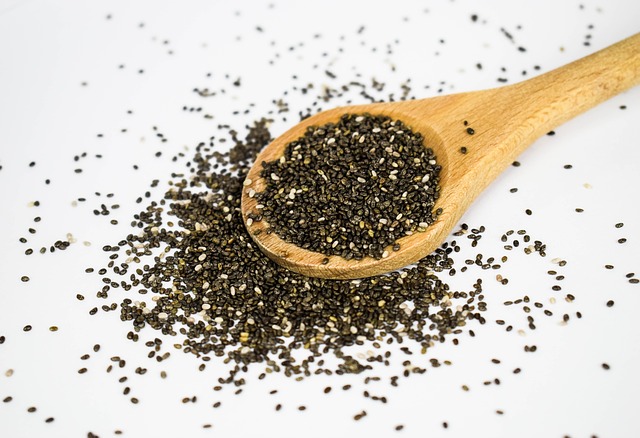
The purported health benefits of chia seeds are primarily attributed to their unique nutritional composition, which includes high levels of soluble fiber, alpha-linolenic acid (ALA, an omega-3 fatty acid), protein, and various micronutrients. The scientific evidence supporting these benefits varies in strength, with the most robust data linked to specific physiological mechanisms.
Strong Evidence for Established Mechanisms
Several mechanisms are well-understood and supported by consistent clinical research:
- Glycemic Control: The soluble fiber (mucilage) forms a gel in the stomach, slowing carbohydrate digestion and absorption. Multiple randomized controlled trials (RCTs) show this can moderate postprandial blood glucose spikes, which is relevant for metabolic health.
- Lipid Profile Modulation: Meta-analyses of RCTs indicate a consistent, modest reduction in LDL ("bad") cholesterol and triglycerides with regular chia seed consumption, likely due to the combined effects of fiber and ALA.
- Promotion of Satiety and Weight Management: The high fiber and protein content increases feelings of fullness (satiety), which can support reduced calorie intake. Evidence here is supportive, though long-term weight loss studies are more limited.
Areas with Preliminary or Mixed Evidence
Other potential benefits, while biologically plausible, require more high-quality, long-term human studies for confirmation:
- Anti-inflammatory Effects: The ALA in chia is a precursor to anti-inflammatory compounds. While some biomarkers (like C-reactive protein) may improve, the clinical translation to reduced inflammation in chronic diseases is not yet firmly established.
- Blood Pressure Reduction: Findings are inconsistent. Some short-term trials show a modest effect, potentially from fiber, protein, and minerals, while others show no significant change.
- Direct Cardiovascular or Bone Health Outcomes: Claims about preventing heart attacks or osteoporosis are extrapolations from intermediate markers (like lipid profiles or mineral content). No long-term RCTs confirm chia seeds directly reduce these clinical endpoints.
Clinical Perspective: From an evidence-based standpoint, chia seeds are best viewed as a nutrient-dense food that can effectively contribute to a heart-healthy, high-fiber diet. Their mechanistic benefits for glycemic and lipid control are clear. However, they are not a standalone "treatment" for any medical condition. The evidence is strongest for their role as part of a broader dietary pattern.
Important Cautions: Individuals with swallowing difficulties, esophageal strictures, or significant gastrointestinal disorders should use caution due to the gel-forming property. Those on blood-thinning medication or with upcoming surgery should discuss ALA intake with a doctor due to its theoretical effect on clotting. Always consume chia seeds with ample fluid to prevent gastrointestinal blockage.
3. Potential Risks and Contraindications of Chia Seed Consumption

While chia seeds are a nutrient-dense food with a strong safety profile for most people, responsible consumption requires awareness of specific physiological risks and clinical contraindications. Overlooking these can lead to adverse effects, particularly when intake is not properly managed.
Primary Gastrointestinal and Mechanical Risks
The most common adverse effects are gastrointestinal, stemming from their exceptional fiber content. A single ounce (28 grams) provides about 10 grams of fiber. A sudden, large increase in fiber intake can cause:
- Bloating, gas, and abdominal discomfort
- Constipation or diarrhea, depending on individual gut motility and hydration status
This risk is amplified if seeds are consumed dry without sufficient fluid. Chia seeds absorb 10–12 times their weight in water. Ingesting dry seeds followed by a drink may not provide adequate hydration in the esophagus or stomach, posing a theoretical risk of esophageal obstruction. Case reports exist, primarily involving individuals with pre-existing swallowing difficulties. The clinical recommendation is to always consume chia seeds pre-soaked or thoroughly mixed into a wet food like yogurt or oatmeal.
Specific Medical Contraindications and Drug Interactions
Certain populations and conditions warrant caution or medical consultation before regular consumption:
- Individuals with dysphagia or esophageal strictures: Should avoid dry chia seeds entirely; pre-soaked forms may still require caution.
- Those with inflammatory bowel disease (IBD), diverticulitis, or a history of bowel obstruction: The high fiber load may exacerbate symptoms during flare-ups. Guidance from a gastroenterologist is essential.
- People on anticoagulant (blood-thinning) medications like warfarin: Chia seeds are a source of alpha-linolenic acid (ALA) and vitamin K. While evidence for a clinically significant interaction is limited and mixed, consistent daily intake could theoretically affect vitamin K levels and INR. Patients must inform their physician and have their INR monitored closely if adding chia seeds to their diet.
- Individuals with known seed allergies: Though rare, allergic reactions to chia seeds have been documented. Those with allergies to mustard, sesame, or other seeds may be at higher risk.
- People preparing for surgery: Due to the potential, albeit theoretical, effect on bleeding, it is often prudent to discontinue chia seed consumption 1–2 weeks prior to elective surgical procedures, as per surgeon or anesthesiologist advice.
The overarching principle is that chia seeds are a food, not a medicine, but their potent nutritional profile means they must be integrated thoughtfully into the diet, with particular attention to individual medical history and current medications.
4. Evidence-Based Recommendations for Maximizing Chia Seed Benefits

To translate the nutritional potential of chia seeds into tangible health benefits, application must be guided by evidence. The most robust data supports their role in improving satiety and managing postprandial blood glucose, which hinges on proper preparation.
1. Prioritize Hydration Before Consumption
The strongest recommendation is to consume chia seeds pre-hydrated. Soaking 1-2 tablespoons (10-25 grams) in at least 1 cup (240 ml) of water, plant-based milk, or yogurt for 15-30 minutes forms a gel. This gel:
- Enhances Satiety: The soluble fiber absorbs fluid, expanding in the stomach to promote a feeling of fullness, which may support weight management as part of a calorie-controlled diet.
- Moderates Glycemic Response: The gel matrix can slow the digestion of co-consumed carbohydrates, helping to prevent sharp spikes in blood sugar.
- Improves Digestive Tolerance: Pre-soaking initiates the breakdown of fiber, reducing the risk of gastrointestinal discomfort, such as bloating or gas, that can occur when consuming dry seeds with insufficient fluid.
2. Integrate into a Balanced Dietary Pattern
Chia seeds are a supplement to, not a replacement for, a healthy diet. Evidence for benefits like reduced cardiovascular risk factors is most consistent when they are incorporated into an overall pattern rich in fruits, vegetables, whole grains, and lean proteins. Consider adding the prepared gel to:
- Oatmeal or smoothies for breakfast.
- Salad dressings or as a thickener for soups.
- Homemade energy bars or puddings.
3. Adhere to a Moderate, Consistent Dosage
More is not necessarily better. Clinical trials demonstrating benefits typically use doses of 25-50 grams per day, split into two servings. Consistently including 1-2 tablespoons daily is a sustainable and evidence-informed approach to increase fiber, omega-3 (ALA), and mineral intake.
Clinical Insight: The cardiovascular and anti-inflammatory benefits are primarily attributed to the alpha-linolenic acid (ALA) and fiber. However, the conversion of ALA to the more active EPA and DHA in the body is inefficient. Chia seeds are a valuable plant-based source but should not be considered a direct substitute for marine-derived omega-3s in therapeutic contexts. Individuals on blood-thinning medications or with swallowing difficulties should consult a physician before regular consumption.
Cautions & Contraindications: Due to their high fiber content, increase intake gradually with ample fluids. Individuals with a history of bowel obstruction, dysphagia, or those about to undergo surgery should avoid chia seeds. Those with diagnosed hypertension or kidney disease should be mindful of the natural sodium and mineral content if consuming very large quantities. Always discuss significant dietary changes with a healthcare provider.
5. When to Seek Medical Advice Regarding Chia Seed Use
While chia seeds are generally safe for most people when consumed as part of a balanced diet, their unique properties necessitate medical consultation for specific individuals. The high fiber and gelling capacity that confer their benefits can also pose risks in certain clinical contexts. A proactive discussion with a healthcare provider is the most responsible approach to integrating them into your regimen.
You should seek medical advice before significantly increasing your chia seed intake if you have any of the following conditions or circumstances:
- Gastrointestinal Disorders: Individuals with a history of inflammatory bowel disease (IBD), such as Crohn's disease or ulcerative colitis, diverticulitis, or a recent bowel obstruction should consult a gastroenterologist. The rapid expansion of chia seeds and their high insoluble fiber content can exacerbate symptoms or cause blockages in susceptible individuals.
- Dysphagia or Swallowing Difficulties: Chia seeds must be consumed with ample liquid. Dry seeds can absorb saliva and swell in the esophagus, posing a significant choking hazard or risk of impaction. This is a critical safety consideration for older adults or anyone with swallowing impairments.
- Blood Pressure or Bleeding Disorders: Preliminary in vitro and animal studies suggest chia seeds may have blood-thinning and hypotensive effects. While evidence in humans is limited and mixed, individuals on anticoagulant (e.g., warfarin) or antihypertensive medications, or those with bleeding disorders, should discuss potential interactions with their doctor.
- Upcoming Surgical Procedures: Due to the theoretical risk of affecting blood clotting and pressure, it is often recommended to discontinue high-dose chia seed consumption at least two weeks prior to elective surgery. Always follow your surgeon's specific pre-operative instructions.
- Known Seed Allergies: Although rare, allergic reactions to chia seeds have been documented. Those with known allergies to mustard seeds, sesame seeds, or other related plants should exercise caution and may require allergy testing.
Clinical Perspective: From a practitioner's viewpoint, the primary concern is not the seed itself but its interaction with an individual's unique health landscape. A key question we ask is about medication and supplement regimens. The high fiber content can also bind to certain oral medications (e.g., for diabetes, thyroid, or heart conditions) and reduce their absorption if taken simultaneously. The safest practice is to consume chia seeds several hours apart from any prescription drugs.
For the general population, introducing chia seeds gradually—starting with one teaspoon daily with plenty of water—allows the gastrointestinal system to adapt. However, if you experience severe abdominal pain, bloating, constipation, or signs of an allergic reaction after consumption, discontinue use and seek medical attention. Ultimately, a brief conversation with your physician or a registered dietitian can provide personalized guidance, ensuring you gain the nutritional benefits of chia seeds without unintended consequences.
6. Questions & Expert Insights
Is there a "best time" to consume chia seeds to maximize their benefits?
While some wellness trends suggest specific timing, the evidence for a particular "best time" is not robust. The primary benefits of chia seeds—such as increased fiber intake, omega-3 fatty acids, and prolonged satiety—are derived from their consistent inclusion in your diet, not the clock. Some preliminary research suggests that consuming soluble fiber like that in chia seeds with a meal may help moderate post-meal blood sugar spikes. A practical, evidence-informed approach is to incorporate them into meals where they can absorb liquid, such as in overnight oats, yogurt, or as a thickening agent in smoothies or soups. This preparation enhances their texture and may aid in the feeling of fullness. The key is regular consumption as part of a balanced diet, rather than focusing on a specific time of day.
What are the potential side effects or risks of adding chia seeds to my diet?
The most common issues are gastrointestinal, resulting from a sudden, large increase in fiber intake. This can cause bloating, gas, or abdominal discomfort. To mitigate this, start with a small amount (e.g., one teaspoon daily) and increase gradually over weeks while ensuring adequate hydration. A more serious, though rare, risk is esophageal obstruction. Chia seeds must always be consumed soaked or mixed into a food or liquid. Consuming dry chia seeds followed by a drink can cause them to form a gel-like bolus in the mouth or esophagus, posing a choking hazard or blockage, particularly for individuals with swallowing difficulties. Allergic reactions to chia seeds are uncommon but possible.
Who should be cautious or avoid consuming chia seeds?
Several groups should exercise caution or consult a doctor first. Individuals with a history of esophageal strictures, dysphagia (swallowing difficulties), or certain gastrointestinal disorders like Crohn's disease or diverticulitis (during a flare) should avoid them due to the obstruction risk or potential for irritation. Those with kidney disease need to be mindful of chia seeds' notable phosphorus content, which their bodies may not be able to excrete properly. People on blood-thinning medications (e.g., warfarin) or with bleeding disorders should discuss chia intake with their physician, as the ALA omega-3s may have mild antiplatelet effects, though the clinical significance from dietary amounts is typically low. Anyone with a known seed allergy should also avoid them.
When should I talk to my doctor about incorporating chia seeds, and what should I bring to that conversation?
Consult your physician or a registered dietitian if you have any of the chronic conditions mentioned above (kidney disease, GI disorders, bleeding disorders) or are on medications where diet interactions are a concern. Before the appointment, prepare a clear list: 1) Your current medications and supplements, including dosages. 2) Your typical daily diet pattern. 3) Your specific health goals (e.g., "lower cholesterol," "manage constipation"). 4) The amount and form (soaked, ground, etc.) of chia seeds you are considering using. This information allows your provider to give personalized, safe advice. They can help determine if chia seeds are appropriate for you, suggest a safe starting dose, and monitor for potential interactions or electrolyte imbalances, especially if you are increasing fiber significantly.
7. In-site article recommendations
8. External article recommendations
9. External resources
The links below point to reputable medical and evidence-based resources that can be used for further reading. Always interpret them in the context of your own situation and your clinician’s advice.
-
wikipedia wikipedia.orgchia seeds – Wikipedia (search)
-
mayoclinic mayoclinic.orgchia seeds – Mayo Clinic (search)
-
healthline healthline.comchia seeds – Healthline (search)
These external resources are maintained by third-party organisations. Their content does not represent the editorial position of this site and is provided solely to support readers in accessing additional professional information.