
1. Introduction to GLP-1 Agonists and Therapeutic Context

Glucagon-like peptide-1 (GLP-1) receptor agonists are a class of injectable medications that have become a cornerstone in the management of type 2 diabetes and, more recently, chronic weight management. Their therapeutic action is based on mimicking the effects of the natural incretin hormone GLP-1, which is released from the gut in response to food intake. This foundational mechanism underpins their dual benefits for metabolic health.
The primary, well-established pharmacological effects of GLP-1 agonists include:
- Glucose-Dependent Insulin Secretion: They enhance the release of insulin from pancreatic beta cells only when blood glucose levels are elevated, significantly reducing the risk of hypoglycemia compared to some other diabetes therapies.
- Suppression of Glucagon: They inhibit the secretion of glucagon, a hormone that raises blood sugar, particularly after meals.
- Slowed Gastric Emptying: This delays the absorption of nutrients, contributing to post-meal blood sugar control and promoting a feeling of fullness (satiety).
- Appetite Regulation: By acting on receptors in the brain's appetite centers, they reduce hunger and caloric intake.
While initially developed for glycemic control, the potent satiety and weight-loss effects observed in clinical trials led to their investigation and subsequent approval for obesity treatment. The evidence for their efficacy in reducing HbA1c and promoting significant weight loss is robust, supported by numerous large-scale, randomized controlled trials. Some agents within this class have also demonstrated cardiovascular outcome benefits in patients with type 2 diabetes and established cardiovascular disease, a finding that has solidified their role in treatment guidelines.
Clinical Context & Caution: It is crucial to understand that GLP-1 agonists are potent prescription medications, not lifestyle supplements. Their use requires careful patient selection and medical supervision. Individuals with a personal or family history of medullary thyroid carcinoma or Multiple Endocrine Neoplasia syndrome type 2 should not use these drugs due to a boxed warning. Caution is also advised for those with a history of pancreatitis, severe gastrointestinal disease, or kidney impairment. They are not indicated during pregnancy. Initiating or adjusting therapy should always be done under the guidance of a qualified healthcare professional who can evaluate individual risks and benefits.
This chapter establishes the scientific and clinical basis for GLP-1 agonist therapy. Understanding this context is the first step toward exploring how to optimize their therapeutic potential while proactively managing the side effects that can impact tolerability and long-term adherence.
2. Evidence-Based Mechanisms of GLP-1 Drug Action

Glucagon-like peptide-1 (GLP-1) receptor agonists, such as semaglutide and tirzepatide, are not simple appetite suppressants. Their therapeutic effects in type 2 diabetes and weight management stem from a multi-organ, integrated physiological response. Understanding these evidence-based mechanisms is key to appreciating their benefits and anticipating potential side effects.
Core Mechanisms with Strong Clinical Evidence
The most robustly documented actions of GLP-1 drugs include:
- Glucose-Dependent Insulin Secretion: They enhance insulin release from pancreatic beta cells only when blood glucose is elevated, which significantly reduces the risk of hypoglycemia compared to older diabetes medications.
- Suppression of Glucagon Secretion: They inhibit the release of glucagon, a hormone that raises blood sugar, from pancreatic alpha cells, further improving glycemic control.
- Gastric Emptying Delay: By slowing the rate at which food leaves the stomach, these drugs promote early satiety (feeling full) and help blunt post-meal blood sugar spikes.
- Central Appetite Regulation: They act directly on receptors in the hypothalamus and brainstem, key areas for appetite control, leading to reduced hunger and caloric intake.
Additional Effects and Emerging Understanding
Evidence is also accumulating for other systemic effects, though some data remain preliminary or are derived from specific populations.
- Cardiovascular Benefits: Large outcome trials have demonstrated reduced risk of major adverse cardiovascular events (MACE) in patients with type 2 diabetes and established cardiovascular disease. The mechanisms are likely multifactorial, involving improvements in weight, blood pressure, lipids, and direct effects on vascular inflammation and cardiac function.
- Potential Neuroprotective Effects: Preclinical and early clinical research suggests possible benefits in neurodegenerative conditions like Parkinson's and Alzheimer's disease, but this remains an area of active investigation and is not an approved use.
Clinical Insight: The delayed gastric emptying is a double-edged sword. While it aids satiety and glycemic control, it is a primary driver of common gastrointestinal side effects like nausea, vomiting, and constipation. Furthermore, this mechanism can alter the absorption rate of concurrently taken oral medications, necessitating careful review of a patient's entire medication regimen by their physician.
Individuals with a personal or family history of medullary thyroid carcinoma (MTC) or Multiple Endocrine Neoplasia syndrome type 2 (MEN 2) should not use GLP-1 receptor agonists due to a documented risk in rodent studies. Anyone with a history of pancreatitis, severe gastrointestinal disease, or kidney impairment should use these medications with caution and under close medical supervision, as side effects can exacerbate these conditions.
3. Potential Risks and Patient-Specific Contraindications

While GLP-1 receptor agonists (e.g., semaglutide, liraglutide, tirzepatide) are generally well-tolerated, their use is not without potential risks. A clear understanding of these risks and patient-specific contraindications is essential for safe and effective therapy. The most common adverse effects are gastrointestinal, including nausea, vomiting, diarrhea, and constipation. These are often dose-dependent and may subside over time, but they can be severe enough to necessitate dose reduction or discontinuation.
More serious, though rarer, risks require vigilant monitoring. These include:
- Pancreatitis: Patients should be advised to seek immediate medical attention for severe, persistent abdominal pain.
- Gallbladder Disease: An increased risk of cholelithiasis (gallstones) has been observed in clinical trials.
- Hypoglycemia: Risk is low when used as monotherapy but increases significantly when combined with insulin or sulfonylureas.
- Acute Kidney Injury: This can occur secondary to severe dehydration from GI side effects, particularly in vulnerable individuals.
- Diabetic Retinopathy Complications: In patients with type 2 diabetes, rapid improvement in glycemic control has been associated with a transient worsening of diabetic retinopathy in some major trials.
Clinical Insight: The decision to prescribe a GLP-1 agonist requires a thorough risk-benefit analysis. Clinicians must review a patient's full medical history, not just their weight or HbA1c. A key part of maximizing effectiveness is proactively managing expectations about common side effects and having a clear plan for mitigation, such as slow dose titration and dietary modifications.
There are also specific patient populations for whom these medications are contraindicated or require extreme caution:
- Personal or Family History of Medullary Thyroid Carcinoma (MTC): GLP-1 agonists are contraindicated in patients with a personal or family history of MTC or in patients with Multiple Endocrine Neoplasia syndrome type 2 (MEN 2). This is based on rodent studies; human relevance is uncertain but considered a serious precaution.
- History of Pancreatitis: Use is generally not recommended in patients with a history of pancreatitis.
- Severe Gastrointestinal Disease: Including gastroparesis, severe inflammatory bowel disease, or a history of major GI surgery.
- Pregnancy and Breastfeeding: Insufficient safety data exists; these drugs should not be used during pregnancy or lactation.
- Renal Impairment: Dose adjustment or avoidance may be necessary in patients with severe renal impairment or end-stage renal disease.
- History of Eating Disorders: The weight-loss effects could potentially exacerbate disordered eating patterns.
Ultimately, the foundation for maximizing benefit while minimizing harm is a transparent dialogue between patient and clinician. Any individual considering this therapy should undergo a comprehensive medical evaluation to identify potential contraindications and establish a personalized monitoring plan.
4. Practical Strategies for Optimizing GLP-1 Therapy
To maximize the therapeutic benefits of GLP-1 receptor agonists for weight management and glycemic control while minimizing adverse effects, a structured, evidence-based approach is essential. Success is rarely about the medication alone; it is the synergy between the drug and supportive lifestyle modifications.
Adherence to Dosing and Titration
Following the prescribed dosing schedule is foundational. These medications are typically initiated at a low dose and gradually increased—a process called titration. This slow escalation is a primary strategy for reducing gastrointestinal side effects like nausea, vomiting, and diarrhea. Do not accelerate the titration schedule without explicit guidance from your prescriber, as this significantly increases the risk of severe side effects.
Dietary Modifications to Mitigate Side Effects
Dietary adjustments are strongly supported by clinical experience and can directly impact tolerability.
- Meal Timing and Size: Inject your medication as directed, often with or before a meal. Consuming smaller, more frequent meals can help prevent the sensation of overfullness and nausea.
- Food Choices: Prioritize bland, low-fat foods when starting therapy or after a dose increase. High-fat, greasy, or very sugary foods are more likely to trigger gastrointestinal distress.
- Hydration: Drink water consistently throughout the day. This is crucial for managing potential constipation and supporting overall metabolism.
Integrating Sustainable Lifestyle Changes
The medication creates an opportunity for positive habit formation. Combining it with consistent physical activity and a balanced, nutrient-dense diet is associated with better long-term outcomes. Focus on incorporating sustainable changes you can maintain, rather than extreme restrictions.
Clinical Insight: The effectiveness of GLP-1 therapy is not solely measured by scale weight. Clinicians also monitor improvements in cardiometabolic markers (like blood pressure and cholesterol), reduction in cravings, and enhanced quality of life. Patients who view the medication as one tool within a broader health strategy typically experience more durable success and fewer side effects.
Important Cautions and Contraindications
These strategies are general guidance. Individuals with a history of pancreatitis, severe gastrointestinal disease (like gastroparesis), medullary thyroid carcinoma, or Multiple Endocrine Neoplasia syndrome type 2 should not use GLP-1 agonists. Those with kidney disease require careful monitoring. Always discuss any new symptoms, such as persistent severe abdominal pain, with your healthcare provider immediately.
Consult your physician or a registered dietitian before making significant dietary changes, especially if you have other underlying health conditions. They can provide personalized advice tailored to your medical history and treatment goals.
5. Safety Protocols and Indications for Medical Consultation
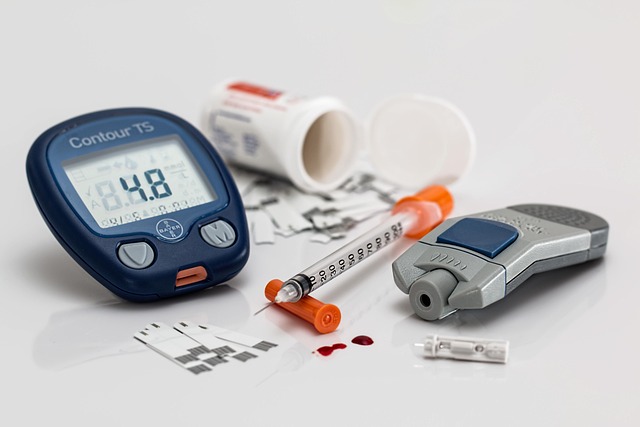
GLP-1 receptor agonists are powerful medications with a well-established safety profile, but their effectiveness is maximized when paired with vigilant safety protocols. A proactive approach to monitoring and clear guidelines for when to seek medical consultation are fundamental to responsible treatment.
Essential Safety Monitoring Protocols
Effective management involves structured monitoring to mitigate common side effects and identify rare but serious adverse events early.
- Gastrointestinal Tolerance: Nausea, vomiting, and diarrhea are common, especially during dose escalation. A slow, gradual titration schedule as per prescribing guidelines is the strongest evidence-based strategy to minimize these effects. Staying hydrated and eating smaller, bland meals can help manage symptoms.
- Hydration and Kidney Function: Dehydration from GI side effects can impact renal function. Patients should be advised on adequate fluid intake. Renal function (e.g., serum creatinine) is typically monitored at baseline and periodically thereafter, especially in individuals with pre-existing kidney disease.
- Hypoglycemia Awareness: When used alone, GLP-1 drugs carry a low risk of hypoglycemia. The risk increases significantly when combined with insulin or insulin secretagogues (e.g., sulfonylureas). Dose adjustments of these concomitant therapies are often necessary and must be done under medical supervision.
Clear Indications for Medical Consultation
Patients should be empowered to recognize signs that warrant immediate contact with their healthcare provider. Strong evidence supports the urgency of consultation for the following:
- Severe Abdominal Pain: Persistent, severe abdominal pain could indicate pancreatitis, a rare but serious potential adverse effect. This requires immediate evaluation.
- Symptoms of Gallbladder Disease: Sudden pain in the upper right abdomen, fever, or jaundice (yellowing of skin/eyes).
- Signs of an Allergic Reaction: Rash, itching, dizziness, or difficulty breathing following an injection.
- Severe Gastrointestinal Distress: Persistent vomiting or diarrhea leading to dizziness, lightheadedness, or an inability to keep fluids down, signaling dehydration.
- Vision Changes: Patients with a history of diabetic retinopathy should report any new or worsening vision problems, as rapid improvement in glucose control can sometimes temporarily affect retinopathy.
Who Should Exercise Particular Caution? Individuals with a personal or family history of medullary thyroid carcinoma (MTC) or Multiple Endocrine Neoplasia syndrome type 2 (MEN 2) should not use GLP-1 drugs. Those with a history of pancreatitis, severe gastrointestinal disease, or severe renal impairment require careful, specialist-led evaluation before initiation. Pregnant or breastfeeding individuals should consult their physician, as the safety profile in these populations is less established.
Ultimately, a successful treatment outcome depends on a collaborative partnership between the patient and their healthcare team, founded on clear communication and adherence to established safety guidelines.
6. Questions & Expert Insights
Can I really maximize the effectiveness of my GLP-1 medication without any side effects?
It is more accurate to aim for optimal effectiveness while minimizing side effects, as complete avoidance is often unrealistic. GLP-1 receptor agonists (e.g., semaglutide, tirzepatide) are potent medications, and gastrointestinal side effects like nausea, vomiting, and diarrhea are common, especially during dose escalation. The goal is to manage these to a tolerable level. Strategies strongly supported by evidence include strict adherence to the prescribed titration schedule, injecting the medication as recommended (often in the abdomen, thigh, or arm), and eating smaller, bland, low-fat meals when side effects are most likely. Hydration is critical. While these steps can significantly reduce discomfort, expecting zero side effects may set an unrealistic standard and could lead to inappropriate dosing or discontinuation.
What are the most significant risks, and who should be especially cautious or avoid this approach?
The most serious risks, though rare, include pancreatitis, gallbladder disease, and medullary thyroid carcinoma (a boxed warning for those with a personal or family history of MEN2 syndrome). A more common but serious risk is severe gastrointestinal illness, which can lead to dehydration and kidney injury. Individuals with a history of pancreatitis, severe gastroparesis, multiple endocrine neoplasia type 2 (MEN2), or a personal/family history of medullary thyroid carcinoma should avoid GLP-1 drugs. Extreme caution is required for those with a history of diabetic retinopathy (due to potential rapid glucose improvement), severe kidney disease, or a history of an eating disorder, as the appetite suppression can be harmful. Polypharmacy patients must review drug interactions with their pharmacist.
When should I definitely talk to my doctor, and how should I prepare for that conversation?
Contact your doctor immediately for severe abdominal pain, persistent vomiting, signs of pancreatitis, or symptoms of a severe allergic reaction. Schedule a proactive consultation if side effects are intolerable and impair daily function, if you are considering stopping the medication due to cost or discomfort, or if weight loss has plateaued for an extended period. To prepare, bring a log of your symptoms (timing, severity, relation to meals/dose), your current weight and blood glucose trends (if applicable), a list of all other medications and supplements, and your specific questions about dose timing or dietary adjustments. This data transforms a vague complaint into a focused clinical discussion, enabling your doctor to provide tailored advice on titration, adjunct therapies, or alternative options.
Beyond medication, what lifestyle factors are most critical for maximizing long-term effectiveness?
GLP-1 medications are tools that work synergistically with lifestyle; they are not replacements for it. The evidence is clear that the most significant and sustainable outcomes occur when medication is combined with foundational health behaviors. The highest-yield factors are: 1) Dietary Quality: Prioritizing adequate protein intake (to preserve lean muscle mass during weight loss) and fiber, while reducing ultra-processed foods and simple sugars. 2) Resistance Training: This is crucial to counteract the loss of muscle mass that can occur with rapid weight loss, improving metabolic rate and functional strength. 3) Sleep and Stress Management: Poor sleep and chronic stress can increase cortisol and hunger hormones, counteracting the medication's effects. While the drug provides a powerful biological assist, long-term success is built on these sustainable pillars.
7. In-site article recommendations
8. External article recommendations
9. External resources
The links below point to reputable medical and evidence-based resources that can be used for further reading. Always interpret them in the context of your own situation and your clinician’s advice.
-
healthline healthline.comGLP-1 agonists – Healthline (search)
-
mayoclinic mayoclinic.orgGLP-1 agonists – Mayo Clinic (search)
-
drugs drugs.comGLP-1 agonists – Drugs.com (search)
These external resources are maintained by third-party organisations. Their content does not represent the editorial position of this site and is provided solely to support readers in accessing additional professional information.