
1. Introduction to Zinc Supplementation and Gut Health
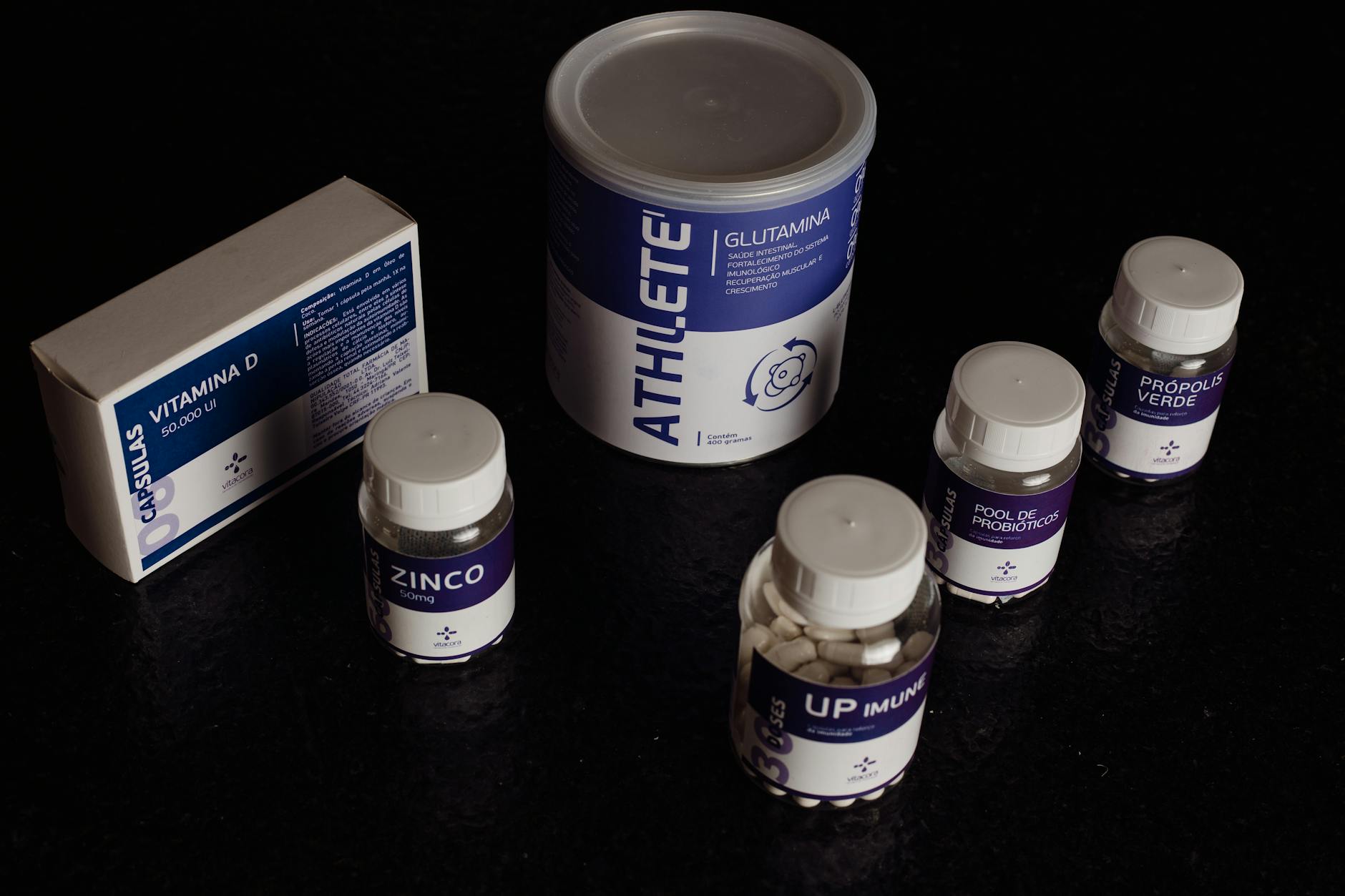
Zinc is an essential trace mineral, a cofactor for over 300 enzymes involved in immune function, protein synthesis, wound healing, and DNA synthesis. While dietary sources like oysters, red meat, and legumes are ideal, supplementation is common for addressing deficiency, supporting immune health, or managing specific conditions. However, the gastrointestinal (GI) tract is often the first site to signal when zinc intake exceeds physiological tolerance.
The relationship between zinc supplementation and gut health is complex and dose-dependent. At appropriate levels, zinc plays a crucial role in maintaining intestinal barrier integrity and modulating immune responses in the gut. Conversely, excessive intake, particularly from certain supplemental forms, can directly irritate the gastric mucosa.
The most common GI side effects associated with zinc supplements include:
- Nausea and Epigastric Discomfort: A direct irritant effect, often dose-related.
- Vomiting: Typically occurs with high single doses, especially on an empty stomach.
- Altered Taste (Dysgeusia): A metallic taste, often reported with zinc lozenges or high-dose supplements.
- Digestive Upset and Cramping: May result from the mineral's interaction with digestive processes.
It is critical to distinguish between strong evidence and common anecdotal reports. The causal link between zinc supplementation and GI distress is well-documented in clinical literature, particularly for doses above 40-50 mg of elemental zinc per day. Evidence for the benefits of supplementation is strongest for individuals with confirmed deficiency or in specific therapeutic contexts, like acute diarrhea management in certain populations. Claims regarding its use for general wellness or immune "boosting" in non-deficient individuals are supported by more limited and mixed evidence.
Clinical Insight: From a gastroenterological perspective, the gut's reaction to zinc is a key indicator of inappropriate dosing or formulation. The goal of supplementation should be to correct a deficit or meet a defined therapeutic need with the lowest effective dose, not to exceed physiological limits. Tolerance is highly individual, influenced by the specific zinc compound, concurrent food intake, and underlying GI sensitivity.
Certain individuals should exercise particular caution and consult a physician before initiating zinc supplementation. This includes individuals with pre-existing gastrointestinal disorders (e.g., gastritis, ulcer disease, inflammatory bowel disease), those with kidney or liver impairment, pregnant or breastfeeding women, and anyone taking multiple medications, as zinc can interact with antibiotics (e.g., quinolones, tetracyclines) and certain diuretics.
2. Mechanisms and Evidence of Zinc Absorption and Gut Discomfort

Zinc absorption is a tightly regulated process primarily occurring in the duodenum and jejunum of the small intestine. The mineral is taken up by enterocytes via specific transporters, such as ZIP4. Once inside the cell, zinc can either be utilized for cellular functions, stored bound to metallothionein, or transported into the bloodstream via another transporter, ZnT1. This homeostatic regulation is crucial; the body's efficiency of absorption decreases when zinc status is adequate and increases during deficiency.
The primary mechanism behind zinc-induced gut discomfort, particularly nausea and gastric irritation, is likely a local, direct effect. When a high dose of ionic zinc (e.g., from zinc sulfate) dissolves in the stomach, it can increase acidity and osmolarity, irritating the gastric mucosa. This is supported by consistent anecdotal reports and clinical observations where gastrointestinal side effects are dose-dependent.
Evidence from supplementation studies clarifies the relationship between form, dose, and discomfort:
- Strong Evidence: Zinc sulfate is consistently associated with a higher incidence of gastrointestinal side effects (nausea, epigastric pain) compared to other forms like zinc gluconate or citrate, especially at doses above 50 mg of elemental zinc.
- Mixed/Limited Evidence: While some in vitro and animal studies suggest high zinc concentrations can alter gut microbiota composition, human data confirming significant, clinically relevant dysbiosis from standard supplementation is limited and not yet conclusive.
Key practical takeaways from the evidence are that absorption is optimal with moderate doses taken with food (though certain foods can inhibit absorption), and discomfort is minimized by using well-tolerated forms and avoiding single high-dose ingestion.
Who should be cautious? Individuals with pre-existing gastrointestinal conditions (e.g., gastritis, peptic ulcer disease), kidney impairment, or those on certain medications (like antibiotics or diuretics) should consult a physician before starting zinc supplementation, as they may be more susceptible to adverse effects or interactions.
3. Risks, Contraindications, and Populations to Avoid

While zinc is an essential mineral, its supplementation is not without risks, particularly when taken inappropriately. The primary goal is to achieve nutritional adequacy while avoiding toxicity and adverse effects. Understanding who should be cautious is a critical component of responsible supplementation.
Primary Risks and Adverse Effects
The most common adverse effect of zinc supplementation is gastrointestinal (GI) distress, including nausea, vomiting, abdominal cramps, and diarrhea. This is strongly associated with taking high doses, especially on an empty stomach. Long-term intake of zinc above the Tolerable Upper Intake Level (UL) of 40 mg per day for adults can lead to more serious issues:
- Copper Deficiency: High-dose zinc (typically >50 mg/day for extended periods) can inhibit copper absorption, potentially leading to neutropenia and anemia. This is one of the most well-documented and serious risks of chronic zinc over-supplementation.
- Altered Immune Function: While zinc supports immune function in deficiency, excessive intake can paradoxically cause immunosuppression.
- Neurological Effects: Case reports and observational data suggest very high doses may cause neurological symptoms like dizziness and lethargy.
Clinical Insight: In practice, we see copper deficiency most often in patients self-prescribing high-dose zinc for perceived immune support or prostate health without medical supervision. It's a slow, insidious process. We monitor serum copper and ceruloplasmin in any patient on long-term, high-dose zinc therapy.
Specific Populations to Exercise Caution or Avoid
Certain individuals have a higher risk of adverse outcomes from zinc supplementation and should only use it under direct medical guidance.
- Individuals with Kidney Disease: Impaired renal function reduces zinc excretion, increasing the risk of accumulation and toxicity.
- Those with Certain Gastrointestinal Disorders: People with ulcers or inflammatory bowel disease (IBD) may experience exacerbated GI symptoms from supplements.
- Pregnant and Breastfeeding Women: While zinc needs are increased, supplementation should not exceed the recommended dietary allowance (RDA) unless prescribed by an obstetrician, as safety data for high doses is limited.
- Individuals on Specific Medications: Zinc can interact with several drugs, including certain antibiotics (quinolones, tetracyclines) and penicillamine, by reducing their absorption. It may also potentiate the effects of diuretics, increasing zinc loss.
- People with Copper Deficiency or Wilson's Disease: Supplementation is contraindicated in Wilson's disease, a disorder of copper accumulation, as zinc is used therapeutically to block copper absorption. Its use must be strictly managed by a specialist.
The evidence for these risks and interactions ranges from strong (e.g., zinc-induced copper deficiency) to established based on pharmacological principles (e.g., drug interactions). Anyone with pre-existing health conditions, taking multiple medications, or considering long-term, high-dose supplementation must consult a physician or a registered dietitian to assess individual need and establish a safe protocol.
4. Practical Strategies for Optimizing Zinc Intake

Effective zinc supplementation balances adequate intake with gastrointestinal tolerance. The primary strategy supported by clinical evidence is to divide the daily dose. Taking 15–25 mg of supplemental zinc with a substantial meal, or splitting a higher dose into two smaller portions taken with breakfast and dinner, can significantly reduce the risk of nausea and gastric irritation.
Food-based optimization is also crucial. Consuming zinc with a source of animal protein, such as meat or poultry, can enhance absorption due to the presence of amino acids and peptides that facilitate uptake. For those following plant-based diets, being mindful of phytates—compounds found in whole grains, legumes, nuts, and seeds that can bind zinc and inhibit its absorption—is important. Soaking, sprouting, or fermenting these foods can reduce phytate content.
It is essential to distinguish between strong and preliminary evidence. The benefit of taking zinc with food for tolerability is well-established. Evidence for the superior absorption of specific chelated forms (like picolinate) is promising but comes primarily from smaller, short-term studies. Long-term comparative data on different forms is limited.
Consider the following practical checklist for daily intake:
- Dose & Timing: Do not exceed 40 mg of elemental zinc daily from supplements without medical supervision. Take with meals.
- Form Selection: Opt for well-absorbed forms like zinc picolinate or citrate, starting with a low dose (e.g., 15 mg).
- Dietary Synergy: Pair supplementation with a protein-rich meal and manage high-phytate foods through preparation methods.
- Copper Balance: Long-term, high-dose zinc supplementation (typically >50 mg/day for extended periods) can induce copper deficiency. A balanced multivitamin or separate, low-dose copper supplement may be advised.
Who should exercise caution: Individuals with pre-existing gastrointestinal conditions (e.g., gastritis, ulcers, IBD), kidney disease, or those taking certain medications (like antibiotics or diuretics) should consult a physician before starting zinc supplements. High-dose zinc is not recommended during pregnancy unless specifically prescribed.
5. Safety Considerations and When to Seek Medical Advice

While zinc is an essential mineral, its supplementation is not without risks. A responsible approach requires understanding its safety profile, recognizing potential interactions, and knowing when professional guidance is essential.
Key Safety Considerations
Exceeding the Tolerable Upper Intake Level (UL) of 40 mg per day for adults can lead to acute and chronic toxicity. The most common adverse effects are gastrointestinal, including nausea, vomiting, abdominal cramps, and diarrhea, which often occur when zinc is taken on an empty stomach. Chronic excessive intake, typically above 60 mg/day over long periods, can induce copper deficiency, leading to neurological issues and anemia. Zinc can also impair the absorption of other critical minerals, such as iron and magnesium.
Certain populations require particular caution:
- Individuals with Kidney Disease: Impaired excretion increases the risk of zinc accumulation and toxicity.
- Those on Specific Medications: Zinc can interact with antibiotics (e.g., quinolones, tetracyclines), penicillamine, and certain diuretics, reducing their efficacy or increasing side effects.
- People with Gastrointestinal Conditions: Those with ulcers or inflammatory bowel disease may experience exacerbated symptoms.
Clinical Insight: In practice, we rarely see toxicity from diet alone; it is almost always linked to high-dose supplementation. The goal is to correct a deficiency or meet a specific therapeutic need, not to chronically exceed requirements. Regular monitoring of zinc and copper status is prudent for anyone on long-term, high-dose zinc therapy (>30 mg/day for more than a few weeks).
When to Seek Medical Advice
Consulting a physician or a registered dietitian is strongly recommended before starting zinc supplementation in the following scenarios:
- If you suspect a zinc deficiency based on symptoms like frequent infections, delayed wound healing, or taste disturbances. A healthcare provider can order a plasma or serum zinc test for confirmation.
- If you are pregnant, breastfeeding, or considering giving zinc to a child, as requirements and ULs differ significantly.
- If you have a chronic health condition, especially affecting the kidneys, liver, or gastrointestinal tract.
- If you are taking any prescription medications, to check for potential interactions.
- If you experience persistent GI discomfort or any neurological symptoms (e.g., numbness, coordination problems) after starting a supplement.
Evidence strongly supports the benefits of zinc for addressing deficiencies and in specific clinical contexts, like acute diarrhea management. However, evidence for routine mega-dosing in the general population for "boosting immunity" is mixed and does not justify exceeding safe limits. The safest strategy is to obtain zinc primarily from food sources and use supplements only under a clear, evidence-based indication with professional oversight.
6. Questions & Expert Insights
Is there a "best" type of zinc supplement to avoid stomach upset?
While individual responses vary, certain forms of zinc are generally better tolerated than others. Zinc picolinate, zinc citrate, and zinc bisglycinate (glycinate) are chelated forms, meaning the zinc is bound to an organic molecule. This can improve absorption and reduce direct irritation of the gastric mucosa compared to inorganic salts like zinc sulfate or zinc oxide. Zinc gluconate is also a common and often well-tolerated option. The key is to avoid taking zinc on an empty stomach, as this is a primary cause of nausea. Taking your supplement with a meal containing a small amount of protein can significantly buffer its effects. It's important to note that while these forms may be gentler, high doses of any zinc supplement can still cause discomfort, underscoring the importance of not exceeding the Tolerable Upper Intake Level (UL) of 40 mg per day for adults without medical supervision.
What are the specific risks of taking too much zinc, and who should be most cautious?
Chronic intake of zinc above the UL (40 mg/day for adults) can lead to copper deficiency, as high zinc levels interfere with copper absorption. This can result in neurological issues, anemia, and neutropenia (low white blood cell count). Acute overdose causes nausea, vomiting, loss of appetite, abdominal cramps, diarrhea, and headaches. Certain populations must exercise extreme caution. Individuals with kidney disease may have impaired zinc excretion. Those with gastrointestinal conditions like Crohn's disease or ulcerative colitis may be more sensitive to GI irritation. People taking certain medications, particularly antibiotics (quinolones, tetracyclines) and penicillamine, should space their zinc dose several hours apart to avoid interference. Crucially, individuals with a history of eating disorders should avoid unsupervised supplementation, as it can disrupt electrolyte and mineral balance.
If I'm considering a high-dose zinc protocol, when should I talk to a doctor, and how should I prepare?
You should consult a physician before starting any high-dose zinc protocol (generally anything above the Recommended Dietary Allowance of 8-11 mg/day). This is non-negotiable if you have a pre-existing health condition (kidney, liver, GI) or are on regular medication. Prepare for the appointment by bringing a list of all medications and supplements you take, including dosages. Be ready to discuss your specific goals (e.g., immune support, skin health) and the duration you plan to take the supplement. Your doctor can order a simple blood test to check your baseline zinc and copper levels, which is the safest way to guide supplementation and monitor for potential imbalance. This conversation ensures the approach is tailored to your individual health profile and avoids unintended nutrient antagonism or drug interactions.
Can I get all the zinc I need from food alone to avoid supplements entirely?
For most healthy individuals, obtaining adequate zinc through a balanced diet is entirely feasible and is the preferred first-line approach. Excellent food sources include oysters (exceptionally high), red meat, poultry, pumpkin seeds, lentils, chickpeas, and dairy products. The bioavailability of zinc from animal sources is generally higher than from plant sources due to the absence of phytates, which can inhibit absorption. If you follow a vegetarian or vegan diet, you may need to be more mindful of zinc intake and employ strategies like soaking beans and grains to reduce phytate content. The advantage of dietary zinc is its built-in co-factors and the natural regulation of intake, virtually eliminating the risk of acute toxicity or copper deficiency associated with high-dose supplements. Prioritizing zinc-rich foods is a sustainable and low-risk strategy for meeting daily needs.
7. In-site article recommendations
Related articles (placeholder links):
5 Mediterranean-inspired Meal Plans for Post-cleanse Recovery7 Science-backed Exercises That Enhance Natural Detoxification PathwaysHow to Reset Your Body in 7 Days — a Realistic Plan Without Extreme Measures5 High-protein Meal Plans for Muscle Gain — 7-day Ultimate Guide2026 Guide to Magnesium Supplements for Exercise Recovery8. External article recommendations
External resources (placeholder):