
1. Introduction to Chia Pudding in a Nutritional Context

Chia pudding has gained popularity as a convenient, plant-based breakfast or snack. From a nutritional perspective, its primary ingredient—chia seeds (Salvia hispanica L.)—offers a concentrated source of several nutrients, which explains its inclusion in many health-conscious diets.
The nutritional profile of chia seeds is characterized by three key components:
- Dietary Fiber: A 28-gram (one-ounce) serving provides about 10 grams of fiber, predominantly soluble fiber. This type of fiber forms a gel when mixed with liquid, contributing to the pudding's texture. Adequate fiber intake is strongly supported by evidence for promoting digestive regularity and supporting satiety.
- Omega-3 Fatty Acids (ALA): Chia seeds are one of the richest plant sources of alpha-linolenic acid (ALA). The body converts ALA to the longer-chain EPA and DHA, though this conversion rate in humans is limited and varies individually.
- Protein and Minerals: They provide a complete plant-based protein and are a good source of minerals like calcium, magnesium, and phosphorus.
Evidence for specific health benefits of chia seeds is mixed. Strong, consistent data supports their role in increasing fiber intake. Some randomized controlled trials suggest potential modest benefits for cardiovascular risk factors like lowering blood pressure in hypertensive individuals or improving lipid profiles, but results are not uniform across all studies. Claims regarding weight loss, sustained energy, or "detoxification" are often overstated and not conclusively proven by high-quality human trials.
Clinical Perspective: While chia seeds are a nutritious addition to a balanced diet, they are not a singular solution for health. Their high fiber content is beneficial but requires adequate fluid intake to prevent gastrointestinal discomfort. The ALA they contain contributes to overall omega-3 intake but should not be considered a direct replacement for marine-sourced EPA and DHA, especially for specific therapeutic purposes.
Certain individuals should exercise caution or consult a healthcare provider before regularly consuming chia pudding:
- Those with a history of dysphagia (swallowing difficulties) or esophageal strictures, as the gel-like consistency can pose a risk if not consumed with sufficient liquid.
- Individuals with diagnosed diverticulitis during an active flare-up, as high-fiber foods may need to be temporarily restricted.
- People on blood-thinning medications (e.g., warfarin) or with upcoming surgery, due to chia's potential, though modest, effect on bleeding time. A consistent intake is key, and any dietary changes should be discussed with a physician.
- Those with specific food allergies.
In summary, chia pudding can be a functionally convenient vehicle for incorporating fiber, healthy fats, and plant protein into one's diet. Its value lies in its overall nutritional composition as part of a varied dietary pattern, rather than in attributing specific, isolated health miracles to its consumption.
2. Evidence and Mechanisms Behind Chia Seed Health Effects

The health interest in chia seeds is largely attributed to their unique nutritional composition. The primary mechanisms behind their proposed benefits involve their high soluble fiber content, favorable lipid profile, and antioxidant capacity.
Strongly Supported Mechanisms
The most robust evidence supports chia seeds' effect on glycemic control and satiety. When mixed with liquid, the soluble fiber (mucilage) forms a gel that slows gastric emptying and carbohydrate digestion. This mechanism is well-documented and explains their role in:
- Blood Sugar Modulation: Clinical trials consistently show that consuming chia seeds, particularly in ground form, can blunt postprandial blood glucose spikes.
- Promoting Fullness: The gel-forming property increases the volume of food in the stomach, contributing to a feeling of satiety, which may support weight management efforts.
Areas with Preliminary or Mixed Evidence
Other potential benefits are suggested by human studies but require more long-term, large-scale research for definitive conclusions.
- Cardiovascular Markers: Some studies indicate improvements in blood pressure, HDL cholesterol, and inflammatory markers like C-reactive protein (CRP) with regular chia consumption. However, results for LDL cholesterol reduction are inconsistent.
- Gut Health: As a prebiotic fiber, chia's mucilage may promote beneficial gut bacteria. This is a plausible mechanism supported by in vitro and animal studies, but direct human clinical evidence is still emerging.
Clinical Perspective: From a dietary standpoint, chia seeds are a nutrient-dense functional food. Their effects are best understood as a supportive component of an overall healthy dietary pattern, not as an isolated "superfood" cure. The gel-forming action is a reliable tool for managing appetite and blood sugar, making them a practical addition for individuals with insulin resistance or type 2 diabetes, under dietary guidance.
Important Cautions and Contraindications
While generally safe for most, certain individuals should exercise caution:
- Digestive Sensitivity: Introduce chia seeds gradually with ample water to avoid gastrointestinal discomfort, bloating, or constipation.
- Blood Thinners & Blood Pressure Medication: Due to potential mild anticoagulant and hypotensive effects, individuals on medications like warfarin or antihypertensives should consult a physician before making chia a dietary staple to avoid additive effects.
- History of Dysphagia or Esophageal Strictures: The dry seeds can absorb saliva and swell rapidly, posing a risk of obstruction if not consumed pre-hydrated (as in pudding).
In summary, the health effects of chia seeds are grounded in specific, well-understood nutritional mechanisms, with the strongest evidence supporting metabolic and satiety benefits. Incorporating them as part of a balanced diet is a reasonable strategy, with appropriate precautions for at-risk groups.
3. Risks and Contraindications for Chia Consumption
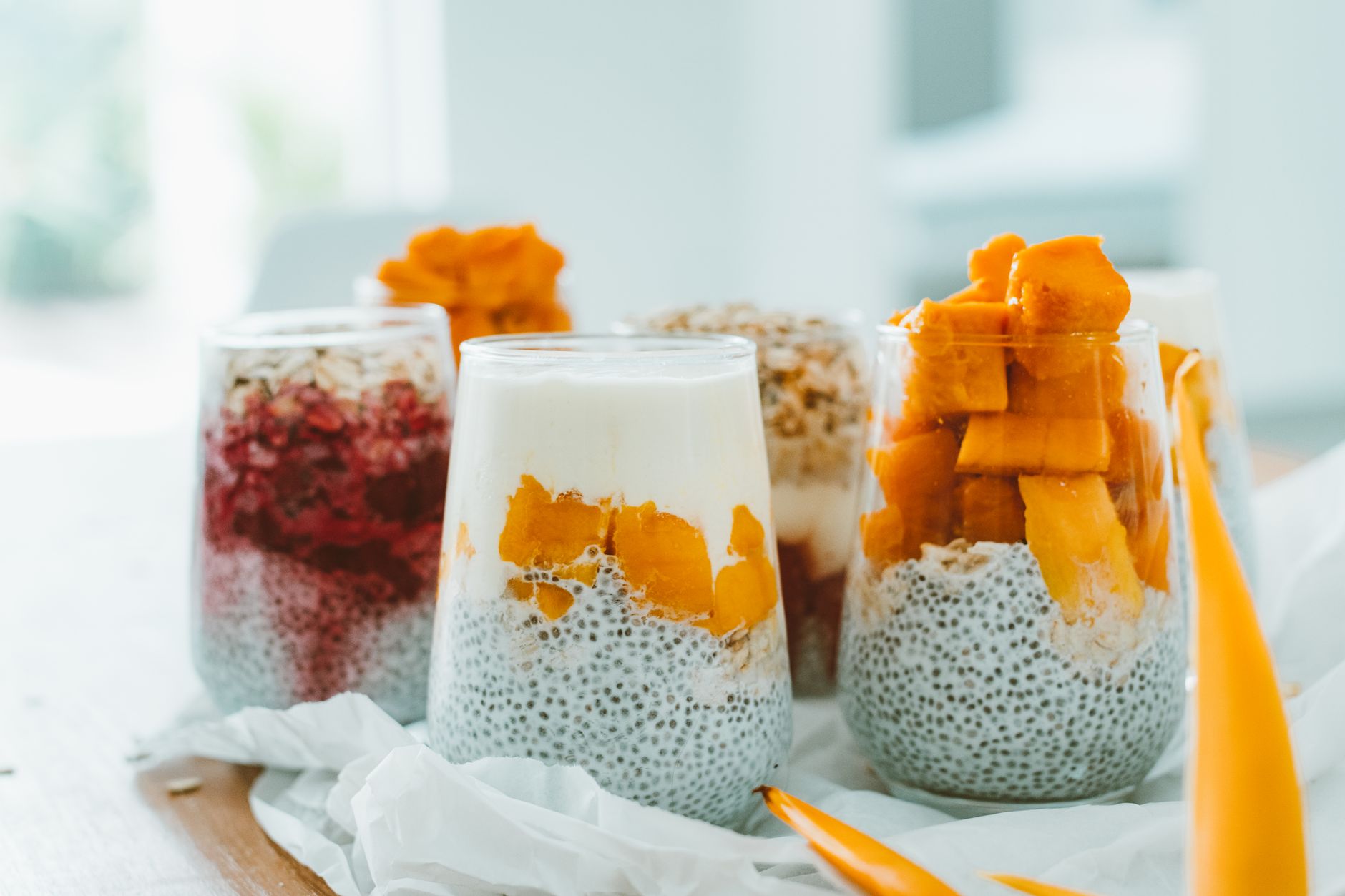
While chia seeds are widely recognized as a nutritious food, their consumption is not without potential risks. A clinically responsible approach requires awareness of these contraindications to ensure safety.
Primary Gastrointestinal and Mechanical Risks
The most common adverse effects are gastrointestinal, primarily due to the seeds' exceptional fiber and water-absorbing capacity. Consuming large quantities, especially without adequate hydration, can lead to:
- Abdominal discomfort, bloating, and flatulence as the gut microbiome adjusts to increased fiber intake.
- Constipation or, paradoxically, diarrhea, depending on individual tolerance and fluid intake.
- A theoretical risk of esophageal obstruction. There are isolated case reports of individuals, particularly those with a history of swallowing difficulties (dysphagia) or narrowed esophagus, experiencing impaction after consuming dry chia seeds that expanded in the esophagus. This risk is mitigated by always consuming chia seeds that have been pre-soaked in liquid, as in puddings or overnight oats.
Clinical Insight: The key to avoiding GI distress is gradual introduction. Start with one tablespoon (approx. 12g) of soaked seeds per day, ensuring you drink plenty of water throughout the day. This allows your digestive system to adapt without significant discomfort.
Medication Interactions and Specific Medical Conditions
Certain populations should exercise particular caution and consult a healthcare provider before making chia a dietary staple.
- Blood Thinners (e.g., Warfarin): Chia seeds are a source of omega-3 fatty acids (ALA) and vitamin K. While the evidence for a clinically significant interaction is limited and based primarily on theoretical grounds, consistent, high intake could potentially affect coagulation. Patients on anticoagulant therapy should discuss chia consumption with their physician to ensure stable dosing.
- Hypertension and Hypotension: Some preliminary studies suggest chia may have a mild blood pressure-lowering effect. Individuals with diagnosed hypotension or those taking antihypertensive medications should monitor their blood pressure, as an additive effect is possible.
- Prostate Cancer (Theoretical Concern): Due to their high alpha-linolenic acid (ALA) content, there has been speculative debate about a link between high ALA intake and prostate cancer risk. The evidence is mixed, inconclusive, and not specific to chia seeds. Those with a history of or at high risk for prostate cancer may choose to discuss this with their oncologist or dietitian.
- Allergy: Though rare, allergic reactions to chia seeds have been documented. Individuals with known allergies to other seeds (e.g., sesame, mustard) may be at higher risk.
For most people, chia seeds consumed in culinary amounts (1-2 tablespoons daily) as part of a balanced diet are safe and beneficial. The prudent approach is to start slowly, ensure proper preparation, and seek personalized advice from a doctor or registered dietitian if you have underlying health conditions or take regular medications.
4. Practical Takeaways for Incorporating Chia Pudding

Incorporating chia pudding into your routine can be a simple way to add a source of soluble fiber, plant-based omega-3 fatty acids, and protein. The evidence supporting the general health benefits of dietary fiber is robust, particularly for digestive health and cardiovascular risk modulation. However, specific claims about chia seeds for weight loss or glycemic control are based on smaller, shorter-term studies and should be viewed as preliminary.
To integrate this food effectively and safely, consider the following structured approach:
- Start with a Standard Ratio: A reliable starting point is a 1:4 ratio of chia seeds to liquid (e.g., 3 tablespoons of seeds to ¾ cup of milk or a milk alternative). This typically yields a good texture after 4 hours or overnight refrigeration.
- Prioritize Nutrient Density: Choose your base liquid and toppings to align with your nutritional goals. Unsweetened almond milk provides fewer calories, while whole milk offers more protein. Toppings like berries, nuts, and a sprinkle of cinnamon add vitamins, minerals, and antioxidants without excessive added sugars.
- Monitor Portion Size: While nutritious, chia seeds are calorie-dense. A typical serving of 2-3 tablespoons of seeds is reasonable. Consuming excessively large portions may lead to unintended calorie intake or gastrointestinal discomfort.
- Ensure Adequate Hydration Chia seeds absorb 10-12 times their weight in water. It is clinically advisable to maintain sufficient fluid intake throughout the day when consuming them regularly to prevent potential issues like constipation or, in rare cases, esophageal obstruction.
Clinical Consideration: Individuals with certain medical conditions or on specific medications should exercise caution. Those with a history of swallowing difficulties, esophageal strictures, or inflammatory bowel disease should consult a gastroenterologist. Due to their high fiber content, chia seeds may affect the absorption of some medications; taking medications 1-2 hours apart from a chia pudding meal is a prudent practice. Furthermore, individuals with a known allergy to mustard seeds or sesame seeds may have a cross-reactivity and should avoid chia seeds.
The most sustainable approach is to treat chia pudding as one component of a varied diet. It is not a "superfood" that compensates for an otherwise unbalanced dietary pattern. Its primary utility lies in its convenience and its contribution to daily fiber and nutrient intake when prepared thoughtfully.
5. Safety Considerations and Indications for Medical Consultation
While chia seeds are generally recognized as safe for most people when consumed in typical food amounts, incorporating them into a daily routine like chia pudding requires awareness of specific physiological effects and potential interactions. A clinically responsible approach ensures this nutritious food supports, rather than complicates, your health.
Primary Safety Considerations
The high soluble fiber content (about 10 grams per ounce) is chia's most significant consideration. While beneficial for digestive health and satiety, a sudden, large increase in dietary fiber can cause gastrointestinal discomfort, including bloating, gas, and abdominal cramps.
- Gradual Introduction: If you are not accustomed to high-fiber foods, start with a small serving (e.g., one tablespoon of seeds) and increase gradually over several days with adequate fluid intake.
- Adequate Hydration: Chia seeds absorb 10–12 times their weight in water. Consuming them without sufficient liquid, especially in dry form, poses a risk of esophageal obstruction. Always ensure chia pudding is fully hydrated before consumption and drink water throughout the day.
Clinical Insight: In practice, we see the most issues with chia seeds in two scenarios: patients with significant dysphagia or strictures who consume them dry, and individuals with irritable bowel syndrome (IBS) who may experience a flare-up from the rapid fiber increase. Moderation and preparation are key preventive measures.
Indications for Medical Consultation
Certain individuals should consult a physician or registered dietitian before making chia pudding a regular part of their diet. This is not to discourage its use, but to ensure it is integrated safely within the context of your overall health profile.
- Blood Thinners: Chia seeds are rich in vitamin K and alpha-linolenic acid (ALA), which may have mild antiplatelet effects. Individuals on anticoagulant therapy (e.g., warfarin) should maintain consistent vitamin K intake and discuss dietary changes with their doctor to maintain therapeutic INR levels.
- Hypertension & Heart Conditions: While the fiber and omega-3s are cardioprotective, chia pudding recipes often contain added ingredients. Those managing blood pressure or heart failure should be mindful of the sodium content in nut milks or sweeteners and the potential fluid load from large portions.
- Pre-existing Digestive Disorders: Individuals with Crohn's disease, ulcerative colitis, or a history of bowel obstructions should seek personalized advice, as high-fiber foods can be problematic during flare-ups.
- Prostate Cancer or High Triglycerides: The evidence is preliminary, but some studies suggest very high intake of ALA (the omega-3 in chia) may be associated with certain risks in these specific populations. Typical culinary use is likely safe, but consultation is prudent for those with these conditions considering daily, high-dose consumption.
- Food Allergies: Although rare, allergic reactions to chia seeds have been documented. Discontinue use and seek medical attention if you experience symptoms like hives, swelling, or difficulty breathing.
In summary, chia pudding is a healthful option for most when prepared correctly. The strongest evidence supports its benefits for fiber intake and satiety. The recommendations for medical consultation are based on known nutrient interactions and physiological effects, allowing for safe, personalized dietary integration.
6. Questions & Expert Insights
Is chia pudding a "superfood" that can significantly improve my health?
While chia seeds are nutrient-dense, the term "superfood" is a marketing term, not a clinical one. Chia seeds are an excellent source of soluble fiber (which can support digestive health and help manage cholesterol), plant-based omega-3 fatty acids (ALA), and some minerals like magnesium. However, the evidence for dramatic health transformations from consuming them is limited. Most studies on the benefits of fiber and ALA are based on consistent, long-term dietary patterns, not single foods. Adding chia pudding to a balanced diet can contribute valuable nutrients, but it should not be viewed as a standalone solution for health issues. The overall quality of your entire diet, including adequate fruits, vegetables, and whole foods, is far more impactful than any single ingredient.
What are the potential side effects or risks of eating chia pudding regularly?
The primary risk is gastrointestinal discomfort, especially if you rapidly increase your fiber intake. Consuming large amounts of dry or insufficiently soaked chia seeds can cause bloating, gas, or constipation, and in rare cases, pose a risk of esophageal blockage if they expand before reaching the stomach. Always ensure chia seeds are fully soaked in liquid (forming a gel) before consumption. Individuals with a history of swallowing difficulties, strictures, or certain gastrointestinal disorders like Crohn's disease should be particularly cautious. Furthermore, chia seeds contain phytic acid, which can minimally reduce the absorption of some minerals like iron and zinc, though this is generally not a concern within a varied diet.
Who should avoid or be very cautious with chia pudding?
Several groups should consult a healthcare provider before making chia pudding a dietary staple. Individuals with kidney disease need to monitor phosphorus and potassium intake, and chia seeds contain moderate levels of both. Those on blood-thinning medications (e.g., warfarin) or with bleeding disorders should be aware that high doses of omega-3 ALA may theoretically affect blood clotting, though the risk from dietary chia is likely low. People with a history of eating disorders should be mindful, as fixating on specific "healthy" foods can be problematic. Lastly, anyone with known allergies to sesame or mustard seeds may have a cross-reactivity, as they are in the same botanical family.
When should I talk to my doctor or a dietitian about incorporating chia pudding into my diet?
You should seek professional guidance if you have a diagnosed chronic condition (e.g., diabetes, CKD, IBD, diverticulitis), are preparing for surgery, or are taking medications regularly. Before your appointment, note what you plan to discuss. Bring a list of your current medications and supplements, and be prepared to describe a typical serving size and frequency for the chia pudding (e.g., "I plan to eat a half-cup serving daily for breakfast"). This allows your provider to assess for potential nutrient interactions (like fiber with medications) or to advise on appropriate portion control based on your individual needs for calories, fiber, and minerals. A registered dietitian can help integrate it into your diet in a way that supports, rather than disrupts, your overall health goals.
7. In-site article recommendations
8. External article recommendations
9. External resources
The links below point to reputable medical and evidence-based resources that can be used for further reading. Always interpret them in the context of your own situation and your clinician’s advice.
-
mayoclinic mayoclinic.orgchia pudding – Mayo Clinic (search)
-
healthline healthline.comchia pudding – Healthline (search)
-
examine examine.comchia pudding – Examine.com (search)
These external resources are maintained by third-party organisations. Their content does not represent the editorial position of this site and is provided solely to support readers in accessing additional professional information.