
1. Introduction to Moringa and Its Capsule Formulations
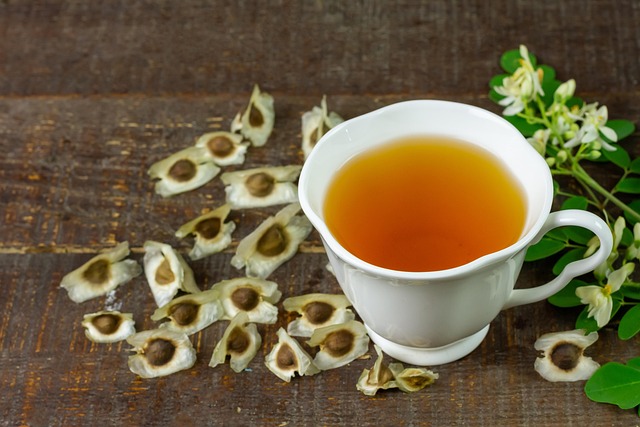
Moringa oleifera, often called the drumstick or horseradish tree, is a fast-growing plant native to parts of Africa and Asia. For centuries, various parts of the tree—including its leaves, seeds, and pods—have been used in traditional medicine systems like Ayurveda for a wide range of purposes. In recent decades, its nutrient density has garnered significant scientific interest, leading to its global popularity as a dietary supplement, most commonly in the form of capsules containing dried, powdered moringa leaf.
The primary appeal of moringa lies in its concentrated nutritional profile. The dried leaf powder, from which most capsules are made, is a source of:
- Vitamins: Notably vitamin A (as beta-carotene), several B vitamins, and vitamin C.
- Minerals: Including calcium, potassium, iron, and magnesium.
- Bioactive Compounds: Such as flavonoids (e.g., quercetin), polyphenols, and glucosinolates, which are studied for their antioxidant and anti-inflammatory properties.
Capsule formulations offer a standardized and convenient way to consume this powder, eliminating the strong, sometimes bitter taste of the raw leaves. They provide a measured dose, which is critical for evaluating intake and effects in both personal use and clinical research.
Clinical Perspective: It is essential to distinguish between the well-documented nutritional content of moringa and the therapeutic claims made about it. While its role as a nutrient supplement is clear, evidence for specific health benefits—such as significant blood sugar or cholesterol reduction—is more preliminary. Many human studies are small, short-term, or conducted in specific populations. Consumers should view capsules as a potential supplement to, not a replacement for, a balanced diet and medical treatment.
Current research suggests potential areas of benefit, but the evidence varies in strength:
- Stronger Evidence: Moringa is a well-characterized source of essential micronutrients and antioxidants, which can support general nutrition, particularly in regions with dietary deficiencies.
- Limited or Mixed Evidence: Claims regarding anti-diabetic, anti-hypertensive, or cholesterol-lowering effects show promise in animal and some human trials but require larger, more rigorous long-term studies for confirmation.
Who Should Exercise Caution: Individuals with thyroid conditions should consult a doctor, as moringa contains compounds that may affect thyroid hormone metabolism. Those on blood-thinning medications (e.g., warfarin) or blood pressure drugs should also seek medical advice due to potential interactions. Pregnant women are generally advised to avoid moringa supplements, as certain parts of the plant may contain compounds that could induce uterine contractions.
Understanding moringa's composition and the nature of the evidence is the first step toward evaluating its potential role in a sustainable health regimen. The following chapters will explore the mechanisms, dosage, and integration strategies for achieving balanced, long-term results.
2. Scientific Evidence and Proposed Mechanisms of Action
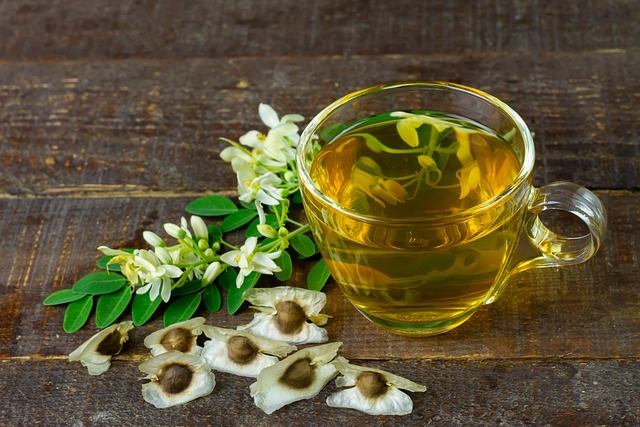
The purported health benefits of Moringa oleifera are primarily attributed to its dense nutritional profile and high concentration of bioactive phytochemicals. The scientific evidence supporting these claims varies significantly in strength, ranging from robust in-vitro and animal studies to more limited and mixed results from human clinical trials.
The most well-established mechanism of action is its potent antioxidant activity. Moringa leaves are rich in compounds like quercetin, chlorogenic acid, and various polyphenols. These molecules help neutralize free radicals and may reduce oxidative stress, a contributing factor in chronic inflammation and metabolic disorders. This antioxidant effect is consistently demonstrated in laboratory studies.
For specific health outcomes, the evidence is more nuanced:
- Blood Glucose Management: Several randomized controlled trials (RCTs) in individuals with type 2 diabetes have shown that Moringa leaf powder can modestly lower fasting and postprandial blood glucose levels. The proposed mechanisms include slowed carbohydrate absorption and improved insulin sensitivity. However, these studies are often of short duration and small scale.
- Lipid Profile: Some human studies report reductions in total cholesterol, LDL ("bad") cholesterol, and triglycerides, while increasing HDL ("good") cholesterol. The proposed action involves inhibiting cholesterol absorption in the intestines and enhancing its excretion.
- Anti-inflammatory Effects: Bioactive compounds in Moringa, such as isothiocyanates, can inhibit key inflammatory enzymes and signaling pathways (e.g., NF-κB). This is strongly supported by cellular and animal models, but direct translation to consistent human anti-inflammatory outcomes requires more research.
It is crucial to note significant limitations. Many human studies have methodological constraints, including small sample sizes, lack of long-term follow-up, and variability in Moringa preparation and dosage. Robust, large-scale, long-term RCTs are needed to confirm efficacy and safety for chronic use.
Who should exercise caution: Individuals on medications for diabetes, hypertension, or blood thinning (anticoagulants) should consult a physician before use, as Moringa may potentiate drug effects. Those with thyroid conditions should be aware of its goitrogen content. Pregnant women are generally advised to avoid Moringa root and bark extracts due to uterine stimulant properties, though leaf safety data is limited.
3. Potential Risks and Contraindications for Moringa Capsules

While Moringa oleifera is generally considered safe when consumed in typical food amounts, concentrated supplements like capsules introduce a higher dose of bioactive compounds. This necessitates a careful, evidence-based review of potential adverse effects and contraindications to ensure safe use.
Established Contraindications and Drug Interactions
Several key contraindications are supported by a plausible biological mechanism and clinical caution.
- Pregnancy: Moringa root and bark contain compounds that may stimulate uterine contractions. While leaf extracts are often considered safer, the lack of robust human safety data makes avoidance during pregnancy the most prudent recommendation.
- Blood Pressure and Blood Sugar Medications: Moringa may have hypotensive and hypoglycemic effects. Concurrent use with medications for hypertension (e.g., lisinopril, amlodipine) or diabetes (e.g., metformin, insulin) could potentiate these effects, leading to dangerously low blood pressure or blood sugar levels. Close monitoring by a physician is essential.
- Thyroid Conditions: Moringa contains goitrogens, substances that can interfere with thyroid hormone production. Individuals with hypothyroidism, especially those on thyroid hormone replacement (e.g., levothyroxine), should use caution and consult their endocrinologist.
Potential Adverse Effects and Uncertainties
Evidence for other risks is more preliminary, often based on animal studies, traditional use, or isolated case reports.
- Gastrointestinal Distress: High doses may cause nausea, diarrhea, or heartburn, particularly when starting supplementation.
- Liver and Kidney Considerations: While moringa is often studied for its hepatoprotective properties, the effect of high-dose, long-term supplementation on pre-existing liver or kidney disease is not well-established. Individuals with these conditions should avoid use without medical supervision.
- Blood Thinning: The vitamin K content in moringa leaves could theoretically interfere with anticoagulant medications like warfarin, though data is limited. Patients on such therapies should discuss this with their cardiologist or hematologist.
Clinical Perspective: In practice, the primary risk with herbal supplements like moringa capsules is not acute toxicity but unintended pharmacodynamic interactions and the "natural equals safe" fallacy. A thorough medication reconciliation—including all prescription drugs, over-the-counter products, and supplements—is crucial before recommending or initiating use. The absence of standardized dosing and rigorous long-term human trials means a cautious, individualized approach is mandatory.
Key Takeaway: Sustainable results require safe practices. Individuals who are pregnant, nursing, managing chronic conditions (especially thyroid, diabetes, hypertension, or heart disease), or taking regular medications must consult a healthcare professional before using moringa capsules. Starting with a low dose to assess tolerance is advisable for all users.
4. Evidence-Based Guidelines for Sustainable Use

Sustainable use of any supplement, including moringa capsules, is defined by a long-term approach that prioritizes safety, efficacy, and integration into a healthy lifestyle. It is not about short-term, drastic measures. The foundation for sustainable results lies in adhering to evidence-based guidelines that manage expectations and mitigate risk.
The most critical guideline is to follow the manufacturer's recommended dosage, typically found on the product label. Clinical trials investigating moringa's benefits, such as those for modest blood sugar or lipid modulation, have used specific, standardized doses—often ranging from 1.5 to 8 grams of leaf powder daily. Exceeding these amounts does not equate to faster or better results and may increase the risk of adverse effects.
To build a sustainable routine, consider these practical steps:
- Pair with Meals: Taking capsules with food can enhance the bioavailability of fat-soluble vitamins (like Vitamin A in moringa) and may reduce the chance of gastrointestinal discomfort.
- Consistency Over Intensity: Incorporate the supplement at the same time each day to establish a habit. Effects on nutritional status are cumulative and observed over weeks or months, not days.
- Hydration: Drink a full glass of water when taking the capsules to aid swallowing and digestion.
It is essential to contextualize the evidence. While moringa is nutritionally dense and some studies show promise for antioxidant and anti-inflammatory activity, data on long-term human outcomes (beyond 3-6 months) is limited. Results for weight management or energy are often subtle and highly individual, influenced significantly by core lifestyle factors.
Important Cautions: Certain individuals should exercise particular caution or consult a physician before use. This includes pregnant women (due to compounds that may stimulate uterine activity), individuals on medications for diabetes or blood pressure (as moringa may potentiate their effects), those with thyroid disorders, and anyone with known allergies to plants in the Moringaceae family. Sustainable use is inherently safe use, which requires acknowledging these contraindications.
5. Safety Considerations and When to Consult a Healthcare Provider

While moringa oleifera is generally considered safe as a food, its concentrated form in capsules warrants a more cautious, evidence-based approach. The primary safety concern stems from the lack of large-scale, long-term human trials for high-dose, isolated moringa leaf powder supplements. Most safety data is derived from traditional culinary use or short-term studies.
Key populations who should exercise particular caution or avoid use without direct medical supervision include:
- Pregnant individuals: Compounds in the root, bark, and flowers may have uterine-stimulating properties. While leaf extracts are often considered safer, the evidence is insufficient to guarantee safety during pregnancy.
- Individuals on medication: Moringa may interact with drugs metabolized by the liver's cytochrome P450 enzyme system, potentially altering the effectiveness of medications for diabetes, hypertension, or thyroid conditions. It may also have additive effects with blood-thinning medications.
- Those with autoimmune conditions or preparing for surgery: Due to its potential immunomodulatory effects, it may theoretically interfere with immunosuppressive therapy or increase bleeding risk.
- Individuals with kidney or liver conditions: While often touted for organ support, concentrated supplements could pose a risk in the context of pre-existing dysfunction, as the body's ability to process and eliminate compounds may be impaired.
Clinical Perspective: From a clinician's standpoint, moringa capsules are approached like any other bioactive supplement: not as inherently dangerous, but as a variable with unknown effects on an individual's unique physiology and medication regimen. The principle of "first, do no harm" dictates erring on the side of disclosure and consultation, especially for those managing chronic diseases.
When to Consult a Healthcare Provider: You should discuss moringa capsule use with a doctor or pharmacist before starting if you:
- Are currently taking any prescription or over-the-counter medications.
- Have a diagnosed chronic health condition (e.g., diabetes, hypertension, thyroid disorder, autoimmune disease).
- Are pregnant, breastfeeding, or planning to become pregnant.
- Have a known allergy to plants in the Moringaceae family.
- Are scheduled for any surgical procedure.
Sustainable results are built on a foundation of safety. A proactive conversation with a healthcare professional ensures that integrating a supplement aligns with your overall health strategy and does not inadvertently undermine other treatments. This step is non-negotiable for responsible, individualized health management.
6. Questions & Expert Insights
How strong is the evidence for Moringa's health benefits?
The evidence for Moringa oleifera is promising but preliminary and varies significantly by health claim. For nutritional supplementation, the data is strong; the leaves are a well-documented source of vitamins (A, C), minerals (calcium, iron), and antioxidants. For specific therapeutic effects—such as significant blood sugar or cholesterol reduction—the evidence primarily comes from animal studies and small, short-duration human trials. While some randomized controlled trials show positive trends, many are of limited quality, have small sample sizes, or lack long-term follow-up. It is crucial to view Moringa capsules as a potential adjunct to, not a replacement for, evidence-based lifestyle interventions and medical treatments. Claims of "miraculous" or disease-curing effects are not supported by high-quality clinical evidence.
What are the potential risks or side effects of taking Moringa capsules?
Moringa is generally considered safe when consumed in culinary amounts, but concentrated capsules introduce higher doses of bioactive compounds, leading to potential risks. Common side effects may include digestive upset, such as nausea, gas, or diarrhea. More serious concerns involve its potential to lower blood pressure and blood sugar, which could be problematic for individuals on medications for hypertension (e.g., lisinopril) or diabetes (e.g., metformin, insulin), potentially leading to dangerous hypoglycemia or hypotension. The root and bark contain alkaloids that may cause uterine contractions and should be strictly avoided in pregnancy. Individuals with thyroid disorders should use caution due to Moringa's goitrogenic potential, which can interfere with iodine uptake.
Who should avoid taking Moringa capsules or be extremely cautious?
Several groups should avoid Moringa capsules or only use them under direct medical supervision. This includes: Pregnant women, due to the risk of uterine stimulation. Individuals on anticoagulant/antiplatelet drugs (e.g., warfarin, clopidogrel), as Moringa may have blood-thinning properties. People with diagnosed hypothyroidism or those on thyroid medication. Individuals scheduled for surgery should discontinue use at least two weeks prior due to bleeding and blood sugar control risks. Those with kidney issues should be wary of the high mineral content (like potassium). Finally, anyone with a known allergy to plants in the Moringaceae family should avoid it entirely.
When should I talk to my doctor, and what information should I bring?
You should consult your doctor or a registered dietitian before starting Moringa capsules if you have any chronic health condition or take prescription medications. This is non-negotiable for individuals managing diabetes, hypertension, thyroid disorders, or autoimmune diseases. Prepare for the conversation by bringing: 1) The specific product label showing dosage, brand, and ingredient list, 2) A complete list of all your current medications and supplements, including dosages, 3) Your clear health goals for taking Moringa (e.g., "to support energy levels" vs. "to lower my cholesterol"). This allows your provider to assess potential interactions, adjust medications if necessary, and help you set realistic, measurable expectations based on your personal health profile.
7. In-site article recommendations
8. External article recommendations
9. External resources
The links below point to reputable medical and evidence-based resources that can be used for further reading. Always interpret them in the context of your own situation and your clinician’s advice.
-
examine examine.comMoringa capsules – Examine.com (search)
-
drugs drugs.comMoringa capsules – Drugs.com (search)
-
mayoclinic mayoclinic.orgMoringa capsules – Mayo Clinic (search)
These external resources are maintained by third-party organisations. Their content does not represent the editorial position of this site and is provided solely to support readers in accessing additional professional information.