
1. Introduction to Weight Loss Patches and Their Role in Sustainable Management

In the landscape of weight management, transdermal patches represent a novel delivery system for active compounds, aiming to provide a controlled, sustained release of ingredients over time. The concept of "sustainable" in this context has a dual meaning: it refers to the potential for consistent, long-term adherence due to the patch's convenience, and to the physiological goal of supporting gradual, maintainable weight loss rather than rapid, short-term results.
These patches are designed to deliver ingredients such as caffeine, green tea extract, or other botanical compounds through the skin and into the bloodstream. The proposed mechanisms of action for these ingredients typically fall into categories like mild appetite suppression, thermogenesis (increasing calorie burn), or lipolysis (fat breakdown). It is crucial to distinguish the delivery method from the efficacy of the active ingredients themselves.
Clinical Perspective: From a medical standpoint, the transdermal route offers theoretical advantages for adherence, as it bypasses the gastrointestinal tract and may provide steadier plasma levels than oral supplements. However, the evidence supporting the efficacy of over-the-counter weight loss patches for significant, clinically meaningful weight reduction remains limited and of variable quality. Most robust evidence exists for the ingredients in oral form, and transdermal absorption can be inconsistent depending on skin type and the compound's molecular properties.
The current state of evidence can be summarized as follows:
- Strong Evidence: The principle of transdermal drug delivery is well-established in medicine (e.g., nicotine, hormone patches).
- Limited/Mixed Evidence: High-quality, large-scale randomized controlled trials specifically on over-the-counter weight loss patches are scarce. Many claims are extrapolated from studies on the oral forms of their ingredients.
- Practical Consideration: The greatest potential benefit may lie in the patch acting as a consistent behavioral cue, reminding the user of their health goals, rather than as a potent pharmacological agent.
Individuals who should exercise particular caution or consult a healthcare provider before using any weight loss patch include those with:
- Known skin sensitivities or conditions like psoriasis or eczema.
- Cardiovascular conditions, as some stimulant-based ingredients may affect heart rate and blood pressure.
- Pregnancy or breastfeeding status.
- Existing polypharmacy, due to potential herb-drug interactions.
This chapter sets the stage for a detailed, evidence-based exploration of how weight loss patches are positioned within a sustainable management strategy, examining what research genuinely shows about their role, mechanisms, and realistic expectations.
2. Mechanisms of Action and Current Evidence from Research
Transdermal weight loss patches are designed to deliver active compounds—such as botanical extracts, vitamins, minerals, or stimulants—through the skin and into the bloodstream. The proposed mechanism leverages the skin's permeability, aiming to provide a steady, controlled release of ingredients that may influence metabolism, appetite, or fat oxidation. This route of administration seeks to bypass the gastrointestinal tract, potentially reducing digestive side effects and improving user adherence compared to oral supplements.
The specific mechanisms depend entirely on the patch's formulation. Common targets include:
- Appetite Suppression: Ingredients like green tea extract, Garcinia cambogia, or 5-HTP may influence neurotransmitters like serotonin to promote satiety.
- Metabolic Rate Enhancement: Stimulants such as caffeine or synephrine may temporarily increase thermogenesis and energy expenditure.
- Nutrient Delivery: Patches may contain chromium, B-vitamins, or L-carnitine, which play roles in macronutrient metabolism.
Current evidence for the efficacy of these patches is limited and of mixed quality. The majority of supporting data comes from small-scale, short-duration studies, often funded by manufacturers, and many rely on self-reported outcomes. While some individual ingredients (e.g., caffeine for thermogenesis) have evidence for a modest metabolic effect when taken orally, the transdermal delivery of these compounds at effective doses is not well-established. There is a significant lack of large, independent, randomized controlled trials (RCTs) demonstrating that weight loss patches, as a standalone intervention, lead to clinically significant and sustained weight reduction.
Clinical Perspective: From an evidence-based standpoint, transdermal patches for weight loss occupy a speculative space. The principle of transdermal delivery is valid for certain pharmaceuticals (e.g., nicotine, hormones), but its application for complex botanical blends is less proven. The skin is an effective barrier, and achieving therapeutic blood levels of many compounds through a patch is a significant pharmacological challenge. Any observed effects in small studies may be attributable to the placebo effect or concomitant lifestyle changes.
Individuals with sensitive skin, dermatological conditions, or allergies to adhesives should exercise caution. More importantly, those with cardiovascular conditions (e.g., hypertension, arrhythmia), thyroid disorders, anxiety, or who are pregnant or breastfeeding should avoid these products unless explicitly approved by a physician. The stimulant content in some patches can interact with medications or exacerbate underlying health issues.
The most responsible conclusion from the available research is that weight loss patches should not be considered a primary or proven weight management strategy. Any consideration of their use should be done in consultation with a healthcare provider and viewed as a potential minor adjunct to the cornerstone of sustainable weight loss: a consistent caloric deficit achieved through evidence-based dietary modification and increased physical activity.
3. Risks, Adverse Effects, and Specific Contraindications
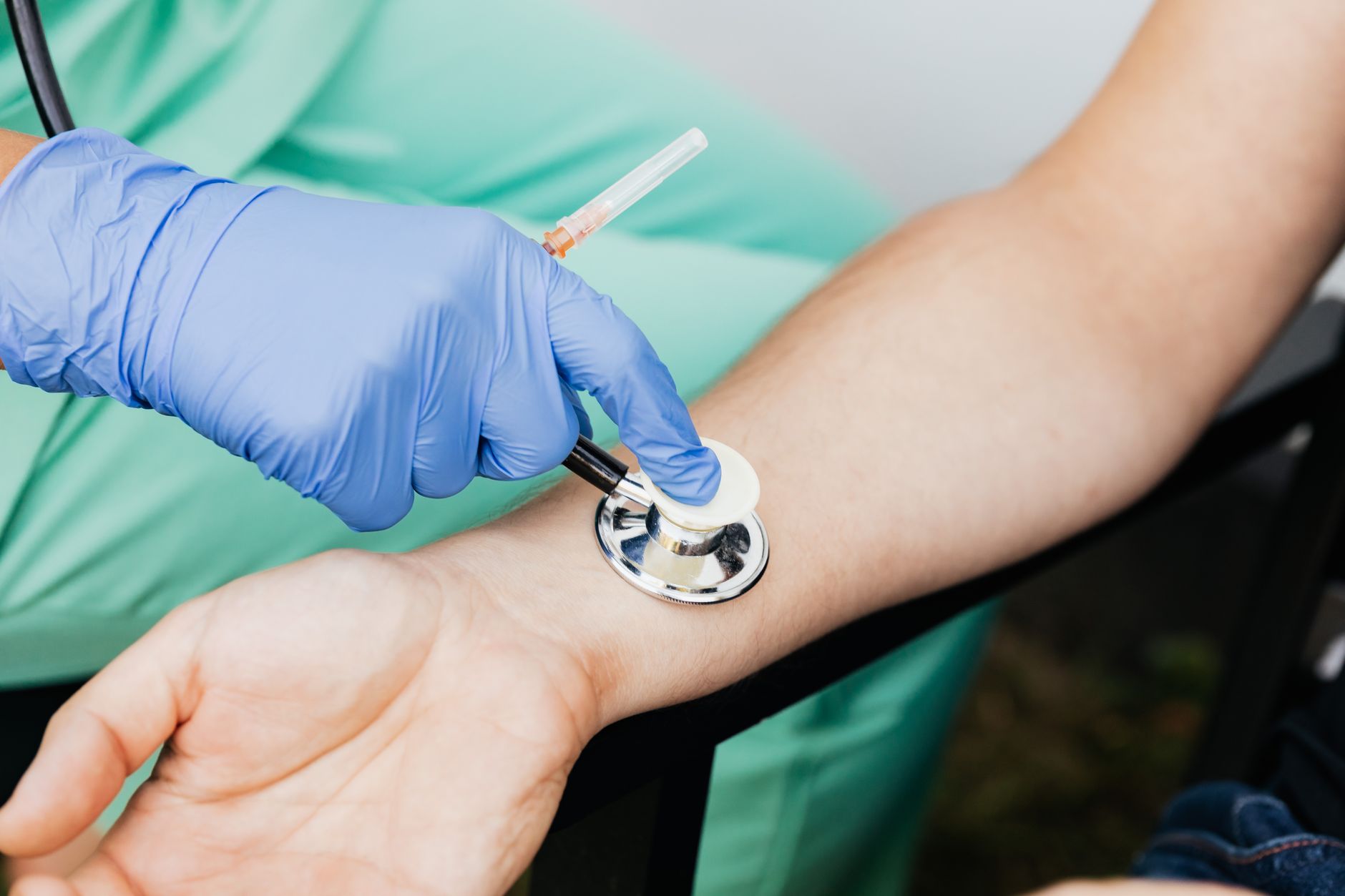
While weight loss patches are marketed as a convenient alternative to oral supplements, their active ingredients—which may include stimulants, herbal extracts, or hormones—carry inherent risks. A critical evaluation of these risks is essential for anyone considering their use.
Common Adverse Effects
The most frequently reported adverse effects are local skin reactions and systemic effects from the absorbed compounds.
- Local Dermatological Reactions: The adhesive and occlusive nature of a patch can cause contact dermatitis, presenting as redness, itching, burning, or rash at the application site. This is the most common and well-documented risk.
- Systemic Stimulant Effects: Patches containing ingredients like caffeine, green tea extract (EGCG), or synephrine (bitter orange) can cause insomnia, anxiety, jitteriness, palpitations, and elevated blood pressure, similar to their oral counterparts.
- Gastrointestinal Distress: Ingredients intended to suppress appetite or increase metabolism may lead to nausea, stomach cramps, or diarrhea.
Specific Contraindications and Populations at Risk
Certain individuals should avoid weight loss patches entirely or use them only under strict medical supervision due to the potential for serious harm.
- Cardiovascular Conditions: Individuals with hypertension, arrhythmias, coronary artery disease, or a history of stroke should avoid stimulant-based patches due to the risk of exacerbating these conditions.
- Pregnancy and Lactation: The safety of transdermal weight loss ingredients during pregnancy and breastfeeding is not established. These products are contraindicated for these populations.
- Skin Disorders: People with sensitive skin, eczema, psoriasis, or other chronic dermatological conditions are at higher risk for severe local reactions.
- Polypharmacy and Pre-existing Conditions: The ingredients may interact with prescription medications (e.g., for diabetes, thyroid disorders, or depression) or worsen conditions like glaucoma, anxiety disorders, or hyperthyroidism.
Clinical Perspective: The transdermal delivery method does not inherently make an ingredient safer. In fact, it can pose unique challenges, such as variable absorption rates and difficulty quickly removing the agent from the system if an adverse reaction occurs, compared to discontinuing an oral pill. A thorough review of the patch's ingredient list—not just its marketing claims—is a non-negotiable first step.
Key Takeaway: The evidence for the efficacy of weight loss patches is generally limited and of low quality. The evidence for potential harm, while also incomplete, is grounded in the known pharmacology of their components. Anyone with pre-existing medical conditions, taking medications, or who is pregnant should categorically avoid these products. For all others, a consultation with a physician is strongly advised to assess individual risk before use.
4. Evidence-Based Practical Takeaways for Integration
Integrating a weight loss patch into a health regimen requires a pragmatic, evidence-informed approach. The current research landscape suggests these devices are best viewed as adjunctive tools, not standalone solutions. Their primary function is to deliver a consistent, low-level stimulus—be it a botanical extract, vitamin, or other compound—intended to support metabolic processes or appetite regulation.
To maximize potential benefits while ensuring safety, consider the following structured approach:
- Anchor in Foundational Habits: The strongest evidence for sustainable weight management involves dietary modification, increased physical activity, and behavioral therapy. A patch should be integrated alongside these established practices, not in place of them.
- Verify Ingredients and Claims: Scrutinize the patch's active components. For ingredients like green tea extract (EGCG) or capsaicin, some clinical trials show modest effects on energy expenditure or fat oxidation, but results are often mixed and dose-dependent. Be skeptical of patches containing proprietary blends with unclear concentrations.
- Manage Expectations Realistically: Any effect is likely to be subtle and gradual. High-quality, long-term studies on transdermal patches specifically for weight loss are limited. Do not expect dramatic or "rapid" results.
- Monitor for Local and Systemic Effects: Check the application site regularly for signs of irritation, rash, or allergic reaction. Be aware of any systemic side effects, such as jitteriness, digestive discomfort, or changes in heart rate, which could indicate sensitivity to an ingredient.
Clinical Perspective: From a medical standpoint, the transdermal route offers steady delivery but also presents unique considerations. Skin permeability varies, and the actual systemic absorption of many advertised compounds via a patch is not well-documented. Furthermore, the placebo effect in weight loss interventions is significant. A patch may serve as a tangible reminder of one's health goals, which can be psychologically beneficial, but this must be distinguished from a proven pharmacological effect.
Important Contraindications and Cautions: Individuals with sensitive skin, dermatological conditions, or known allergies to adhesive or listed ingredients should avoid use. Those with underlying medical conditions—particularly cardiovascular issues, thyroid disorders, or diabetes—and individuals who are pregnant, breastfeeding, or on multiple medications must consult a physician before use. The interaction of patch ingredients with prescription drugs is largely unstudied.
The most evidence-based takeaway is to prioritize comprehensive lifestyle change. If a patch is used, select one with transparent ingredient labeling, apply it as part of a structured plan, and discontinue use if any adverse reactions occur. Sustainable weight loss is a complex physiological process; a patch may play a minor supporting role, but it is not a secret or a substitute for the core principles of energy balance.
5. Safety Monitoring and Indications for Medical Consultation
While weight loss patches are marketed as convenient, their safety profile is not as comprehensively established as that of conventional oral medications. The transdermal delivery system introduces unique considerations for monitoring and medical oversight. A proactive approach to safety is essential for anyone considering their use.
Key Parameters for Self-Monitoring
If you choose to use a weight loss patch, diligent self-observation is crucial. Track the following and discontinue use if any concerning signs appear:
- Application Site Reactions: Monitor for persistent redness, itching, burning, rash, or blistering. These may indicate contact dermatitis or an allergic reaction to an adhesive or active ingredient.
- Systemic Side Effects: Be alert for symptoms like jitteriness, insomnia, rapid heartbeat, anxiety, headaches, dizziness, or gastrointestinal upset. These could signal systemic absorption of stimulants or other compounds.
- Changes in Well-being: Note any unexplained fatigue, mood changes, or alterations in your usual menstrual cycle.
Clinical Insight: The skin is a dynamic barrier. Factors like heat, sweat, or compromised skin integrity can increase the rate and amount of drug absorption unpredictably, potentially leading to higher systemic exposure than intended. This variability is a key reason why professional guidance is advised.
Clear Indications for Medical Consultation
Consult a healthcare provider—such as a primary care physician, endocrinologist, or registered dietitian—before starting any patch, and promptly seek advice if any of the following apply:
- Pre-existing Medical Conditions: Individuals with cardiovascular disease (hypertension, arrhythmia), thyroid disorders, diabetes, liver or kidney impairment, or a history of eating disorders should avoid use without explicit medical clearance.
- Concurrent Medication Use: Potential interactions are a significant concern. Patches containing stimulants or herbal extracts may interact with antidepressants, blood pressure medications, blood thinners, or other supplements.
- Pregnancy and Lactation: The safety of most patch ingredients during pregnancy and breastfeeding is unknown. Their use is contraindicated.
- Persistent or Severe Reactions: Any severe skin reaction or systemic side effect that does not resolve quickly after patch removal warrants immediate medical evaluation.
The evidence supporting the efficacy and long-term safety of commercial weight loss patches remains limited and of variable quality. Sustainable weight management is best achieved under the guidance of a healthcare professional who can provide personalized, evidence-based strategies that address diet, physical activity, and behavioral factors, while safely monitoring your health.
6. Questions & Expert Insights
Do weight loss patches actually work, or is this just another fad?
The evidence for transdermal weight loss patches is preliminary and mixed. Some patches contain ingredients like green tea extract (EGCG) or capsaicin, which have shown modest metabolic or appetite-suppressing effects in oral supplement studies. The theory is that transdermal delivery could provide a steady release. However, high-quality, large-scale clinical trials specifically on patches are scarce. Most available research consists of small, short-term studies, often with methodological limitations. While the concept is plausible from a pharmacokinetic perspective, the current evidence does not robustly support weight loss patches as a standalone, effective solution. Sustainable weight management fundamentally relies on a consistent calorie deficit achieved through dietary changes and increased physical activity, which no patch can replace.
What are the potential risks or side effects, and who should absolutely avoid using them?
Risks depend on the active ingredients. Common concerns include skin reactions (redness, itching, rash) at the application site. Systemic side effects from absorbed ingredients can mirror those of oral supplements: caffeine-like stimulants may cause jitteriness, anxiety, or insomnia; capsaicin can cause stomach irritation; and some herbal blends may interact with medications. Individuals who should avoid weight loss patches include: those with sensitive skin or dermatological conditions; pregnant or breastfeeding women; individuals with cardiovascular issues, hypertension, or thyroid disorders (unless a doctor approves); people on multiple medications due to interaction risks; and anyone with a history of eating disorders. The lack of rigorous safety data for transdermal delivery of these compounds in diverse populations is a key concern.
When should I talk to my doctor about using a weight loss patch, and what should I bring to the appointment?
You should consult a healthcare provider before starting any over-the-counter weight loss patch, especially if you have any pre-existing medical conditions or take prescription medications. This is crucial for assessing potential interactions and underlying causes of weight gain. For the appointment, bring: 1) The specific product packaging or a list of its full ingredient panel, 2) A complete list of all your current medications, supplements, and vitamins, 3) Your relevant medical history, and 4) A clear outline of your weight loss goals and the other lifestyle strategies you are employing. This allows your doctor to evaluate the patch's suitability within your overall health picture and provide guidance on evidence-based, sustainable approaches.
Can a weight loss patch replace a healthy diet and exercise?
No, a weight loss patch cannot replace the foundational roles of nutrition and physical activity. Sustainable weight loss and metabolic health are achieved through long-term lifestyle modifications. Patches, if effective at all, might theoretically offer a minor adjunctive effect—perhaps slightly curbing appetite or increasing thermogenesis. However, they do not teach nutritional literacy, build muscle, improve cardiovascular fitness, or address behavioral and psychological aspects of eating. Relying on a patch without addressing diet and exercise is unlikely to yield meaningful or lasting results. The most responsible perspective is to view such products, if used, strictly as a potential supplement to—not a substitute for—the core work of calorie management and activity.
7. In-site article recommendations
8. External article recommendations
9. External resources
The links below point to reputable medical and evidence-based resources that can be used for further reading. Always interpret them in the context of your own situation and your clinician’s advice.
-
healthline healthline.comweight loss patches – Healthline (search)
-
mayoclinic mayoclinic.orgweight loss patches – Mayo Clinic (search)
-
wikipedia wikipedia.orgweight loss patches – Wikipedia (search)
These external resources are maintained by third-party organisations. Their content does not represent the editorial position of this site and is provided solely to support readers in accessing additional professional information.