
1. Introduction: Understanding Turmeric Supplement Use in Context
Turmeric, derived from the rhizome of Curcuma longa, is a cornerstone of traditional medicine systems, most notably Ayurveda. Its primary bioactive compound, curcumin, has been the subject of extensive scientific investigation for its potential anti-inflammatory and antioxidant properties. In recent years, this has fueled a surge in the popularity of turmeric and curcumin supplements in Western markets, often positioned as natural supports for joint health, digestion, and overall wellness.
However, a significant gap exists between the promising results seen in controlled laboratory and early-stage clinical studies and the real-world experience of many supplement users. This discrepancy forms the core of our exploration. To understand turmeric supplements effectively, one must view them through a clinical and pharmacological lens, not merely as a "natural" product. Key contextual factors include:
- Bioavailability: Curcumin is notoriously poorly absorbed by the human body when consumed alone. Most of the robust clinical research demonstrating potential benefits utilizes formulations specifically engineered to enhance absorption (e.g., with piperine from black pepper or in lipid-based forms).
- Dosage and Standardization: Supplement labels vary widely in curcuminoid content and recommended dosage, making comparisons difficult. Evidence for specific health effects is often tied to precise, high doses used in research settings.
- Evidence Grading: The scientific support is nuanced. While some meta-analyses suggest modest benefits for conditions like osteoarthritis and certain inflammatory markers, the evidence is often mixed, of variable quality, or derived from short-term studies.
Clinical Perspective: From a medical standpoint, turmeric is not a substitute for evidence-based treatments for chronic conditions like rheumatoid arthritis or inflammatory bowel disease. Its role is generally considered adjunctive, if used at all. Furthermore, "natural" does not equate to "risk-free," necessitating a careful evaluation of potential interactions and side effects.
This chapter establishes a foundational, evidence-based context. Individuals considering turmeric supplements, particularly those with pre-existing health conditions (e.g., gallbladder disease, bleeding disorders, or diabetes), those on medications (especially blood thinners like warfarin or antiplatelet drugs), or those who are pregnant or breastfeeding, should consult a physician before use. The following chapters will dissect the critical, often overlooked factors that determine whether a turmeric supplement is a biologically active intervention or merely a placebo.
2. Mechanisms and Evidence: How Turmeric and Curcumin Function Clinically
The primary bioactive compound in turmeric, curcumin, is not a direct-acting drug but a pleiotropic agent, meaning it influences multiple molecular pathways. Its clinical potential is largely attributed to its ability to modulate inflammation and oxidative stress at a cellular level.
Core Mechanisms of Action
Curcumin's effects are primarily mediated through its interaction with key signaling molecules:
- NF-κB Pathway Inhibition: This is a central mechanism. NF-κB is a protein complex that triggers the expression of pro-inflammatory genes. By inhibiting its activation, curcumin can downregulate the production of cytokines like TNF-α and interleukins (e.g., IL-6), which are drivers of chronic inflammation.
- Antioxidant Activity: Curcumin can neutralize free radicals directly and may boost the activity of the body's own antioxidant enzymes, such as superoxide dismutase (SOD) and glutathione peroxidase.
- Secondary Modulation: Research suggests curcumin may also influence other pathways, including JAK/STAT, MAPK, and the Nrf2 antioxidant response element, contributing to its broad anti-inflammatory profile.
Evaluating the Clinical Evidence
The translation of these mechanisms into measurable patient outcomes varies significantly by condition. The evidence is not uniformly strong.
Areas with More Substantial Support:
- Osteoarthritis: Multiple systematic reviews and meta-analyses conclude that curcumin extracts can reduce pain and improve function comparably to NSAIDs like ibuprofen for some individuals, with a better gastrointestinal tolerability profile.
- Inflammatory Conditions: Evidence is promising, though not definitive, for reducing symptoms in conditions like rheumatoid arthritis and ulcerative colitis, often as an adjunct therapy.
Areas with Preliminary or Mixed Evidence:
- Metabolic Health & Mood: Some trials show modest improvements in markers of metabolic syndrome or symptoms of depression and anxiety. However, results are inconsistent, and larger, longer-term studies are needed to confirm efficacy and optimal dosing.
- Other Claims: Many popular claims regarding cognitive decline, cancer prevention, or cardiovascular disease remain largely speculative from a clinical standpoint, supported primarily by preclinical (cell and animal) studies.
Clinical Perspective: A key challenge is curcumin's notoriously poor bioavailability. Most ingested curcumin is rapidly metabolized and excreted. This is why most clinical trials use enhanced formulations (with piperine, lipids, or nanoparticles). The positive clinical data we have almost exclusively involves these bioavailable forms, not standard powdered turmeric.
Who Should Exercise Caution: Individuals with gallbladder disease, bile duct obstruction, or those on anticoagulant/antiplatelet drugs (e.g., warfarin, clopidogrel) should consult a physician, as curcumin may theoretically increase bleeding risk. Those scheduled for surgery should discontinue use well in advance. It may also interact with certain chemotherapy agents.
3. Risks and Contraindications: Identifying Who Should Avoid Turmeric Supplements
While turmeric and its active compound curcumin are generally well-tolerated, they are not risk-free. A responsible approach requires understanding specific contraindications and potential drug interactions, which are often overlooked in favor of discussing benefits.
Established Medical Contraindications
Certain individuals should avoid turmeric supplements entirely unless explicitly approved by their physician:
- Individuals with Gallbladder Disease: Turmeric may stimulate bile production, which can worsen symptoms or trigger an attack in those with bile duct obstruction or gallstones.
- Those with Bleeding Disorders or Upcoming Surgery: Curcumin has demonstrated antiplatelet (blood-thinning) effects in laboratory and some animal studies. This poses a risk of increased bleeding when combined with anticoagulant or antiplatelet medications (e.g., warfarin, clopidogrel, aspirin) or before surgical procedures.
- People with Iron Deficiency Anemia: Some evidence suggests curcumin can chelate iron and may interfere with dietary iron absorption, potentially exacerbating deficiency.
Populations Requiring Extreme Caution
Others should exercise significant caution and only use supplements under medical supervision:
- Individuals on Medication: Beyond blood thinners, curcumin may interact with drugs metabolized by specific liver enzymes (e.g., CYP450). This can alter the effectiveness of medications for diabetes, hypertension, depression, and chemotherapy.
- Those with Gastroesophageal Reflux Disease (GERD) or Ulcers: High doses or prolonged use may cause gastrointestinal upset, including nausea, diarrhea, and exacerbation of acid reflux in susceptible individuals.
- Pregnant and Breastfeeding Women: Due to a lack of sufficient safety data from human trials, standard medical advice is to avoid supplemental doses during pregnancy and lactation. Culinary use is generally considered safe.
- People with Kidney Stones (particularly calcium oxalate): Turmeric contains measurable oxalates, which can contribute to stone formation in predisposed individuals.
Clinical Perspective: The most common oversight is the interaction with pharmaceuticals. Patients often consider supplements "natural" and therefore safe to combine with prescriptions. A clinician's primary concern is the pharmacodynamic (e.g., increased bleeding risk) and pharmacokinetic (altered drug metabolism) interactions, which are supported by mechanistic evidence, though large-scale clinical trial data in humans is more limited. Always disclose all supplement use to your healthcare provider.
In summary, turmeric supplements are contraindicated in specific medical conditions and require careful evaluation for anyone on chronic medication or with underlying health issues. Consulting a physician or pharmacist before starting supplementation is a non-negotiable step for these populations.
4. Practical Takeaways: Evidence-Based Guidance for Supplement Selection and Use
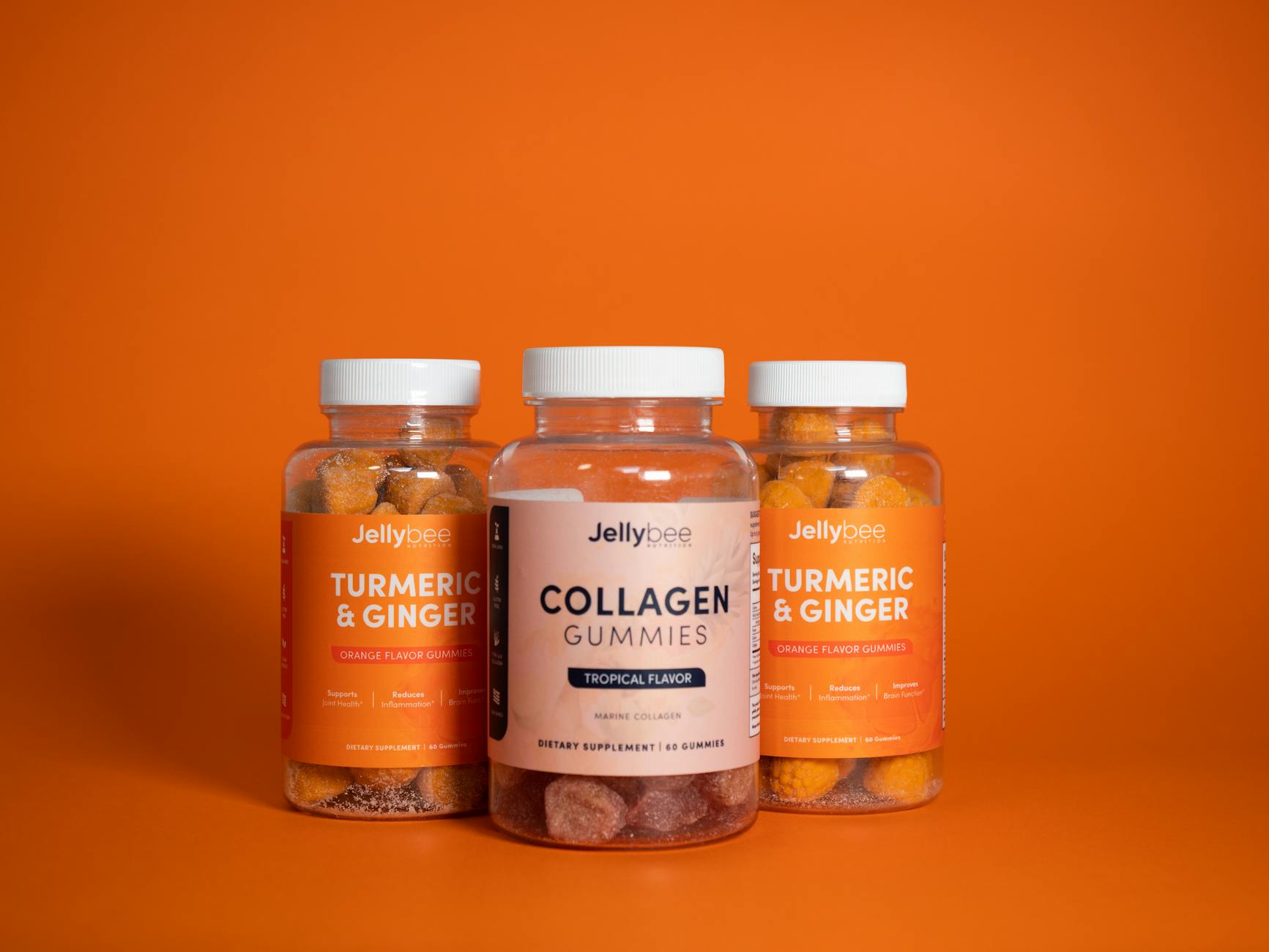
Selecting and using a turmeric supplement effectively requires moving beyond marketing claims to focus on specific, evidence-based parameters. The goal is to maximize the potential for bioavailability and therapeutic activity while minimizing risk.
Key Selection Criteria
When evaluating a product, prioritize these factors, listed in order of importance:
- Standardized Curcuminoid Content: Choose a supplement that clearly states the amount of curcuminoids per serving (e.g., 500 mg). This is the primary active compound group studied in clinical trials.
- Bioavailability Enhancer: Curcumin has very poor absorption on its own. Look for a formulation that includes a proven enhancer such as piperine (black pepper extract), phospholipids (as in Meriva®), or nanoparticles (as in Theracurmin®). This is non-negotiable for systemic effects.
- Third-Party Certification: Opt for products verified by independent organizations like USP, NSF, or ConsumerLab.com. This helps ensure the product contains what the label claims and is free from contaminants like heavy metals.
Evidence-Based Usage Guidance
Dosage in clinical studies for conditions like osteoarthritis or managing inflammation typically ranges from 500 mg to 1,000 mg of standardized curcuminoids, taken once or twice daily. The strongest evidence supports short- to medium-term use (8-12 weeks) for reducing joint discomfort and markers of inflammation. Long-term safety data beyond a few months is more limited.
Take your supplement with a meal containing healthy fats (e.g., avocado, olive oil, nuts) to further enhance absorption. Consistency is critical; sporadic use is unlikely to yield measurable benefits.
Clinical Perspective: In practice, we view curcumin supplements as a potential adjunct, not a replacement, for conventional therapies. The evidence is most robust for symptomatic relief in osteoarthritis. For other conditions like metabolic health or cognitive support, the data is promising but preliminary, and results can vary significantly between individuals. Always disclose supplement use to your healthcare provider.
Important Cautions and Contraindications
Turmeric supplements are not appropriate for everyone. Exercise caution and consult a physician before use if you:
- Take blood-thinning medications (e.g., warfarin, clopidogrel) or have a bleeding disorder, as curcumin may have antiplatelet effects.
- Have gallbladder disease or bile duct obstruction, as it may stimulate bile production.
- Are pregnant or breastfeeding, due to a lack of safety data.
- Have a history of kidney stones or are prone to them, as turmeric is high in oxalates.
- Are scheduled for surgery; discontinue use at least two weeks prior due to bleeding risk.
By applying these evidence-informed principles, you can make a more rational and safer choice, aligning your supplement use with the current understanding of clinical science.
5. Safety Considerations: When to Consult a Healthcare Professional
While turmeric and its active compound, curcumin, are generally well-tolerated, their classification as a "natural" supplement does not equate to being universally safe. A clinically responsible approach requires understanding potential interactions and contraindications. This is the critical step most users overlook, assuming supplements are inherently benign.
Key Populations Requiring Medical Consultation
Certain individuals should consult a physician or pharmacist before initiating a turmeric supplement regimen. This is not merely a precaution; it is a necessary step for safety.
- Individuals on Anticoagulant/Antiplatelet Therapy: Curcumin has demonstrated antiplatelet effects in laboratory and some animal studies. While robust human trial data on bleeding risk is limited, the theoretical interaction with drugs like warfarin, clopidogrel, or aspirin warrants extreme caution and professional oversight.
- Those with Gallbladder Disease or Bile Duct Obstruction: Turmeric may stimulate bile production. For individuals with gallstones or biliary obstruction, this could precipitate a painful attack or other complications.
- People with Gastroesophageal Reflux Disease (GERD) or Ulcers: High doses or prolonged use of turmeric supplements can cause gastrointestinal upset, including dyspepsia, nausea, or diarrhea, and may exacerbate underlying conditions.
- Individuals with Iron Deficiency or Risk Thereof: Some evidence suggests curcumin can chelate iron and may inhibit iron absorption in the gut, which could be problematic for those with anemia or borderline iron stores.
Clinical Insight: In practice, the primary concern is polypharmacy. Patients often do not disclose supplement use to their physicians. Turmeric supplements can interact with diabetes medications (potentiating hypoglycemia), chemotherapy agents, and drugs metabolized by specific liver enzymes (e.g., CYP450). A comprehensive medication review is essential before starting any new supplement.
Pre-Operative and Perioperative Considerations
Due to its potential effects on platelet function and blood sugar, it is standard medical advice to discontinue turmeric supplements at least two weeks prior to any scheduled surgical procedure to minimize the risk of excessive bleeding and to help stabilize metabolic parameters.
Quality and Dosage Uncertainties
The lack of stringent regulation over supplements means product potency, purity, and the presence of adulterants (like lead chromate in some turmeric powders) are not guaranteed. High-dose, long-term safety data in humans is also incomplete. Therefore, starting with the lowest effective dose and choosing a product from a reputable manufacturer that provides third-party verification is a prudent, evidence-informed practice.
The takeaway is clear: integrating a turmeric supplement safely requires more than reading a label. It necessitates an informed discussion with a healthcare professional who understands your full medical history and current medication profile.
6. Questions & Expert Insights
Is there a "best" type of turmeric supplement?
The most clinically studied form is curcumin with piperine (an extract from black pepper). Piperine inhibits certain metabolic enzymes, significantly increasing curcumin's bioavailability. However, this interaction is also the source of its primary risk: it can affect the metabolism of many prescription drugs. Other formulations use lipids (like phytosomes or nanoparticles) to enhance absorption without relying on metabolic inhibition. The evidence for superiority among these various "enhanced" forms is mixed, with most head-to-head comparisons being small or industry-funded. The "best" type is not universal; it depends on an individual's health goals, medication profile, and tolerance. A formulation with published human trials for your specific concern (e.g., osteoarthritis, post-exercise inflammation) is a more meaningful criterion than marketing claims alone.
What are the real risks and who should be cautious?
Turmeric supplements are not risk-free. The most significant concern is drug interactions. Piperine can increase the blood levels of medications metabolized by the liver's CYP3A4 and P-glycoprotein pathways, including blood thinners (warfarin, clopidogrel), certain antidepressants, and some blood pressure drugs, raising the risk of side effects or toxicity. High doses or long-term use may cause gastrointestinal upset. Individuals with the following conditions should exercise extreme caution and consult a doctor before use:
- Gallbladder disease or bile duct obstruction: Turmeric stimulates bile production, which can trigger pain or complications.
- Bleeding disorders or upcoming surgery: Curcumin has antiplatelet effects.
- Iron deficiency: Curcumin can chelate iron and may inhibit absorption.
- Pregnancy and breastfeeding: Safety data is insufficient.
When should I talk to my doctor, and what should I bring?
You should consult your physician or a pharmacist before starting a turmeric supplement if you have any chronic health condition or take any regular medication. This is non-negotiable for individuals on anticoagulants, diabetes medications, or drugs for high blood pressure. To make the conversation productive, bring three key items:
- A complete medication and supplement list, including dosages.
- The specific supplement bottle or a link to its label, so the doctor can see the form (e.g., curcumin with piperine), dosage, and other ingredients.
- Your clear health goal for taking it (e.g., "managing knee arthritis inflammation" rather than "for health").
How long does it take to see benefits, and what does the evidence actually show?
Effects are not immediate. For measurable inflammatory markers or joint pain in conditions like osteoarthritis, most randomized controlled trials observe statistically significant improvements over 8 to 12 weeks of consistent use. It's important to temper expectations: the effect size in these studies is often modest, comparable to some over-the-counter anti-inflammatories but with a different risk profile. For general "wellness" or prevention, robust long-term human data is lacking, and benefits are not guaranteed. The evidence is strongest for symptomatic relief in specific inflammatory conditions and is preliminary or mixed for others (e.g., depression, cognitive decline). Discontinuation typically leads to a return of symptoms, indicating it manages rather than cures underlying issues.
7. In-site article recommendations
8. External article recommendations
9. External resources
The links below point to reputable medical and evidence-based resources that can be used for further reading. Always interpret them in the context of your own situation and your clinician’s advice.
-
wikipedia wikipedia.orgturmeric supplements – Wikipedia (search)
-
drugs drugs.comturmeric supplements – Drugs.com (search)
-
healthline healthline.comturmeric supplements – Healthline (search)
These external resources are maintained by third-party organisations. Their content does not represent the editorial position of this site and is provided solely to support readers in accessing additional professional information.