
1. Introduction to Chia Seeds and Satiety
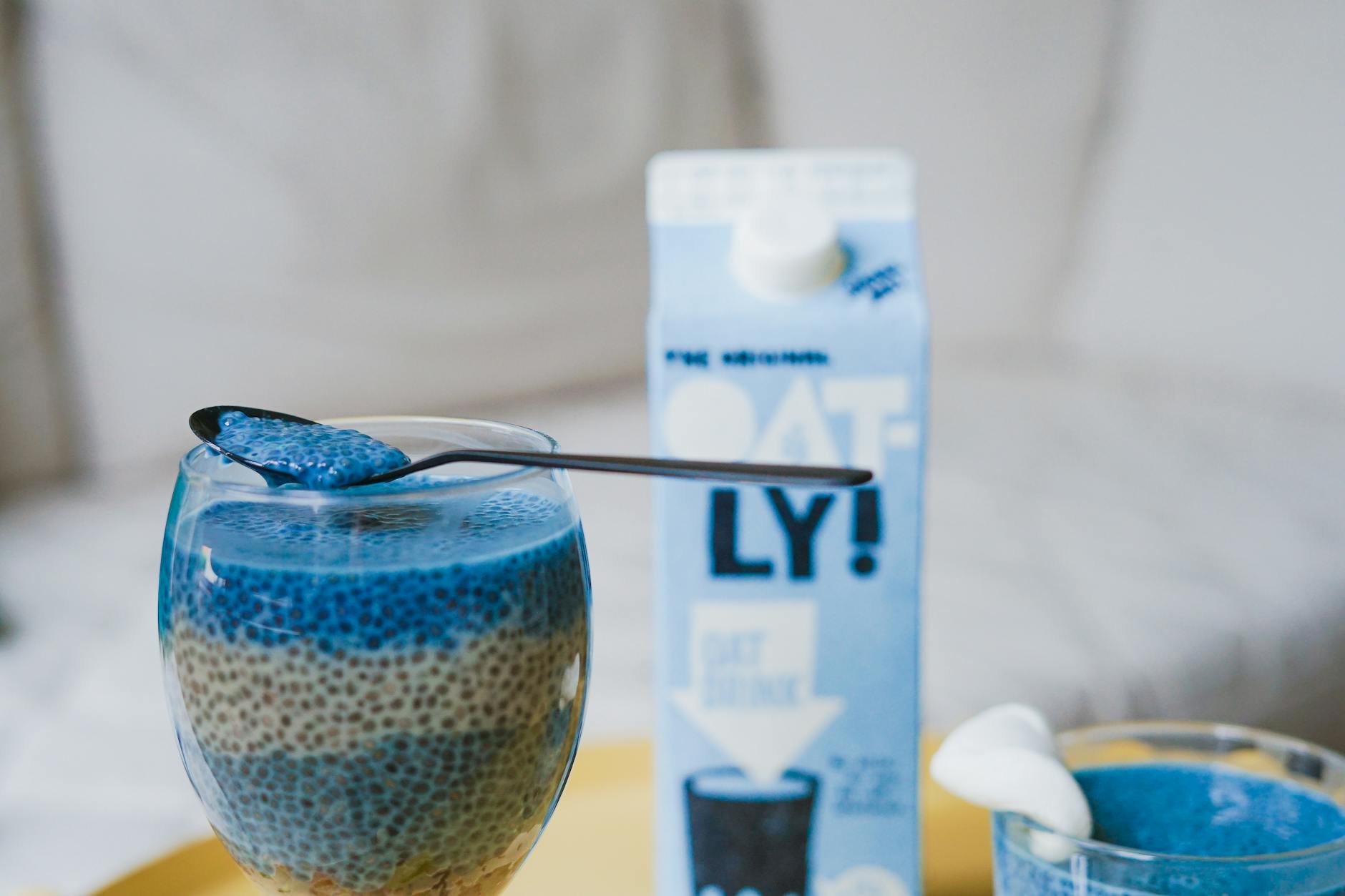
Chia seeds (Salvia hispanica L.) have garnered significant attention in nutritional science for their potential role in promoting satiety, the feeling of fullness that helps regulate energy intake. This interest stems from their unique macronutrient and fiber profile, which interacts with the digestive system in specific ways. Understanding this mechanism is key to using them effectively as part of a balanced dietary strategy.
The primary components of chia seeds believed to influence satiety are:
- Dietary Fiber: Chia seeds are exceptionally high in soluble fiber, primarily mucilage. When mixed with liquid, this fiber forms a viscous gel that slows gastric emptying and nutrient absorption in the small intestine. This process can prolong feelings of fullness and help stabilize post-meal blood glucose levels.
- Protein: With a relatively high protein content for a seed (approximately 16-18%), chia provides essential amino acids. Protein is the most satiating macronutrient, and its presence contributes to the overall satiety effect.
- Healthy Fats: Rich in alpha-linolenic acid (ALA), an omega-3 fatty acid, fats also contribute to satiety signals and the slow release of energy.
Current evidence supporting chia seeds for satiety is promising but requires nuance. Several short-term, controlled studies have demonstrated that consuming chia seeds can increase satiety ratings and reduce short-term food intake compared to placebo controls. However, the evidence for significant, long-term weight management solely from chia seed consumption is more limited and mixed. Their effectiveness is best viewed as a supportive component within a holistic diet rich in whole foods, adequate protein, and fiber.
Clinical Perspective: From a clinical standpoint, the gel-forming property of chia is its most tangible satiety mechanism. It physically increases the volume and viscosity of stomach contents, which stimulates stretch receptors and delays hunger signals. This makes them a useful tool for individuals seeking to manage portion sizes or curb between-meal snacking, provided they are consumed with ample water or other fluids.
It is important to approach their use with appropriate caution. Individuals with certain medical conditions or on specific medications should consult a healthcare provider before making significant dietary changes:
- Digestive Sensitivities: Introducing high-fiber foods like chia too quickly can cause bloating or discomfort. Start with a small amount (e.g., one teaspoon) and increase gradually.
- Dysphagia or Swallowing Difficulties: The gel-like consistency of soaked chia seeds may pose a risk if not prepared properly.
- Blood Thinners or Blood Pressure Medications: Due to potential effects on blood pressure and clotting, consultation with a doctor is advised for those on related medications.
- History of Bowel Obstruction: Individuals with a history of significant gastrointestinal strictures or obstructions should avoid high-fiber bulking agents without medical supervision.
When used mindfully, chia seeds can be a valuable, evidence-supported tool to enhance dietary satiety. The following chapters will provide practical, expert-backed recipes designed to leverage these properties effectively and safely.
2. Evidence-Based Mechanisms of Satiety

The satiating effect of chia seeds is not a singular "secret" but a result of several well-documented physiological mechanisms. The primary drivers are their exceptional fiber content and unique gel-forming properties, which are supported by a growing body of nutritional science.
Primary Mechanisms: Fiber and Gel Formation
Chia seeds are composed of about 34–40% dietary fiber by weight, with the majority being soluble fiber. When mixed with liquid, the soluble fiber forms a viscous gel. This gel-forming capacity is central to chia's satiety effects through two key actions:
- Gastric Retention and Distension: The gel expands in the stomach, increasing the volume and viscosity of the gastric contents. This promotes a feeling of fullness (satiety) by stimulating stretch receptors and slowing gastric emptying, which helps regulate the rate at which nutrients enter the small intestine.
- Slowed Nutrient Absorption: The viscous gel can also create a physical barrier in the small intestine, slowing the enzymatic breakdown and absorption of carbohydrates. This leads to a more gradual rise in blood glucose and insulin levels, which is associated with prolonged satiety and reduced subsequent hunger.
Supporting Nutritional Factors
Other components of chia seeds contribute to their overall satiety profile:
- Protein Content: Chia seeds contain a moderate amount of complete protein (about 16–18%). Protein is the most satiating macronutrient, promoting the release of hormones like peptide YY (PYY) and glucagon-like peptide-1 (GLP-1), which signal fullness to the brain.
- Healthy Fats: The high alpha-linolenic acid (ALA, an omega-3 fatty acid) content may influence satiety hormones, though the evidence for ALA's direct impact on short-term satiety in humans is less robust than for fiber and protein.
Clinical Perspective: While the mechanisms are sound, individual responses vary. The satiety effect is most pronounced when chia seeds are consumed pre-hydrated (soaked) as part of a meal or beverage, allowing the gel to form before ingestion. It is also dose-dependent; most studies demonstrating significant effects use doses of 15–25 grams (about 1–2 tablespoons).
Evidence Strength & Cautions: The evidence for fiber-induced satiety is strong and well-established in nutritional science. Data specifically from human trials on chia seeds, while promising, is more limited in scale and duration. Individuals with swallowing difficulties, certain gastrointestinal disorders (like strictures or severe dysmotility), or those taking specific medications (especially for diabetes or blood pressure, as chia may potentiate effects) should consult a healthcare provider before making significant dietary changes. Always consume chia seeds with ample fluid.
3. Risks and Contraindications

While chia seeds are generally safe for most people when consumed in typical culinary amounts, their unique properties necessitate awareness of specific risks and contraindications. A clinically responsible approach requires understanding these potential issues to ensure safe integration into a diet.
Gastrointestinal and Hydration Concerns
The high soluble fiber content, which is key to chia's satiety effect, can cause significant gastrointestinal distress if introduced too quickly or consumed in excess without adequate hydration. Common adverse effects include:
- Bloating, gas, and abdominal discomfort due to rapid fermentation of fiber by gut bacteria.
- Constipation or, paradoxically, diarrhea, depending on individual tolerance and fluid intake.
- Potential for esophageal obstruction, a rare but serious risk if dry seeds are swallowed and then absorb fluid in the esophagus. This is particularly a concern for individuals with a history of swallowing difficulties or esophageal strictures.
To mitigate these risks, it is strongly advised to start with a small dose (e.g., one teaspoon daily), ensure seeds are pre-soaked or thoroughly mixed into wet foods, and consume ample water throughout the day.
Clinical Insight: In practice, the most common presentation related to chia seeds in primary care is functional bloating and constipation. The advice is always to increase fiber intake gradually over several weeks and to pair it with increased fluid intake. The warning against consuming dry seeds is not theoretical; case reports of esophageal impaction exist, particularly in older adults or those with motility disorders.
Medication Interactions and Medical Conditions
Certain populations should exercise caution and consult a physician or registered dietitian before significantly increasing chia seed consumption.
- Blood Thinners (e.g., Warfarin): Chia seeds contain a moderate amount of vitamin K. While the evidence for clinically significant interaction is limited and based on mixed data, consistency is key. Patients on such medications should maintain a stable daily intake of vitamin K-rich foods and discuss any dietary changes with their healthcare provider to avoid destabilizing their anticoagulation therapy.
- Hypertension and Diabetes: While chia may modestly lower blood pressure and blood sugar—effects often viewed as beneficial—it poses a risk for individuals already on medication for these conditions. The combined effect could potentially lead to hypotension or hypoglycemia. Medical supervision is recommended to adjust medication if necessary.
- Prostate Cancer or High Triglycerides: The alpha-linolenic acid (ALA) in chia is a plant-based omega-3. Some older, observational studies suggested a possible link between high ALA intake and prostate cancer risk, but subsequent reviews and meta-analyses have found the evidence to be inconclusive and not causative. The American Institute for Cancer Research states that ALA from plant sources is not a cause for concern. However, individuals with a history of prostate cancer may choose to discuss this with their oncologist. Furthermore, in very high doses (far beyond culinary use), ALA can increase triglyceride levels in individuals with pre-existing severe hypertriglyceridemia.
- Food Allergies: Although rare, allergic reactions to chia seeds, including anaphylaxis, have been documented. Those with known allergies to mustard seeds or sesame seeds may be at higher risk due to potential cross-reactivity.
The overarching recommendation is clear: individuals with chronic medical conditions, those taking regular medications, pregnant or breastfeeding women, and anyone with a history of swallowing disorders should seek professional medical advice before using chia seeds as a regular dietary strategy for satiety.
4. Practical Applications and Recipe Integration
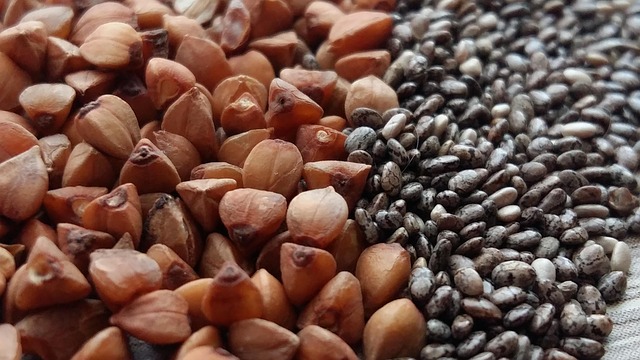
Integrating chia seeds into your diet for satiety is most effective when you leverage their unique gelling properties. The key is to allow them to fully hydrate, which transforms them into a viscous gel that slows gastric emptying and promotes a feeling of fullness. This process, while supported by the fiber's known physiological effects, has more robust evidence for its general role in satiety than for chia seeds specifically in large, long-term human trials.
For practical use, consider these evidence-informed principles:
- Pre-hydrate for Maximum Effect: Soaking chia seeds in liquid (water, milk, or plant-based alternatives) for at least 15-30 minutes, or overnight, creates a pudding-like consistency that is most effective for prolonging satiety.
- Mind the Dosage: A typical serving is 1-2 tablespoons (approximately 10-20 grams). Starting with a smaller amount allows your digestive system to adapt to the high fiber content.
- Pair with Protein and Healthy Fats: Combining chia with other satiating nutrients, like Greek yogurt or nut butter, can create a more balanced and satisfying meal or snack.
The following recipe concepts are designed to integrate chia seeds thoughtfully into your daily pattern. They prioritize the hydration method and nutrient pairing for optimal satiety outcomes.
- Overnight Chia Pudding: Mix 3 tbsp chia seeds with 1 cup of milk alternative, a dash of vanilla, and a light sweetener. Refrigerate overnight. Top with berries for added fiber.
- Satiety-Boost Smoothie: Blend 1 tbsp pre-soaked chia gel into your regular smoothie. The gel adds thickness and slows consumption, enhancing fullness cues.
- Hydrating Chia Fresca: Stir 1 tsp chia seeds into 10 oz of water with a squeeze of citrus. Let sit for 10 minutes before drinking. This provides a low-calorie, hydrating option with mild satiety benefits.
- Nutrient-Dense Topping: Sprinkle 1-2 tsp of dry or pre-soaked chia seeds onto oatmeal, yogurt, or salads. This adds texture, fiber, and omega-3s without significantly altering flavor.
- Egg Replacement in Baking: For binding, mix 1 tbsp chia seeds with 2.5 tbsp water to replace one egg. This adds fiber to muffins or pancakes, though the satiety impact of chia in this cooked form is less studied.
Remember, these applications are dietary strategies, not substitutes for medical advice. Their efficacy can vary based on individual metabolism, overall diet, and health status. Consistency and integration into a balanced dietary pattern are more important than any single food.
5. Safety Guidelines and When to Consult a Healthcare Provider

While chia seeds are generally recognized as safe for most people when consumed in typical food amounts, their unique properties require specific safety considerations. Adopting a cautious, evidence-based approach is essential for integrating them into your diet responsibly.
Key Safety Guidelines for Chia Seed Consumption
To minimize potential adverse effects, follow these practical guidelines:
- Start Slowly and Hydrate: Chia seeds absorb 10–12 times their weight in water. Introduce them gradually (e.g., 1 teaspoon daily) and ensure you are drinking adequate fluids throughout the day to prevent gastrointestinal discomfort or obstruction.
- Mind the Dosage: Most clinical studies on satiety and blood sugar control have used doses of 25–40 grams (about 2–3 tablespoons) per day. There is limited high-quality evidence on the long-term safety of consistently consuming amounts significantly above this range.
- Prepare Properly: Consuming dry chia seeds is not recommended, especially for individuals with swallowing difficulties. Always soak them in liquid for at least 10–15 minutes to allow them to form a gel, which is safer and improves digestibility.
- Be Aware of Allergies: Though rare, allergic reactions to chia seeds are possible. Discontinue use and seek medical attention if you experience symptoms like hives, itching, or difficulty breathing.
Clinical Insight: From a gastroenterology perspective, the major risk is impaction or blockage, particularly in individuals with a history of esophageal strictures, swallowing disorders (dysphagia), or severe constipation. The gel-forming property, while beneficial for satiety, can be problematic if adequate fluid intake is not maintained. Always treat chia seeds as a food that requires preparation, not a supplement to be taken dry.
Who Should Exercise Caution or Consult a Provider?
Certain individuals should seek personalized medical advice before regularly consuming chia seeds:
- Individuals on Blood Pressure or Blood Thinning Medications: Preliminary studies suggest chia seeds may have mild blood pressure-lowering and antiplatelet effects. If you take medications like antihypertensives, warfarin, or aspirin, consult your doctor to discuss potential interactions.
- People with Digestive Disorders: Those with Crohn's disease, ulcerative colitis, diverticulitis, or a history of bowel obstructions should discuss chia seed use with a gastroenterologist, as the high fiber content may exacerbate symptoms during a flare.
- Individuals with Kidney Disease: Chia seeds are a rich source of phosphorus and potassium. Patients with chronic kidney disease (CKD) who need to restrict these minerals should have their diet reviewed by a renal dietitian.
- People Planning Surgery: Due to the potential effect on bleeding, it may be prudent to discontinue high-dose chia seed consumption 1–2 weeks before elective surgical procedures, as you would with other supplements.
- Anyone with a History of Eating Disorders: Using any food specifically as a "satiety tool" can sometimes trigger unhealthy patterns in susceptible individuals. A healthcare provider can help ensure dietary changes support overall mental and physical health.
In summary, chia seeds are a safe and nutritious addition for most people when used appropriately. The strongest evidence supports their role in promoting fullness when consumed as part of a balanced diet. However, individual health conditions and medications necessitate a personalized approach. When in doubt, a consultation with your physician or a registered dietitian is the most responsible course of action.
6. Questions & Expert Insights
Can chia seeds really help me feel full, and how does that work?
The satiating effect of chia seeds is primarily attributed to their high soluble fiber content, specifically a type called mucilage. When mixed with liquid, chia seeds absorb up to 10–12 times their weight, forming a gel-like substance in the stomach. This gel slows gastric emptying, which can promote a feeling of fullness and may help moderate appetite and subsequent calorie intake. Evidence from small, short-term studies supports this mechanism, showing that incorporating chia seeds can increase satiety. However, it's important to view them as one component of a balanced diet, not a standalone solution for weight management. The effect is most pronounced when chia seeds are consumed pre-hydrated (soaked) rather than dry, allowing the gel to form before ingestion.
Are there any risks or side effects, and who should avoid chia seeds?
While generally safe for most, chia seeds can cause digestive discomfort like bloating, gas, or constipation if introduced too quickly or consumed in large quantities without adequate hydration. A more significant risk involves individuals with a history of dysphagia (swallowing difficulties) or esophageal strictures. Consuming dry chia seeds, which can rapidly absorb saliva and expand in the esophagus, poses a serious choking hazard and must be avoided. Those with specific medical conditions should also exercise caution: individuals with kidney disease may need to limit intake due to high phosphorus content, and those on blood-thinning medications like warfarin should maintain consistent vitamin K intake (present in chia seeds) and discuss dietary changes with their doctor.
When should I talk to my doctor before adding chia seeds to my diet?
Consulting a physician or a registered dietitian is advisable if you have a chronic health condition or take regular medications. This is particularly important for individuals with diagnosed kidney disease, a history of swallowing disorders, uncontrolled hypertension (as chia may interact with blood pressure medications), or those on anticoagulants. Before your appointment, prepare a list of your current medications and supplements. Be ready to discuss your typical daily fluid intake and your specific goals for using chia seeds (e.g., appetite control, adding fiber). This information allows your healthcare provider to give personalized, safe guidance that integrates chia seeds into your overall management plan without unintended interactions.
How much chia seed should I consume daily for satiety, and what's the best way to start?
Most research on satiety uses doses of around 1–2 tablespoons (approximately 10–25 grams) per day. It is crucial to start with a smaller amount, such as 1 teaspoon daily, and gradually increase over 1–2 weeks to allow your digestive system to adapt. Always consume chia seeds that have been soaked in liquid for at least 5–10 minutes, or incorporate them into recipes where they can fully hydrate, like puddings or overnight oats. Drinking plenty of water throughout the day is essential when increasing fiber intake. The evidence for long-term weight management benefits is limited, so focus on the short-term satiety effect as a tool to help structure balanced meals and snacks, rather than expecting dramatic, sustained weight loss from chia seeds alone.
7. In-site article recommendations
8. External article recommendations
9. External resources
The links below point to reputable medical and evidence-based resources that can be used for further reading. Always interpret them in the context of your own situation and your clinician’s advice.
-
healthline healthline.comchia seeds – Healthline (search)
-
wikipedia wikipedia.orgchia seeds – Wikipedia (search)
-
examine examine.comchia seeds – Examine.com (search)
These external resources are maintained by third-party organisations. Their content does not represent the editorial position of this site and is provided solely to support readers in accessing additional professional information.