
1. Ginger Root in Digestive Health: An Overview

Ginger (Zingiber officinale) has been a cornerstone of traditional medicine systems for millennia, with its application for digestive complaints being one of its most enduring and well-documented uses. Modern scientific inquiry has begun to elucidate the mechanisms behind these traditional claims, positioning ginger as a subject of legitimate clinical interest for gastrointestinal wellness.
The primary bioactive compounds in ginger, namely gingerols and shogaols, are thought to mediate its digestive effects. Research suggests these compounds may:
- Accelerate Gastric Emptying: Ginger appears to stimulate gastric motility, which can help alleviate sensations of fullness and bloating.
- Exert Anti-nausea Effects: It may act on serotonin receptors and the digestive tract directly, reducing signals that trigger nausea.
- Modulate Inflammation: Its anti-inflammatory properties may soothe an irritated gastrointestinal lining.
The evidence supporting these mechanisms varies in strength. The use of ginger for nausea, particularly postoperative nausea and vomiting (PONV) and nausea related to pregnancy (morning sickness), is supported by a robust body of randomized controlled trials (RCTs). For functional dyspepsia and general bloating, the evidence is more preliminary but promising, often showing benefit over placebo in smaller studies.
Clinical Perspective: From a clinical standpoint, ginger is often considered a low-risk, first-line dietary intervention for mild, episodic digestive discomfort. Its advantage lies in its rapid action and general safety profile for most adults. However, it is not a substitute for diagnosing the underlying cause of chronic or severe digestive symptoms, which require proper medical evaluation.
It is crucial to approach its use with informed caution. Individuals with gallstone disease should use ginger carefully, as it may increase bile flow. Those on anticoagulant medications (e.g., warfarin) or with bleeding disorders should consult a physician, as ginger may have mild antiplatelet effects. While often used for pregnancy-related nausea, pregnant individuals should discuss dosage with their obstetrician prior to use.
In summary, ginger root presents a compelling example of a traditional remedy with a growing evidence base for specific digestive applications. Its value lies in its targeted, symptomatic relief for common issues like nausea and bloating, within a context of overall balanced health practices and professional medical guidance for persistent conditions.
2. Mechanisms and Scientific Evidence Behind Ginger's Effects

The therapeutic potential of ginger root (Zingiber officinale) for digestive wellness is not a secret but rather a subject of ongoing scientific inquiry. Its effects are primarily attributed to its bioactive compounds, notably gingerols and shogaols. These compounds appear to influence digestive function through several interconnected physiological pathways.
Key Proposed Mechanisms
Research suggests ginger may support digestion by:
- Modulating Gut Motility: Ginger has been shown to have prokinetic effects, potentially accelerating gastric emptying and stimulating intestinal contractions. This can help alleviate sensations of fullness and bloating.
- Exerting Anti-inflammatory and Antioxidant Activity: Chronic, low-grade inflammation can disrupt gut function. Ginger's compounds may help modulate inflammatory pathways in the gut lining and neutralize free radicals.
- Influencing Serotonin Receptors: A significant portion of the body's serotonin (5-HT) is found in the gut, where it regulates motility and sensation. Ginger may act as a 5-HT3 receptor antagonist, which is the mechanism behind some anti-nausea medications.
Evaluating the Evidence
The strength of evidence varies by condition:
- Strongest Evidence – Nausea and Vomiting: Multiple systematic reviews and meta-analyses confirm ginger is effective for nausea, especially in pregnancy (morning sickness) and post-operatively. Doses of 1–1.5 grams per day are commonly studied.
- Promising but Mixed Evidence – Functional Dyspepsia and IBS: Some trials show ginger can reduce severity of bloating and cramping, while others show minimal effect. The heterogeneity of these functional disorders makes clear conclusions difficult.
- Preliminary Evidence – Gut Microbiome: Animal and in-vitro studies suggest ginger may promote beneficial gut bacteria, but human clinical data is currently lacking.
It is important to note that many studies are of short duration or use varying ginger preparations (fresh, dried, extracted), which affects compound concentration and outcomes.
Who Should Exercise Caution: Individuals on anticoagulant/antiplatelet drugs (e.g., warfarin, aspirin) should consult a doctor, as ginger may theoretically increase bleeding risk. Those with gallstone disease should use caution, as ginger may stimulate bile flow. Always discuss use with a healthcare provider if you are pregnant, despite its common use for morning sickness.
3. Contraindications and Populations at Risk

While ginger root is generally recognized as safe for most people when used in culinary amounts, its concentrated use for therapeutic purposes requires a more cautious approach. Certain populations and medical conditions present specific contraindications or heightened risks that must be acknowledged to ensure safety.
Individuals with Bleeding Disorders or Upcoming Surgery
Ginger possesses antiplatelet (blood-thinning) properties. While the clinical significance of this effect from typical dietary intake is low, concentrated doses (e.g., supplements, extracts) may potentiate the effects of anticoagulant and antiplatelet medications like warfarin, clopidogrel, or aspirin. This increases the risk of bruising and bleeding.
- Action Required: Individuals on such medications or with bleeding disorders (e.g., hemophilia) must consult their physician. Discontinuation of ginger supplements is typically advised at least two weeks prior to any scheduled surgical or dental procedure.
Individuals with Gallbladder Disease
Ginger is a cholagogue, meaning it may stimulate bile production. For individuals with a history of gallstones or other gallbladder disease, this action could theoretically precipitate a biliary colic attack or worsen symptoms.
Pregnancy and Lactation
The evidence here is nuanced. While ginger is a well-researched and often recommended option for pregnancy-related nausea, its use is not without caveats.
- Pregnancy: Use should be limited to the lowest effective dose for symptom relief and is generally not recommended in the third trimester due to theoretical concerns about affecting fetal hormones or increasing bleeding risk near delivery. It is contraindicated in women with a history of miscarriage or vaginal bleeding during pregnancy.
- Lactation: Data is limited. While likely safe in culinary amounts, the safety of high-dose supplementation during breastfeeding is not well established.
Clinical Insight: In practice, the primary concern with ginger supplements is their interaction with prescribed medications. Patients often do not consider herbal supplements as "active agents," leading to underreporting. A thorough medication reconciliation that includes all supplements is essential to identify potential interactions with anticoagulants, antidiabetics, and antihypertensives.
Other Considerations
- Gastroesophageal Reflux Disease (GERD): While ginger can aid digestion for some, it may exacerbate heartburn or reflux symptoms in others, particularly in higher doses, due to its pungent compounds.
- Cardiovascular Conditions: High doses may lower blood pressure or affect heart rate. Individuals with hypotension or arrhythmias should use caution.
- Allergy: Although rare, allergic reactions to ginger are possible.
The overarching principle is that natural does not automatically mean risk-free for everyone. Individuals with pre-existing medical conditions, those taking regular medications, and pregnant or lactating individuals should seek professional medical advice before initiating therapeutic use of ginger.
4. Evidence-Based Recommendations for Use

To integrate ginger root into a health regimen effectively, it is essential to follow evidence-based dosing and preparation methods. The most robust clinical data for digestive support, particularly for nausea, involves oral doses of 1 to 1.5 grams of dried ginger root powder per day, often divided into two or three doses. This is roughly equivalent to one teaspoon of freshly grated ginger or a 1-inch piece of fresh root.
For practical application, consider these methods:
- Fresh Ginger Tea: Steep 1-2 grams of thinly sliced or grated fresh ginger in hot water for 5-10 minutes.
- Powdered Supplement: Standardized capsules typically provide 500–1000 mg per dose. Look for products that specify the gingerol content.
- Culinary Use: Incorporating grated ginger into meals provides a lower, consistent intake that may support general digestive tone.
Clinical Insight: The evidence is strongest for acute relief of nausea (post-operative, chemotherapy-induced, and pregnancy-related). Data for chronic conditions like IBS or functional dyspepsia is more preliminary, suggesting potential benefit but not conclusive efficacy. Ginger's prokinetic effects—helping move food through the stomach—are a key proposed mechanism, but individual responses can vary significantly.
It is crucial to distinguish between strong and limited evidence. Ginger is well-established as a safe and effective anti-emetic for specific scenarios. However, claims regarding its ability to "heal" ulcers, "cure" SIBO, or "detox" the liver are not supported by high-quality human trials and should be viewed with caution.
Safety and contraindications must be considered. While generally recognized as safe by food safety authorities, ginger may interact with anticoagulants (e.g., warfarin) and antiplatelet drugs due to mild antiplatelet activity. Individuals with gallstone disease should use caution as ginger may increase bile secretion. Those scheduled for surgery should discontinue use at least one to two weeks prior due to the potential bleeding risk.
Consult a gastroenterologist or primary care physician before beginning regular supplementation if you are pregnant (despite its use for morning sickness, dosage should be medically supervised), have a bleeding disorder, are on blood-thinning medication, or have a history of digestive ulcers or kidney stones. Ginger is a supportive tool, not a substitute for professional diagnosis and treatment of underlying gastrointestinal conditions.
5. When to Seek Medical Advice
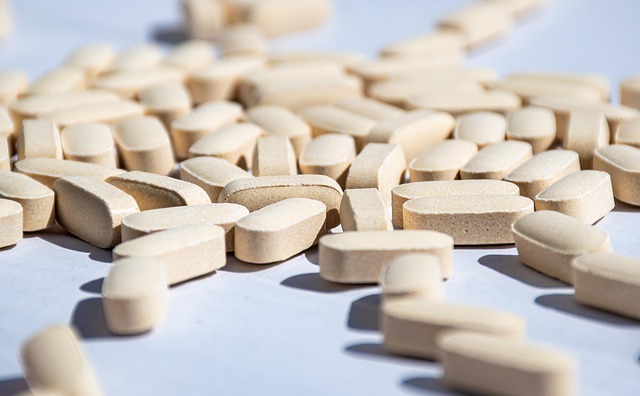
While ginger is a well-tolerated dietary supplement with a long history of use for digestive complaints, it is not a substitute for professional medical diagnosis or treatment. Understanding when to consult a healthcare provider is a critical component of responsible self-care.
You should seek medical advice promptly in the following situations:
- Persistent or Severe Symptoms: Nausea, vomiting, abdominal pain, bloating, or heartburn that lasts more than a few days, is severe, or is worsening despite using ginger or other dietary measures.
- Presence of "Red Flag" Signs: Symptoms such as unexplained weight loss, difficulty swallowing, vomiting blood, or black, tarry stools require immediate medical evaluation, as they can indicate serious underlying conditions.
- Uncertain Diagnosis: If the cause of your digestive discomfort is unknown, a proper diagnosis from a physician is essential. Ginger may mask symptoms of conditions like gastritis, ulcers, gallbladder disease, or even certain cancers, delaying crucial treatment.
Clinical Insight: In practice, ginger is often considered a complementary approach for mild, functional symptoms like occasional motion sickness or chemotherapy-induced nausea (where evidence is stronger). However, clinicians emphasize it should not delay workup for new, changing, or alarm symptoms. Self-treating chronic heartburn (GERD) with ginger, for instance, without an evaluation, can allow esophageal damage to progress.
Certain individuals should exercise particular caution and consult a doctor before using ginger therapeutically:
- Those on Anticoagulant/Antiplatelet Medications: Ginger has mild antiplatelet effects. While the risk of interaction is generally low with dietary amounts, concentrated supplements may increase bleeding risk when combined with drugs like warfarin, aspirin, or clopidogrel.
- Individuals with Gallstone Disease: Ginger may stimulate bile production. Those with known gallstones should use it cautiously, as it could potentially trigger a gallbladder attack.
- People Scheduled for Surgery: Due to its potential effects on bleeding, it is commonly advised to discontinue ginger supplements at least two weeks prior to any scheduled surgical procedure.
- Those with Underlying Health Conditions: Individuals with bleeding disorders, diabetes (as ginger may lower blood sugar), or significant heart conditions should discuss use with their provider.
In summary, view ginger as a potential supportive tool within a broader management plan, not a cure-all. The most evidence-based approach is to use it for mild, transient issues while partnering with a healthcare professional for any persistent, severe, or concerning digestive symptoms to ensure safe and effective care.
6. Questions & Expert Insights
Can ginger really treat serious digestive issues like IBS or chronic acid reflux?
Ginger is best understood as a supportive, complementary agent for symptom management rather than a treatment for underlying conditions. For Irritable Bowel Syndrome (IBS), some randomized controlled trials suggest ginger may modestly reduce symptoms like bloating and abdominal discomfort, likely due to its prokinetic and anti-inflammatory properties. However, evidence is not robust enough to recommend it as a primary therapy, and it does not address all IBS subtypes. For chronic acid reflux (GERD), the evidence is more mixed and caution is warranted. While ginger can aid gastric emptying, potentially reducing reflux episodes, its pungent compounds may also irritate the esophageal mucosa in some individuals, worsening heartburn. It should not replace proven treatments like proton-pump inhibitors for diagnosed GERD.
What are the risks or side effects of using ginger daily for digestion?
While generally recognized as safe by food standards, daily medicinal use carries potential risks. The most common side effects are mild heartburn, mouth irritation, and gas. At higher doses (typically over 4 grams daily), ginger may act as a blood thinner by inhibiting platelet aggregation, increasing the risk of bruising or bleeding, especially if combined with anticoagulant medications like warfarin or aspirin. It can also lower blood pressure and blood sugar, which requires monitoring for individuals on antihypertensives or antidiabetic drugs. Long-term safety data for high-dose supplementation is limited. Certain populations should avoid or use extreme caution: individuals with gallstone disease (ginger may increase bile flow), those scheduled for surgery, and people with a history of bleeding disorders.
When should I talk to my doctor before using ginger, and what information should I bring?
Consult a physician or a registered dietitian before starting ginger if you: 1) have a diagnosed digestive condition (e.g., GERD, ulcers, IBD), 2) are pregnant (especially near term, due to theoretical uterine stimulation risk), 3) take any regular medication (particularly anticoagulants, diabetes, or blood pressure drugs), or 4) have a planned surgery. For a productive conversation, bring specific details: the form of ginger you plan to use (fresh, tea, capsule, dose in grams), your intended frequency, and your primary health goal (e.g., "reduce post-meal bloating"). Also, share your complete medication and supplement list. This allows your provider to assess potential interactions and advise on a safe, monitored trial period rather than giving a blanket yes or no.
Is there a "best" form or dose of ginger for digestive wellness?
There is no single "best" form, as efficacy depends on the targeted symptom and individual tolerance. For nausea or immediate post-meal discomfort, chewing a thin slice of fresh ginger (250-500 mg) or drinking freshly steeped ginger tea may offer the fastest relief due to rapid absorption of compounds like gingerols. For chronic issues like dyspepsia, standardized capsules (often 1-1.5 grams daily) provide a consistent, measurable dose, which is crucial for clinical assessment. Most research on functional dyspepsia and colonic motility uses doses of 1-1.5 grams of powdered ginger extract. However, "more" is not necessarily better; exceeding 4 grams daily increases side-effect risks without proven added benefit. Start low (500 mg), assess tolerance over a week, and adjust only if needed and after consulting a professional, acknowledging that high-quality comparative studies between forms are limited.
7. In-site article recommendations
8. External article recommendations
9. External resources
The links below point to reputable medical and evidence-based resources that can be used for further reading. Always interpret them in the context of your own situation and your clinician’s advice.
-
examine examine.comginger root – Examine.com (search)
-
mayoclinic mayoclinic.orgginger root – Mayo Clinic (search)
-
healthline healthline.comginger root – Healthline (search)
These external resources are maintained by third-party organisations. Their content does not represent the editorial position of this site and is provided solely to support readers in accessing additional professional information.