
1. Turmeric in Context: Historical Use and Modern Relevance

For over 4,000 years, turmeric (*Curcuma longa*) has been a cornerstone of traditional medical systems, most notably Ayurveda in India and traditional Chinese medicine. Its historical applications were remarkably broad, extending far beyond its culinary role as a spice. Practitioners used it to support digestion, promote wound healing, address skin conditions, and alleviate joint discomfort. This long-standing empirical use provided the initial hypothesis that turmeric possessed bioactive properties worthy of scientific investigation.
The modern scientific narrative of turmeric is inextricably linked to the isolation of its primary active compound, curcumin, in 1815, and the subsequent elucidation of its chemical structure in 1910. This discovery shifted the focus from the whole rhizome to a specific phytochemical, allowing for controlled laboratory and clinical studies. Contemporary research has largely concentrated on curcumin's potential to modulate inflammatory pathways, such as inhibiting nuclear factor-kappa B (NF-κB) and downregulating various pro-inflammatory cytokines.
The current relevance of turmeric lies in this bridge between tradition and evidence. While the historical use is extensive, modern evidence varies in strength:
- Stronger Evidence: A substantial body of preclinical (cell and animal) data robustly demonstrates curcumin's anti-inflammatory and antioxidant mechanisms.
- Mixed/Limited Clinical Evidence: Human trial data is promising but inconsistent. Meta-analyses suggest potential benefit for symptoms in osteoarthritis and rheumatoid arthritis, but results are mixed, and many studies are small or of short duration. Evidence for other inflammatory conditions is more preliminary.
Individuals with the following conditions should exercise caution and consult a physician before using high-dose turmeric/curcumin supplements: those with gallbladder disease, bile duct obstruction, bleeding disorders, or who are on anticoagulant/antiplatelet medications (e.g., warfarin, clopidogrel). It may also interact with certain chemotherapy drugs. Pregnant women should avoid supplemental doses beyond typical culinary amounts.
2. Mechanisms and Evidence: Curcumin's Anti-Inflammatory Effects

Curcumin, the primary bioactive polyphenol in turmeric, exerts its anti-inflammatory effects through a complex modulation of molecular signaling pathways. Its activity is not based on a single mechanism but rather on a multi-targeted approach that influences several key players in the inflammatory cascade.
The most well-documented mechanism is the inhibition of nuclear factor-kappa B (NF-κB), a master regulator protein complex that activates the genes responsible for producing pro-inflammatory cytokines like TNF-α, IL-1β, and IL-6. By blocking the activation of NF-κB, curcumin can reduce the downstream production of these inflammatory mediators. It also downregulates the activity of enzymes such as cyclooxygenase-2 (COX-2) and lipoxygenase (LOX), which are involved in synthesizing inflammatory prostaglandins and leukotrienes.
Evidence from human clinical trials presents a nuanced picture. The strongest supportive data comes from studies on osteoarthritis and rheumatoid arthritis. Multiple randomized controlled trials (RCTs) have shown that standardized curcumin extracts can reduce pain and improve physical function scores comparably to some non-steroidal anti-inflammatory drugs (NSAIDs), often with a more favorable gastrointestinal side-effect profile.
Evidence in other inflammatory conditions is more preliminary or mixed:
- Inflammatory Bowel Disease (IBD): Small-scale human studies and animal models suggest potential for reducing disease activity, but larger, long-term RCTs are needed to confirm efficacy and optimal dosing.
- Metabolic Inflammation: Some trials indicate curcumin may improve markers like CRP and adiponectin in individuals with metabolic syndrome, but results are not entirely consistent across all populations.
- Post-Surgical Inflammation: Several studies show it can reduce post-operative inflammation and pain, supporting its role as a potential adjunct therapy.
It is crucial to interpret this evidence with its limitations in mind. Many trials are of short duration, have small sample sizes, or use highly bioavailable formulations not equivalent to common culinary turmeric. The effects of long-term supplementation are not fully established.
Who should be cautious? Individuals on anticoagulant/antiplatelet drugs (e.g., warfarin, clopidogrel) should consult a doctor, as curcumin may enhance bleeding risk. Those with gallbladder disease, bile duct obstruction, or who are preparing for surgery should also seek medical advice. Due to its potential estrogenic effects, individuals with hormone-sensitive conditions should use caution. Consulting a healthcare provider is essential before starting any new supplement regimen, particularly for those with pre-existing conditions or who are taking multiple medications.
3. Risks and Contraindications: Who Should Exercise Caution
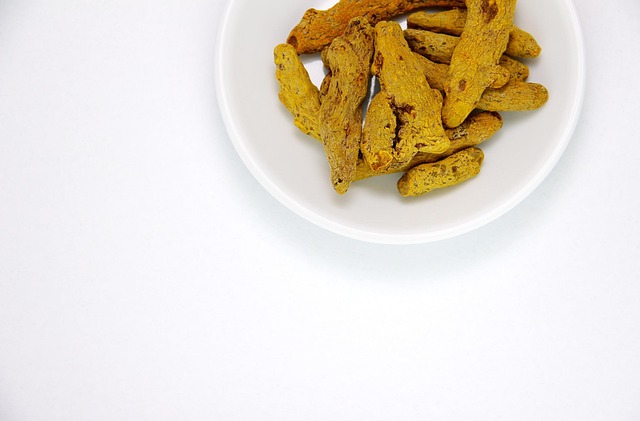
While turmeric and its active compound, curcumin, are generally well-tolerated, they are not without potential risks. A responsible approach requires understanding these contraindications and who should exercise caution. The most common adverse effects are mild gastrointestinal symptoms, such as nausea, diarrhea, or acid reflux, particularly at higher doses.
Key Populations for Caution
Certain individuals should consult a healthcare provider before using turmeric supplements:
- Individuals on Anticoagulant/Antiplatelet Therapy: Curcumin may have mild antiplatelet effects. Combining it with drugs like warfarin, clopidogrel, or aspirin could theoretically increase bleeding risk, though strong clinical evidence for significant interaction is limited. Caution is advised.
- People with Gallbladder Disease or Bile Duct Obstruction: Turmeric may stimulate bile production, which could precipitate symptoms in those with gallstones or related conditions.
- Those with Iron Deficiency or Risk Thereof: Some preclinical data suggests curcumin may chelate iron or interfere with its absorption. Individuals with anemia or borderline iron status should monitor their levels.
- Individuals with Gastroesophageal Reflux Disease (GERD) or Ulcers: Turmeric may exacerbate symptoms in sensitive individuals.
Supplement-Specific Considerations
Risks are often linked to supplement form, not culinary use. High-dose extracts (typically >1 gram of curcumin daily) carry more potential for side effects and interactions. Furthermore, many supplements include piperine (from black pepper) to enhance bioavailability, which can also increase the absorption—and thus the effects and side effects—of certain medications.
Clinical Insight: In practice, the primary concern is polypharmacy. Patients on medications for diabetes, hypertension, or cancer therapy should discuss turmeric supplements with their doctor, as interactions, though not always well-documented, are possible. The adage "natural does not mean risk-free" is particularly relevant here. A detailed medication and supplement review is essential before initiation.
Pregnant and breastfeeding women are advised to avoid therapeutic doses of turmeric supplements due to insufficient safety data, though culinary amounts are considered safe. Lastly, due to its potential estrogenic activity, individuals with hormone-sensitive conditions (e.g., certain breast cancers) should use caution.
The evidence for most serious adverse events is limited and often based on case reports or theoretical concerns. However, this underscores the importance of personalized medical advice. For most healthy individuals using moderate amounts of turmeric in food, the risks are minimal. For those considering high-dose supplementation, especially with pre-existing conditions or medications, a discussion with a physician is a prudent and necessary step.
4. Practical Takeaways: Evidence-Based Usage Guidelines
Translating the promising research on turmeric and its active compound, curcumin, into safe and effective daily practice requires attention to formulation, dosage, and individual health factors. The following guidelines are synthesized from systematic reviews and clinical trial data, with a focus on managing low-grade, chronic inflammation.
Key Considerations for Effective Use
The primary challenge with curcumin is its poor bioavailability. To achieve the plasma levels associated with anti-inflammatory effects in studies, specific formulations are necessary.
- Enhance Absorption: Combine turmeric with black pepper (piperine), which can increase curcumin absorption by up to 2000%. Many high-quality supplements already include piperine or other bioavailability enhancers like lipids (in liposomal or phytosome forms).
- Dosage Range: Clinical trials for conditions like osteoarthritis or metabolic syndrome typically use doses of 500–1,500 mg of standardized curcumin extract daily, often divided. Culinary use of turmeric powder, while beneficial, provides a much lower dose of curcuminoids.
- Consistency is Critical: Anti-inflammatory effects are cumulative. Benefits are generally observed after consistent use for 4–12 weeks in research settings.
Clinical Insight: In practice, we view curcumin as a potential adjunct, not a replacement, for first-line anti-inflammatory therapies. The evidence is strongest for symptomatic relief in osteoarthritis, where it shows a modest effect size comparable to some NSAIDs for pain reduction. For systemic inflammatory conditions, the data is more preliminary and should not guide primary treatment.
Safety and Precautions
Turmeric is generally well-tolerated but is not without potential risks and interactions.
- Common Side Effects: High doses may cause mild gastrointestinal upset in some individuals.
- Drug Interactions: Curcumin may have antiplatelet effects and could potentially interact with blood thinners (e.g., warfarin, clopidogrel). It may also affect the metabolism of certain medications.
- Who Should Exercise Caution: Individuals with gallbladder disease, bile duct obstruction, or a history of kidney stones should consult a doctor, as turmeric can stimulate bile production. Those scheduled for surgery should discontinue use due to bleeding risk. Pregnant or breastfeeding women should avoid supplemental doses beyond culinary amounts.
The most responsible approach is to discuss integrating turmeric or curcumin supplements with your physician or a pharmacist, especially if you have underlying health conditions or take regular medications. They can help you weigh the potential benefits against individual risks.
5. Safety Considerations: When to Consult a Healthcare Provider

While turmeric and its active compound, curcumin, are generally well-tolerated at culinary doses, concentrated supplementation for inflammation requires a cautious and informed approach. The evidence for its safety profile is robust for short-term use in healthy populations, but significant gaps exist regarding long-term, high-dose consumption. It is crucial to understand that "natural" does not automatically equate to "safe for everyone," and certain individuals must consult a healthcare provider before use.
Key Populations Requiring Medical Consultation
You should speak with a doctor or pharmacist before starting a turmeric/curcumin supplement if you fall into any of the following categories:
- Individuals on Anticoagulant/Antiplatelet Therapy: Curcumin has demonstrated antiplatelet effects in laboratory and some animal studies. While human clinical data is mixed and the risk may be low with standard doses, the potential for additive effects with drugs like warfarin, clopidogrel, or aspirin necessitates professional oversight to avoid increased bleeding risk.
- People with Gallbladder Disease or Bile Duct Obstruction: Turmeric is a known choleretic, meaning it can stimulate bile production. This could provoke gallbladder contractions or worsen symptoms in individuals with gallstones or biliary obstruction.
- Those with Gastrointestinal Conditions: High doses of curcumin can cause gastrointestinal upset, including nausea and diarrhea. Individuals with active ulcers, gastroesophageal reflux disease (GERD), or irritable bowel syndrome (IBS) may experience exacerbated symptoms.
- Patients Preparing for Surgery: Due to its potential effects on platelet function, it is standard medical advice to discontinue turmeric supplements at least two weeks prior to any scheduled surgical procedure to minimize bleeding risk.
Clinical Insight: From a pharmacological perspective, the primary safety concern with curcumin supplements is drug interaction, not acute toxicity. Clinicians are less concerned about the spice used in cooking and more focused on high-potency extracts (often paired with piperine for absorption). Piperine (black pepper extract) can significantly inhibit drug-metabolizing enzymes, potentially altering the blood levels and effects of a wide range of prescription medications, including certain chemotherapy drugs, statins, and antihypertensives. Always disclose all supplements to your healthcare provider.
General Precautions and Quality Considerations
Even for healthy individuals, starting with a low dose to assess tolerance is prudent. Furthermore, the supplement market is not uniformly regulated. Products can vary widely in curcuminoid content, may contain contaminants like heavy metals, or include undisadded ingredients. Choosing a reputable brand that undergoes third-party testing for purity and potency is a key safety step.
The most responsible approach is to integrate the evidence with personal context. Discuss your interest in turmeric for inflammation with your healthcare provider, who can evaluate its appropriateness against your full medical history, current medications, and overall treatment plan.
6. Questions & Expert Insights
Is curcumin really better than turmeric powder for reducing inflammation?
This is a nuanced question. Turmeric powder contains only about 2-5% curcuminoids by weight, with curcumin being the most studied. For a systemic anti-inflammatory effect, the evidence strongly favors standardized curcumin extracts. This is primarily due to bioavailability; curcumin is poorly absorbed on its own. High-quality extracts often include bioavailability enhancers like piperine (from black pepper) or are formulated as phospholipid complexes (e.g., Meriva®), which have been shown in clinical trials to significantly increase absorption and measurable anti-inflammatory effects. For mild, local digestive comfort, culinary turmeric may offer some benefit. However, for targeted, evidence-based support in conditions like osteoarthritis or systemic inflammation, a standardized, bioavailable curcumin supplement is the more reliable choice based on current clinical research.
What are the main risks or side effects, and who should avoid turmeric/curcumin supplements?
While generally well-tolerated, curcumin supplements are not risk-free. The most common side effects are mild gastrointestinal upset. Significant risks exist for specific populations: Individuals on anticoagulants/antiplatelets (e.g., warfarin, clopidogrel, aspirin): Curcumin has antiplatelet properties and may increase bleeding risk. Those with gallbladder disease or bile duct obstruction: Curcumin stimulates bile secretion, which could provoke complications. People with iron deficiency anemia: Curcumin can chelate iron and may inhibit absorption. Individuals with known allergies to ginger or yellow food dyes. Furthermore, the quality of supplements varies widely. Products may be contaminated with heavy metals or adulterated with pharmaceutical anti-inflammatories. Choosing a reputable, third-party tested brand is a critical safety step.
How long does it take to see results, and what is a realistic expectation?
Managing expectations is crucial. Curcumin is not an instant pain reliever like ibuprofen. In clinical trials for osteoarthritis, significant improvements in pain and stiffness are typically reported after 8 to 12 weeks of consistent use. The effects are generally modest—meaning a meaningful reduction in symptoms for some individuals, not a cure. The evidence is strongest for symptom modulation in osteoarthritis and, to a lesser extent, in reducing systemic inflammatory markers (like CRP). Claims about reversing autoimmune disease or severe chronic conditions are not supported by robust evidence. Viewing curcumin as a potential component of a broader anti-inflammatory lifestyle (diet, exercise, stress management) is the most realistic and evidence-informed perspective.
When should I talk to my doctor, and what information should I bring?
You should consult your physician or a relevant specialist (e.g., rheumatologist, cardiologist) before starting a curcumin supplement if you have any chronic health condition or take regular medication. This is non-negotiable for safety. Come to the appointment prepared. Bring:
- The specific product name and bottle, so your doctor can review the ingredient list, dosage, and any patented formulations.
- A clear list of all your current medications and supplements, including dosages.
- Your specific health goal (e.g., "managing knee osteoarthritis pain" or "reducing general inflammation markers").
7. In-site article recommendations
8. External article recommendations
9. External resources
The links below point to reputable medical and evidence-based resources that can be used for further reading. Always interpret them in the context of your own situation and your clinician’s advice.
-
mayoclinic mayoclinic.orgturmeric – Mayo Clinic (search)
-
healthline healthline.comturmeric – Healthline (search)
-
drugs drugs.comturmeric – Drugs.com (search)
These external resources are maintained by third-party organisations. Their content does not represent the editorial position of this site and is provided solely to support readers in accessing additional professional information.