
1. Introduction to Juice Cleanses: Clinical Context and Popular Misconceptions

A juice cleanse, or juice fast, is a dietary regimen where an individual consumes only fruit and vegetable juices for a defined period, typically ranging from one to seven days. It is often promoted as a method to "detoxify" the body, reset digestion, and promote rapid weight loss. However, from a clinical perspective, the practice exists in a significant gap between popular wellness trends and evidence-based medicine.
The core premise of "detoxification" is a primary source of misconception. The human body possesses highly efficient, endogenous systems for detoxification—primarily the liver, kidneys, gastrointestinal tract, and skin. There is no robust clinical evidence that juice cleanses enhance the function of these organs beyond their normal capacity. Claims of flushing "toxins" are vague and typically lack a scientific definition of the substances being removed.
Commonly cited benefits and their evidence status include:
- Weight Loss: Rapid initial weight loss is common but is primarily due to a severe calorie deficit and loss of water weight and glycogen stores, not fat. This weight is typically regained upon resuming a normal diet.
- Nutrient Intake: While juices can provide vitamins and antioxidants, they lack essential dietary components like protein, essential fatty acids, and fiber. The removal of fiber also alters the glycemic impact of the fruit sugars.
- Digestive "Rest": The gastrointestinal tract is designed for continuous function. There is no physiological basis for the idea that it requires rest from solid food, and prolonged juice-only intake may disrupt the gut microbiome.
Clinical Perspective: In practice, clinicians are less concerned with the theoretical benefits of cleanses and more focused on their potential risks and the underlying motivations of patients. These regimens can inadvertently promote disordered eating patterns, provide a false sense of health security, and divert attention from sustainable, evidence-based lifestyle changes. The temporary nature of the intervention is its fundamental limitation.
It is critical for certain individuals to avoid juice cleanses or to consult a physician before considering one. This includes individuals with diabetes or prediabetes (due to blood sugar spikes), kidney disease (risk of hyperkalemia from high potassium juices), those with a history of eating disorders, pregnant or breastfeeding women, and individuals on certain medications where nutrient interactions or electrolyte shifts could be dangerous.
Understanding this clinical context is the first step in evaluating the practice objectively, separating popular claims from physiological reality.
2. Scientific Evidence and Physiological Mechanisms of Juice Cleanses

The physiological premise of a juice cleanse is a significant, short-term reduction in caloric and macronutrient intake, primarily from whole foods and fiber. The proposed mechanisms for its purported benefits—such as "detoxification," weight loss, and improved energy—are not strongly supported by human physiology or high-quality clinical evidence.
Examining the "Detoxification" Claim
The human body possesses highly efficient, endogenous systems for detoxification, primarily involving the liver, kidneys, gastrointestinal tract, and skin. There is no credible scientific evidence that consuming only fruit and vegetable juices enhances the function of these organs beyond their normal capacity. In fact, eliminating protein can impair the liver's phase II detoxification pathways, which require amino acids.
Evidence on Weight and Metabolic Effects
The weight loss commonly reported during a juice cleanse is almost exclusively due to:
- Water loss: Depletion of glycogen stores, which bind water.
- Loss of gut content: Reduced fiber intake leads to less bulk in the intestines.
- Muscle catabolism: Inadequate protein intake can lead the body to break down muscle tissue for energy.
This weight is typically regained quickly upon resuming a normal diet. Furthermore, the high fructose load from fruit juices can cause blood sugar spikes and may contribute to fatty liver disease in susceptible individuals when consumed in excess.
Potential Risks and Nutrient Deficiencies
Juice cleanses can pose several risks, particularly beyond a very short duration (1-2 days). These include:
- Nutrient deficiencies (protein, essential fatty acids, fat-soluble vitamins).
- Fatigue, headaches, and impaired concentration due to low energy intake.
- Disordered eating patterns or triggering a relapse in those with a history of eating disorders.
- Hypoglycemia in individuals with diabetes or metabolic disorders.
Who should be cautious or avoid juice cleanses? Individuals with diabetes, kidney disease, liver disease, those who are pregnant or breastfeeding, individuals on certain medications, and anyone with a history of eating disorders should not undertake a juice cleanse without explicit guidance from their physician. For the general population, the evidence does not support juice cleanses as a necessary or superior approach to health compared to a balanced, whole-food diet.
3. Risks, Side Effects, and Populations to Avoid Juice Cleanses
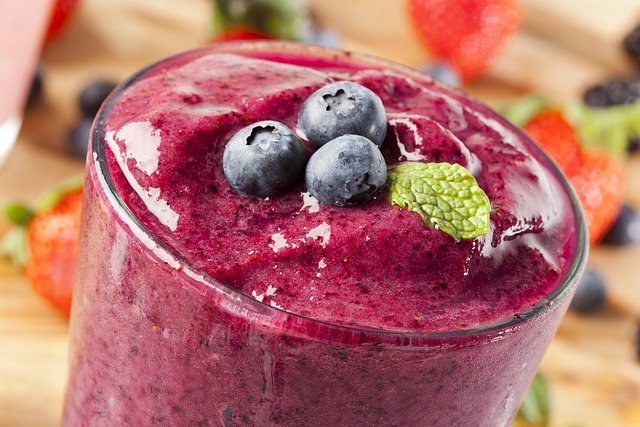
While juice cleanses are often marketed for detoxification, they carry significant physiological risks and are unsuitable for most individuals. The primary concern is the severe caloric and macronutrient restriction, which can lead to a state of metabolic stress rather than a beneficial "reset."
Common Adverse Effects
Even in healthy individuals, short-term juice cleanses can cause several predictable side effects due to the lack of solid food, fiber, and balanced nutrition:
- Blood Sugar Dysregulation: Juices high in fruit sugars (fructose) cause rapid spikes and subsequent crashes in blood glucose, leading to fatigue, irritability, headaches, and intense hunger.
- Gastrointestinal Distress: The sudden high influx of simple sugars and lack of dietary fiber can disrupt gut motility, resulting in bloating, gas, and diarrhea. Paradoxically, some individuals may experience constipation.
- Muscle Catabolism: With inadequate protein intake, the body may break down muscle tissue to meet its amino acid needs, leading to loss of lean mass and a decrease in metabolic rate.
- Nutrient Deficiencies: Juices lack essential fats, complete proteins, and certain fat-soluble vitamins. Prolonged cleanses can lead to deficiencies, with fatigue and impaired immune function being common early signs.
Populations at High Risk
For specific groups, juice cleanses are not merely ineffective but can be medically dangerous. These individuals should strictly avoid them:
- Individuals with Diabetes or Prediabetes: The uncontrolled blood sugar swings can be hazardous, potentially leading to hyperglycemia or dangerous hypoglycemia, especially for those on medication.
- Those with Kidney Disease: Many juices, particularly green juices made from spinach, kale, and beetroot, are high in oxalates and potassium, which can accumulate to toxic levels if kidney filtration is impaired.
- People with a History of Eating Disorders: The extreme restriction and "all-or-nothing" mindset of a cleanse can trigger relapse in disordered eating patterns.
- Pregnant or Breastfeeding Individuals: This period demands consistent, high-quality nutrition for fetal and infant development; severe calorie restriction is contraindicated.
- Individuals on Certain Medications: Those on diuretics, blood pressure medications, blood thinners (like warfarin), or diabetes drugs require stable dietary intake. A drastic change can alter drug efficacy and safety.
Clinical Perspective: From a medical standpoint, the human liver and kidneys are highly efficient detoxification organs that do not require "cleansing." The risks of a juice fast—nutrient deprivation, electrolyte imbalance, and metabolic disruption—far outweigh any purported benefits. A balanced, whole-foods diet supports the body's innate detoxification pathways far more effectively and safely than any short-term, extreme dietary protocol.
Anyone considering a significant dietary change, particularly one involving severe restriction, should consult a physician or a registered dietitian. This is crucial for individuals with pre-existing health conditions or those taking prescription medications.
4. Practical, Evidence-Based Takeaways for Safe Juice Cleanse Practices

Given the lack of robust evidence supporting the purported "detoxifying" or long-term health benefits of juice cleanses, the most responsible approach is to view them with significant caution. If an individual chooses to proceed, the focus must shift from seeking a "cleanse" to minimizing potential harm and ensuring safety.
The primary evidence-based takeaway is that any form of restrictive diet, including juice fasting, should be short-term and approached as a potential dietary interlude, not a solution. There is no high-quality data to support cleanses lasting more than a few days, and longer durations significantly increase risks of nutrient deficiencies, muscle loss, and metabolic slowdown.
Key Principles for a Safer Approach
- Prioritize Vegetable-Based Juices: Favor green juices with celery, cucumber, kale, and spinach over fruit-dominant blends to reduce the glycemic load and sugar intake. Adding a small amount of low-glycemic fruit like green apple or lemon for flavor is acceptable.
- Incorporate Protein and Healthy Fats: To mitigate muscle catabolism and support satiety, consider adding a scoop of plant-based protein powder or a tablespoon of nut butter to one juice per day. This is not traditional in a "cleanse" but is a more physiologically sound practice.
- Maintain Hydration and Electrolytes: Drink ample water and herbal teas throughout the day. Consider adding a pinch of high-quality sea salt to one juice to support sodium levels, especially if you experience lightheadedness.
- Plan a Sensible Reintroduction: The post-cleanse period is critical. Gradually reintroduce solid foods over 2-3 days, starting with broths, steamed vegetables, and lean proteins. A rapid return to a regular diet can cause gastrointestinal distress.
Clinical Perspective: From a medical standpoint, the body's hepatic and renal systems are highly efficient at detoxification. The goal of any dietary modification should be to support these innate processes, not to override them with extreme restriction. The practices listed above are less about "cleansing" and more about adopting a brief period of increased micronutrient intake while consciously avoiding processed foods—a pattern that can be integrated into daily life without the need for juicing.
Who Should Avoid Juice Cleanses Entirely?
Certain individuals should not undertake a juice cleanse under any circumstances due to elevated risks. This includes:
- Individuals with diabetes, hypoglycemia, or significant insulin resistance.
- Those with kidney disease, due to potential potassium overload from certain juices.
- Pregnant or breastfeeding women.
- Individuals with a history of eating disorders.
- People on certain medications, especially diuretics, diabetes drugs, or blood thinners.
- Anyone with active infections, nutritional deficiencies, or undergoing cancer treatment.
Consulting a physician or a registered dietitian before beginning any restrictive dietary protocol is strongly advised. The most sustainable health gains come from consistent, balanced nutrition, not from short-term, extreme interventions.
5. Safety Considerations and When to Seek Medical Consultation

Juice cleanses are not a benign practice and carry several documented risks. The primary safety concerns stem from their restrictive nature, which can lead to nutrient deficiencies, metabolic dysregulation, and adverse effects on pre-existing health conditions. A thorough risk assessment is essential before considering any form of extreme dietary modification.
Key Safety Risks and Contraindications
The following groups should generally avoid juice cleanses or undertake them only under strict medical supervision:
- Individuals with Diabetes or Prediabetes: The high glycemic load of fruit juices can cause dangerous blood sugar spikes and instability, complicating management.
- Those with Kidney Disease: Juices high in potassium (e.g., spinach, kale, banana) or oxalates can precipitate hyperkalemia or kidney stones in susceptible individuals.
- People with a History of Eating Disorders: The restrictive rules and focus on "purity" can trigger disordered eating patterns and relapse.
- Pregnant or Breastfeeding Individuals: Caloric and protein restriction is contraindicated, and food safety concerns with unpasteurized juices pose additional risks.
- Individuals on Certain Medications: Those on diuretics, blood pressure medications, diabetes drugs, or blood thinners may experience dangerous interactions due to electrolyte shifts and changes in nutrient intake.
Clinical Insight: From a physiological standpoint, the body has sophisticated detoxification systems (liver, kidneys, gastrointestinal tract). There is no high-quality evidence that juice cleanses enhance these processes. Conversely, the lack of protein, essential fats, and fiber can impair liver enzyme function and gut health. Clinicians are often more concerned about the potential for orthostatic hypotension, electrolyte imbalances, and the loss of lean muscle mass during prolonged juice-only periods.
When to Seek Medical Consultation
Consult a physician or a registered dietitian before starting a cleanse if you have any chronic health condition, take regular medication, or are unsure of your nutritional status. Seek immediate medical attention if you experience any of the following symptoms during a cleanse:
- Severe dizziness, lightheadedness, or fainting
- Palpitations or irregular heartbeat
- Severe fatigue, confusion, or brain fog
- Nausea, vomiting, or severe abdominal pain
- Signs of dehydration (e.g., very dark urine, infrequent urination)
The decision to undertake a juice cleanse should be informed by evidence, not anecdote. While short-term, supervised protocols may be safe for some healthy individuals, the risks often outweigh the unproven benefits for the general population. A balanced, whole-foods diet consistently supports the body's innate detoxification pathways more effectively and safely than periodic extreme restriction.
6. Questions & Expert Insights
Do juice cleanses actually "detox" the body?
The concept of a "detox" from juice cleanses is not supported by clinical evidence. The human body has highly efficient, built-in detoxification systems—primarily the liver and kidneys, supported by the gastrointestinal tract, skin, and lungs. These organs continuously neutralize and eliminate metabolic waste and environmental toxins. There is no high-quality scientific research demonstrating that consuming only juice enhances this process. Any perceived benefits, such as increased energy or clearer skin, are more likely attributable to the temporary elimination of processed foods, alcohol, and excess sodium, rather than an active "cleansing" effect. The body does not accumulate toxins that require a special juice regimen to remove.
What are the potential risks and side effects of a juice cleanse?
Juice cleanses carry several documented risks, particularly for certain individuals. Common side effects include fatigue, headaches, dizziness, blood sugar swings, and digestive upset like bloating or diarrhea. More serious risks involve nutrient deficiencies (especially protein, essential fats, and fiber), muscle loss due to severe calorie and protein restriction, and the potential for disordered eating patterns. Individuals with diabetes, kidney disease, liver conditions, or a history of eating disorders should strictly avoid juice cleanses. The high sugar content of fruit juices, even without added sugar, can cause significant blood glucose spikes and place a metabolic burden on the liver.
When should I talk to a doctor before considering a cleanse, and what should I discuss?
You should consult a physician or a registered dietitian before starting any restrictive dietary plan, especially if you have a pre-existing medical condition, take medications, are pregnant or breastfeeding, or have a history of disordered eating. Come to the appointment prepared to discuss your specific health goals, the details of the cleanse you are considering (duration, ingredients), and your full medical history. Bring a list of all current medications and supplements, as drastic dietary changes can alter their efficacy (e.g., diabetes or blood pressure medications). This conversation can help identify safer, evidence-based alternatives to achieve your wellness objectives without unnecessary risk.
If cleanses aren't supported by evidence, why do people report feeling better?
Reports of improved well-being during or after a cleanse are often real, but the reasons are typically misinterpreted. The feeling often stems from a sharp reduction in ultra-processed foods, alcohol, caffeine, and high-sodium meals, which can decrease bloating and improve sleep. The placebo effect and a sense of accomplishment also play significant roles. However, these effects are usually short-lived and do not equate to improved long-term health metrics. Importantly, this temporary feeling can mask the underlying nutrient deprivation and metabolic stress occurring in the body. Sustainable health is built on consistent, balanced eating patterns, not episodic restriction.
7. In-site article recommendations
8. External article recommendations
9. External resources
The links below point to reputable medical and evidence-based resources that can be used for further reading. Always interpret them in the context of your own situation and your clinician’s advice.
-
mayoclinic mayoclinic.orgjuice cleanses – Mayo Clinic (search)
-
examine examine.comjuice cleanses – Examine.com (search)
-
wikipedia wikipedia.orgjuice cleanses – Wikipedia (search)
These external resources are maintained by third-party organisations. Their content does not represent the editorial position of this site and is provided solely to support readers in accessing additional professional information.