
1. Introduction to Matcha and Its Non-Caffeine Components
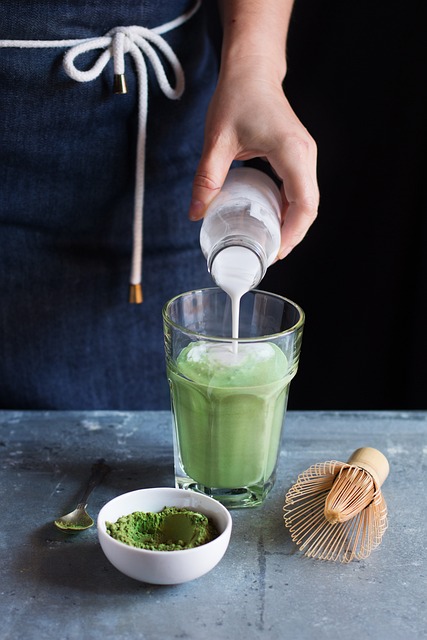
Matcha, a finely ground powder of specially grown and processed green tea leaves, is often discussed for its caffeine content. However, its broader health profile is defined by a complex matrix of bioactive, non-caffeine compounds. Understanding these components is essential for a balanced, evidence-based perspective on its potential effects.
The unique cultivation of matcha, where tea plants are shaded for several weeks before harvest, significantly increases the concentration of certain phytochemicals. This process boosts chlorophyll levels, giving matcha its vibrant green color, and stimulates the production of amino acids, most notably L-theanine.
The primary non-caffeine constituents of matcha include:
- L-theanine: An amino acid that modulates brain activity. It is associated with promoting a state of relaxed alertness, which may counteract some of the jittery effects of caffeine. The synergistic interaction between L-theanine and caffeine is a key area of research.
- Catechins: A class of polyphenols, with epigallocatechin gallate (EGCG) being the most abundant and studied. These compounds act as potent antioxidants, helping to neutralize free radicals.
- Dietary Fiber: Because the whole leaf is consumed, matcha provides soluble and insoluble fiber not found in steeped green tea.
- Vitamins and Minerals: It contains trace amounts of vitamins (like vitamin C and K) and minerals, though these are not typically consumed in nutritionally significant quantities.
Current evidence for the benefits of these compounds varies. The antioxidant capacity of EGCG is well-documented in laboratory studies, but translating these effects to consistent, long-term human health outcomes requires more robust clinical trials. Research on L-theanine's calming and cognitive effects is promising but often involves specific, acute dosing rather than the amounts typically found in a daily serving of matcha.
Clinical Perspective: From a clinical standpoint, matcha is best viewed as a source of concentrated dietary polyphenols rather than a therapeutic agent. The bioavailability of its catechins can be influenced by individual metabolism and whether it is consumed with food. While generally recognized as safe for most adults, its concentrated nature means the potential for drug-nutrient interactions, particularly with blood thinners or stimulants, should be considered.
Individuals with certain health conditions should exercise caution. Those with iron-deficiency anemia should be aware that tea polyphenols can inhibit non-heme iron absorption. People with significant liver conditions or those sensitive to stimulants should consult a healthcare provider before making matcha a regular part of their diet, due to its concentrated compound profile and caffeine content.
2. Scientific Evidence and Mechanisms of Action

The purported health benefits of matcha are primarily attributed to its unique phytochemical profile, which includes a high concentration of a specific class of polyphenols called catechins, most notably epigallocatechin gallate (EGCG). The evidence supporting these benefits varies in strength, with the most robust data coming from in vitro and animal studies, while human clinical trials often show more mixed results.
The primary proposed mechanisms of action include:
- Antioxidant Activity: EGCG is a potent antioxidant that can neutralize free radicals. This is the most well-established mechanism, supported by extensive laboratory research. However, translating this effect to measurable long-term health outcomes in humans is complex.
- Metabolic Modulation: Some randomized controlled trials suggest matcha may modestly enhance thermogenesis and fat oxidation, potentially through catechins' interaction with sympathetic nervous system activity. The observed effects on body weight or composition in human studies are typically small and require consistent consumption as part of a balanced diet.
- Neuroprotective Potential: Preliminary research points to cognitive benefits, including improved attention and memory. Proposed mechanisms involve the combination of caffeine and L-theanine, an amino acid abundant in matcha, which may promote a state of calm alertness, and catechins' potential to support brain cell health.
- Cardiometabolic Support: Observational studies link regular green tea consumption with improved lipid profiles and blood pressure. The mechanisms may involve improved endothelial function and lipid metabolism, though direct causation from matcha specifically requires more targeted research.
Clinical Perspective: It is crucial to differentiate between biochemical mechanisms and proven health outcomes. While the antioxidant and anti-inflammatory properties of matcha's compounds are well-documented in laboratory settings, human evidence is often confounded by lifestyle factors and genetic variability. Matcha should be viewed as a potential component of a health-supportive diet, not a standalone therapeutic agent.
The evidence for matcha's anti-cancer properties, while a frequent topic of research, remains largely preclinical. Human epidemiological data on green tea is promising for certain cancers, but no definitive conclusions can be drawn for matcha, and it should never be considered a treatment.
Who should exercise caution: Individuals with iron deficiency should be aware that catechins can inhibit non-heme iron absorption. Those sensitive to caffeine, with anxiety disorders, cardiovascular conditions, or who are pregnant or breastfeeding should consult a physician regarding intake. Due to its concentrated nature, matcha may also interact with certain medications.
3. Potential Risks and Contraindications

While matcha offers several potential health benefits, its concentrated nature means its consumption is not without risks. A balanced, evidence-based approach requires acknowledging these potential downsides and identifying individuals for whom caution is paramount.
Primary Concerns: Caffeine and Contaminants
The most immediate risk stems from caffeine. A single serving of ceremonial-grade matcha can contain approximately 70mg of caffeine, similar to a shot of espresso, but consumption can be higher if multiple servings or culinary-grade powder is used. Excessive intake can lead to:
- Anxiety, jitteriness, and sleep disturbances
- Increased heart rate and palpitations
- Gastrointestinal upset, including acid reflux
- Headaches and dependency with regular high intake
A second, well-documented concern is contamination. Matcha, like other teas, can accumulate heavy metals such as lead and cadmium from soil. Studies have shown that because you consume the entire ground leaf, matcha may have higher levels of these contaminants than steeped green tea. Choosing reputable, tested sources from regions with lower soil contamination is critical for mitigating this risk.
Specific Populations for Whom Caution is Advised
Certain individuals should consult a healthcare provider before incorporating matcha into their routine:
- Pregnant and Breastfeeding Individuals: While moderate caffeine intake is generally considered safe, limits (often 200mg/day) should be strictly observed. The contaminant risk also warrants extra caution.
- Individuals with Iron Deficiency: The tannins in matcha can inhibit non-heme iron absorption from plant-based foods. It should be consumed between meals, not with iron-rich foods or supplements.
- Those with Kidney Disorders: Matcha is high in oxalates, which can contribute to kidney stone formation in susceptible individuals.
- People on Specific Medications: Beyond blood thinners, matcha may interact with stimulants, certain antidepressants (MAOIs), and drugs metabolized by the CYP450 enzyme system due to its bioactive compounds.
In summary, matcha is a potent dietary substance. Its benefits should be weighed against its caffeine potency, potential for contamination, and specific contraindications. For most healthy adults, moderate consumption (e.g., 1-2 servings daily) from a quality source is likely safe, but personalized medical advice is essential for those with pre-existing conditions.
4. Practical Recommendations for Consumption

To integrate matcha into a health-conscious routine, a measured and evidence-based approach is essential. The goal is to harness its potential bioactive compounds, such as L-theanine and catechins, while mitigating potential downsides from caffeine and contaminants.
Dosage and Preparation
Evidence for cognitive and metabolic benefits is often observed with doses providing 70–200 mg of EGCG and 1–2 grams of ceremonial or culinary-grade matcha powder. A typical serving is ½ to 1 teaspoon (1–2 grams) whisked into 2–4 ounces of hot water (approximately 160–175°F or 71–80°C). Using water that is not boiling helps preserve heat-sensitive antioxidants.
- Timing: Consume earlier in the day to minimize potential sleep disruption from its caffeine content (approximately 19–44 mg per gram). The synergistic effect of caffeine and L-theanine may support focused alertness.
- Frequency: Most research involves daily consumption. Consistency appears more relevant than single large doses.
Quality and Sourcing Considerations
The concentration of beneficial compounds and the risk of contaminants like lead are directly tied to sourcing. Opt for certified organic matcha from Japan, where agricultural practices are regulated. Look for vibrant green color, which indicates higher chlorophyll and likely shade-growing, a process that boosts L-theanine and catechin production.
Clinical Insight: From a safety perspective, the lead content in matcha is a legitimate consideration due to the consumption of the whole leaf. While levels in high-quality products from Japan are typically within safe limits for occasional consumption, daily consumers, particularly pregnant or breastfeeding individuals, should prioritize verified, low-contaminant sources and consider moderating intake. The cumulative exposure is the key concern.
Important Cautions and Contraindications
Matcha is not suitable for everyone. The following groups should exercise particular caution or avoid consumption without consulting a healthcare provider:
- Individuals sensitive to caffeine or with anxiety disorders.
- Those with iron-deficiency anemia, as catechins can inhibit non-heme iron absorption. Consume between meals, not with iron-rich foods.
- People with certain liver conditions, as very high doses of green tea extracts have been linked to rare hepatotoxicity.
- Individuals taking stimulant medications, blood thinners, or certain chemotherapy drugs, due to potential interactions.
- Pregnant and breastfeeding women should limit intake due to caffeine and lead exposure concerns.
Ultimately, matcha can be a valuable component of a varied diet. Its benefits are best viewed as complementary to, not a replacement for, foundational health practices. For those with pre-existing health conditions or on medication, a discussion with a physician or registered dietitian is a prudent first step.
5. When to Consult a Healthcare Professional

While matcha is generally considered safe for most healthy adults when consumed in typical dietary amounts, its concentrated bioactive compounds and caffeine content necessitate a cautious approach for certain individuals. Consulting a healthcare professional is a prudent step to integrate matcha safely into your health regimen.
Key Scenarios for Medical Consultation
You should strongly consider speaking with a doctor or a registered dietitian before regular matcha consumption if you fall into any of the following categories:
- Cardiovascular Conditions: Individuals with significant hypertension, arrhythmias, or other heart conditions should discuss caffeine intake, as matcha can temporarily elevate heart rate and blood pressure.
- Pregnancy and Breastfeeding: While moderate caffeine intake is often deemed acceptable, the specific concentration in matcha and its other compounds warrant a personalized discussion with an obstetrician.
- Kidney or Liver Disease: The liver metabolizes caffeine and catechins, while the kidneys handle excretion. Impaired function in these organs may alter how your body processes matcha.
- Anxiety or Sleep Disorders: The combination of caffeine and L-theanine in matcha affects the central nervous system. For those with anxiety disorders or insomnia, a clinician can help assess its suitability.
- Taking Medications or Supplements: Matcha may interact with certain drugs. It can affect the absorption of some medications (e.g., certain antibiotics, thyroid hormones) and may have additive effects with other stimulants or blood-thinning supplements.
Clinical Perspective: From a medical standpoint, the primary concern is rarely matcha itself, but its context within an individual's complete health picture. A clinician will evaluate your total daily caffeine load from all sources, review your medication list for potential interactions, and consider how matcha's compounds might influence pre-existing metabolic or neurological conditions. This holistic review is essential for safe consumption.
Recognizing Adverse Reactions
Even if you have no known conditions, it is important to monitor your body's response. Discontinue use and seek medical advice if you experience symptoms such as pronounced heart palpitations, severe headaches, significant gastrointestinal distress, or signs of an allergic reaction after consuming matcha.
Ultimately, while preliminary research on matcha's health benefits is promising, it is not a substitute for medical treatment. A healthcare professional can provide evidence-based, personalized guidance that balances potential benefits with your unique health risks.
6. Questions & Expert Insights
Is matcha truly a "superfood," or is this just marketing hype?
The term "superfood" is a marketing term, not a medical one. Matcha does have a unique nutritional profile supported by research. Its primary benefits stem from its high concentration of catechins, particularly epigallocatechin gallate (EGCG), a potent antioxidant. Evidence from observational and some intervention studies suggests these compounds may support cardiovascular health, modestly aid in metabolic regulation, and provide neuroprotective effects. However, it is crucial to interpret these findings with caution. Many studies are preliminary, conducted in cells or animals, or show effects that, while statistically significant, may be modest in real-world human application. Matcha is a nutrient-dense food that can be part of a healthy diet, but it is not a magic bullet or a substitute for proven lifestyle interventions like a balanced diet and regular exercise.
What are the potential risks or side effects of consuming matcha, and who should be cautious?
Despite its benefits, matcha is not risk-free. Its primary concerns are related to its caffeine and catechin content. A single serving can contain 70mg of caffeine or more, which may cause anxiety, jitteriness, insomnia, or gastrointestinal upset in sensitive individuals. High, chronic intake of concentrated green tea extracts (from which matcha is derived) has been linked in rare cases to hepatotoxicity (liver injury). Therefore, individuals with pre-existing liver conditions, anxiety disorders, or caffeine sensitivity should exercise caution. Due to its caffeine and potential to affect iron absorption, it is generally advised that pregnant and breastfeeding individuals limit intake and consult their physician. Those with iron-deficiency anemia should avoid consuming matcha with meals.
When should I talk to my doctor about incorporating matcha into my routine, and what should I discuss?
Consult a healthcare professional before making matcha a regular part of your diet if you have a chronic health condition or are taking medications. This is especially important for individuals with heart conditions, liver disease, kidney disorders, anxiety, or a history of eating disorders. Before your appointment, prepare a list of all medications and supplements you take, as matcha can interact with certain drugs, including blood thinners (like warfarin), stimulants, and some chemotherapy agents. Discuss your intended daily serving size and form (e.g., pure powder vs. sweetened lattes). Bring specific questions about how it might affect your condition and ask for guidance on a safe starting dose and timing relative to medications.
How does the antioxidant power of matcha compare to regular green tea or other foods?
Because you consume the entire ground tea leaf, matcha delivers a significantly higher concentration of antioxidants, notably EGCG, per gram compared to steeped green tea, where many compounds remain in the discarded leaves. Research indicates the catechin content in matcha can be up to three times higher. However, comparing it to other "antioxidant-rich" foods like berries or dark chocolate is complex, as they contain different families of phytochemicals (e.g., anthocyanins, flavonoids) with varied biological effects. A diverse diet is superior to focusing on a single source. The evidence for matcha's unique benefits is promising but not yet conclusive enough to declare it categorically superior to other whole-food sources of antioxidants in terms of long-term human health outcomes.
7. In-site article recommendations
8. External article recommendations
9. External resources
The links below point to reputable medical and evidence-based resources that can be used for further reading. Always interpret them in the context of your own situation and your clinician’s advice.
-
healthline healthline.commatcha – Healthline (search)
-
mayoclinic mayoclinic.orgmatcha – Mayo Clinic (search)
-
examine examine.commatcha – Examine.com (search)
These external resources are maintained by third-party organisations. Their content does not represent the editorial position of this site and is provided solely to support readers in accessing additional professional information.