
1. Introduction to Ozempic and Meal Timing
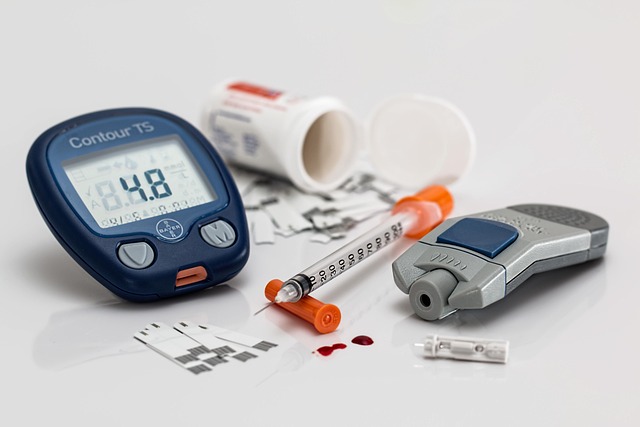
Ozempic (semaglutide) is a glucagon-like peptide-1 (GLP-1) receptor agonist approved by the U.S. Food and Drug Administration (FDA) for the treatment of type 2 diabetes and, at a higher dose, for chronic weight management. Its primary mechanism involves enhancing glucose-dependent insulin secretion, suppressing glucagon release, and slowing gastric emptying. This last effect—delaying the rate at which food leaves the stomach—is central to the emerging discussion about meal timing for individuals using this medication.
The relationship between Ozempic and meal timing is not a matter of enhancing the drug's pharmacokinetics, as semaglutide has a long half-life allowing for once-weekly dosing. Instead, it focuses on managing the gastrointestinal side effects that are common during treatment initiation and dose escalation. These effects, which can include nausea, vomiting, and abdominal discomfort, are often influenced by the volume and composition of meals.
Current evidence and clinical guidance suggest the following practical considerations for meal timing with GLP-1 receptor agonists like Ozempic:
- Consistency Over Precision: There is no universally mandated "best time" to eat. The goal is to establish a consistent, manageable eating pattern that minimizes side effects.
- Meal Size and Composition: Consuming smaller, more frequent meals is often better tolerated than large, heavy meals. Meals high in fat or very high in simple carbohydrates may exacerbate gastrointestinal discomfort.
- Individual Response: The experience of side effects and their relation to food intake varies significantly between individuals.
Clinical Insight: From a clinical perspective, advising on meal timing is a supportive strategy for adherence, not a requirement for efficacy. The strong evidence supports Ozempic's benefits on glycemic control and weight reduction independently of specific meal schedules. The guidance on meal size and frequency is based on well-understood physiology (slowed gastric emptying) and extensive clinical experience managing side effects, though data from large, randomized trials specifically on optimized meal timing protocols is limited.
It is important for individuals to discuss their dietary habits and any persistent side effects with their prescribing physician or a registered dietitian. This is particularly crucial for those with a history of gastroparesis, pancreatitis, severe gastrointestinal disease, or for individuals on complex medication regimens where slowed digestion could affect the absorption of other critical drugs.
2. Mechanisms of Ozempic and Evidence on Meal Timing
Ozempic (semaglutide) is a glucagon-like peptide-1 (GLP-1) receptor agonist. Its primary mechanisms of action are well-established through extensive clinical trials and are central to its efficacy for type 2 diabetes and weight management.
- Glucose-Dependent Insulin Secretion: It enhances the release of insulin from pancreatic beta cells in response to elevated blood glucose, minimizing the risk of hypoglycemia when used without insulin or sulfonylureas.
- Glucagon Suppression: It inhibits the secretion of glucagon, a hormone that raises blood sugar, particularly after meals.
- Gastric Emptying Delay: It slows the rate at which food leaves the stomach, contributing to a prolonged feeling of fullness (satiety) and a more gradual rise in post-meal blood glucose.
- Appetite Regulation: It acts on receptors in the brain's appetite centers, specifically the hypothalamus, to reduce hunger and cravings.
The evidence for these core mechanisms is robust. However, specific evidence on the optimal meal timing while taking Ozempic is more limited and derived from secondary observations rather than large, dedicated trials.
Clinical experience and pharmacokinetic data suggest that aligning the medication's peak effect with meals may enhance its benefits. Semaglutide reaches peak concentration in the bloodstream approximately 1 to 3 days after a weekly injection. The slowed gastric emptying and appetite suppression are continuous effects, but patients often report their effect is most pronounced in the first few days post-injection. Some clinicians therefore advise patients to be particularly mindful of portion sizes and meal composition during this window to maximize satiety and glycemic control.
Expert Insight: While there is no universal "best time of day to eat" on Ozempic, the mechanism of delayed gastric emptying provides a practical guide. Large, high-fat, or high-fiber meals consumed too quickly can lead to significant gastrointestinal discomfort, such as nausea and bloating. A more consistent, cautious approach—eating smaller, balanced meals at regular intervals—is often better tolerated and aligns with the drug's physiological action.
It is crucial for individuals with a history of pancreatitis, severe gastrointestinal disease (like gastroparesis), or those on multiple medications affecting digestion to discuss meal timing and dietary strategies with their physician. The evidence for structured meal timing is preliminary, and individual tolerance varies significantly.
3. Risks, Contraindications, and Precautions
While semaglutide (Ozempic) is a powerful therapeutic agent, its use is not without significant risks and is strictly contraindicated for certain individuals. A thorough understanding of these factors is essential for patient safety and effective clinical management.
Absolute Contraindications
The FDA-approved labeling clearly states that Ozempic is contraindicated in patients with:
- Personal or family history of medullary thyroid carcinoma (MTC): This is based on rodent studies showing an increased risk of thyroid C-cell tumors. The clinical relevance in humans is not fully established, but the contraindication remains absolute.
- Patients with Multiple Endocrine Neoplasia syndrome type 2 (MEN 2): For the same oncologic risk concerns.
- History of severe hypersensitivity reaction to semaglutide or any product component.
Key Risks and Required Precautions
The most common adverse events are gastrointestinal, including nausea, vomiting, diarrhea, and constipation. These are often dose-dependent and may be mitigated by gradual dose escalation. More serious risks require vigilant monitoring:
- Pancreatitis: Patients should be informed of the symptoms (severe, persistent abdominal pain). Discontinue use if pancreatitis is suspected.
- Diabetic Retinopathy Complications: In patients with type 2 diabetes, a rapid improvement in glycemic control has been associated with a transient worsening of diabetic retinopathy. Patients with pre-existing retinopathy require careful monitoring.
- Hypoglycemia: Risk increases when Ozempic is used concomitantly with insulin or insulin secretagogues (e.g., sulfonylureas). Dose adjustments of these concomitant therapies may be necessary.
- Acute Kidney Injury: Dehydration from severe GI adverse events can precipitate renal impairment. Caution is advised in patients with renal impairment, and adequate hydration is essential.
- Gallbladder Disease: An increased risk of cholelithiasis and cholecystitis has been observed in clinical trials.
Clinical Insight: The decision to initiate Ozempic requires a comprehensive risk-benefit analysis. It is not a first-line agent for all patients. Special caution is warranted for individuals with a history of pancreatitis, severe gastrointestinal disease (e.g., gastroparesis), or significant renal/hepatic impairment. Furthermore, its use for weight management in individuals without type 2 diabetes or obesity, or in those with a history of eating disorders, is off-label and requires particularly careful consideration and specialist oversight.
Patients should be counseled to report any unusual symptoms promptly. The initiation and titration of Ozempic should always be supervised by a healthcare professional who can manage these potential complications. This medication is a tool within a broader treatment plan, not a standalone solution.
4. Evidence-Based Practical Advice

Integrating semaglutide (Ozempic) into your daily routine requires a practical, evidence-based approach to maximize its therapeutic benefits while minimizing potential side effects. The FDA-approved prescribing information provides the foundational guidance, which is supported by clinical trial data.
The most strongly supported recommendation is to administer the injection once weekly, on the same day each week. It can be taken with or without food, at any time of day that is convenient and easy to remember. Consistency in timing helps maintain stable drug levels in the body.
Regarding meal timing specifically, the evidence is more nuanced. Semaglutide works by slowing gastric emptying and promoting satiety. A practical strategy, supported by clinical experience, is to align your eating schedule with this mechanism:
- Eat Smaller, More Frequent Meals: Large meals can exacerbate gastrointestinal side effects like nausea and bloating. Opting for smaller portions, consumed more slowly, is often better tolerated.
- Prioritize Nutrient Density: Focus on meals with adequate protein, fiber, and healthy fats to support sustained energy and fullness, countering the reduced food intake the medication facilitates.
- Listen to Your Body's Signals: The medication's satiety effect means you may feel full sooner. It is advisable to stop eating when you feel comfortably full, rather than finishing a pre-portioned meal.
Clinical Insight: From a physiological standpoint, there is no high-quality evidence that taking the injection at a specific hour (e.g., morning vs. evening) or in precise relation to a meal (e.g., 30 minutes before) alters its efficacy for glucose control or weight management. The key is consistent weekly dosing. Meal timing advice is primarily geared toward managing side effects and supporting healthy dietary patterns, which are crucial for long-term success.
Individuals with a history of severe gastrointestinal disease, pancreatitis, or those on multiple medications should discuss their meal plan and injection routine with their physician. Patients with diabetic gastroparesis should be particularly cautious, as semaglutide further slows gastric emptying.
Ultimately, the most effective regimen is one that is sustainable, aligns with the medication's pharmacodynamics, and is developed in partnership with your healthcare provider to monitor progress and adjust as needed.
5. When to Seek Medical Attention

While Ozempic (semaglutide) is a powerful tool for managing type 2 diabetes and weight, it requires vigilant monitoring. Understanding when to contact your healthcare provider is a critical component of safe and effective treatment. This guidance is based on established clinical protocols and FDA labeling.
You should seek immediate medical attention if you experience symptoms of a serious allergic reaction, such as rash, itching, dizziness, or difficulty breathing. Additionally, be aware of and act on the following potential serious side effects:
- Severe Gastrointestinal Issues: Persistent, severe nausea, vomiting, diarrhea, or abdominal pain can lead to dehydration and, in rare cases, pancreatitis. Contact your doctor if these symptoms are debilitating or do not subside.
- Symptoms of Gallbladder Problems: Sudden pain in the upper right abdomen, fever, yellowing of the skin or eyes (jaundice), or clay-colored stools.
- Signs of Kidney Injury: Significant changes in urination patterns, swelling in the legs or ankles, or unexplained fatigue. Dehydration from gastrointestinal side effects can exacerbate kidney issues, particularly in those with pre-existing kidney disease.
- Vision Changes: Any sudden change in vision, as rapid improvements in blood glucose levels can sometimes cause a temporary worsening of diabetic retinopathy.
Clinical Insight: The risk of severe hypoglycemia (low blood sugar) is increased when Ozempic is used with insulin or sulfonylureas. Patients on these combination therapies must be educated to recognize signs—shakiness, sweating, confusion, rapid heartbeat—and should have a plan for treatment. Regular glucose monitoring is non-negotiable in this context.
Beyond acute events, schedule a consultation with your doctor to discuss:
- Persistent, manageable side effects that impact your quality of life.
- Plateaus in weight loss or glucose control to reassess the treatment plan.
- Any plans for surgery, as GLP-1 receptor agonists like Ozempic may affect gastric emptying and anesthesia risk.
Individuals with a personal or family history of medullary thyroid carcinoma (MTC) or Multiple Endocrine Neoplasia syndrome type 2 (MEN 2) should not use Ozempic. Those with a history of pancreatitis or severe gastrointestinal disease should proceed with extreme caution and under close medical supervision. Always consult your physician before making any changes to your medication, diet, or exercise regimen.
6. Questions & Expert Insights
Does the timing of my meals relative to my Ozempic injection significantly impact its effectiveness for weight loss?
Current evidence does not support a specific, universal "best time" to eat relative to your Ozempic dose for superior weight loss. The primary mechanism of semaglutide (the active ingredient in Ozempic) is to slow gastric emptying, increase satiety, and modulate blood sugar and appetite hormones over a sustained period. This creates a continuous background effect, not a short-lived spike tied directly to a meal. While some individuals anecdotally report better appetite control by scheduling their injection to align with their most challenging eating period (e.g., before a weekend), this is not a consistent finding in clinical trials. The most impactful factor is the consistent, long-term use of the medication as prescribed, combined with sustainable dietary choices. Focusing excessively on precise meal timing may distract from the foundational pillars of treatment: medication adherence, a calorie-conscious diet, and regular physical activity.
Are there specific risks or side effects associated with trying to manipulate meal timing while on Ozempic?
Yes, attempting to rigidly control meal timing, especially in an overly restrictive manner, can pose risks. The most common side effects of Ozempic—nausea, vomiting, diarrhea, and constipation—can be exacerbated by eating very large meals or by eating too little. Severely restricting food intake to align with a perceived "optimal" window can lead to inadequate nutrition, hypoglycemia (particularly if also on insulin or sulfonylureas), and may worsen gastrointestinal symptoms. This approach is strongly discouraged for individuals with a history of disordered eating, as the medication's appetite effects combined with restrictive timing rules could trigger or exacerbate unhealthy patterns. Furthermore, for individuals with gastroparesis or severe gastrointestinal disorders, altering meal schedules without medical supervision can be harmful.
When should I definitely talk to my doctor about my Ozempic regimen and meal patterns?
Consult your prescribing physician or an endocrinologist/dietitian in these scenarios: 1) If you experience persistent, severe gastrointestinal side effects that disrupt your ability to eat balanced meals. 2) If you are considering significant dietary changes, such as intermittent fasting, to ensure it's safe with your medical profile (e.g., diabetes, kidney function). 3) If you have a history of pancreatitis, diabetic retinopathy, thyroid cancer (specifically medullary thyroid carcinoma), or multiple endocrine neoplasia syndrome type 2, as these are important contraindications or precautions. 4) If you are planning pregnancy, are pregnant, or breastfeeding. For the appointment, bring a log of your injection dates, a typical food diary, a list of all medications and supplements, and note any specific symptoms and their timing relative to meals and injections.
What does the FDA actually say about Ozempic and meal timing, and how should I interpret online claims?
The FDA-approved labeling for Ozempic provides instructions on how to administer the injection (subcutaneously in the abdomen, thigh, or upper arm) and that it can be taken with or without food. It does not prescribe an optimal meal schedule. The FDA's role is to evaluate robust clinical trial data for safety and efficacy for specific indications. The trials for Ozempic did not isolate meal timing as a variable; therefore, the FDA has not made, and would not make, a ruling on it. Online claims about "shocking" results from specific timing protocols are typically based on anecdotal reports or theoretical mechanisms, not on controlled scientific evidence. Interpret such claims with caution, understanding they are not validated by regulatory science and may not apply to your individual health situation.
7. In-site article recommendations
8. External article recommendations
9. External resources
The links below point to reputable medical and evidence-based resources that can be used for further reading. Always interpret them in the context of your own situation and your clinician’s advice.
-
drugs drugs.comOzempic – Drugs.com (search)
-
examine examine.comOzempic – Examine.com (search)
-
mayoclinic mayoclinic.orgOzempic – Mayo Clinic (search)
These external resources are maintained by third-party organisations. Their content does not represent the editorial position of this site and is provided solely to support readers in accessing additional professional information.