
1. Introduction to Chia Seeds in Dietary Context
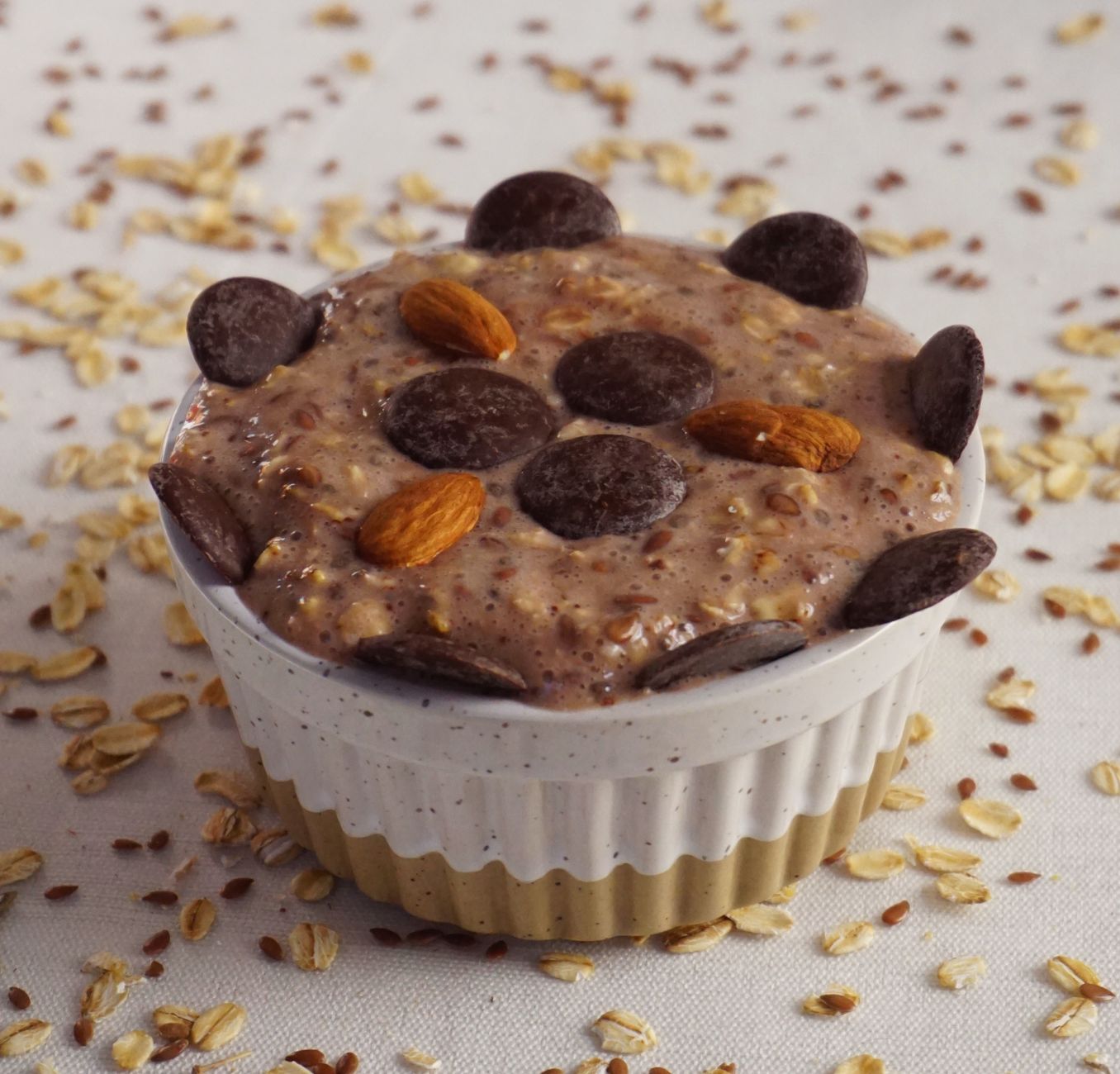
Chia seeds (Salvia hispanica L.) have transitioned from an ancient Aztec staple to a modern dietary supplement, frequently promoted for weight management and satiety. From a nutritional perspective, their profile is objectively dense. A standard one-ounce (28-gram) serving provides approximately 10 grams of fiber, 5 grams of protein, and 9 grams of fat—predominantly the omega-3 fatty acid alpha-linolenic acid (ALA). This macronutrient combination, particularly the high soluble fiber content, forms the mechanistic basis for their proposed role in promoting fullness.
The primary mechanism for enhanced satiety is well-supported by physiology. When mixed with liquid, chia seeds form a hydrophilic gel due to their soluble fiber. This gel can increase gastric volume and slow gastric emptying, potentially leading to a prolonged feeling of fullness and a moderated postprandial blood glucose response. Evidence from controlled trials on this specific effect, however, presents a mixed picture.
- Stronger Evidence: The gel-forming property and its impact on digestion kinetics are well-documented in vitro and in short-term human studies.
- Limited/Mixed Evidence: Clinical trials directly linking chia seed consumption to significant, long-term weight loss or sustained appetite reduction in diverse populations are fewer and sometimes show inconsistent results. Effects can vary based on dosage, dietary context, and individual metabolism.
It is crucial to contextualize chia seeds not as a "magic bullet" but as one potential component of a balanced dietary pattern. Their effectiveness for satiety is likely maximized when consumed as part of a meal or snack that includes other protein sources and whole foods, rather than in isolation.
Clinical Consideration: While generally safe for most, individuals with swallowing difficulties, esophageal strictures, or a history of bowel obstruction should use caution with dry chia seeds due to expansion risk. Those on blood-thinning medications or with upcoming surgical procedures should discuss significant ALA intake with a physician, as high doses may theoretically affect coagulation. Always consume chia seeds with ample fluid.
This chapter establishes the foundational science behind chia seeds. Subsequent sections will critically examine the evidence for satiety, practical integration strategies, and important dietary interactions often overlooked in popular discourse.
2. Mechanisms and Evidence for Satiety Effects
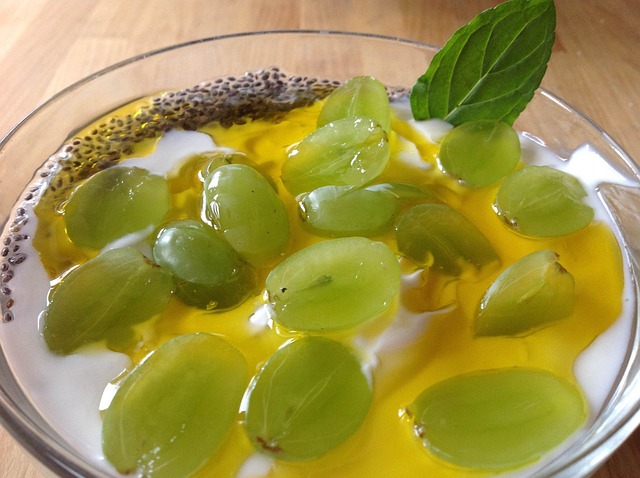
The proposed satiety effects of chia seeds are primarily attributed to their unique physical and nutritional properties. The key mechanisms are well-understood from a biochemical perspective, though the clinical evidence for their direct impact on weight management is more nuanced.
Proposed Physiological Mechanisms
Chia seeds exert their effects through two primary, interrelated pathways:
- Gel-Forming Soluble Fiber: When mixed with liquid, the soluble fiber (mainly mucilage) in chia seeds forms a viscous gel. This gel can slow gastric emptying and the rate at which carbohydrates are absorbed in the small intestine, leading to a more gradual rise in blood glucose and prolonged feelings of fullness.
- High Nutrient Density with Low Energy Density: A standard serving (about 2 tablespoons) provides a significant amount of fiber (approx. 10g), protein (approx. 4g), and healthy fats, particularly alpha-linolenic acid (ALA), for relatively few calories. This nutrient profile can promote satiety signals at a hormonal level.
Review of the Clinical Evidence
The evidence supporting these mechanisms for weight loss is promising but not definitive. It is crucial to distinguish between short-term satiety studies and long-term outcome trials.
Stronger Evidence: Several controlled, short-term studies consistently show that consuming chia seeds as part of a meal (e.g., in yogurt or bread) increases subjective feelings of fullness and reduces short-term food intake compared to control meals without chia.
Limited/Mixed Evidence: Longer-term randomized controlled trials examining chia seeds as a sole intervention for weight loss have produced mixed results. Some show modest benefits, while others show no significant difference compared to placebo. This suggests that for sustainable weight management, chia seeds are likely most effective as one component of a balanced, calorie-controlled diet rather than a standalone solution.
Clinical Perspective: From a dietary strategy standpoint, chia seeds are a useful tool for enhancing meal satiety due to their fiber and protein content. However, clinicians caution against overestimating their impact. Sustainable weight management depends on overall dietary patterns, portion control, and energy balance, not any single "superfood." The gel-forming property is also why adequate fluid intake is essential to prevent gastrointestinal discomfort.
Who Should Exercise Caution: Individuals with a history of swallowing difficulties, esophageal strictures, or major gastrointestinal disorders like Crohn's disease should consult a physician before regularly consuming dry or gel-forming seeds. Those on blood-thinning medications or with upcoming surgeries should discuss chia seed intake due to its theoretical ALA content, which may have mild antiplatelet effects.
3. Risks and Populations to Exercise Caution
While chia seeds are generally safe for most people, their unique physical and nutritional properties necessitate caution for specific populations. A balanced, evidence-based approach requires acknowledging these potential risks to ensure safe consumption.
Primary Gastrointestinal and Hydration Concerns
The most common adverse effects are gastrointestinal, directly related to their high soluble fiber content. When consumed dry and followed by insufficient fluid, chia seeds can absorb water in the esophagus or intestines, potentially leading to:
- Obstruction or dysphagia: Case reports document esophageal impaction, particularly in individuals with a history of swallowing difficulties or when consuming a large volume of dry seeds.
- Significant bloating, gas, and abdominal discomfort: A rapid increase in fiber intake can overwhelm the gut microbiome, leading to fermentation and distension.
Critical Mitigation: Always consume chia seeds that have been pre-soaked in liquid (forming a gel) or with ample water. Introduce them gradually to allow your digestive system to adapt.
Clinical Insight: In practice, we see most adverse events from chia seeds in two scenarios: individuals attempting to consume them dry as a "quick fix" for fullness, and those with pre-existing, often undiagnosed, gastrointestinal motility disorders. The gel-forming property is a double-edged sword—it's central to their satiety benefit but also the primary risk vector if not managed correctly.
Populations Requiring Medical Consultation
Certain individuals should consult a physician or registered dietitian before making chia seeds a dietary staple.
- Individuals with Dysphagia or Strictures: Those with a history of swallowing difficulties, esophageal narrowing, or prior gastrointestinal surgery should avoid dry seeds entirely and use extreme caution even with gelled preparations.
- People with Inflammatory Bowel Disease (IBD) or Active Diverticulitis: During a flare-up, high-fiber foods like chia seeds can exacerbate symptoms. Guidance from a gastroenterologist is essential.
- Those on Specific Medications: Due to their fiber content, chia seeds can theoretically slow the absorption of some medications (e.g., certain diabetes or heart drugs). Taking medications at least 1-2 hours apart from chia consumption is a prudent measure.
- Individuals with Kidney Disease: Chia seeds are a concentrated source of phosphorus and potassium. For patients with advanced chronic kidney disease (CKD) who must restrict these minerals, unmonitored intake could contribute to electrolyte imbalances.
- People with Seed Allergies: While rare, allergic reactions to chia seeds have been documented. Those with known allergies to mustard seeds or sesame seeds may be at higher risk due to potential cross-reactivity.
The evidence supporting chia's benefits for satiety and nutrition is promising, but it is not universal. Responsible integration means recognizing these contraindications and modifying intake accordingly. When in doubt, professional medical advice is the safest course.
4. Practical Recommendations for Effective Use
To harness chia seeds for satiety, the method of preparation is critical. The primary mechanism is their ability to absorb 10–12 times their weight in water, forming a viscous gel that slows gastric emptying. For this effect, chia seeds must be pre-hydrated. Simply consuming dry seeds with insufficient liquid poses a risk of esophageal obstruction and does not provide the same satiety benefit.
A practical and evidence-based approach is to create a chia gel. Mix one tablespoon (approximately 12 grams) of seeds with at least 1 cup (240 ml) of water, juice, or plant-based milk. Stir well and let the mixture sit for 15–30 minutes, stirring occasionally to prevent clumping, until a thick gel forms. This gel can then be incorporated into various foods.
- In Beverages: Add the prepared gel to smoothies, or stir it into oatmeal or yogurt. This integrates the fiber seamlessly without altering texture drastically.
- As an Egg Substitute: For baking, one tablespoon of chia seeds mixed with three tablespoons of water can replace one egg, adding fiber and healthy fats.
- In Meals: Sprinkle a moderate amount of pre-hydrated chia seeds over salads, soups, or stir-fries to add a satiating fiber boost.
Regarding dosage, clinical studies on satiety and metabolic benefits typically use doses of 25–50 grams (about 2–4 tablespoons) per day, often split into two servings. It is prudent to start with a lower dose (e.g., one tablespoon daily) to assess gastrointestinal tolerance and increase gradually over one to two weeks. Consistency is key; incorporating them daily is more likely to yield noticeable effects on appetite regulation than sporadic use.
Clinical Insight: The satiety effect from chia is largely attributed to soluble fiber and its gel-forming property, which is a well-established physiological mechanism. However, individual responses vary. They are a tool for managing hunger cues, not a standalone solution for weight loss, which requires a comprehensive approach to diet and lifestyle. Always pair their use with adequate fluid intake throughout the day.
Important Cautions: Individuals with a history of dysphagia (swallowing difficulties), esophageal strictures, or inflammatory bowel disease (like Crohn's or ulcerative colitis) during a flare-up should use chia with extreme caution and only under medical guidance. Those on medication for diabetes or high blood pressure should monitor their levels closely, as chia may potentiate the effects of these drugs. Consult a physician or registered dietitian before making significant dietary changes, especially if you have underlying health conditions or are pregnant.
5. Safety Protocols and Indications for Medical Consultation
While chia seeds are generally recognized as safe for most adults when consumed in typical food amounts, their unique physical properties and nutrient profile necessitate specific safety considerations. A proactive, informed approach is essential to avoid adverse effects and ensure they align with your individual health status.
Primary Safety Protocols
The most critical safety measure involves proper hydration. Chia seeds absorb 10–12 times their weight in water, forming a gel. Consuming them dry, especially in large quantities, poses a significant risk of esophageal obstruction or gastrointestinal blockage. Always pre-soak chia seeds in ample liquid for at least 10–15 minutes, or ensure you consume them with plenty of fluids.
Begin with a small serving (e.g., one tablespoon) to assess tolerance. Common, mild side effects from a sudden increase in fiber intake can include:
- Abdominal bloating and gas
- Diarrhea or constipation
- Feelings of fullness that may affect appetite
Introduce them gradually into your diet to allow your gastrointestinal system to adapt.
Clinical Insight: In practice, the risk of obstruction is most significant in individuals with a history of swallowing disorders, esophageal strictures, or reduced gastric motility. The gel-forming property, while beneficial for satiety, requires respect. Patients should be counseled that chia seeds are a supplement to, not a replacement for, adequate daily water intake.
Indications for Medical Consultation
Certain individuals should consult a physician or a registered dietitian before incorporating chia seeds regularly into their diet. This is not based on high-risk evidence but on prudent precaution given their composition.
- Individuals on Anticoagulant/Antiplatelet Therapy: Chia seeds contain a moderate amount of alpha-linolenic acid (ALA), an omega-3 fatty acid with mild antiplatelet effects in very high doses. While evidence for clinically significant interaction from dietary amounts is limited, discussing their intake with your cardiologist or prescribing doctor is advised to ensure no interference with medications like warfarin, clopidogrel, or aspirin.
- Those with Hypertension on Medication: Due to their potential to lower blood pressure slightly, individuals taking antihypertensive drugs should monitor their blood pressure and inform their physician to adjust medication if necessary.
- People with Kidney Disease or on Potassium-Restricted Diets: Chia seeds are a source of potassium and phosphorus. Patients with chronic kidney disease (CKD) may need to limit intake as part of their overall mineral management plan.
- Individuals with Gastrointestinal Disorders: Those with inflammatory bowel disease (IBD), diverticulitis, or a history of bowel obstructions should seek personalized advice, as high-fiber foods can exacerbate symptoms during flare-ups.
- Anyone with Known Seed Allergies: Although rare, allergic reactions to chia seeds are possible, particularly in individuals with allergies to other seeds (mustard, sesame) or mint family plants.
In summary, chia seeds are a safe and nutritious food for the general population when prepared correctly. However, their use requires mindfulness of preparation, dosage, and individual medical history. When in doubt, a consultation with a healthcare provider provides the safest pathway to integrating them into your dietary regimen.
6. Questions & Expert Insights
Are chia seeds really a "superfood" for weight loss, or is this just hype?
The term "superfood" is a marketing term, not a clinical one. Chia seeds do have nutritional properties that can support satiety, primarily due to their high soluble fiber content. When mixed with liquid, they form a gel that expands in the stomach, which can promote a feeling of fullness and may help reduce calorie intake at the next meal. This effect is supported by short-term studies. However, they are not a magic bullet for weight loss. Sustainable weight management results from a consistent caloric deficit, which chia seeds may support as part of a balanced diet, but cannot create on their own. The evidence is promising but limited in scale and duration; long-term, large-scale trials specifically on chia seeds for weight loss are lacking.
What are the potential side effects or risks of adding chia seeds to my diet?
While generally safe for most, chia seeds pose specific risks that are crucial to understand. The most common issue is gastrointestinal distress—bloating, gas, or constipation—if intake is increased too rapidly due to the high fiber load. A more serious, though rare, risk is esophageal obstruction. If dry chia seeds are swallowed with insufficient liquid, they can rapidly absorb saliva and moisture in the throat, potentially causing a blockage. Always consume them pre-soaked or mixed thoroughly into a wet food like yogurt or oatmeal. Individuals with a history of swallowing difficulties (dysphagia), strictures, or certain gastrointestinal disorders like Crohn's disease should exercise extreme caution or avoid them.
Who should avoid chia seeds or talk to a doctor before trying them?
Several groups should consult a healthcare provider before incorporating chia seeds. This includes individuals with kidney disease, as chia seeds are high in phosphorus and potassium, which can accumulate in renal impairment. Those on blood-thinning medications (e.g., warfarin) or with bleeding disorders should discuss this, as chia seeds contain vitamin K and omega-3s, which can affect coagulation. People with a history of food allergies to mustard or sesame seeds (in the same botanical family) may be at risk for cross-reactivity. If you have diabetes, monitor blood glucose closely, as the fiber can significantly slow carbohydrate absorption and may necessitate medication adjustments. Always inform your doctor about all supplements and dietary changes.
How should I prepare for a conversation with my doctor or dietitian about using chia seeds?
To have a productive conversation, come prepared with specific information. First, note your primary goal (e.g., "improve satiety between meals," "increase fiber intake"). Second, document your current intended usage: how many grams per day, how you plan to prepare them, and with what foods. Third, bring a complete list of your medications and supplements, including dosages. Fourth, be ready to discuss your full medical history, especially regarding kidney function, GI issues, diabetes, or bleeding risks. This allows your provider to assess safety, suggest an appropriate dose, and integrate chia seeds into your overall care plan without disrupting other treatments. Ask specifically: "Given my health profile, is there a maximum daily amount you recommend?" and "What signs of an adverse reaction should I watch for?"
7. In-site article recommendations
8. External article recommendations
9. External resources
The links below point to reputable medical and evidence-based resources that can be used for further reading. Always interpret them in the context of your own situation and your clinician’s advice.
-
healthline healthline.comchia seeds – Healthline (search)
-
examine examine.comchia seeds – Examine.com (search)
-
wikipedia wikipedia.orgchia seeds – Wikipedia (search)
These external resources are maintained by third-party organisations. Their content does not represent the editorial position of this site and is provided solely to support readers in accessing additional professional information.