
1. Introduction: Cinnamon and Blood Sugar in Context

For centuries, cinnamon has been valued as both a spice and a traditional remedy. In recent decades, its potential role in supporting metabolic health, particularly in modulating blood glucose levels, has become a significant focus of scientific inquiry. This interest stems from a growing need for complementary dietary strategies to support the management of insulin resistance and type 2 diabetes, conditions affecting millions globally.
The premise is compelling: a common, accessible kitchen spice might offer a subtle, supportive effect on postprandial (after-meal) blood sugar spikes. However, navigating the evidence requires a clear-eyed, clinical perspective. It is crucial to distinguish between preliminary findings, robust clinical trials, and the practical implications for individual health.
Current research suggests that certain compounds in cinnamon, notably a polyphenol called methylhydroxychalcone polymer (MHCP), may influence glucose metabolism through several proposed mechanisms:
- Enhancing insulin sensitivity at the cellular level.
- Slowing the rate of gastric emptying, which can moderate the absorption of carbohydrates.
- Inhibiting digestive enzymes that break down carbohydrates in the small intestine.
It is essential to state that the evidence is mixed and often context-dependent. While some randomized controlled trials (RCTs) report modest improvements in fasting blood glucose and hemoglobin A1c (a long-term measure of blood sugar control), others show no significant effect. The variability can be attributed to factors such as:
- The type and dose of cinnamon used (e.g., Ceylon vs. Cassia).
- The duration of the study.
- The health status and baseline metrics of the study participants.
Clinical Perspective: From a medical standpoint, cinnamon is not a substitute for proven diabetes management, which includes medication, dietary modification, and physical activity. Its potential effect, if any, is considered adjunctive and modest. Patients should never alter their prescribed treatment plan based on dietary supplement use without explicit consultation with their healthcare provider.
This chapter sets the stage for a detailed, evidence-based exploration. We will examine the types of cinnamon, analyze the strength of the human clinical data, discuss appropriate dosing, and, critically, outline important safety considerations. Individuals with liver conditions, those on blood-thinning medications, or anyone with diabetes or prediabetes should consult a physician before making significant dietary changes involving cinnamon, as it can interact with certain conditions and pharmaceuticals.
2. Scientific Evidence and Mechanisms of Action

The interest in cinnamon's effect on blood glucose is primarily focused on two specific types: Ceylon cinnamon (Cinnamomum verum) and Cassia cinnamon (Cinnamomum cassia). The proposed mechanisms of action are biologically plausible and involve several pathways within carbohydrate metabolism.
Proposed Biological Mechanisms
Cinnamon contains bioactive compounds, notably a polymer called methylhydroxychalcone (MHCP), which appears to mimic insulin activity. Research suggests it may influence glucose regulation through:
- Enhancing Insulin Sensitivity: Potentially improving the signaling pathways that allow cells to take up glucose more effectively.
- Slowing Gastric Emptying: The fiber content in cinnamon may modestly delay the absorption of carbohydrates from the gut, leading to a more gradual rise in post-meal blood sugar.
- Inhibiting Digestive Enzymes: Some in vitro studies indicate compounds in cinnamon can inhibit the enzymes alpha-glucosidase and pancreatic amylase, which break down carbohydrates in the intestine.
Review of the Clinical Evidence
The clinical evidence is promising but mixed, with significant variability in study design, cinnamon type, dosage, and participant populations.
Supportive Findings: Several meta-analyses of randomized controlled trials (RCTs) have concluded that cinnamon supplementation can lead to statistically significant, though modest, reductions in fasting blood glucose. Effects on HbA1c (a measure of long-term glucose control) are less consistent but often show a small positive trend.
Limitations and Gaps: Many trials are short-term (8-12 weeks), and the long-term sustainability of effects is unknown. The optimal dose and type (Ceylon vs. Cassia) are not clearly established. Furthermore, results are not uniform; some well-conducted RCTs show no significant benefit over a placebo.
Clinical Perspective: From an evidence-based standpoint, cinnamon is not a substitute for standard diabetes medications. The observed effects are generally modest—think of a few percentage points reduction in fasting glucose—and may be more noticeable in individuals with poorer baseline glycemic control or prediabetes. It is best viewed as a potential complementary dietary strategy, not a primary intervention.
Who Should Exercise Caution: Cassia cinnamon contains coumarin, which can be hepatotoxic in high doses. Individuals with liver conditions should prefer Ceylon cinnamon. Those on diabetes medications (especially insulin or sulfonylureas) must consult their physician before using cinnamon supplements, as the combined effect could increase the risk of hypoglycemia. Pregnant or breastfeeding individuals should also seek medical advice.
3. Risks, Contraindications, and Populations to Avoid

While cinnamon is generally recognized as safe for culinary use, its concentrated use as a supplement for blood sugar management carries specific risks that must be acknowledged. The primary safety concern stems from the compound coumarin, which is found in high concentrations in the more common and cheaper Cassia cinnamon (Cinnamomum cassia). Prolonged, high-dose intake of coumarin can cause liver toxicity and damage in susceptible individuals.
Certain populations should exercise particular caution or avoid cinnamon supplementation entirely:
- Individuals with Liver Disease or Compromised Liver Function: Due to the hepatotoxic risk from coumarin, those with conditions like hepatitis, cirrhosis, or fatty liver disease should avoid Cassia cinnamon supplements.
- People on Antidiabetic or Anticoagulant Medications: Cinnamon may potentiate the effects of diabetes medications (like insulin or sulfonylureas), increasing the risk of hypoglycemia. Its potential mild antiplatelet effect could also amplify the action of blood thinners (e.g., warfarin, aspirin), raising bleeding risk.
- Pregnant and Breastfeeding Individuals: Due to a lack of robust safety data for high-dose supplementation during these periods, it is prudent to limit intake to typical culinary amounts.
- Individuals with Upcoming Surgery: The potential blood-thinning effect suggests discontinuing high-dose cinnamon supplements at least two weeks prior to any scheduled surgical procedure.
- Those with Allergies or Sensitivities: Although rare, allergic reactions to cinnamon can occur.
Clinical Insight: The distinction between cinnamon types is critical for risk assessment. Ceylon cinnamon (Cinnamomum verum) contains negligible coumarin and is the safer choice for regular consumption. However, it is often more expensive and less widely available. From a clinical perspective, cinnamon should never be considered a substitute for prescribed diabetes medication. Any patient considering it as an adjunct therapy must inform their physician to allow for monitoring of potential interactions and hypoglycemic events.
The evidence for cinnamon's glucose-lowering effect, while promising in some studies, remains mixed and is often derived from short-term trials. It should not create a false sense of security that displaces foundational diabetes management strategies: a balanced diet, regular physical activity, and adherence to prescribed medications. Before introducing cinnamon supplements, especially for those with pre-existing health conditions or on medication, a consultation with a healthcare provider is an essential step for safe and informed decision-making.
4. Practical Applications and Balanced Takeaways

Based on the available evidence, cinnamon should be viewed as a potential adjunct to, not a replacement for, established diabetes management strategies like diet, exercise, and prescribed medication. Its most consistent effect appears to be a modest reduction in fasting blood glucose, with more variable impact on post-meal (postprandial) spikes and long-term markers like HbA1c.
How to Incorporate Cinnamon Safely
If you and your healthcare provider decide to try cinnamon, consider these practical, evidence-informed steps:
- Dosage: Clinical trials typically use 1 to 6 grams (approximately ½ to 2 teaspoons) of cinnamon powder daily, often split into two doses. Starting at the lower end of this range is prudent.
- Type Matters: Most research uses Cinnamomum cassia (common "Chinese" cinnamon), which contains coumarin. For regular, long-term use, Cinnamomum verum ("Ceylon" or "true" cinnamon) is preferred due to its significantly lower coumarin content.
- Timing and Form: Incorporating cinnamon into meals—sprinkled on oatmeal, blended into smoothies, or used in cooking—may help modulate the glucose response to that meal. Consistency is likely more important than precise timing.
Clinical Perspective: In practice, we see cinnamon as a dietary tool with a low risk profile for most. However, its effect size is modest and inconsistent. It should never be used to justify poorer dietary choices or to delay necessary medication adjustments. The primary focus must remain on overall carbohydrate quality, portion control, and physical activity.
Essential Cautions and Who Should Avoid It
Certain individuals should exercise extreme caution or avoid supplemental cinnamon:
- Liver Health: Those with existing liver conditions or on medications metabolized by the liver should be cautious due to coumarin in Cassia cinnamon.
- Medication Interactions: Cinnamon may enhance the effect of diabetes medications (like insulin or sulfonylureas), increasing the risk of hypoglycemia. Dose adjustments must be supervised by a doctor.
- Surgery and Bleeding Risk: Discontinue use at least two weeks before scheduled surgery, as cinnamon may affect blood clotting.
- Pregnancy and Breastfeeding: Therapeutic doses are not recommended due to insufficient safety data.
The most balanced takeaway is that cinnamon is a supportive, not a primary, intervention. Its greatest value may be in fostering a mindful approach to nutrition. Anyone with diabetes, prediabetes, or significant health conditions must consult their physician before adding cinnamon as a regular supplement to ensure it is safe and appropriately integrated into their care plan.
5. Safety Considerations and When to Consult a Healthcare Professional
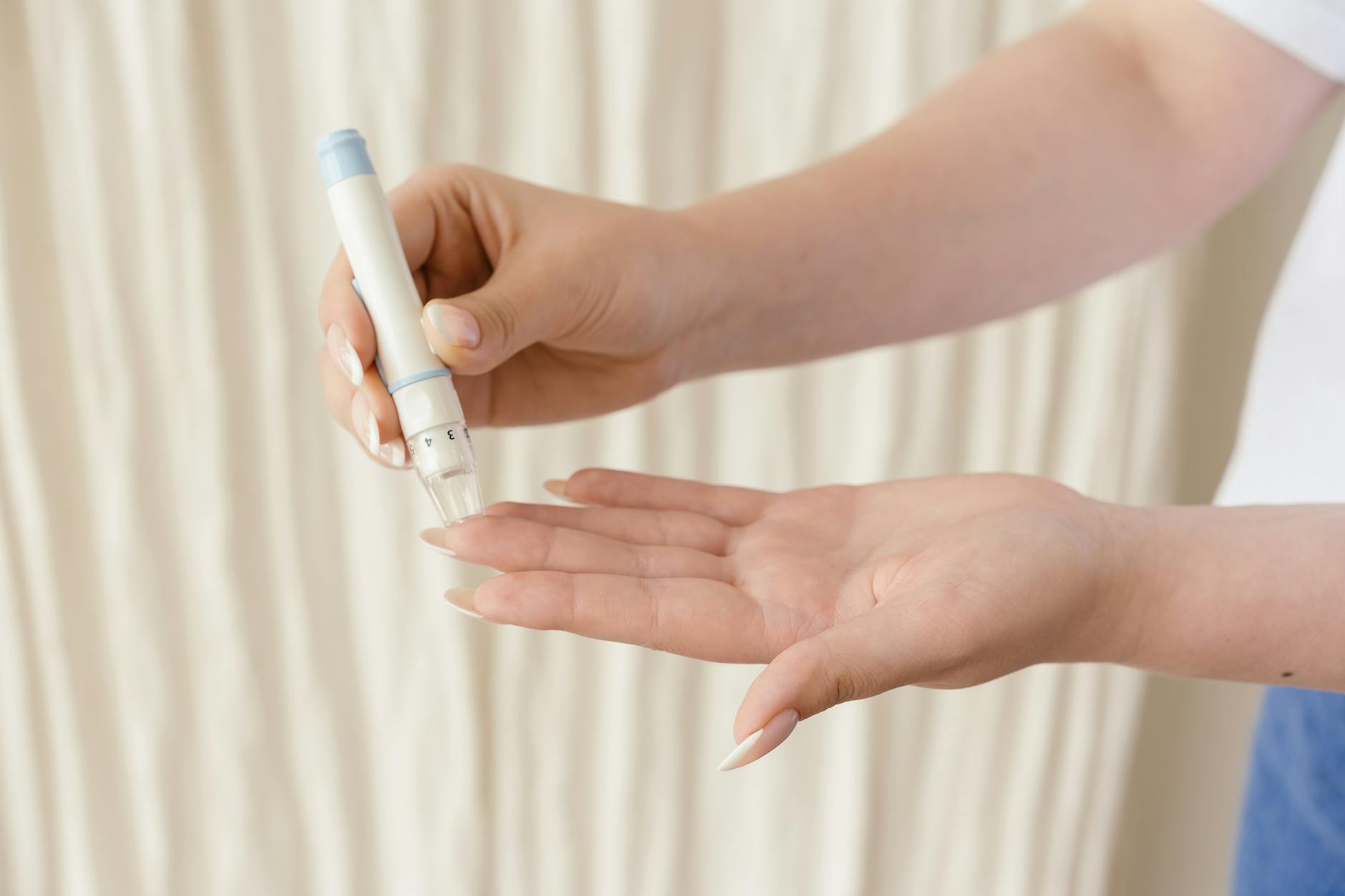
While the evidence for cinnamon's potential to modestly improve glycemic markers is promising, it is crucial to approach its use with clinical caution. It is not a substitute for established medical therapy, and its safety profile requires careful consideration, particularly for certain populations.
Key Safety Concerns
The primary safety concern involves the type of cinnamon used. There are two main varieties:
- Cassia Cinnamon: This is the common, inexpensive variety found in most grocery stores. It contains significant amounts of coumarin, a compound that can be hepatotoxic (liver-damaging) and may affect blood coagulation when consumed in large quantities over time.
- Ceylon Cinnamon: Often called "true cinnamon," it contains negligible amounts of coumarin and is considered the safer option for regular consumption.
For most adults, consuming up to one teaspoon (approximately 2-3 grams) of Cassia cinnamon daily is considered a tolerable upper limit by many health authorities, but long-term, higher-dose supplementation carries risk.
Clinical Insight: In practice, clinicians are less concerned about a dash of cinnamon on oatmeal and more concerned about patients self-prescribing high-potency supplements. These concentrated forms can interact with medications and pose risks not seen with culinary use. The evidence for therapeutic benefit is primarily from short-term trials; the long-term safety of daily high-dose supplementation is not well-established.
Who Should Exercise Particular Caution?
The following individuals should consult a healthcare professional before using cinnamon supplements or significantly increasing dietary intake:
- Individuals on Diabetes Medications: Cinnamon may have additive glucose-lowering effects. Combining it with insulin or oral hypoglycemics (like sulfonylureas or meglitinides) could increase the risk of hypoglycemia, requiring medication adjustment.
- Those with Liver Conditions: Due to the coumarin content in Cassia cinnamon, individuals with pre-existing liver disease should avoid it and only consider Ceylon cinnamon under medical guidance.
- People on Anticoagulants: Coumarin can potentiate the effects of blood thinners like warfarin, increasing bleeding risk.
- Pregnant or Breastfeeding Individuals: Safety data is insufficient, so it is prudent to avoid therapeutic doses.
- Individuals with Upcoming Surgery: Due to potential effects on blood sugar and coagulation, it is generally advised to discontinue supplements at least two weeks prior to a scheduled procedure.
When to Consult a Healthcare Professional
You should seek advice from a physician, endocrinologist, or a registered dietitian if you:
- Are considering cinnamon as an adjunct therapy for diabetes or prediabetes.
- Take any medications regularly, to check for potential interactions.
- Experience any adverse effects, such as gastrointestinal upset, mouth sores, or signs of liver issues (e.g., unusual fatigue, jaundice).
- Have difficulty sourcing or identifying pure Ceylon cinnamon for long-term use.
A professional can help you weigh the limited but suggestive evidence against your personal health profile, ensuring any integrative approach is both safe and monitored.
6. Questions & Expert Insights
Can cinnamon truly lower my blood sugar, and how does it work?
The evidence suggests cinnamon can have a modest, beneficial effect on blood glucose, but it is not a replacement for medication or lifestyle changes. The proposed mechanisms are primarily through bioactive compounds, like cinnamaldehyde, which may improve insulin sensitivity by mimicking insulin's action at the cellular level and slowing the emptying of the stomach after a meal, thereby blunting the post-meal rise in blood sugar. Most human studies showing benefit have used doses of 1 to 6 grams (about ½ to 2 teaspoons) of cinnamon powder daily. However, the data is mixed, with some meta-analyses showing statistically significant reductions in fasting glucose and HbA1c, while others find the effect negligible. The response can also vary significantly between individuals.
What are the risks and who should avoid using cinnamon for blood sugar?
While generally safe as a culinary spice, therapeutic doses of cinnamon supplements carry specific risks. The primary concern is coumarin, a compound found in higher concentrations in Cassia cinnamon (the common, inexpensive type). High, prolonged coumarin intake can cause liver toxicity and may interact with blood-thinning medications like warfarin. Individuals with pre-existing liver disease, those on anticoagulants, or people with known allergies to cinnamon should avoid supplements. Pregnant or breastfeeding women should also exercise caution due to a lack of safety data. Furthermore, relying on cinnamon instead of proven medical therapy for diabetes can lead to dangerous hyperglycemia.
How should I talk to my doctor about using cinnamon?
It is essential to discuss any supplement, including cinnamon, with your healthcare provider before starting. Schedule a conversation specifically about integrative approaches to your diabetes management. Come prepared with clear information: the specific type and brand of cinnamon you're considering, the intended dose (in grams or milligrams), and your current blood glucose logs. Ask direct questions: "Could this interact with my current medications (especially for diabetes, liver, or blood clotting)?" and "How should I monitor for any adverse effects?" This allows your doctor to give personalized, safe advice and integrate the supplement into your overall care plan without compromising your health.
Is one type of cinnamon better than another for blood sugar control?
Yes, there is a significant difference. The two main types are Cassia (or Chinese) cinnamon and Ceylon (or "true") cinnamon. Most commercial cinnamon powder and supplements are Cassia, which is less expensive but contains high levels of coumarin, posing a liver risk with long-term, high-dose use. Ceylon cinnamon has a milder flavor, is more expensive, and contains only trace amounts of coumarin. From a safety perspective for regular supplementation, Ceylon is the clear choice. However, regarding efficacy for blood sugar, most clinical trials have not specified the cinnamon variety used, so it is difficult to state definitively that one is more potent than the other. The safer profile of Ceylon makes it the recommended choice for therapeutic use.
7. In-site article recommendations
8. External article recommendations
9. External resources
The links below point to reputable medical and evidence-based resources that can be used for further reading. Always interpret them in the context of your own situation and your clinician’s advice.
-
drugs drugs.comcinnamon – Drugs.com (search)
-
mayoclinic mayoclinic.orgcinnamon – Mayo Clinic (search)
-
healthline healthline.comcinnamon – Healthline (search)
These external resources are maintained by third-party organisations. Their content does not represent the editorial position of this site and is provided solely to support readers in accessing additional professional information.