
1. Introduction to Ginger Root and Digestive Health
Ginger root, the rhizome of the plant Zingiber officinale, has been a cornerstone of traditional medicine systems for millennia, particularly for its role in supporting digestive function. In contemporary clinical practice and research, it is recognized as a functional food and a botanical supplement of significant interest. Its primary bioactive compounds, gingerols and shogaols, are believed to mediate many of its physiological effects, including modulation of gastrointestinal motility, anti-inflammatory actions, and influence on neurotransmitter pathways involved in nausea.
The connection between ginger and digestive health is supported by a body of scientific evidence, though the strength of this evidence varies considerably by condition. It is crucial for readers to distinguish between well-established uses and those that are more preliminary or based primarily on traditional use.
- Stronger Evidence: The most robust data supports ginger's efficacy in managing nausea and vomiting, particularly in the contexts of pregnancy (morning sickness), chemotherapy-induced nausea, and postoperative nausea.
- Emerging or Mixed Evidence: Research on ginger for functional dyspepsia (indigestion), bloating, and cramping is promising but less conclusive, often involving smaller studies or showing mixed results.
- Traditional Use & Preliminary Research: Its historical use for stimulating appetite and relieving flatulence is supported by mechanistic studies, though large-scale clinical trials are limited.
This chapter serves as a foundation for understanding ginger's potential role in digestive wellness. A balanced, evidence-based perspective is essential, as the supplement is not without risks or appropriate contraindications.
Clinical Perspective: From a clinical standpoint, ginger is often considered a low-risk first-line intervention for specific, mild-to-moderate digestive complaints. However, its pharmacological activity means it is not suitable for everyone. Key considerations include its potential to act as a mild anticoagulant, its impact on blood glucose and blood pressure, and its possible interactions with prescription medications. It is not a substitute for diagnosing and treating underlying gastrointestinal disorders.
Individuals with gallstone disease, bleeding disorders, or those taking anticoagulant medications (e.g., warfarin, aspirin) or medications for diabetes and hypertension should consult a physician before using ginger therapeutically. Pregnant individuals should discuss its use for morning sickness with their obstetrician to determine appropriate dosing.
2. Scientific Evidence and Mechanisms of Action
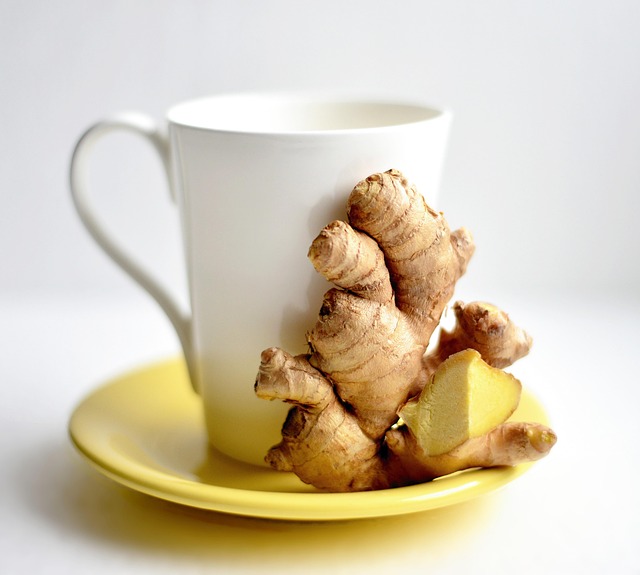
The purported digestive benefits of ginger root are primarily attributed to its bioactive compounds, chiefly gingerols and shogaols. These compounds are thought to exert their effects through several interconnected physiological pathways.
Mechanisms of Action
From a mechanistic standpoint, ginger appears to influence the digestive system in multiple ways:
- Gastrointestinal Motility: Gingerols may act as agonists at 5-HT3 receptors and antagonists at muscarinic M3 receptors in the gut, which can help modulate smooth muscle contractions. This dual action can explain its potential to both alleviate nausea and, in some cases, promote gastric emptying.
- Anti-inflammatory Effects: Ginger compounds inhibit key enzymes in the prostaglandin and leukotriene synthesis pathways (e.g., cyclooxygenase and lipoxygenase). Reducing local inflammation in the gut lining may alleviate symptoms of functional dyspepsia.
- Antioxidant Activity: By scavenging free radicals, ginger may help protect gastrointestinal mucosal cells from oxidative stress, which is implicated in various digestive disorders.
Review of the Evidence
The strength of evidence varies significantly by condition:
Strongest Evidence – Nausea and Vomiting: Multiple systematic reviews and meta-analyses conclude that ginger is likely effective for nausea related to pregnancy (morning sickness), chemotherapy, and postoperative recovery. Doses of 1–1.5 grams per day are commonly studied. The evidence here is considered robust, though not all trials are of high quality.
Mixed/Preliminary Evidence – Other Digestive Issues: For conditions like functional dyspepsia, bloating, and irritable bowel syndrome (IBS), the data is less conclusive. Some small randomized controlled trials show symptom improvement compared to placebo, while others show no significant difference. Larger, longer-duration studies are needed to confirm efficacy and establish optimal dosing.
Clinical Perspective: In practice, ginger is often considered a low-risk adjunct for managing nausea. Its mechanisms are pharmacologically plausible, which supports its use. However, for chronic or severe digestive conditions like IBS or GERD, it should not replace first-line diagnostic evaluation and treatment. Effects can be individual; some patients report relief from bloating, while others may experience gastric irritation.
Important Cautions: Individuals with gallstone disease, bleeding disorders, or those taking anticoagulant medications (e.g., warfarin) should use ginger cautiously and consult a physician, as it may theoretically affect platelet aggregation and bile flow. Those scheduled for surgery should discontinue use due to potential bleeding risk.
3. Potential Risks and Contraindications

While ginger root is generally recognized as safe for most people when consumed in typical culinary amounts, its concentrated use as a supplement or therapeutic agent carries specific risks and contraindications. A balanced understanding of these is essential for safe use.
Drug Interactions and Bleeding Risk
Ginger possesses mild antiplatelet and anticoagulant properties. While the evidence for a clinically significant effect is mixed and often based on in vitro or animal studies, there is a plausible theoretical risk of interaction with medications such as:
- Anticoagulants/Antiplatelets: Warfarin, aspirin, clopidogrel, apixaban, rivaroxaban.
- NSAIDs: Ibuprofen, naproxen.
Individuals on these medications, or those with bleeding disorders, should consult a physician before using ginger supplements. Discontinuation is typically advised at least two weeks prior to scheduled surgery.
Gastrointestinal and Cardiovascular Effects
In higher doses (typically >4-5 grams daily), ginger can cause adverse effects, most commonly mild gastrointestinal discomfort such as heartburn, gas, or mouth irritation. There is limited evidence suggesting it may lower blood pressure or blood sugar. Therefore, individuals with:
- Gallbladder disease (ginger may increase bile secretion)
- Uncontrolled hypotension
- Diabetes on medication (due to potential additive hypoglycemic effect)
should exercise caution and monitor their condition closely under medical guidance.
Clinical Insight: In practice, the greatest risk often stems from the unregulated nature of supplements. Ginger product potency can vary dramatically between brands, and they may contain contaminants. Clinicians emphasize that "natural" does not equate to "risk-free," especially for vulnerable populations or those on complex medication regimens.
Specific Population Precautions
Evidence regarding safety in pregnancy is nuanced. While ginger is a well-researched option for nausea, its use should be limited to the first trimester and only after discussion with an obstetrician, as high doses may theoretically affect fetal sex hormones or increase miscarriage risk based on limited animal data. It is not recommended for individuals with a history of miscarriage or hormonal-sensitive conditions. Data on safety during breastfeeding is insufficient, so avoidance of supplemental doses is prudent.
The overarching recommendation is clear: for healthy individuals using small amounts of fresh or dried ginger in food, risks are minimal. For anyone considering therapeutic doses, particularly in supplement form, a consultation with a healthcare provider is a necessary step to evaluate individual contraindications and potential interactions.
4. Practical Applications and Dosage Guidelines

Integrating ginger into a health regimen requires a practical understanding of its forms, evidence-based applications, and appropriate dosing. The choice of preparation often depends on the intended use and personal preference.
Common Forms and Their Uses
Fresh ginger root can be sliced, grated, or juiced for culinary use or homemade teas. Dried, powdered ginger is convenient for cooking and encapsulation. Standardized extracts in capsule or liquid (tincture) form offer more consistent dosing for therapeutic purposes, often used in clinical research. Ginger tea bags and candied ginger are widely available but may contain added sugars.
Evidence-Based Dosage Ranges
Dosage is not one-size-fits-all and should be tailored to the specific condition. The following ranges are derived from clinical studies and traditional use guidelines:
- General Digestive Discomfort & Nausea: 1,000–1,500 mg of dried ginger powder per day, divided into 2–3 doses. For motion sickness, a 1,000 mg dose taken 30–60 minutes before travel is commonly suggested.
- Postoperative & Chemotherapy-Induced Nausea: Studies often use 1,000–2,000 mg daily in divided doses. This should only be undertaken in consultation with an oncologist or surgeon, as ginger may interact with anesthesia and certain chemotherapeutic agents.
- Osteoarthritis Pain: Clinical trials have used standardized extracts providing 500–1,000 mg daily, showing modest benefits for pain relief.
For fresh ginger, a common guideline is a 1–3 gram slice (approx. 1/2–1 inch) per day, though potency can vary.
Clinical Insight: "In practice, I recommend patients start at the lower end of the dosage range to assess tolerance. The evidence for ginger's anti-nausea effects is relatively strong, but its efficacy for other conditions like IBS or dyspepsia is more preliminary. Consistency is key—ginger is not a 'rescue' medication but may work best with regular, prophylactic use for chronic issues."
Important Safety and Consultation Guidelines
While generally recognized as safe by food authorities, ginger is not without risks. Specific groups should exercise caution or avoid supplementation:
- Anticoagulant/Antiplatelet Therapy: Ginger may have mild blood-thinning effects. Patients on warfarin, aspirin, or other anticoagulants must consult a physician.
- Gallbladder Disease: Ginger may stimulate bile production, potentially triggering pain in individuals with gallstones.
- Pregnancy: While sometimes used for morning sickness, doses above 1,000 mg daily are not recommended. Consultation with an obstetrician is essential.
- Upcoming Surgery: Discontinue high-dose ginger supplements at least two weeks prior to scheduled surgery due to potential bleeding risk.
Common side effects at high doses include heartburn, gas, and mouth irritation. The most robust evidence supports ginger's use for nausea; claims for other digestive benefits, while promising, are based on more limited or mixed data. Always discuss new supplements with a healthcare provider, especially if you have a chronic condition or take regular medications.
5. When to Seek Medical Advice
While ginger is generally recognized as safe for culinary use, its consumption as a concentrated supplement or therapeutic agent requires a more cautious, medically-informed approach. Understanding when to consult a healthcare professional is crucial for safe and effective use.
Specific Conditions Requiring Medical Consultation
Certain health conditions and medications significantly increase the risk of adverse interactions with ginger. You should consult your doctor or pharmacist before using ginger supplements if you have:
- Bleeding disorders or are on anticoagulant/antiplatelet therapy (e.g., warfarin, clopidogrel, aspirin). Ginger may have mild antiplatelet effects, potentially increasing bleeding risk.
- Diabetes, especially if on medication (e.g., insulin, metformin, sulfonylureas). Ginger may lower blood glucose, raising the risk of hypoglycemia.
- Gallbladder disease. Ginger may stimulate bile production, which could precipitate pain or complications in individuals with gallstones.
- A scheduled surgery. Discontinuation is typically advised at least two weeks prior to surgery due to potential effects on bleeding and blood pressure.
Clinical Insight: In practice, the primary concern with ginger is its pharmacologic interaction with other substances, not toxicity from typical food amounts. Patients on polypharmacy, particularly for cardiovascular or metabolic conditions, should always disclose all supplements, including ginger, during medication reviews. The risk is dose-dependent, with higher supplemental doses posing greater interaction potential.
Recognizing Adverse Reactions
Discontinue use and seek medical advice if you experience symptoms that may be linked to ginger supplementation, such as:
- Heartburn, severe stomach upset, or mouth irritation.
- Signs of an allergic reaction (rash, itching, swelling).
- Unusual bruising or bleeding.
- Palpitations or dizziness, which could indicate blood pressure changes.
Special Populations
Evidence regarding safety in specific groups is limited. A precautionary approach is warranted:
- Pregnancy: While small amounts of dietary ginger are likely safe and it is sometimes used for nausea, high-dose supplement use during pregnancy, especially near term, is not recommended without obstetric guidance due to theoretical concerns about fetal development and bleeding risk.
- Children: Supplemental doses are not well-studied in young children; use should be guided by a pediatrician.
- Individuals with gastroesophageal reflux disease (GERD): Ginger may exacerbate symptoms in some people.
The key takeaway is to treat ginger supplements with the same caution as any other bioactive compound. Integrating them into a health regimen should be a decision made in partnership with a healthcare provider who understands your full medical history.
6. Questions & Expert Insights
Can ginger really help with nausea and vomiting?
Yes, the evidence for ginger's antiemetic (anti-nausea) properties is among the strongest for its traditional uses. Multiple systematic reviews and meta-analyses conclude that ginger is likely effective for nausea related to pregnancy (morning sickness), chemotherapy, and postoperative recovery. The proposed mechanism involves gingerols and shogaols acting on serotonin receptors in the gut and central nervous system. For pregnancy-related nausea, major health bodies like the American College of Obstetricians and Gynecologists recognize it as a non-pharmacological option. However, the effect size is generally considered moderate. It is not a replacement for prescription antiemetics in severe cases, such as with highly emetogenic chemotherapy, but can be a useful adjunct or first-line option for mild to moderate symptoms. The evidence is more mixed for motion sickness.
What are the risks or side effects of taking ginger?
For most healthy adults consuming culinary amounts or short-term supplemental doses (up to 4 grams daily), ginger is well-tolerated. Common side effects are mild and include heartburn, gas, bloating, and mouth irritation. The primary risks involve higher doses, prolonged use, or specific patient populations. Ginger has mild antiplatelet (blood-thinning) effects, which could theoretically increase bleeding risk, especially when combined with anticoagulant medications like warfarin or aspirin. It may also lower blood sugar slightly. Therefore, individuals with bleeding disorders, those scheduled for surgery, and people with diabetes on medication should use caution. High doses (over 4 grams daily) are not recommended in pregnancy due to a potential, though unproven, link to miscarriage risk.
Who should absolutely avoid ginger supplements?
While culinary use is generally safe for most, specific groups should avoid therapeutic doses of ginger supplements unless under direct medical supervision. This includes: individuals with known gallstone disease, as ginger may increase bile secretion; those with a history of bleeding disorders or active peptic ulcers; and patients taking specific medications, notably anticoagulants (e.g., warfarin), antiplatelet drugs (e.g., clopidogrel), and certain blood pressure or diabetes medications where ginger could potentiate effects. Individuals with known allergies to ginger or other plants in the Zingiberaceae family should also avoid it. The safety profile in young children and during breastfeeding is not well-established, so avoidance or extreme caution is advised.
When should I talk to my doctor about using ginger, and what should I bring to that conversation?
You should consult a doctor or pharmacist before using ginger therapeutically if: you have any of the pre-existing conditions mentioned above, you are taking any prescription medications, you are pregnant or planning pregnancy, or if your symptoms (like chronic nausea, IBS, or arthritis pain) are severe or undiagnosed. For the conversation, come prepared with specific information: the form of ginger you plan to use (fresh, powdered, capsule, extract), the intended dosage in milligrams, the frequency, and the condition you are trying to manage. Bring a complete list of all your medications, including over-the-counter drugs and other supplements. This allows your provider to assess for interactions and give personalized, safe guidance rather than a generic "it's natural, so it's fine" answer.
7. In-site article recommendations
8. External article recommendations
9. External resources
The links below point to reputable medical and evidence-based resources that can be used for further reading. Always interpret them in the context of your own situation and your clinician’s advice.
-
examine examine.comginger root – Examine.com (search)
-
wikipedia wikipedia.orgginger root – Wikipedia (search)
-
drugs drugs.comginger root – Drugs.com (search)
These external resources are maintained by third-party organisations. Their content does not represent the editorial position of this site and is provided solely to support readers in accessing additional professional information.