
1. Introduction to GLP-1 Medications and Exercise Synergy

Glucagon-like peptide-1 receptor agonists (GLP-1 RAs) are a class of medications primarily used for managing type 2 diabetes and, more recently, chronic weight management. They work by mimicking the action of the natural GLP-1 hormone, which enhances insulin secretion, suppresses glucagon release, slows gastric emptying, and promotes satiety in the brain. While these drugs are effective for glycemic control and weight reduction, their optimal benefits are often realized within a comprehensive lifestyle framework.
Physical exercise is a cornerstone of this framework. The interaction between GLP-1 medication and regular physical activity is not merely additive; emerging evidence suggests a synergistic relationship. This synergy operates on multiple physiological levels:
- Metabolic Enhancement: Both GLP-1 RAs and exercise improve insulin sensitivity in skeletal muscle and liver tissue. Combining them may lead to greater improvements in glycemic control than either intervention alone.
- Body Composition Preservation: Weight loss from any source, including medication, can result in the loss of both fat and lean muscle mass. Structured exercise, particularly resistance training, is the primary evidence-based strategy to help preserve or even increase muscle mass during caloric deficit.
- Cardiometabolic Health: Both interventions independently improve cardiovascular risk factors like blood pressure and lipid profiles. Their combination is a logical, multi-target approach to comprehensive risk reduction.
Clinical Perspective: From a clinical standpoint, GLP-1 medications can create a unique window of opportunity. By reducing appetite and facilitating initial weight loss, they can lower the barrier to starting and adhering to an exercise program for individuals who previously found physical activity challenging. The role of the clinician is to guide patients to leverage this effect to build sustainable, foundational fitness habits.
It is important to note that while the theoretical and mechanistic rationale for this synergy is strong, direct evidence from large, long-term randomized controlled trials specifically designed to test the combined effect of GLP-1 RAs and structured exercise programs is still developing. Current recommendations are based on the well-established benefits of exercise for cardiometabolic health and the principles of body composition management.
Who should proceed with caution? Individuals with cardiovascular disease, severe arthritis, neuropathy, or retinopathy should consult their physician before initiating a new exercise regimen. Those experiencing significant gastrointestinal side effects from GLP-1 medications (like nausea) may need to time their exercise sessions carefully. A personalized plan developed with a healthcare provider, and potentially an exercise physiologist, is the safest approach.
2. Evidence and Mechanisms: How GLP-1 Therapy and Exercise Interact
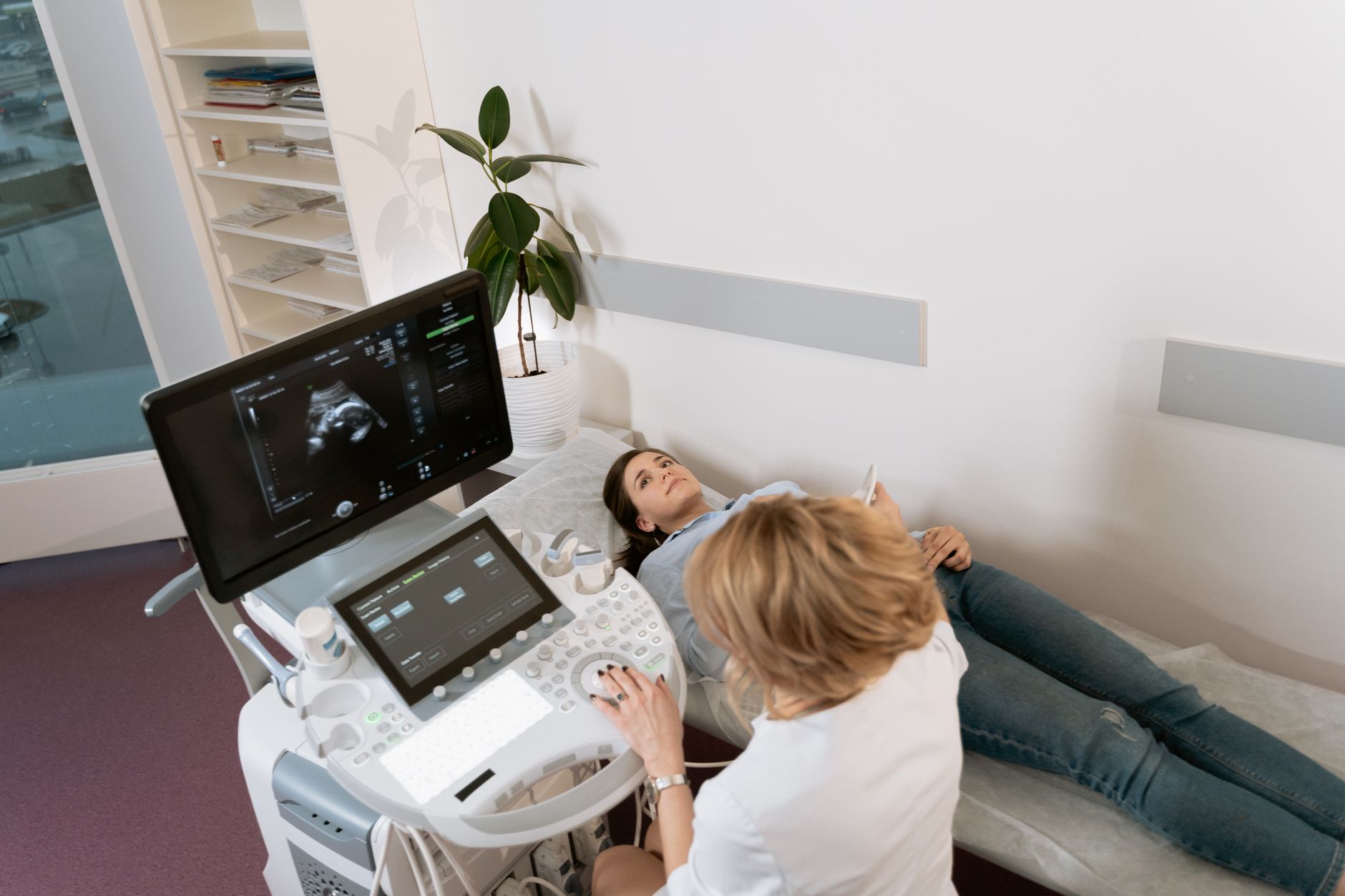
GLP-1 receptor agonists (GLP-1 RAs) and physical activity are both cornerstone interventions for managing type 2 diabetes and obesity. Their combined effects are not merely additive; they appear to work through complementary and potentially synergistic physiological pathways. Understanding these mechanisms is key to designing an effective, integrated treatment plan.
Complementary Mechanisms of Action
GLP-1 RAs primarily act on pancreatic islet cells to enhance glucose-dependent insulin secretion and suppress glucagon. They also slow gastric emptying, promote satiety in the brain, and can reduce calorie intake. Exercise, conversely, works primarily in peripheral tissues:
- Insulin Sensitivity: Exercise is a potent stimulator of skeletal muscle glucose uptake, improving insulin sensitivity independently of weight loss. GLP-1 RAs can also improve insulin sensitivity, but through different pathways, including potential effects on liver and fat tissue.
- Body Composition: GLP-1 RAs predominantly reduce fat mass. Exercise, particularly resistance training, helps preserve or increase lean muscle mass, which is crucial for maintaining metabolic rate and functional strength during weight loss.
- Cardiometabolic Health: Both modalities improve blood pressure, lipid profiles, and endothelial function, contributing to reduced cardiovascular risk.
Clinical Insight: The preservation of muscle mass is a critical consideration. While GLP-1 RAs are effective for weight reduction, a portion of the weight lost can be lean tissue. Incorporating structured exercise, especially progressive resistance training, is the most evidence-based strategy to mitigate this loss and promote a healthier body composition.
Evidence for Combined Efficacy
The evidence supporting the combination is strong for glycemic control and weight loss, but nuances exist.
- Strong Evidence: Multiple randomized controlled trials confirm that combining GLP-1 RA therapy with structured exercise (both aerobic and resistance) leads to superior improvements in HbA1c, body weight, and cardiorespiratory fitness compared to either intervention alone.
- Areas of Ongoing Research: The optimal type, timing, and intensity of exercise to maximize synergy with specific GLP-1 RAs is still being investigated. Most evidence is in populations with type 2 diabetes or obesity; data in other conditions is more limited.
Important Considerations and Cautions
While the combination is broadly recommended, individualization is essential. Patients should be aware of the following:
- GLP-1 RAs can cause gastrointestinal side effects (nausea, vomiting). Vigorous exercise may exacerbate these symptoms, necessitating careful timing of doses and meals around activity.
- Individuals with a history of severe gastroparesis, pancreatitis, or medullary thyroid carcinoma (a contraindication for some GLP-1 RAs) require specific medical guidance.
- Those with established cardiovascular disease, neuropathy, or retinopathy should consult their physician to ensure their exercise prescription is safe and appropriate for their condition.
In summary, the interaction between GLP-1 therapy and exercise is founded on robust complementary mechanisms. A combined approach, tailored to the individual and initiated under professional guidance, represents the most effective strategy for achieving comprehensive metabolic health goals.
3. Risks, Contraindications, and Populations Requiring Caution

While GLP-1 receptor agonists (e.g., semaglutide, liraglutide) are powerful tools for weight management and glycemic control, they are not suitable for everyone. A clear understanding of their risks and contraindications is essential for safe use, particularly when combined with an exercise regimen.
Absolute Contraindications and Serious Risks
These medications carry a boxed warning for thyroid C-cell tumor risk. They are contraindicated in patients with a personal or family history of medullary thyroid carcinoma (MTC) or in those with Multiple Endocrine Neoplasia syndrome type 2 (MEN 2). Another major contraindication is a history of severe hypersensitivity reactions to the drug or its components.
The most common adverse effects are gastrointestinal, including nausea, vomiting, diarrhea, and constipation. These can be exacerbated by dehydration, a risk that increases with vigorous exercise. Rare but serious risks include pancreatitis, gallbladder disease, acute kidney injury (often secondary to dehydration and nausea), and severe gastroparesis.
Populations Requiring Heightened Caution and Medical Supervision
Certain individuals should only use GLP-1 medications under close medical supervision, with exercise plans tailored to their specific risks:
- Patients with Pancreatic or Gallbladder Disease: A history of pancreatitis or cholelithiasis requires extreme caution. Any new, severe abdominal pain warrants immediate cessation and medical evaluation.
- Those with Renal Impairment: Patients with chronic kidney disease (CKD) are at higher risk for dehydration and acute kidney injury. Fluid intake must be meticulously managed, especially around exercise.
- Individuals with a History of Eating Disorders: The potent appetite-suppressing effects can potentially trigger or exacerbate disordered eating patterns. Prescribers must screen for this history.
- Older Adults and Frail Individuals: The combination of rapid weight loss, potential muscle loss (sarcopenia), and GI side effects increases the risk of malnutrition and falls. Exercise should focus on resistance training and balance, not just calorie expenditure.
- People on Other Glucose-Lowering Medications: Particularly insulin or sulfonylureas, due to a significantly elevated risk of hypoglycemia. Exercise can further lower blood glucose, necessitating careful monitoring and medication adjustment by a physician.
Initiating both a GLP-1 medication and a new exercise routine represents a significant physiological shift. A discussion with a healthcare provider is non-negotiable to review personal medical history, contraindications, and to create a coordinated, safe plan that addresses both pharmacotherapy and physical activity.
4. Practical Exercise Takeaways for Complementing GLP-1 Therapy
Integrating a structured exercise regimen with GLP-1 receptor agonist therapy can create a powerful synergy for improving metabolic health, body composition, and long-term weight maintenance. The primary goals are to preserve lean muscle mass, enhance cardiometabolic fitness, and support the medication's beneficial effects on glycemic control and satiety.
Evidence-Based Exercise Priorities
Current evidence, while still evolving, strongly supports a dual focus on resistance training and aerobic activity.
- Resistance Training (2-3 times per week): This is a critical component. GLP-1 medications can lead to weight loss from both fat and lean mass. Progressive resistance exercise is the most effective strategy to mitigate muscle loss, thereby ensuring that a greater proportion of weight lost is adipose tissue. Focus on compound movements (e.g., squats, lunges, presses, rows) that engage multiple muscle groups.
- Moderate-Intensity Aerobic Exercise (150+ minutes per week): Activities like brisk walking, cycling, or swimming improve cardiovascular health, increase calorie expenditure, and enhance insulin sensitivity—effects that complement the drug's action. Consistency is more important than intensity, especially when initiating a routine.
Clinical Insight: From a physiological standpoint, the combination addresses two key issues: GLP-1s primarily reduce energy intake (appetite), while exercise increases energy expenditure and improves metabolic capacity. This creates a more comprehensive metabolic intervention. We often see better preservation of metabolic rate and functional strength in patients who combine therapy with structured exercise compared to those who rely on medication alone.
Practical Implementation & Cautions
Start gradually, particularly if you are new to exercise or are experiencing the gastrointestinal side effects (like nausea) that can sometimes occur with GLP-1 initiation.
- Begin with shorter, low-impact sessions (e.g., 10-15 minute walks) and slowly increase duration and intensity.
- Prioritize proper hydration and nutrition, particularly adequate protein intake, to support exercise recovery and muscle protein synthesis.
- Listen to your body; significant fatigue or dizziness may indicate hypoglycemia, especially if you are also on insulin or insulin secretagogues.
Who should seek medical advice first? Individuals with pre-existing cardiovascular conditions, severe arthritis, neuropathy, retinopathy (particularly for high-impact or heavy resistance exercise), or a history of severe hypoglycemia should consult their physician or a qualified exercise physiologist to develop a safe, personalized plan. The exercise regimen should be viewed as an integral, long-term component of therapy, not a short-term adjunct.
5. Safety Considerations and When to Consult a Healthcare Provider

While combining GLP-1 receptor agonists with exercise is a powerful strategy for metabolic health, this synergy introduces specific safety considerations. A proactive, medically supervised approach is essential to mitigate risks and maximize benefits.
Key Safety Considerations for Combined Therapy
The primary safety concerns stem from the additive effects of medication and physical activity on blood glucose, cardiovascular demand, and gastrointestinal function.
- Hypoglycemia Risk: GLP-1 medications, particularly when used with insulin or sulfonylureas, can increase hypoglycemia risk. Exercise potentiates this effect. Vigilant glucose monitoring before, during, and after activity is non-negotiable for individuals on these regimens.
- Cardiovascular Stress: GLP-1s can cause a modest increase in heart rate. Initiating a new, intense exercise program adds further cardiovascular load. Individuals with pre-existing heart conditions require careful assessment and activity prescription.
- Gastrointestinal Side Effects: Nausea and delayed gastric emptying are common with GLP-1s. Intense exercise can exacerbate these symptoms. Timing exercise appropriately (e.g., not immediately after injection) and staying hydrated are crucial.
- Musculoskeletal Injury: Rapid weight loss from combined therapy can lead to reduced muscle mass if exercise is not properly structured. A focus on progressive resistance training is vital to preserve lean tissue and joint integrity.
Clinical Insight: In practice, we view the start of a GLP-1 medication as a "re-set" period for the body. Introducing exercise should be gradual and titrated, much like the medication dose itself. We counsel patients to listen to new bodily signals—unusual dizziness, excessive fatigue, or joint pain—and report them, as these can indicate the need to adjust either the exercise prescription or the medication timing/dose.
When to Consult Your Healthcare Provider
You should schedule a consultation with your physician or a relevant specialist (e.g., endocrinologist, exercise physiologist) before and during this combined approach in the following scenarios:
- Prior to Starting: If you have a history of pancreatitis, diabetic retinopathy, severe gastroparesis, medullary thyroid carcinoma (personal or family history), or multiple endocrine neoplasia syndrome type 2. These are contraindications or require extreme caution with GLP-1s.
- For Exercise Planning: If you have known cardiovascular disease, kidney disease, severe neuropathy, or orthopedic limitations. Your exercise regimen must be tailored to these conditions.
- For Medication Management: If you are on other glucose-lowering medications (insulin, sulfonylureas) to coordinate dose adjustments and prevent hypoglycemia.
- During Therapy: If you experience persistent severe nausea/vomiting, symptoms of hypoglycemia, palpitations, or unexplained musculoskeletal pain during or after exercise.
The evidence strongly supports the combined benefits of GLP-1 medications and exercise. However, the evidence for specific, universal exercise protocols is less definitive, highlighting the need for individualization. A collaborative plan between you and your healthcare team is the safest and most effective path forward.
6. Questions & Expert Insights
Can I stop exercising once I start a GLP-1 medication?
No, you should not stop exercising. While GLP-1 medications are effective for weight loss and glycemic control, they are not a substitute for physical activity. Exercise provides distinct, non-overlapping benefits that the medication alone cannot replicate. These include preserving and building lean muscle mass (which can be lost during rapid weight loss), improving cardiovascular fitness, enhancing insulin sensitivity at the tissue level, and supporting long-term metabolic health and weight maintenance. Relying solely on the medication may lead to a higher proportion of weight loss coming from muscle, which can lower metabolic rate and undermine long-term success. The combination of GLP-1 therapy with regular exercise, particularly resistance training, is considered the optimal strategy for achieving a healthier body composition and sustaining results.
What are the risks of exercising while on a GLP-1 agonist?
Exercising on GLP-1 medications is generally safe but requires awareness of specific potential risks. The most common side effects—nausea, gastroesophageal reflux, and delayed gastric emptying—can be exacerbated by vigorous activity. To mitigate this, time your workouts away from medication injections and meals. There is also a risk of dehydration and electrolyte imbalances, particularly if the medication causes gastrointestinal side effects. More seriously, individuals with a history of medullary thyroid carcinoma (MTC) or Multiple Endocrine Neoplasia syndrome type 2 (MEN 2) must avoid GLP-1 RAs entirely. Those with a history of pancreatitis, severe gastroparesis, or kidney disease should exercise extreme caution and only undertake an exercise program under direct medical supervision, as dehydration and rapid metabolic shifts can pose additional risks.
When should I talk to my doctor about my exercise plan, and what should I bring?
Consult your prescribing physician or a specialist (like an endocrinologist or sports medicine doctor) before significantly increasing your exercise intensity, especially if you have pre-existing cardiovascular, renal, or musculoskeletal conditions. This conversation is crucial if you are new to exercise. Bring a clear log of your current activity, your specific GLP-1 medication and dosage schedule, and a list of all other medications and supplements. Discuss any side effects you are experiencing, such as dizziness or nausea. Be prepared to talk about your goals (e.g., weight loss, muscle gain, improved stamina). This information allows your doctor to provide personalized advice on exercise type, intensity, and timing relative to your dose, ensuring safety and maximizing therapeutic synergy.
Is high-intensity interval training (HIIT) safe and effective with GLP-1s?
The evidence is promising but requires a cautious, individualized approach. Some studies suggest HIIT can offer superior cardiovascular and metabolic benefits compared to moderate-intensity continuous training. However, for individuals on GLP-1s, the rapid shifts in exertion and body position during HIIT may worsen gastrointestinal side effects like nausea or reflux. There is also a theoretical concern about exaggerated blood pressure responses during intense intervals. Therefore, HIIT is not recommended for beginners or those experiencing significant medication side effects. If you are experienced with exercise and tolerating your medication well, introducing HIIT gradually under guidance may be beneficial. Current research on the specific combination of GLP-1 medications and HIIT is limited, so outcomes regarding enhanced weight loss or glycemic control remain supportive but not conclusively proven.
7. In-site article recommendations
8. External article recommendations
9. External resources
The links below point to reputable medical and evidence-based resources that can be used for further reading. Always interpret them in the context of your own situation and your clinician’s advice.
-
mayoclinic mayoclinic.orgGLP-1 receptor agonists – Mayo Clinic (search)
-
wikipedia wikipedia.orgGLP-1 receptor agonists – Wikipedia (search)
-
examine examine.comGLP-1 receptor agonists – Examine.com (search)
These external resources are maintained by third-party organisations. Their content does not represent the editorial position of this site and is provided solely to support readers in accessing additional professional information.