
1. Introduction and Clinical Context of GLP-1 Medications

Glucagon-like peptide-1 (GLP-1) receptor agonists represent a significant advancement in the pharmacologic management of type 2 diabetes and, more recently, obesity. These medications are synthetic analogs of the naturally occurring GLP-1 hormone, which is released from the gut in response to food intake. Their development and clinical application are grounded in a deep understanding of human physiology and the pathophysiology of metabolic disease.
The primary, well-established mechanisms of action for GLP-1 receptor agonists include:
- Glucose-Dependent Insulin Secretion: They enhance insulin release from pancreatic beta cells only when blood glucose levels are elevated, significantly reducing the risk of hypoglycemia compared to older therapies like sulfonylureas.
- Suppression of Glucagon: They inhibit the secretion of glucagon, a hormone that raises blood sugar, particularly after meals.
- Gastric Emptying Delay: They slow the rate at which food leaves the stomach, contributing to a feeling of fullness (satiety).
- Central Appetite Regulation: They act on receptors in the brain's hypothalamus to promote satiety and reduce food intake.
Initially approved for glycemic control in type 2 diabetes, the weight-loss effects observed in clinical trials led to specific approvals for chronic weight management in adults with obesity or overweight with at least one weight-related comorbidity. The evidence for their efficacy in reducing HbA1c and body weight is robust and derived from numerous large-scale, randomized controlled trials.
Clinical Perspective: It is crucial to understand that GLP-1 medications are not simply "weight-loss drugs." They are potent metabolic modulators. Their use requires careful patient selection, consideration of comorbidities, and management of potential side effects. They are intended as adjuncts to, not replacements for, foundational lifestyle interventions involving nutrition and physical activity.
While the cardiovascular benefits of certain GLP-1 receptor agonists in reducing major adverse cardiovascular events (MACE) in patients with type 2 diabetes and established cardiovascular disease are strongly supported by evidence, applications in other areas—such as addiction, neurodegenerative diseases, or non-alcoholic steatohepatitis (NASH)—remain areas of active investigation with preliminary or mixed data.
Individuals with a personal or family history of medullary thyroid carcinoma (MTC) or Multiple Endocrine Neoplasia syndrome type 2 (MEN 2) should not use these medications. Those with a history of pancreatitis, severe gastrointestinal disease, or kidney impairment should proceed with caution and under close medical supervision. As with any prescription therapy, a thorough discussion with a physician is essential to assess individual risks, benefits, and appropriateness.
2. Mechanisms of Action and Mayo Clinic Research Evidence
GLP-1 (glucagon-like peptide-1) receptor agonists are a class of medications that mimic the action of the natural incretin hormone GLP-1. Their primary mechanisms of action are multi-faceted, targeting several organ systems to produce their therapeutic effects:
- Pancreatic Effects: They enhance glucose-dependent insulin secretion from pancreatic beta cells and suppress glucagon secretion from alpha cells, improving glycemic control.
- Central Nervous System Effects: They act on receptors in the hypothalamus and brainstem to promote satiety and reduce appetite, a key driver of weight loss.
- Gastrointestinal Effects: They slow gastric emptying, which contributes to prolonged feelings of fullness and helps blunt postprandial glucose spikes.
Mayo Clinic research has contributed significantly to the understanding of these mechanisms in clinical practice. Studies from the institution have helped delineate how these effects translate into real-world outcomes for conditions like type 2 diabetes and obesity. Their work often emphasizes the variability in individual patient response, which can be influenced by genetics, baseline physiology, and adherence.
Expert Insight: Clinicians at Mayo Clinic note that while the appetite-suppressing and gastric-emptying effects are well-established, the magnitude of weight loss can vary. The research underscores that these medications are most effective as part of a comprehensive treatment plan including nutrition and behavioral therapy, not as standalone solutions.
The evidence for efficacy in weight management and glycemic control is strong, supported by numerous large, randomized controlled trials. However, Mayo Clinic researchers also highlight areas where evidence is more nuanced or emerging. For instance, long-term data on cardiovascular outcomes are robust for some agents (like semaglutide and liraglutide) but more limited for others. Research into potential benefits for conditions like non-alcoholic steatohepatitis (NASH) or neurodegenerative diseases is considered preliminary and requires further validation.
It is crucial for individuals to consult with a physician before considering a GLP-1 medication. These agents are not suitable for everyone. Particular caution is advised for those with a personal or family history of medullary thyroid carcinoma, multiple endocrine neoplasia type 2, severe gastrointestinal disease, or pancreatitis. Patients with diabetic retinopathy should also be monitored closely, as rapid improvement in blood glucose can sometimes temporarily worsen this condition.
3. Risks, Side Effects, and Populations to Avoid
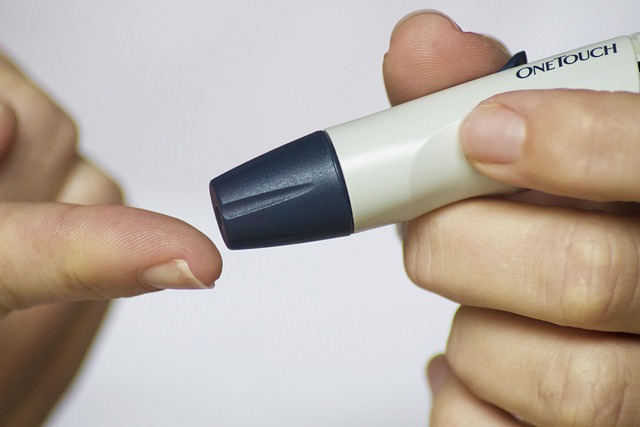
While GLP-1 receptor agonists (e.g., semaglutide, liraglutide) are effective for weight management and type 2 diabetes, their use is accompanied by a well-documented profile of potential adverse effects and specific contraindications. A balanced understanding of these risks is essential for safe and responsible use.
Common and Gastrointestinal Side Effects
The most frequently reported side effects are gastrointestinal, stemming from the medication's mechanism of slowing gastric emptying. These are often dose-dependent and may improve over time.
- Nausea, Vomiting, and Diarrhea: Very common, especially during dose escalation. Strategies like eating smaller meals and avoiding high-fat foods can help manage these symptoms.
- Constipation and Abdominal Pain: Also frequently reported and can be significant for some individuals.
Serious Risks and Safety Considerations
Beyond common side effects, several serious risks require vigilance and pre-treatment screening.
- Thyroid C-Cell Tumors: GLP-1 medications carry a boxed warning for thyroid C-cell tumors, observed in rodent studies. They are contraindicated in patients with a personal or family history of medullary thyroid carcinoma (MTC) or in patients with Multiple Endocrine Neoplasia syndrome type 2 (MEN 2).
- Pancreatitis: Cases of acute pancreatitis have been reported. Patients should be advised to seek immediate medical attention for severe, persistent abdominal pain.
- Gallbladder Disease: An increased risk of cholelithiasis (gallstones) and cholecystitis has been observed, likely related to rapid weight loss.
- Hypoglycemia: Risk is low when used alone, but significant when combined with insulin or insulin secretagogues (e.g., sulfonylureas).
- Acute Kidney Injury: Dehydration from severe GI side effects can precipitate renal issues, particularly in those with pre-existing kidney disease.
Clinical Insight: The decision to prescribe a GLP-1 medication involves a careful risk-benefit analysis. A thorough patient history is non-negotiable to rule out contraindications like a history of MTC or pancreatitis. Furthermore, managing patient expectations about the high likelihood of transient GI side effects is crucial for adherence. We monitor renal function at baseline and in patients reporting severe nausea or vomiting.
Populations Requiring Caution or Avoidance
These medications are not appropriate for everyone. Key populations to consider include:
- Pregnancy and Breastfeeding: Insufficient safety data; generally avoided.
- History of Pancreatitis or Active Gallbladder Disease: Use is contraindicated or requires extreme caution.
- Severe Gastrointestinal Disease: Including gastroparesis, severe IBD, or a history of major GI surgery.
- Pre-existing Thyroid Conditions: As noted above, specific history of MTC or MEN 2 is an absolute contraindication.
- Older Adults or Those with Renal Impairment: Require careful dose initiation and monitoring due to increased risk of dehydration and kidney injury.
- History of Eating Disorders: The weight-loss effects could potentially exacerbate disordered eating patterns.
Initiating a GLP-1 medication should always be a decision made in consultation with a physician who can evaluate individual risk factors, manage side effects, and provide appropriate monitoring.
4. Practical Takeaways for Informed Decision-Making

Navigating the decision to use a GLP-1 medication requires a clear-eyed view of the evidence, your personal health profile, and realistic expectations. The research, including work from institutions like the Mayo Clinic, provides a strong foundation for informed choices.
First, understand the primary indications. These medications are FDA-approved for the treatment of type 2 diabetes and, at specific doses, for chronic weight management in adults with obesity or overweight with at least one weight-related condition. The evidence for improving glycemic control and promoting significant weight loss is robust and well-replicated in large clinical trials.
However, it is critical to view them as tools within a comprehensive management plan, not standalone solutions. The most successful and sustainable outcomes are achieved when medication is combined with foundational lifestyle interventions:
- Nutrition: A sustainable, nutrient-dense eating pattern supports the medication's effects.
- Physical Activity: Regular exercise preserves lean muscle mass during weight loss and improves metabolic health.
- Behavioral Support: Addressing habits and mindset is often essential for long-term adherence.
Clinical Perspective: In practice, we see the greatest benefit when GLP-1 medications are used to help patients engage more effectively with lifestyle changes. The reduced appetite and slowed gastric emptying can make implementing dietary changes more manageable, creating a positive feedback loop. The goal is to use the medication as a catalyst for establishing durable healthy habits.
Be prepared for common side effects, which are typically gastrointestinal (nausea, vomiting, diarrhea, constipation) and often dose-dependent and transient. Starting at a low dose and titrating up slowly can mitigate these effects. More serious but rarer risks include pancreatitis, gallbladder disease, and medullary thyroid carcinoma (a boxed warning for those with a personal or family history of certain thyroid cancers).
Who should proceed with particular caution or consult a specialist first? This includes individuals with a personal or family history of medullary thyroid carcinoma or Multiple Endocrine Neoplasia syndrome type 2, those with a history of pancreatitis, severe gastrointestinal disease, or kidney impairment. Pregnant or breastfeeding individuals should avoid these medications due to lack of safety data.
Finally, have a realistic conversation with your healthcare provider about long-term strategy. These are chronic therapies for chronic conditions; stopping medication often leads to weight regain and a return of glycemic elevations. Decision-making should consider cost, insurance coverage, and your commitment to a long-term treatment partnership with your care team.
5. Safety Considerations and When to Seek Medical Advice

While GLP-1 receptor agonists are generally well-tolerated, a thorough understanding of their safety profile is essential for responsible use. The most common adverse effects are gastrointestinal, including nausea, vomiting, diarrhea, and constipation. These are often dose-dependent and may improve over time, but they are a leading cause of treatment discontinuation.
More serious, though less common, considerations exist. Current FDA labeling includes warnings for the risk of thyroid C-cell tumors, based on rodent studies; the clinical relevance in humans is uncertain, but these medications are contraindicated in patients with a personal or family history of medullary thyroid carcinoma or Multiple Endocrine Neoplasia syndrome type 2. There is also an established, increased risk of pancreatitis. Patients should be counseled to seek immediate medical attention for severe, persistent abdominal pain.
Expert Insight: Clinicians monitor for a potential increased risk of gallbladder disease and diabetic retinopathy progression (the latter noted in some cardiovascular outcome trials). The mechanism for retinopathy is not fully understood but may be related to rapid glycemic improvement. This underscores the need for individualized risk-benefit analysis and ongoing monitoring, not just initiation.
Certain populations require particular caution or are advised against using these medications:
- Individuals with a history of pancreatitis or active gallbladder disease.
- Patients with severe gastrointestinal disease (e.g., gastroparesis, inflammatory bowel disease).
- Those with pre-existing thyroid conditions or relevant family history, as noted above.
- Patients with advanced kidney disease; dose adjustment or avoidance may be necessary, especially with dehydration from GI side effects.
- Pregnant or breastfeeding individuals, due to limited safety data.
When to Seek Immediate Medical Advice: Contact a healthcare provider promptly if you experience symptoms suggestive of pancreatitis (severe abdominal pain with or without vomiting), allergic reactions, a rapid heart rate, persistent severe nausea/vomiting preventing fluid intake, or symptoms of hypoglycemia (especially if also on insulin or sulfonylureas).
The decision to use a GLP-1 medication must be made in consultation with a physician who can review your full medical history, current medications, and individual health goals. This ensures the therapy is appropriate for you and that any potential risks are proactively managed.
6. Questions & Expert Insights
Are GLP-1 medications a "cure" for obesity or just a temporary fix?
It is crucial to understand that GLP-1 receptor agonists are not a cure for obesity, which is a complex, chronic disease. Research, including studies from Mayo Clinic, demonstrates they are highly effective treatments when used as part of a comprehensive management plan. Their mechanism—slowing gastric emptying, increasing satiety, and regulating insulin—helps reduce calorie intake and improve metabolic health. However, the evidence clearly shows that weight regain is common if the medication is discontinued, as the underlying physiological drivers of obesity persist. Therefore, they are best viewed as long-term or chronic therapies, similar to medications for hypertension or diabetes, not as short-term fixes. Success depends on their sustained use alongside enduring lifestyle modifications.
What are the most serious risks, and who should generally avoid these medications?
While generally well-tolerated, GLP-1 medications carry important risks that necessitate careful patient selection. The most serious include the potential for medullary thyroid carcinoma (a boxed warning for those with a personal or family history of MEN 2 syndrome), pancreatitis, gallbladder disease, and acute kidney injury (often related to dehydration from nausea/vomiting). Common gastrointestinal side effects like nausea, vomiting, and diarrhea are frequent but often transient. These medications are contraindicated for individuals with a personal or family history of medullary thyroid cancer or Multiple Endocrine Neoplasia syndrome type 2. They should be used with extreme caution, or avoided, in those with a history of pancreatitis, severe gastroparesis, end-stage renal disease, or in pregnancy. A thorough medical history is essential before prescription.
When should I talk to my doctor about considering a GLP-1 medication, and what should I bring to the appointment?
Initiate a conversation with your doctor if you have a body mass index (BMI) ≥30, or a BMI ≥27 with at least one weight-related comorbidity (e.g., type 2 diabetes, hypertension, dyslipidemia, sleep apnea), and previous attempts at lifestyle modification have not yielded sufficient health improvement. To prepare for the appointment, bring: 1) A detailed personal and family medical history, 2) A list of all current medications and supplements, 3) A record of your weight trends and previous weight management efforts, and 4) Specific, health-focused goals (e.g., "reduce my HbA1c," "improve my blood pressure," "increase mobility"). This information allows for a risk-benefit analysis tailored to your unique health profile and ensures a discussion about realistic expectations, monitoring, and long-term strategy.
How strong is the evidence for cardiovascular benefits, and does it apply to everyone?
Evidence from large, high-quality cardiovascular outcomes trials (CVOTs) for specific GLP-1 medications (e.g., semaglutide, liraglutide) is robust but specific. These trials show significant reductions in major adverse cardiovascular events (MACE)—like heart attack and stroke—in patients with established cardiovascular disease and type 2 diabetes. This has led to FDA indications for cardiovascular risk reduction for those specific drugs in that specific population. The evidence for primary prevention (in people without existing heart disease) is promising but less definitive, with studies showing improved cardiovascular risk factors. It is a critical limitation to note that this strong CV benefit data does not automatically extend to all GLP-1 medications or to individuals without type 2 diabetes. More research is needed in broader populations.
7. In-site article recommendations
8. External article recommendations
9. External resources
The links below point to reputable medical and evidence-based resources that can be used for further reading. Always interpret them in the context of your own situation and your clinician’s advice.
-
healthline healthline.comGLP-1 agonists – Healthline (search)
-
examine examine.comGLP-1 agonists – Examine.com (search)
-
wikipedia wikipedia.orgGLP-1 agonists – Wikipedia (search)
These external resources are maintained by third-party organisations. Their content does not represent the editorial position of this site and is provided solely to support readers in accessing additional professional information.