
1. Introduction to Ozempic: Context and Clinical Use
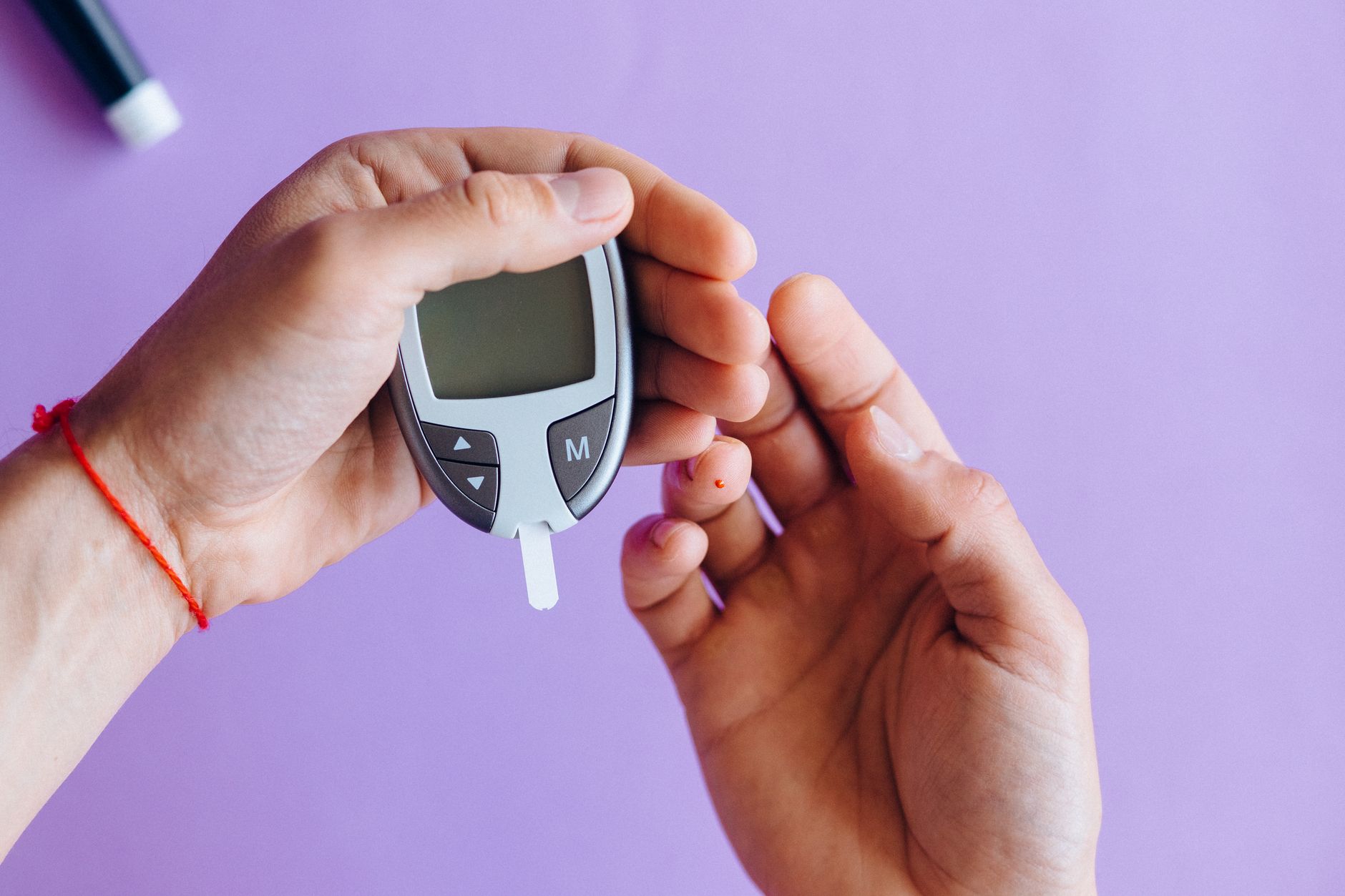
Ozempic (semaglutide) is a prescription medication belonging to the glucagon-like peptide-1 (GLP-1) receptor agonist class. It is a once-weekly injectable therapy with a well-established primary indication: to improve glycemic control in adults with type 2 diabetes mellitus, alongside diet and exercise. Its mechanism of action is multifaceted, working by:
- Stimulating insulin secretion in a glucose-dependent manner, which lowers the risk of hypoglycemia.
- Suppressing inappropriate glucagon secretion.
- Slowing gastric emptying, which contributes to a feeling of fullness.
- Exerting an effect on appetite regulation centers in the brain.
The evidence for its efficacy in lowering hemoglobin A1c (HbA1c) and promoting weight loss in individuals with type 2 diabetes is robust, supported by numerous large-scale, randomized controlled trials. It is important to contextualize Ozempic within the broader landscape of diabetes management, where it is one tool among many, including other medication classes, nutritional therapy, and physical activity.
Clinical Insight: In practice, Ozempic is typically considered after first-line therapies like metformin, or in combination with them, based on individual patient factors such as cardiovascular risk, weight, and tolerability. Its weight-loss effects, while significant, are a secondary benefit within its approved diabetes indication. Prescribing requires a careful assessment of the patient's overall health profile.
It is crucial to distinguish between different semaglutide products. While Ozempic is approved for type 2 diabetes, a higher-dose formulation of the same active ingredient (semaglutide 2.4 mg) is approved under the brand name Wegovy specifically for chronic weight management in adults with obesity or overweight with at least one weight-related comorbidity. Confusion between these distinct indications and dosing regimens is common.
Individuals with a personal or family history of medullary thyroid carcinoma (MTC) or those with Multiple Endocrine Neoplasia syndrome type 2 (MEN 2) should not use Ozempic, as GLP-1 receptor agonists have been linked to thyroid C-cell tumors in rodent studies. Caution is also advised for those with a history of pancreatitis, severe gastrointestinal disease, or diabetic retinopathy. As with any medication, initiating Ozempic requires a consultation with a physician to evaluate suitability, potential drug interactions, and to establish a monitoring plan.
2. Mechanisms of Action and Evidence for Lifestyle Integration

Ozempic (semaglutide) is a glucagon-like peptide-1 (GLP-1) receptor agonist. Its primary mechanism of action involves mimicking the GLP-1 hormone, which is naturally released after eating. This action has several key effects:
- Enhanced Insulin Secretion: It stimulates insulin release from the pancreas in a glucose-dependent manner, meaning it primarily works when blood sugar is high, reducing the risk of hypoglycemia.
- Suppressed Glucagon Secretion: It lowers the liver's production of glucagon, a hormone that raises blood sugar.
- Delayed Gastric Emptying: It slows the rate at which food leaves the stomach, promoting a feeling of fullness (satiety).
- Appetite Regulation: It acts directly on appetite centers in the brain, particularly the hypothalamus, to reduce hunger and cravings.
These combined effects make Ozempic an effective agent for lowering blood glucose in type 2 diabetes and, at higher doses (as Wegovy), for chronic weight management.
Clinical Insight: The delayed gastric emptying and satiety effects are significant for lifestyle integration. Patients often report reduced preoccupation with food, which can create a crucial window of opportunity to establish healthier eating patterns and behaviors. However, this effect can diminish over time for some individuals, underscoring why foundational lifestyle habits are essential for sustained success.
The evidence strongly supports that Ozempic is most effective when integrated with structured lifestyle interventions. In pivotal trials like SUSTAIN and STEP, participants receiving semaglutide also followed comprehensive lifestyle programs involving reduced-calorie diets and increased physical activity. The medication's appetite-suppressing effects facilitated adherence to these programs, leading to superior outcomes in both glycemic control and weight loss compared to placebo or lifestyle intervention alone.
It is critical to note that the evidence for long-term weight maintenance (beyond 2 years) with semaglutide is still evolving. Most data comes from controlled clinical trials; real-world adherence and outcomes can vary. The medication is a powerful tool to initiate change, but it does not replace the need for sustainable dietary quality, regular exercise, and behavioral strategies.
Individuals with a history of pancreatitis, medullary thyroid carcinoma, multiple endocrine neoplasia syndrome type 2, or severe gastrointestinal disease should not use Ozempic. All patients should consult their physician before making significant lifestyle changes while on this medication, as adjustments to diet (e.g., timing, portion size, macronutrient balance) and diabetes or blood pressure medications may be necessary.
3. Risks, Side Effects, and Contraindications

Understanding the potential adverse effects and contraindications of semaglutide (Ozempic) is a critical component of safe and effective treatment. While many side effects are manageable, others require immediate medical attention.
Common Gastrointestinal Side Effects
The most frequently reported adverse reactions are gastrointestinal, stemming from the drug's primary mechanism of slowing gastric emptying. These effects are often dose-dependent and may diminish over time.
- Nausea, vomiting, and diarrhea: Most common, especially during dose escalation.
- Constipation and abdominal pain: Can be significant for some patients.
- Strategies for management: Starting at the lowest dose, eating smaller meals, avoiding high-fat foods, and staying hydrated can help mitigate these symptoms.
Serious Risks and Safety Concerns
Beyond common GI issues, there are more serious risks supported by clinical trial data and post-marketing surveillance.
- Pancreatitis: Patients should discontinue use and seek immediate care for severe, persistent abdominal pain.
- Diabetic retinopathy complications: A signal was observed in one major trial; patients with a history of retinopathy require careful monitoring.
- Gallbladder disease: An increased risk of cholelithiasis and cholecystitis has been documented.
- Acute kidney injury: Risk is heightened by dehydration from vomiting or diarrhea, particularly in patients with pre-existing renal impairment.
Clinical Insight: The risk of severe hypoglycemia is low when semaglutide is used alone. However, the risk increases substantially when it is combined with insulin or insulin secretagogues (e.g., sulfonylureas). Dose adjustments of these concomitant therapies are almost always necessary upon initiation. Clinicians should have a proactive plan for this.
Key Contraindications and Precautions
Certain patient populations should avoid Ozempic or use it with extreme caution under close specialist supervision.
- Absolute contraindications: Personal or family history of medullary thyroid carcinoma (MTC) or patients with Multiple Endocrine Neoplasia syndrome type 2 (MEN 2). This is based on rodent tumor findings; human relevance is not confirmed but is a strict precaution.
- Severe precautions: History of pancreatitis, severe gastrointestinal disease (e.g., gastroparesis), severe renal impairment, or pregnancy.
- Patient counseling essential: Individuals with a history of eating disorders should be carefully evaluated, as the appetite-suppressing effects can potentially exacerbate disordered eating patterns.
In summary, a thorough patient history and ongoing monitoring are paramount. Any decision to start or continue semaglutide must be made in consultation with a physician who can weigh individual benefits against these potential risks.
4. Practical Lifestyle Adjustments for Optimal Efficacy

Semaglutide (Ozempic) is a powerful pharmacological tool for managing type 2 diabetes and, when prescribed for weight management, obesity. However, its optimal efficacy is not achieved in isolation. The medication works best when integrated with foundational lifestyle modifications. These adjustments are not merely additive; they are synergistic, supporting the drug's mechanisms and promoting sustainable health outcomes.
The evidence strongly supports a focus on dietary quality, not just caloric reduction. A structured eating pattern can help manage the gastrointestinal side effects common with semaglutide initiation, such as nausea.
- Prioritize Protein and Fiber: Including lean protein and high-fiber vegetables at meals can enhance satiety, stabilize blood glucose, and support the preservation of lean muscle mass during weight loss.
- Mindful Eating Pace: Eating slowly and stopping at the first sign of fullness is crucial, as the medication delays gastric emptying. This can prevent discomfort and reinforce portion control.
- Hydration Strategy: Consistent, adequate water intake is essential, particularly to mitigate constipation, a commonly reported side effect.
Physical activity is the other critical pillar. While semaglutide aids weight loss, exercise is paramount for improving cardiometabolic health, functional fitness, and body composition. A combination of aerobic exercise and resistance training is most strongly supported by evidence for comprehensive benefits. Even modest, consistent activity can significantly improve insulin sensitivity and cardiovascular risk factors.
Clinical Perspective: In practice, we view semaglutide as a catalyst for habit change. Its appetite-suppressing effects create a window of opportunity to establish healthier eating and exercise routines with less psychological resistance. The long-term goal is for these behavioral changes to become ingrained, providing resilience even if the medication is later titrated down or discontinued. Patients with a history of disordered eating should approach any restrictive dietary changes under close medical supervision.
It is important to note that individual responses vary. Those with advanced diabetes, cardiovascular conditions, or mobility limitations should consult their physician or a specialist (such as a dietitian or exercise physiologist) to tailor these adjustments safely. The combination of medication and lifestyle, guided by professional oversight, represents the most effective and responsible path forward.
5. Safety Monitoring and Indications for Medical Consultation

Effective use of semaglutide (Ozempic) requires a proactive partnership with your healthcare provider, centered on structured safety monitoring and clear communication. This is not a passive treatment; its benefits are maximized and risks minimized through vigilant oversight.
Essential Safety Monitoring Parameters
Your clinician will typically establish a monitoring schedule. Key parameters include:
- Glycemic Control: Regular HbA1c checks are standard for patients with type 2 diabetes to assess efficacy.
- Renal Function: Serum creatinine and estimated glomerular filtration rate (eGFR) should be monitored, especially during initiation and dose escalation, as gastrointestinal side effects like nausea and vomiting can lead to dehydration and potential acute kidney injury.
- Pancreatic Enzymes: While the absolute risk is low, monitoring for symptoms of pancreatitis is advised. Routine measurement of amylase and lipase is not recommended unless clinical symptoms arise.
- Thyroid Examination: Patients should be aware of potential symptoms of thyroid C-cell tumors (e.g., a neck mass, dysphagia, dyspnea). Routine calcitonin screening or thyroid ultrasound is not indicated without personal or family history of medullary thyroid carcinoma or Multiple Endocrine Neoplasia syndrome type 2.
Clear Indications for Prompt Medical Consultation
Patients should contact their healthcare provider without delay if they experience any of the following:
- Severe, persistent abdominal pain that may radiate to the back (a potential sign of pancreatitis).
- Symptoms of hypoglycemia, particularly if using concomitant insulin or sulfonylureas (e.g., sweating, tremor, confusion, palpitations).
- Signs of an allergic reaction (rash, itching, swelling, severe dizziness).
- Vision changes, which warrant evaluation for diabetic retinopathy progression.
- Severe gastrointestinal distress leading to an inability to maintain adequate oral hydration.
Who Should Exercise Particular Caution? Individuals with a personal or family history of medullary thyroid carcinoma or MEN 2 should not use this medication. Those with a history of pancreatitis, severe gastroparesis, or severe renal impairment require careful, individualized risk-benefit assessment and likely more frequent monitoring. As with any significant lifestyle and pharmacological intervention, open, ongoing dialogue with your prescribing clinician is the cornerstone of safe and effective care.
6. Questions & Expert Insights
Can I stop making lifestyle changes if I'm taking Ozempic and losing weight?
No, lifestyle adjustments are not optional but are a fundamental component of effective, sustainable weight management with Ozempic. The medication works by enhancing your body's natural signals for satiety and blood sugar control, but it does not replace the need for a balanced diet and regular physical activity. Relying solely on the medication can lead to suboptimal results, nutritional deficiencies, and a higher likelihood of regaining weight if the medication is ever discontinued. The goal of combining Ozempic with lifestyle changes is to build healthy, lasting habits that support metabolic health independently. Clinical trials for weight management, such as the STEP trials, consistently paired semaglutide (the active ingredient in Ozempic) with intensive behavioral therapy and dietary counseling, underscoring their synergistic role.
What are the most significant risks or side effects, and who should avoid Ozempic?
The most common side effects are gastrointestinal, including nausea, vomiting, diarrhea, and constipation, which often subside as the body adjusts but can be severe for some. More serious, though rarer, risks include pancreatitis, gallbladder disease, diabetic retinopathy complications in those with type 2 diabetes, and potential thyroid C-cell tumors (seen in animal studies; human risk is unknown). Ozempic carries a boxed warning for thyroid C-cell tumor risk and is contraindicated in individuals with a personal or family history of medullary thyroid carcinoma (MTC) or Multiple Endocrine Neoplasia syndrome type 2 (MEN 2). It should also be used with extreme caution or avoided in those with a history of pancreatitis, severe gastrointestinal disease (e.g., gastroparesis), or severe renal impairment. The risk-benefit profile must be carefully evaluated for each individual.
When should I talk to my doctor about starting or adjusting Ozempic, and what should I bring to the appointment?
Initiate a conversation with your doctor if you have a BMI of 30 or higher (obesity) or 27 or higher (overweight) with at least one weight-related comorbidity (e.g., type 2 diabetes, hypertension, dyslipidemia), and lifestyle efforts alone have not been sufficient. Before the appointment, prepare a detailed history including: your weight trajectory over several years; a list of all diets and exercise programs you've tried; a complete list of current medications and supplements; and any family history of thyroid cancer (specifically MTC) or pancreatitis. Also, document your typical daily food intake and activity level for a few days. This information allows your physician to assess medical necessity, identify potential contraindications, and determine if Ozempic is an appropriate part of a comprehensive management plan tailored to your specific health profile.
Is the weight loss from Ozempic permanent, or will I gain it back if I stop?
Current evidence indicates that weight regain is likely if Ozempic is discontinued without the maintenance of significant lifestyle changes. Obesity is a chronic, relapsing disease, and medications like Ozempic are generally considered long-term therapies for chronic disease management, similar to medications for hypertension. Clinical trials show that participants who stopped semaglutide and received a placebo regained a significant portion of their lost weight over the following year. This underscores that the medication manages an underlying biological process; when it is removed, the physiological drivers of appetite and weight can return. Sustainability, therefore, depends on the habitual lifestyle changes adopted during treatment. Decisions about duration of therapy should be made collaboratively with your doctor, weighing ongoing benefits against long-term tolerability and cost.
7. In-site article recommendations
8. External article recommendations
9. External resources
The links below point to reputable medical and evidence-based resources that can be used for further reading. Always interpret them in the context of your own situation and your clinician’s advice.
-
mayoclinic mayoclinic.orgOzempic – Mayo Clinic (search)
-
healthline healthline.comOzempic – Healthline (search)
-
drugs drugs.comOzempic – Drugs.com (search)
These external resources are maintained by third-party organisations. Their content does not represent the editorial position of this site and is provided solely to support readers in accessing additional professional information.