
1. Introduction and Context of Plant-Based Protein Powders

Plant-based protein powders have transitioned from niche health food stores to mainstream supermarkets and gyms. This surge is driven by a confluence of factors: growing interest in vegetarian and vegan diets, perceived environmental benefits, and consumer demand for "cleaner" labels. However, this rapid market expansion has outpaced public understanding of the nuanced science behind these products.
At its core, a plant-based protein powder is a concentrated dietary supplement derived from one or more plant sources. Common bases include:
- Pea protein (from yellow split peas)
- Soy protein (isolate or concentrate)
- Brown rice protein
- Hemp protein
- Blends incorporating pumpkin seed, sunflower seed, or quinoa proteins
The primary evidence-based use for these powders, like their whey or casein counterparts, is to conveniently supplement dietary protein intake. This can support muscle protein synthesis post-exercise, aid in meeting elevated protein needs during weight management, or help individuals with restrictive diets achieve adequate daily intake. High-quality systematic reviews confirm that, when total protein intake and essential amino acid profiles are matched, plant-based proteins can be as effective as animal-based proteins for supporting muscle growth and repair in healthy adults.
Clinical Perspective: The critical distinction often missed is that "plant-based" does not automatically equate to "complete" or "optimally balanced." While soy and pea proteins are relatively complete, others like rice protein are typically low in the essential amino acid lysine. Many products address this by blending complementary sources. The clinical takeaway is to evaluate the product's amino acid profile and digestibility, not just its marketing claims.
It is crucial to separate strong evidence from areas of uncertainty. The benefits for muscle health are well-supported. Claims regarding superior gut health, reduced inflammation, or long-term disease prevention compared to animal proteins are often based on preliminary, mixed, or observational data and should not be considered conclusive.
Certain individuals should exercise particular caution and consult a healthcare provider or dietitian before incorporating these powders:
- Those with kidney impairment, as a sudden increase in protein load can be harmful.
- Individuals with soy or legume allergies.
- People on thyroid medication (due to potential interactions with soy).
- Those with mineral absorption concerns (e.g., iron deficiency), as some plant compounds can inhibit absorption.
This chapter sets the stage for a detailed, evidence-based exploration of what most users overlook—from bioavailability and anti-nutrients to formulation secrets and responsible use.
2. Evidence and Mechanisms of Plant-Based Protein Efficacy

The efficacy of plant-based protein powders for supporting muscle protein synthesis (MPS) and overall health is well-established, but the mechanisms differ from animal-based proteins. The primary determinant of a protein's anabolic potential is its digestibility and amino acid profile, particularly its content of the essential amino acid leucine.
High-quality plant proteins like pea, soy, and rice protein are complete proteins, meaning they contain all nine essential amino acids. However, they often have a lower leucine concentration and a slightly lower digestibility than whey protein. This does not render them ineffective; rather, it means the dosing and timing strategy may need adjustment. Research indicates that consuming a sufficient dose (typically 30-40 grams of plant protein) per serving can effectively stimulate MPS to a comparable degree as animal protein by delivering an adequate leucine threshold.
- Complementary Blending: Many commercial powders blend sources (e.g., pea with rice) to create a more balanced amino acid profile, mitigating individual limitations.
- Digestive Considerations: Plant proteins contain fiber and other compounds that can slow digestion, potentially providing a more sustained amino acid release—a potential benefit for satiety and prolonged muscle support.
- Beyond Muscle: Evidence suggests benefits for cardiometabolic health, including supporting healthy blood pressure and lipid profiles, linked to the inherent phytonutrient and fiber content.
It is crucial to distinguish the strength of the evidence. The data supporting plant protein's ability to support muscle maintenance and growth in conjunction with resistance training is robust. Evidence for direct, superior health outcomes compared to animal protein in the general population is more nuanced and often shows equivalence when protein intake is adequate.
Clinical Perspective: From a mechanistic standpoint, achieving the leucine threshold is key. For athletes or older adults with higher protein needs, simply substituting one scoop of whey for one scoop of a single-source plant protein may be suboptimal. The solution is either increasing the serving size or choosing a blended product. The overall dietary pattern—total daily protein and energy intake—remains the most critical factor.
Individuals with kidney impairment should consult a nephrologist before significantly increasing protein intake from any source. Those with soy allergies must avoid soy-based powders, and individuals with digestive conditions like IBS may need to select low-FODMAP options (e.g., pumpkin seed protein) cautiously.
3. Risks and Populations to Avoid Plant-Based Protein Powders

While plant-based protein powders offer a viable alternative for many, they are not universally appropriate. A clinically responsible approach requires understanding their specific risks and identifying populations for whom caution or avoidance is warranted.
Key Nutritional and Digestive Considerations
Plant proteins are inherently "incomplete," meaning they lack one or more essential amino acids unless carefully combined. While most commercial powders blend sources (e.g., pea, rice, hemp) to achieve a complete profile, the bioavailability of these amino acids can be lower than in whey or casein. This is a critical consideration for athletes or individuals with high protein requirements for muscle maintenance.
Furthermore, many plant-based powders are derived from legumes and grains that contain anti-nutrients like phytates and lectins. These compounds can interfere with the absorption of essential minerals such as iron, zinc, and calcium. For individuals with marginal mineral status or increased needs, this could pose a tangible risk over time.
- Digestive Sensitivities: High fiber content, while beneficial for many, can cause significant bloating, gas, and discomfort in individuals with irritable bowel syndrome (IBS) or similar functional gut disorders.
- Heavy Metal Contamination: Evidence from independent lab testing has shown that some plant-based protein powders, particularly those containing rice or hemp, may contain detectable levels of heavy metals like arsenic, cadmium, and lead. The long-term health implications of low-level chronic exposure are an area of ongoing research and regulatory scrutiny.
Clinical Insight: From a practitioner's perspective, the issue is rarely black and white. The risk often lies in the uninformed substitution of a plant powder for a well-tolerated animal-based one without adjusting the overall diet for amino acid completeness and micronutrient density. We also monitor for "health halo" effect, where over-reliance on supplements displaces whole food intake.
Populations Advised to Exercise Caution or Avoid
Specific groups should consult a healthcare provider before incorporating these products:
- Individuals with Kidney Impairment: High protein intake can exacerbate chronic kidney disease (CKD). Any change in protein source or quantity requires nephrologist supervision.
- Those with Known Food Allergies/Sensitivities: Powders may contain traces of soy, nuts, gluten, or other common allergens due to shared manufacturing facilities.
- Pregnant or Breastfeeding Women: Due to potential contaminants and the critical need for balanced nutrition, whole food sources are strongly preferred. Supplement use should be medically guided.
- People with Thyroid Conditions: Soy-based powders contain goitrogens, which may interfere with thyroid hormone synthesis in susceptible individuals, particularly if iodine intake is low.
- Individuals on Multiple Medications (Polypharmacy): The high vitamin K content in some greens-based powders can interact with anticoagulants like warfarin.
The takeaway is not to dismiss plant-based protein powders, but to advocate for their informed and individualized use. For those in the above groups, a discussion with a physician or registered dietitian is an essential first step.
4. Practical Takeaways for Safe and Effective Use
Integrating plant-based protein powders into your regimen can be effective, but requires a strategic, evidence-informed approach. The goal is to use them as a supplement to a whole-food diet, not a replacement for it.
Dosage and Timing
Evidence strongly supports that total daily protein intake is more critical than precise timing for general muscle maintenance and health. A practical approach is to consume 15-30 grams of protein per serving, aligning with typical post-exercise or meal-replacement needs. While some data suggests consuming protein within a few hours of resistance training may optimize muscle protein synthesis, the overall daily intake remains paramount.
Integration with Whole Foods
Powders should complement, not dominate, your nutrition. Pair them strategically:
- For a Complete Amino Acid Profile: Blend a pea protein powder (rich in lysine) with a rice protein powder (rich in methionine) or consume with a whole grain throughout the day.
- For Enhanced Nutrient Absorption: Mix powder into a smoothie with a vitamin C-rich source (e.g., berries, citrus) to improve non-heme iron absorption from the powder.
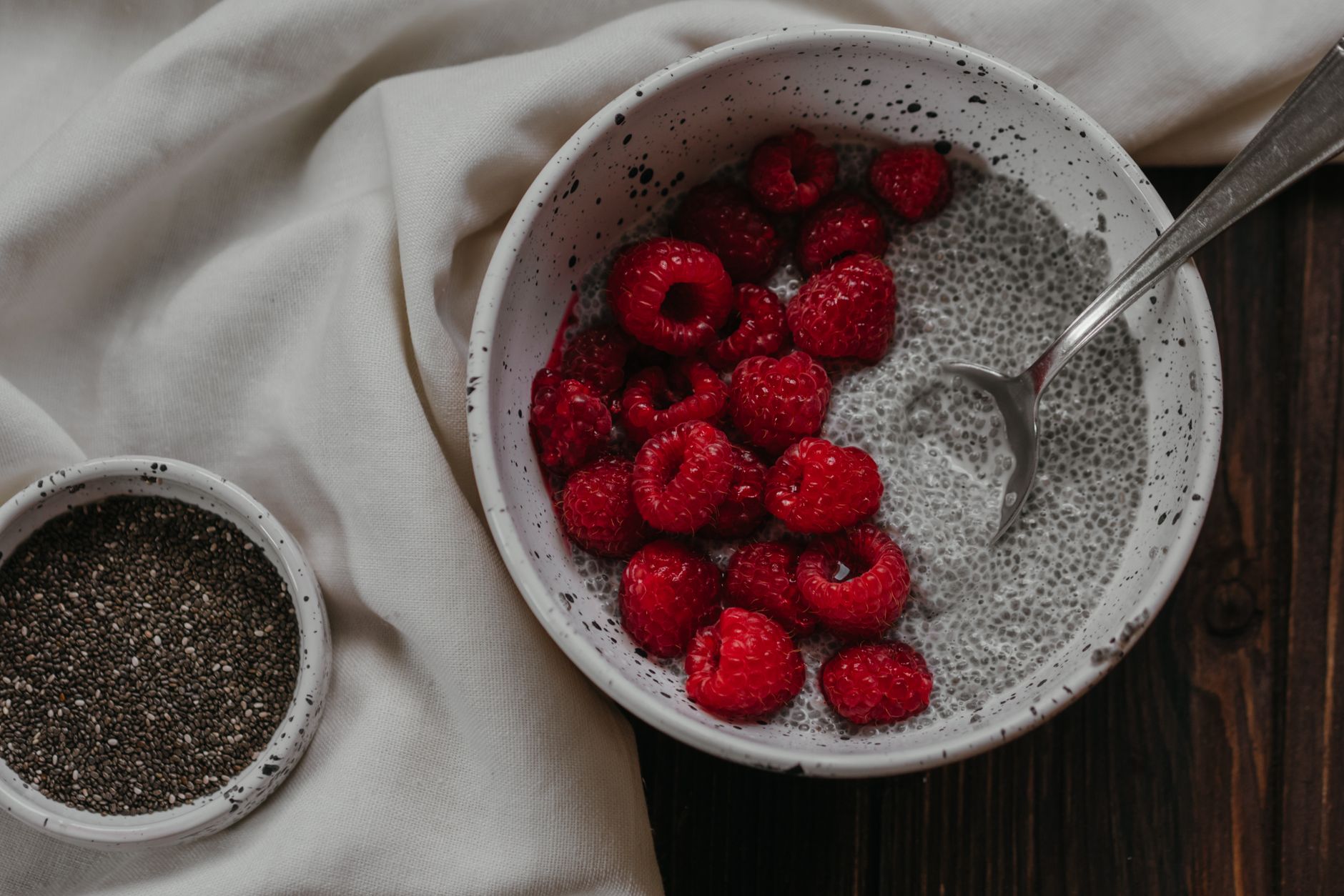
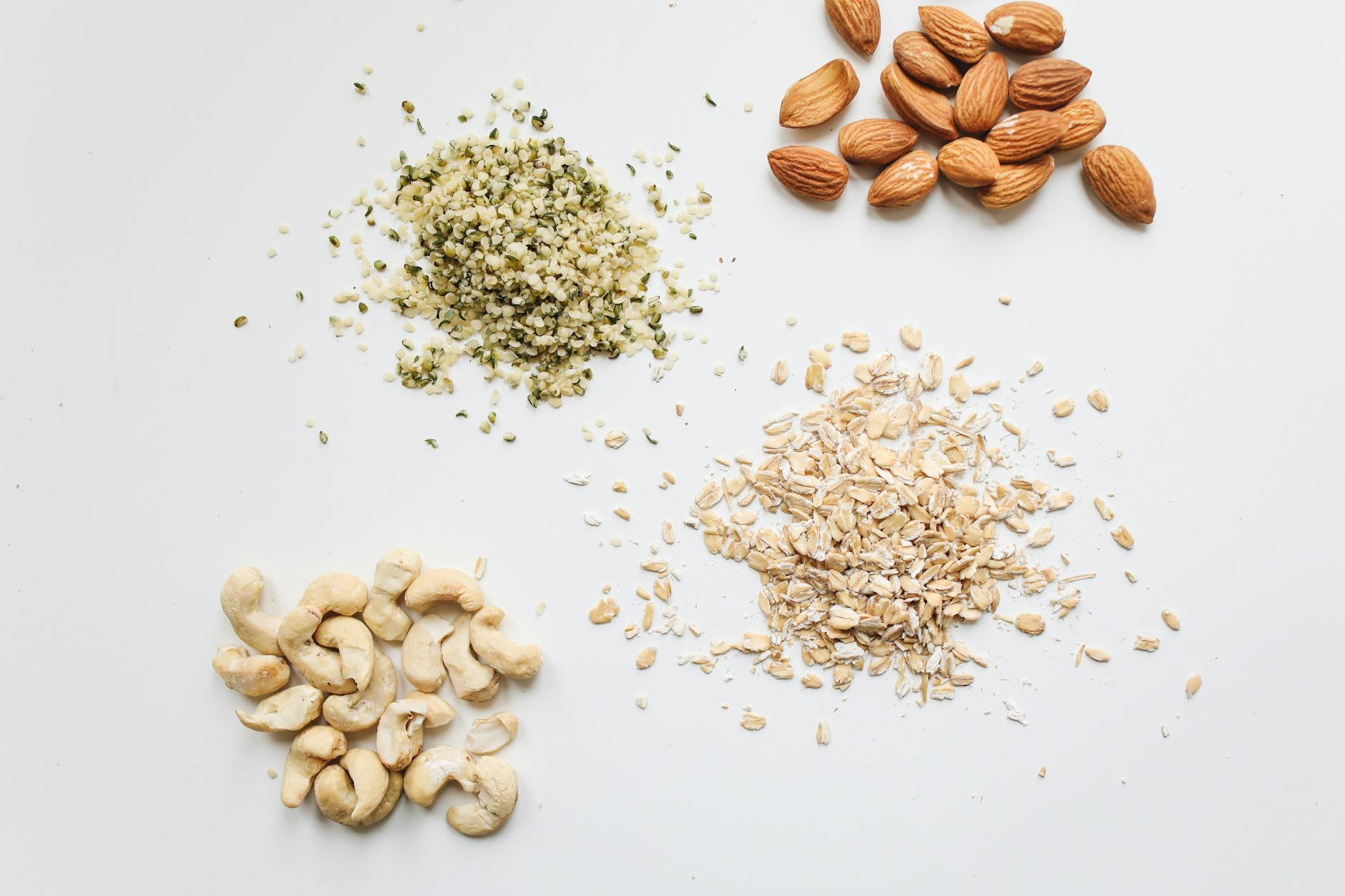
- For Satiety and Blood Sugar Control: Combine with a source of fiber and healthy fat, such as blending with oats, chia seeds, or nut butter.
Clinical Insight: From a dietary standpoint, the most common oversight is treating the powder as an isolated "health shot." Its nutritional value is significantly amplified when consumed as part of a balanced meal or snack that provides complementary macronutrients and phytonutrients. This approach mitigates potential issues like rapid digestion or micronutrient gaps.
Safety and Precautions
While generally safe for most adults, specific individuals should exercise caution and consult a healthcare provider:
- Those with Kidney Impairment: High protein intake can exacerbate kidney disease. Medical supervision is essential.
- Individuals with Allergies/Sensitivities: Carefully scrutinize labels for allergens like soy, gluten (in additives), or tree nuts (in facilities).
- People on Medications or with Mineral Deficiencies: High-fiber powders (e.g., those with inulin) or those containing phytates can interfere with the absorption of certain medications (e.g., thyroid, antidepressants) and minerals like zinc and iron. Taking medication 1-2 hours apart from the supplement is often advised.
- Those with a History of Eating Disorders: The focus on macros and "clean" supplements can be triggering. Professional guidance is recommended.
The most effective use is informed, measured, and integrated. Prioritize third-party tested products from reputable brands and view the powder as one component of a broader, nutrient-dense dietary pattern.
5. Safety Considerations and When to Consult a Healthcare Professional
While plant-based protein powders are generally considered safe for most healthy adults, their use is not without potential concerns. A critical safety consideration is the risk of heavy metal and contaminant exposure. Independent testing by third-party organizations has occasionally found measurable levels of lead, cadmium, arsenic, and other contaminants in some products. This is not a universal finding, but it underscores the importance of choosing brands that undergo rigorous third-party testing for purity and heavy metals, such as those with NSF Certified for Sport or USP Verified marks.
Digestive side effects are common, particularly with powders high in certain fibers (like inulin) or FODMAPs. Bloating, gas, and abdominal discomfort can occur, especially when introducing a new product or consuming large servings. Starting with a smaller dose and ensuring adequate water intake can help mitigate these effects.
Expert Insight: Clinically, the most significant risk often lies in the "health halo" effect and nutrient interactions. Patients may assume a plant-based powder is inherently safe and neglect to consider its total contribution to their dietary intake of protein, potassium, or phosphorus, which can be problematic for those with compromised kidney function. Furthermore, some ingredients can interact with medications; for example, high doses of vitamin K from greens blends can interfere with blood thinners like warfarin.
Who Should Exercise Caution or Consult a Professional First?
Certain individuals should seek guidance from a physician or registered dietitian before incorporating a plant-based protein powder into their routine:
- Individuals with Kidney Disease: High protein intake can exacerbate kidney strain. A healthcare provider can determine safe protein thresholds.
- Those with Liver Conditions: Impaired liver function affects protein metabolism, necessitating medical supervision.
- People with Food Allergies or Sensitivities: Cross-contamination with allergens like soy, nuts, or gluten is a real possibility in manufacturing facilities.
- Individuals on Multiple Medications (Polypharmacy): As noted, ingredients like added vitamins, minerals, or herbal extracts may interact with prescription drugs.
- Pregnant or Breastfeeding Women: Safety data on specific blends and additives during these periods is limited, making professional advice essential.
- Those with a History of Eating Disorders: The use of supplements can sometimes perpetuate disordered eating patterns and should be monitored by a treatment team.
Finally, it is crucial to view these powders as supplements, not substitutes. They are designed to complement a balanced diet, not replace whole food sources of protein and other nutrients. If you are using them to manage a specific health condition, such as sarcopenia or significant malnutrition, a healthcare professional can help integrate them safely and effectively into a comprehensive nutritional plan.
6. Questions & Expert Insights
Are plant-based protein powders as effective as whey for muscle building?
For general muscle protein synthesis, high-quality plant-based powders like pea, rice, or soy can be effective when consumed in adequate amounts and as part of a balanced diet. The key difference lies in amino acid profiles. Whey is a "complete" protein, containing all nine essential amino acids (EAAs) in optimal ratios, including a high dose of leucine, which is a primary trigger for muscle growth. Many single-source plant proteins are lower in one or more EAAs (e.g., pea protein is lower in methionine). However, this is easily addressed by using a blended plant protein (e.g., pea and rice) or by consuming a varied diet throughout the day. For most recreational athletes, a well-formulated plant-based powder consumed post-workout, paired with a leucine-rich whole food if needed, can support muscle recovery and adaptation comparably. The evidence for elite athletes requiring maximal hypertrophy on a tight timeline is less robust, where whey may offer a marginal advantage due to its rapid digestion and ideal amino acid matrix.
What are the main risks or side effects, and who should be particularly cautious?
While generally safe for most, plant-based powders carry specific considerations. Digestive issues like bloating, gas, or discomfort are common, often due to high fiber content, added sweeteners (sugar alcohols like xylitol), or thickeners (e.g., guar gum). More serious risks involve heavy metal contamination (e.g., arsenic, lead, cadmium), as plants can absorb these from soil; third-party testing for contaminants is crucial. Individuals with kidney disease should avoid high-protein supplementation without medical supervision, as it can exacerbate renal workload. Those with soy allergies must avoid soy-based powders, and some pea or legume proteins may cross-react with peanut allergies. People with histamine intolerance may react to fermented plant proteins. Furthermore, powders can interact with medications (e.g., thyroid medications with soy) and may be unsuitable for individuals with a history of eating disorders, as they can promote a disordered focus on food composition.
When should I talk to my doctor before using these powders, and what should I discuss?
Consult a physician or a registered dietitian if you have a chronic health condition, are pregnant or breastfeeding, take regular medications, or are considering high-dose, long-term use. Key topics to prepare for your appointment include: 1) Your full health history: Mention any kidney, liver, or digestive issues, allergies, or metabolic conditions. 2) Your current medications and supplements: Bring a list to check for interactions (e.g., blood thinners and vitamin K-rich greens powders often blended in). 3) Your goals and intended product: Share the specific brand and its nutrition label. Ask about appropriate daily protein targets for your body and situation. 4) Your diet context: Discuss your overall dietary pattern to determine if supplementation is necessary or could lead to excessive intake of certain nutrients. This conversation ensures the supplement aligns with your personal health profile and doesn't inadvertently undermine treatment plans.
How do I interpret "complete protein" and "PDCAAS" on labels?
"Complete protein" means a food contains all nine EAAs in sufficient proportions for human needs. While animal proteins are naturally complete, single plant sources often are not. The Protein Digestibility-Corrected Amino Acid Score (PDCAAS) is a common measure evaluating protein quality based on both amino acid profile and digestibility. A score of 1.0 (or 100%) is the highest, meaning it meets or exceeds requirements. Soy protein isolate and pea protein have high PDCAAS scores (typically 0.9-1.0). However, PDCAAS has limitations—it may overestimate the value of proteins with anti-nutrients that hinder digestion. A newer method, the Digestible Indispensable Amino Acid Score (DIAAS), is considered more accurate but is not yet widely used on labels. For consumers, a "complete" claim or high PDCAAS is a useful indicator, but it shouldn't be the sole deciding factor. A blended plant protein can achieve a complementary amino acid profile that is effectively complete, even if individual components are not.
7. In-site article recommendations
8. External article recommendations
9. External resources
The links below point to reputable medical and evidence-based resources that can be used for further reading. Always interpret them in the context of your own situation and your clinician’s advice.
-
mayoclinic mayoclinic.orgplant-based protein powders – Mayo Clinic (search)
-
healthline healthline.complant-based protein powders – Healthline (search)
-
drugs drugs.complant-based protein powders – Drugs.com (search)
These external resources are maintained by third-party organisations. Their content does not represent the editorial position of this site and is provided solely to support readers in accessing additional professional information.