
1. Introduction to Turmeric and Bioavailability Challenges

Turmeric, derived from the rhizome of Curcuma longa, is a cornerstone of traditional medicine systems and a subject of extensive modern research. Its primary bioactive compound, curcumin, is credited with potent anti-inflammatory and antioxidant properties in preclinical studies. However, a critical and often misunderstood concept separates the theoretical promise of curcumin from its practical therapeutic effect: bioavailability.
Bioavailability refers to the proportion of a substance that enters systemic circulation and is delivered to the site of physiological activity. For curcumin, this presents a significant pharmacological challenge. When consumed as a simple powder or in food, curcumin exhibits very poor bioavailability due to several concurrent factors:
- Poor Solubility: Curcumin is highly lipophilic (fat-soluble) and has negligible solubility in water at acidic and neutral pH, limiting its dissolution and absorption in the gastrointestinal tract.
- Rapid Metabolism: Upon absorption, curcumin undergoes extensive first-pass metabolism in the liver and intestinal wall, where it is rapidly conjugated (e.g., glucuronidation, sulfation) into water-soluble metabolites for excretion.
- Rapid Systemic Elimination: The unconjugated form of curcumin has a short half-life in the bloodstream, further reducing the time it has to exert potential effects on tissues.
Consequently, consuming standard turmeric spice or basic curcumin supplements often results in extremely low, sometimes undetectable, levels of free curcumin in the blood. This fundamental pharmacokinetic limitation is a primary reason why many clinical trials on curcumin have yielded mixed or inconclusive results; an intervention cannot be effective if the active agent does not reach its target in sufficient concentration.
Clinical Perspective: The bioavailability issue is not a dismissal of curcumin's potential but a clarification of its pharmacology. It explains why simply adding turmeric to food is unlikely to produce the systemic effects suggested by cell and animal studies. Addressing this challenge is the focus of advanced formulation science, which aims to create delivery systems that enhance absorption and stability.
It is important to note that while the mechanism of poor curcumin bioavailability is well-established in pharmacokinetic science, the clinical significance of overcoming it for specific health conditions requires more robust human trial data. Individuals with gallbladder disease, bile duct obstruction, or those on anticoagulant/antiplatelet medications should consult a physician before using concentrated curcumin products, as it may affect bile flow and platelet aggregation.
2. Evidence and Mechanisms of Curcumin Absorption

Understanding the pharmacokinetics of curcumin—the primary bioactive compound in turmeric—is essential for interpreting its purported health benefits. A robust body of evidence confirms that, when consumed alone, curcumin has very low systemic bioavailability. This is due to a combination of poor absorption from the gastrointestinal tract, rapid metabolism in the liver and intestinal wall, and swift elimination.
Key Mechanisms Limiting Absorption
The low bioavailability is governed by several physiological mechanisms:
- Poor Solubility: Curcumin is highly lipophilic (fat-soluble) and has negligible solubility in water at acidic and neutral pH, limiting its dissolution and absorption in the aqueous environment of the gut.
- Extensive Pre-systemic Metabolism: Upon absorption, curcumin undergoes rapid conjugation (glucuronidation and sulfation) in the intestinal mucosa and liver, converting it into metabolites with potentially different activity profiles.
- Efflux by Transporters: Curcumin is a substrate for intestinal P-glycoprotein, an efflux pump that actively transports it back into the gut lumen, further reducing net absorption.
Evidence for Enhancing Bioavailability
Research has focused on strategies to overcome these barriers. The evidence is strongest for two approaches:
- Co-administration with Piperine: Piperine, a compound from black pepper, is a well-studied bioavailability enhancer. It inhibits the glucuronidation enzyme in the intestine and liver. Clinical studies show piperine can increase curcumin serum concentration by up to 2000%, though the long-term clinical implications of this metabolic inhibition require further study.
- Lipid-Based Formulations: Combining curcumin with fats, oils, or in phospholipid complexes (like phytosomes) leverages its lipophilic nature. These formulations enhance micelle formation in the gut, improving solubility and lymphatic absorption, which bypasses first-pass liver metabolism to some degree.
Clinical Perspective: While enhanced absorption is a measurable pharmacokinetic outcome, it does not automatically equate to superior therapeutic efficacy. The goal is to achieve sufficient tissue levels of bioactive compound to elicit a physiological effect. The choice of enhancer matters; piperine may interfere with the metabolism of prescription medications, while lipid formulations are generally considered a safer, food-compatible method.
It is crucial to note that most human trials demonstrating anti-inflammatory or antioxidant effects have used these enhanced formulations. Evidence for benefits from culinary turmeric powder in typical dietary amounts is considerably weaker and often inconsistent.
Who Should Exercise Caution: Individuals on medications—especially those metabolized by CYP3A4 enzymes or with a narrow therapeutic index (e.g., blood thinners, certain antidepressants, seizure medications)—should consult a physician before using piperine-enhanced curcumin products due to potential drug interactions. Those with gallbladder disease or bile duct obstruction should also seek medical advice, as curcumin stimulates bile secretion.
3. Risks, Side Effects, and Contraindications
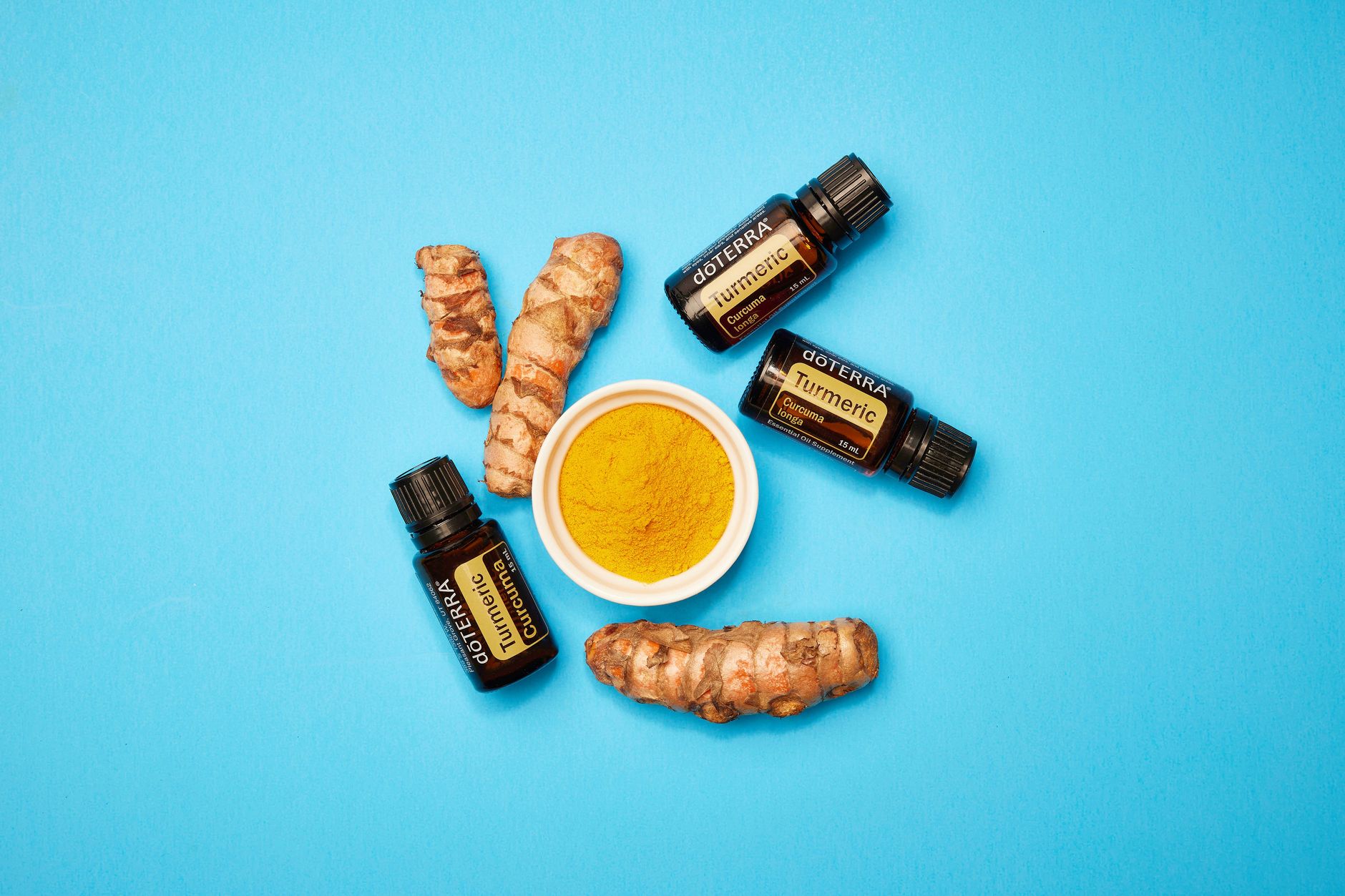
While turmeric and its active compound, curcumin, are generally well-tolerated at culinary doses, concentrated supplementation—often used to overcome poor absorption—introduces a distinct risk profile. A responsible discussion of its benefits must be balanced with a clear understanding of its potential adverse effects and contraindications.
Common and Gastrointestinal Side Effects
At higher supplemental doses (typically above 1,000 mg of curcuminoids daily), the most frequently reported side effects are gastrointestinal. These are generally mild but can be bothersome.
- Dyspepsia and Nausea: A feeling of stomach upset or fullness is common.
- Diarrhea or Loose Stools: This is a dose-dependent effect for some individuals.
- Gastroesophageal Reflux (GERD): Turmeric may relax the lower esophageal sphincter, potentially worsening reflux symptoms.
Significant Drug Interactions and Medical Contraindications
This is the area of greatest clinical concern. Curcumin can interact with several metabolic pathways and physiological processes.
- Anticoagulant/Antiplatelet Drugs: Curcumin has demonstrated antiplatelet activity in laboratory studies. Concurrent use with drugs like warfarin, clopidogrel, or aspirin may theoretically increase bleeding risk. Evidence from human trials is limited but warrants extreme caution.
- Diabetes Medications: Curcumin may have hypoglycemic effects. Patients on insulin or oral hypoglycemics (e.g., metformin, sulfonylureas) should monitor blood glucose closely, as additive effects could lead to hypoglycemia.
- Chemotherapy Agents: Curcumin may interfere with the activity of certain chemotherapy drugs by affecting cytochrome P450 enzymes and P-glycoprotein transporters. Oncologists must be consulted before use during cancer treatment.
- Gallbladder and Kidney Conditions: Turmeric is a cholagogue, stimulating bile production. It is contraindicated in individuals with bile duct obstruction, gallstones, or active biliary disease. Those with a history of oxalate kidney stones should also exercise caution, as turmeric contains oxalates.
Clinical Perspective: The perception of turmeric as "just a spice" often leads to underreporting its use to physicians. This is a critical safety gap. Patients on polypharmacy, especially for chronic conditions like cardiovascular disease, diabetes, or cancer, must disclose all supplement use. The interaction risk is not merely theoretical; it involves fundamental pharmacokinetic pathways.
Special Populations and Long-Term Safety
Data on long-term, high-dose supplementation in humans is sparse. Specific populations should avoid use or proceed only under direct medical supervision:
- Pregnancy and Lactation: Safety has not been established; use beyond culinary amounts is not recommended.
- Pre- and Post-Surgical Patients: Due to potential effects on coagulation, supplementation should be discontinued at least 2 weeks prior to any scheduled surgery.
- Iron Deficiency: Some evidence suggests curcumin can chelate iron and may inhibit dietary iron absorption, which could be problematic for individuals with anemia.
The takeaway is clear: optimizing absorption should not come at the expense of safety. An individualized risk-benefit assessment, conducted with a healthcare provider, is essential before initiating a high-dose turmeric supplement regimen.
4. Practical Evidence-Based Recommendations

Based on the current pharmacokinetic and clinical evidence, the following recommendations can help optimize the bioavailability and potential benefits of curcumin, the primary active compound in turmeric.
1. Combine with Piperine (Black Pepper)
The evidence for combining curcumin with piperine is the most robust. Piperine, a compound in black pepper, inhibits enzymes in the gut and liver that metabolize curcumin. Clinical studies show this can increase curcumin bioavailability by up to 2000%. A practical approach is to add a pinch of black pepper to turmeric-containing meals or to select a supplement standardized to contain piperine.
2. Consume with a Source of Fat
Curcumin is fat-soluble. Consuming it with a dietary fat source—such as olive oil, avocado, nuts, or full-fat dairy—can significantly enhance its absorption from the digestive tract. This is a foundational strategy supported by basic pharmacokinetic principles.
3. Consider a High-Quality, Bioavailable Supplement
For therapeutic doses (typically 500–1000 mg of curcuminoids daily) used in clinical trials for inflammation, standard turmeric powder is often insufficient. Several patented formulations with enhanced bioavailability have been developed and studied:
- Phospholipid complexes (e.g., Meriva®): Shown to have absorption 29 times greater than standard curcumin.
- Curcumin nanoparticles (e.g., Theracurmin®): Demonstrated significantly higher blood levels in human trials.
- Curcumin with soluble carriers (e.g., BCM-95®): Another well-researched complex.
It is critical to note that evidence for these formulations is stronger for increasing serum levels than for specific health outcomes, which remain area- and condition-dependent.
Important Cautions and Limitations
These recommendations are not universal. High-dose curcumin, especially in supplement form, may interact with medications by affecting liver metabolism (via CYP450 enzymes). Individuals on anticoagulants (e.g., warfarin), diabetes medications, or chemotherapy should consult a physician before use.
Furthermore, those with gallbladder disease, bile duct obstruction, or a history of kidney stones should exercise caution. Pregnant or breastfeeding women should avoid therapeutic doses beyond typical culinary amounts due to limited safety data.
The most evidence-based approach is to start with culinary integration using fat and black pepper. For targeted use, selecting a clinically studied, bioavailable supplement formulation after a discussion with a healthcare provider is the most responsible path.
5. Safety Considerations and When to Consult a Healthcare Professional

While turmeric and its active compound, curcumin, are generally well-tolerated at culinary doses, concentrated supplements intended to enhance absorption introduce a different risk profile. A responsible approach requires understanding these risks and recognizing when professional guidance is essential.
Key Safety Concerns and Contraindications
High-dose or long-term use of turmeric/curcumin supplements is not risk-free. The most significant concerns include:
- Drug Interactions: Curcumin may inhibit certain cytochrome P450 enzymes and affect drug metabolism. It has anticoagulant properties and can potentiate the effects of blood thinners like warfarin, clopidogrel, and aspirin, increasing bleeding risk. It may also interact with diabetes medications, chemotherapy agents, and drugs metabolized by the liver.
- Gastrointestinal Effects: Doses above 1,000–1,500 mg per day can cause nausea, diarrhea, or acid reflux in some individuals.
- Iron Absorption: Some evidence suggests curcumin may chelate iron and could potentially exacerbate iron deficiency.
- Gallbladder and Kidney Issues: Turmeric may stimulate bile production. Individuals with bile duct obstruction, gallstones, or active kidney disease should avoid supplements.
Who Should Exercise Particular Caution?
The following individuals should consult a healthcare professional before starting any turmeric/curcumin supplement regimen:
- Individuals taking any prescription medication, especially anticoagulants, antiplatelet drugs, diabetes medications, or chemotherapy.
- Those with a history of bleeding disorders, ulcers, or scheduled for surgery.
- People with known gallbladder disease, bile duct obstruction, or kidney disease.
- Pregnant or breastfeeding women (due to limited safety data).
- Individuals with hormone-sensitive conditions (e.g., certain cancers), as curcumin may have weak estrogenic effects in vitro, though human clinical relevance is unclear.
A Practical, Evidence-Based Approach
The strongest evidence for turmeric's benefits comes from short-to-medium-term clinical trials in specific populations. Long-term safety data for high-potency supplements is more limited. Therefore, the most prudent course is to treat it as an intervention, not a harmless daily staple.
Actionable Takeaway: If you are considering a supplement to address a specific health concern, discuss it with your doctor or a registered dietitian. Provide them with the specific product name and dosage. They can help assess potential interactions with your current health status and medications, ensuring any approach you take is both effective and safe.
6. Questions & Expert Insights
Is it true that black pepper is essential for turmeric absorption?
This is a common and partially correct claim. The active compound in turmeric, curcumin, is poorly absorbed into the bloodstream on its own. Piperine, a compound in black pepper, inhibits certain enzymes in the gut and liver responsible for breaking down foreign substances. This inhibition can increase the bioavailability of curcumin by up to 2,000% in some studies. However, this evidence primarily comes from pharmacokinetic studies measuring blood levels, not necessarily clinical outcomes. It's also important to note that piperine's effect on drug-metabolizing enzymes can interfere with prescription medications. While combining turmeric with black pepper is a practical and evidence-supported strategy to enhance absorption, it is not the only method; formulations with lipids (fats or oils) are also highly effective.
What are the main risks or side effects of taking high-dose turmeric supplements?
While culinary use is generally safe, high-dose supplements (typically >1,000 mg of curcuminoids daily) carry specific risks. The most common side effects are gastrointestinal, including nausea, diarrhea, and acid reflux. More serious concerns involve turmeric's potential to act as a mild blood thinner and a stimulant of bile production. Therefore, individuals with bleeding disorders, those scheduled for surgery, or those taking anticoagulant/antiplatelet drugs (like warfarin, clopidogrel, or aspirin) must use extreme caution. People with gallstones or bile duct obstruction should avoid turmeric supplements, as they can trigger biliary colic. High doses may also cause iron deficiency in susceptible individuals by interfering with absorption. Long-term safety data for high-dose supplementation is limited.
When should I talk to my doctor about taking turmeric, and what information should I bring?
You should consult your doctor or a pharmacist before starting any turmeric supplement if you have a diagnosed medical condition or take any regular medications. This is non-negotiable if you have liver disease, kidney disease, are pregnant or breastfeeding, or have a history of hormone-sensitive cancers (as curcumin can have weak estrogenic effects). For the appointment, bring a list of all your medications—prescription, over-the-counter, and supplements—including their dosages. Also, bring the specific turmeric supplement bottle or a screenshot of its label showing the curcuminoid content per serving, the presence of piperine or other enhancers (like lipids), and the full ingredient list. This allows your doctor to assess for interactions and provide personalized, safe guidance.
Are the anti-inflammatory benefits of turmeric supplements proven, or is it just hype?
The evidence is promising but nuanced. A substantial body of preclinical research (in cells and animals) shows potent anti-inflammatory and antioxidant effects for curcumin. Human clinical trials, however, show mixed results. Several randomized controlled trials demonstrate modest but statistically significant reductions in inflammatory markers (like CRP) and symptoms in conditions like osteoarthritis and rheumatoid arthritis, often comparable to over-the-counter NSAIDs for pain relief. The key limitation is that many positive studies use highly bioavailable formulations (with piperine or lipids), which are not representative of standard powdered supplements. Furthermore, effects are often modest, and long-term disease-modifying benefits in humans are not conclusively proven. It can be a helpful adjunct for some, but it is not a replacement for proven medical therapies for serious inflammatory diseases.
7. In-site article recommendations
8. External article recommendations
9. External resources
The links below point to reputable medical and evidence-based resources that can be used for further reading. Always interpret them in the context of your own situation and your clinician’s advice.
-
healthline healthline.comturmeric – Healthline (search)
-
drugs drugs.comturmeric – Drugs.com (search)
-
wikipedia wikipedia.orgturmeric – Wikipedia (search)
These external resources are maintained by third-party organisations. Their content does not represent the editorial position of this site and is provided solely to support readers in accessing additional professional information.