
1. Introduction to Turmeric and Inflammation

Turmeric, the vibrant yellow-orange spice derived from the rhizome of Curcuma longa, has been a cornerstone of traditional medicine systems, particularly Ayurveda, for millennia. Its primary medicinal component is a group of polyphenolic compounds called curcuminoids, with curcumin being the most studied. In recent decades, this ancient remedy has captured significant scientific interest for its potential role in modulating the body's inflammatory response.
Inflammation is a fundamental biological process. In its acute form, it is a protective and necessary response to injury or infection, characterized by localized redness, heat, swelling, and pain. However, when inflammation becomes chronic, low-grade, and systemic, it is implicated in the pathogenesis of numerous modern diseases, including:
- Cardiovascular disease
- Type 2 diabetes and metabolic syndrome
- Neurodegenerative conditions like Alzheimer's disease
- Certain autoimmune and rheumatic disorders
The scientific premise for turmeric's use lies in curcumin's ability to interact with multiple molecular targets involved in the inflammatory cascade. Preclinical studies, primarily in cell cultures and animal models, have consistently shown that curcumin can inhibit key pro-inflammatory enzymes (like cyclooxygenase-2 and lipoxygenase) and signaling molecules (such as nuclear factor-kappa B, or NF-κB). This body of evidence is robust and forms the biochemical rationale for human research.
Expert Insight: It is crucial to distinguish between compelling mechanistic evidence from laboratory studies and clinical outcomes in humans. While the preclinical data is strong, it does not automatically translate to equivalent therapeutic effects in people, due to factors like bioavailability, dosage, and the complexity of human disease.
Human clinical trials present a more nuanced picture. While some randomized controlled trials report statistically significant reductions in inflammatory biomarkers (like C-reactive protein or interleukin-6) with curcumin supplementation, others show mixed or null results. The variability can often be attributed to:
- The formulation used (standard vs. enhanced bioavailability)
- Dosage and duration of the study
- The specific health condition of the participants
Individuals should exercise caution and consult a healthcare provider before using turmeric or curcumin supplements, particularly if they have gallbladder disease, are on anticoagulant or antiplatelet medications (like warfarin or clopidogrel), have a history of kidney stones, or are pregnant or breastfeeding. The following chapters will critically examine the latest evidence, including insights from prominent research institutions, to separate established findings from optimistic speculation.
2. Scientific Evidence and Mechanisms of Action

The primary active compound in turmeric, curcumin, has been extensively studied for its anti-inflammatory properties. The body of evidence is strongest at the cellular and molecular level, where curcumin has been shown to modulate several key inflammatory pathways.
Its primary mechanism of action involves the inhibition of nuclear factor-kappa B (NF-κB), a protein complex that acts as a master switch for turning on genes responsible for producing pro-inflammatory cytokines like TNF-α, IL-1, and IL-6. By blocking NF-κB activation, curcumin can reduce the production of these signaling molecules. It also downregulates the activity of enzymes like cyclooxygenase-2 (COX-2) and lipoxygenase, which are involved in the synthesis of inflammatory prostaglandins and leukotrienes.
Clinical evidence in humans is more nuanced. Systematic reviews and meta-analyses, including those referenced in Harvard-led research, indicate that curcumin supplementation can lead to statistically significant reductions in inflammatory biomarkers like C-reactive protein (CRP) in specific populations, such as those with metabolic syndrome. However, the clinical magnitude of this reduction is often modest, and the evidence is mixed for other conditions.
- Stronger Evidence: Consistent reduction of inflammatory markers in short-term trials for arthritis and metabolic conditions.
- Limited/Mixed Evidence: Efficacy for systemic autoimmune diseases or as a primary treatment for chronic inflammatory conditions remains uncertain due to smaller study sizes and variability in formulations.
Individuals who should exercise caution or consult a physician before using high-dose curcumin supplements include those on anticoagulant/antiplatelet drugs (due to potential interaction), individuals with gallbladder disease or bile duct obstruction, and those preparing for surgery. Pregnant or breastfeeding women should avoid therapeutic supplementation due to insufficient safety data.
3. Risks and Contraindications
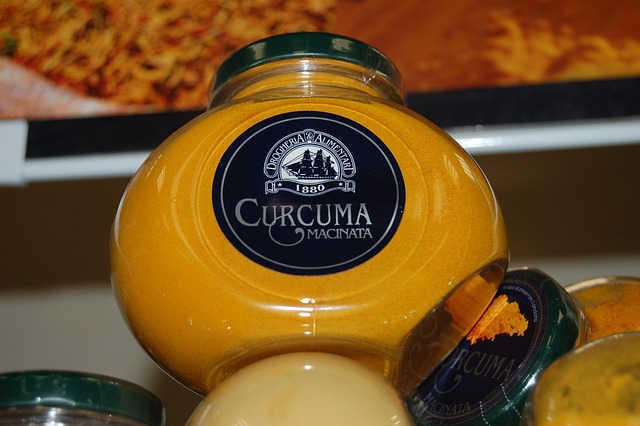
While turmeric and its active compound, curcumin, are generally considered safe for most people when consumed in culinary amounts, concentrated supplementation carries specific risks that must be acknowledged. A balanced, evidence-based view requires understanding these potential adverse effects and contraindications.
Primary Safety Concerns
The most common side effects are gastrointestinal, including nausea, diarrhea, and acid reflux, particularly at higher doses. More significant risks involve interactions with pharmaceutical drugs and underlying health conditions:
- Anticoagulant/Antiplatelet Drugs: Curcumin may have mild antiplatelet effects. Concurrent use with drugs like warfarin, clopidogrel, or aspirin could theoretically increase bleeding risk, though strong clinical evidence for major interactions is limited.
- Diabetes Medications: Curcumin may enhance the glucose-lowering effect of medications, potentially leading to hypoglycemia. Blood glucose monitoring is advised.
- Reduced Iron Absorption: Some evidence suggests curcumin can chelate iron, which may exacerbate anemia in susceptible individuals.
Populations Requiring Special Caution
Certain individuals should avoid turmeric supplements or use them only under direct medical supervision:
- Individuals with Gallbladder Disease: Turmeric may stimulate bile production, potentially triggering contractions in a diseased gallbladder.
- Those with Kidney Stones (Oxalate Type): Turmeric is high in oxalates, which can contribute to stone formation in predisposed individuals.
- Pregnant and Breastfeeding Women: Safety data for high-dose supplementation during these periods is insufficient. Culinary use is likely safe, but supplements are not recommended.
- Pre- and Post-Surgical Patients: Due to potential effects on bleeding, it is standard practice to discontinue turmeric supplements at least two weeks before any scheduled surgery.
Clinical Perspective: The principal risk in clinical practice is not toxicity from turmeric itself, but the potential for it to interfere with managed chronic conditions. Patients on polypharmacy, especially for cardiovascular disease, diabetes, or cancer, must consult their physician before starting any supplement. Furthermore, the variability in supplement quality and bioavailability enhancers (like piperine) can unpredictably affect both efficacy and risk profile.
In summary, while turmeric is a promising nutraceutical, its use as a supplement is not risk-free. The decision to use it should be individualized, considering one's full medical history and current medications, and ideally made in consultation with a healthcare provider.
4. Practical Recommendations for Use

Based on the current body of evidence, including the referenced Harvard study, turmeric and its active compound curcumin show promise as a supportive dietary component for managing inflammation. However, translating this potential into practical, safe, and effective use requires a nuanced approach grounded in clinical evidence.
Dosage and Formulation
Clinical trials demonstrating anti-inflammatory effects typically use standardized curcumin extracts, not culinary amounts of turmeric powder. Effective oral doses in studies often range from 500 mg to 2,000 mg of curcumin per day, usually divided. A critical factor is bioavailability; curcumin is poorly absorbed on its own. Look for formulations that include bioavailability enhancers such as piperine (from black pepper) or are in phospholipid complexes (e.g., Meriva®) or nanoparticle forms.
Expert Insight: The dose in a teaspoon of turmeric powder provides only a small fraction of the curcumin used in clinical research. For a targeted therapeutic effect, a high-quality, bioavailable supplement is often necessary. This is a key distinction often overlooked in popular media.
Integration and Safety
Consider the following for responsible use:
- Dietary Foundation: Use turmeric liberally as a spice in cooking—it is safe, adds flavor, and contributes to a phytonutrient-rich diet. View this as a long-term dietary strategy, not an acute treatment.
- Supplementation: If opting for a supplement, start at the lower end of the studied dose range and monitor your response. Consistency is more important than high, sporadic dosing.
- Synergy with Meals: Taking curcumin with a meal containing healthy fats may further improve absorption.
Important Cautions and Contraindications
Turmeric/curcumin is not appropriate for everyone and can interact with physiological processes and medications.
- Medication Interactions: Curcumin may have antiplatelet effects and could potentiate blood thinners (e.g., warfarin, clopidogrel, aspirin). It may also interact with medications metabolized by certain liver enzymes (CYP450).
- Pre-existing Conditions: Individuals with gallbladder disease, bile duct obstruction, or a history of kidney stones should exercise caution, as curcumin can stimulate bile production.
- Pre- and Post-Surgery: Discontinue use at least two weeks prior to any scheduled surgery due to potential effects on bleeding.
- Pregnancy and Lactation: While culinary use is likely safe, high-dose supplementation is not recommended due to insufficient safety data.
The most critical recommendation is to consult your physician or a registered dietitian before beginning any new supplement regimen, especially if you have a chronic health condition or are taking prescription medications. Turmeric can be a valuable adjunct to a holistic anti-inflammatory lifestyle that includes a balanced diet, regular exercise, and stress management, but it is not a substitute for conventional medical care.
5. When to Consult a Healthcare Professional

While turmeric and its active compound, curcumin, show promising anti-inflammatory properties in research, they are not a substitute for professional medical diagnosis and treatment. Integrating any supplement into your health regimen requires a cautious, informed approach guided by a healthcare provider.
You should consult a doctor or a registered dietitian before starting turmeric supplements in the following situations:
- If you have a diagnosed medical condition, especially inflammatory diseases like rheumatoid arthritis, inflammatory bowel disease (IBD), or chronic pain syndromes. A professional can help you understand if turmeric is a suitable adjunct to, not a replacement for, your prescribed therapy.
- If you are taking any medications. Curcumin can interact with several drug classes. It may increase the risk of bleeding when taken with anticoagulants like warfarin or antiplatelets like clopidogrel. It may also affect the metabolism of certain chemotherapy drugs and medications processed by the liver (via cytochrome P450 enzymes).
- If you are pregnant, breastfeeding, or planning a pregnancy. The safety of concentrated curcumin supplements during these periods is not well-established, and professional guidance is essential.
- If you have gallbladder issues, bile duct obstruction, or a history of kidney stones. Turmeric may stimulate gallbladder contraction and increase oxalate excretion, potentially exacerbating these conditions.
- If you are scheduled for surgery. Due to its potential blood-thinning effects, you should discontinue turmeric supplements at least two weeks prior to any surgical procedure, as advised by your surgeon.
Clinical Perspective: In practice, we see turmeric as a potential complementary agent with a generally favorable safety profile in culinary amounts. However, the therapeutic doses used in studies (often 500–2000 mg of curcumin daily) are pharmacologically active. The key is to view it as you would any other intervention: understand its mechanism, potential interactions, and the individual's health context. Self-managing a chronic condition with supplements can delay effective conventional treatment.
Furthermore, seek immediate medical advice if you experience any adverse effects after starting a turmeric supplement, such as gastrointestinal upset, allergic reactions, or unusual bruising or bleeding. Remember, the evidence for turmeric, while growing, is still evolving. High-quality human trials are often of limited duration, and long-term effects of high-dose supplementation are not fully known.
A healthcare professional can help you interpret the evidence—such as the Harvard study mentioned in this article's title—within the context of your personal health profile, ensuring any decision is both evidence-informed and safe.
6. Questions & Expert Insights
Does the Harvard study prove turmeric is a miracle cure for inflammation?
No, the study does not prove turmeric is a "miracle cure." It adds to a body of evidence suggesting curcumin, the primary active compound in turmeric, has anti-inflammatory and antioxidant properties that may modulate biological pathways involved in chronic inflammation. However, it is crucial to understand the limitations. Much of the human research, including many studies cited in such reviews, involves small sample sizes, short durations, or specific patient groups (like those with osteoarthritis or metabolic syndrome). The effects observed are often modest and not comparable to the potency of prescription anti-inflammatory medications. The term "miracle cure" implies a universal, powerful solution, which is not supported by the nuanced and preliminary nature of the clinical evidence.
What are the risks or side effects, and who should avoid turmeric supplements?
While culinary turmeric is generally safe, high-dose supplements carry specific risks. The most common side effects are gastrointestinal, such as nausea, diarrhea, or acid reflux. More serious concerns involve drug interactions and specific health conditions. Curcumin can act as a blood thinner, increasing the risk of bleeding, especially when taken with anticoagulants like warfarin (Coumadin) or antiplatelet drugs like clopidogrel (Plavix). It may also interfere with medications metabolized by the liver. Individuals who should avoid or use extreme caution include: those with gallbladder disease or bile duct obstruction, as turmeric can stimulate bile production; people with iron deficiency, as it may chelate iron; and those with kidney stones, due to its oxalate content. Pregnant women should avoid therapeutic doses due to insufficient safety data.
If I want to try turmeric, when should I talk to my doctor first, and what should I discuss?
You should consult your doctor or a pharmacist before starting any turmeric supplement, especially if you have a diagnosed medical condition or take any medications. This is non-negotiable if you are on blood thinners, diabetes medications, or drugs for acid reflux (like omeprazole), as interactions are well-documented. Prepare for the conversation by bringing a list of all your current medications, including over-the-counter drugs and supplements. Be ready to discuss your specific health goals (e.g., managing joint discomfort). Ask your doctor: "Given my health history and current medications, is a turmeric supplement appropriate for me? What is a safe dose to start with, and how should I monitor for potential side effects or interactions?" This ensures an informed, personalized decision that integrates complementary approaches with your overall care plan.
Is the curcumin in supplements better than the turmeric in my food?
This depends entirely on your goal. The curcumin in food-grade turmeric is present in low concentrations (typically 2-5% by weight) and is poorly absorbed by the body. For general culinary use and potential subtle long-term benefits within a healthy diet, food sources are excellent and safe. However, most clinical studies investigating anti-inflammatory effects use standardized, high-dose curcumin extracts (often 500-2000 mg per day) formulated with bioavailability enhancers like piperine (from black pepper) or lipids. These supplements are designed to achieve blood levels that might have a pharmacological effect. Therefore, if you are seeking a therapeutic effect based on clinical trial protocols, a well-formulated supplement may be necessary. However, this also concentrates the potential for side effects and interactions, which is why medical guidance is essential before starting high-dose supplementation.
7. In-site article recommendations
8. External article recommendations
9. External resources
The links below point to reputable medical and evidence-based resources that can be used for further reading. Always interpret them in the context of your own situation and your clinician’s advice.
-
mayoclinic mayoclinic.orgturmeric – Mayo Clinic (search)
-
wikipedia wikipedia.orgturmeric – Wikipedia (search)
-
healthline healthline.comturmeric – Healthline (search)
These external resources are maintained by third-party organisations. Their content does not represent the editorial position of this site and is provided solely to support readers in accessing additional professional information.