
1. Introduction to Detox Diets: Context and Popularity

The concept of "detoxification" has evolved from a clinical term for treating substance dependence into a popular wellness phenomenon. In the context of diets, it typically refers to short-term, restrictive dietary regimens—often lasting 7 to 14 days—designed to "cleanse" the body of perceived toxins. These programs frequently involve consuming only juices, smoothies, specific teas, or whole foods while eliminating processed items, caffeine, alcohol, and sugar.
Their popularity is driven by a confluence of factors, including widespread marketing, celebrity endorsements, and a genuine public desire for control over health in a complex modern environment. The appeal often centers on promises of:
- Increased energy and mental clarity
- Weight loss
- Improved digestion and skin health
- A "reset" of eating habits
From a physiological standpoint, the human body possesses highly efficient, endogenous detoxification systems. The liver, kidneys, gastrointestinal tract, skin, and lungs work continuously to neutralize and eliminate metabolic waste products and exogenous compounds. The core premise of many commercial detox diets—that they are necessary to perform a function the body already manages—lacks strong scientific support.
Clinical Perspective: While the body's innate detox pathways are robust, the scientific inquiry into dietary interventions focuses on whether specific nutrients can support the optimal function of these organs. For example, adequate hydration, fiber, and certain phytonutrients are well-established for supporting kidney and liver health. The critical distinction is between supporting normal physiology and the claim of a unique "cleansing" effect from a short-term, extreme regimen.
The evidence for the specific benefits attributed to popular detox diets is generally limited. Most studies are small, short-term, and lack rigorous control groups. Any observed weight loss is typically due to severe calorie restriction and fluid loss, not toxin elimination. Reported improvements in subjective well-being may be influenced by the placebo effect, increased intake of fruits and vegetables, and the removal of processed foods and alcohol.
Important Considerations: Individuals with certain health conditions should exercise extreme caution or avoid detox diets altogether. This includes those with diabetes, kidney or liver disease, a history of eating disorders, pregnant or breastfeeding women, and individuals on multiple medications. Anyone considering a significant dietary change should consult a physician or a registered dietitian to assess potential risks and ensure nutritional adequacy.
2. Evidence and Mechanisms: What Science Says About Detoxification

The term "detox" is widely used in wellness culture, but its scientific meaning is often misunderstood. In clinical medicine, detoxification refers to the medical management of life-threatening substance withdrawal. In the context of diet and lifestyle, it more accurately describes the body's innate, continuous physiological processes for neutralizing and eliminating waste products and environmental chemicals.
The human body possesses highly efficient, evidence-based systems for this purpose. The primary organs and mechanisms involved are:
- The Liver: Through two-phase enzymatic processes (Phase I and Phase II), the liver transforms fat-soluble toxins into water-soluble compounds for excretion.
- The Kidneys: They filter blood, removing water-soluble waste products and excreting them via urine.
- The Gastrointestinal Tract: Fiber binds to certain waste products and bile, facilitating elimination through feces.
- The Skin (through sweat) and Lungs also play minor roles in excretion.
Scientific research on commercial "detox diets" or short-term cleanses reveals limited and mixed evidence. While some small studies show short-term improvements in markers like liver enzymes or subjective feelings of well-being, these are often attributed to the concurrent elimination of processed foods, alcohol, and added sugars—not a novel "cleansing" effect. There is a lack of robust, long-term clinical trials demonstrating that these regimens remove specific toxins more effectively than the body's own systems supported by a consistently balanced diet.
Clinical Perspective: The body's detoxification pathways are nutrient-dependent. Adequate intake of protein (for amino acids like glycine and glutathione precursors), vitamins, minerals, and phytonutrients supports optimal enzyme function. Therefore, a sustainable, nutrient-rich diet inherently supports these processes, making extreme short-term protocols unnecessary for most healthy individuals.
It is crucial to highlight who should exercise caution. Individuals with pre-existing conditions such as kidney disease, liver dysfunction, diabetes, or a history of eating disorders should avoid restrictive detox plans without direct medical supervision. Similarly, those on multiple medications should consult a physician, as drastic dietary changes can alter drug metabolism.
The strongest evidence supports a long-term, food-first approach to reducing toxic load: prioritizing whole foods, adequate hydration, and dietary fiber while minimizing exposure to processed items, excessive alcohol, and environmental pollutants where possible.
3. Risks and Contraindications: Who Should Avoid Detox Programs
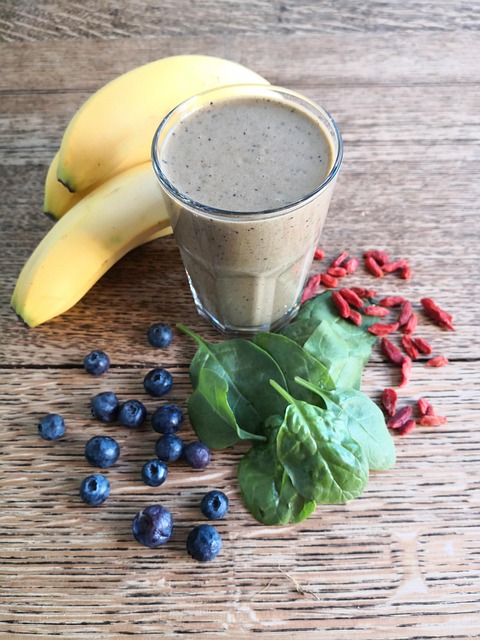
While the concept of a "detox" is popular, structured programs involving severe calorie restriction, specific food eliminations, or high-dose supplements carry significant risks for certain populations. The evidence supporting the safety of these protocols for individuals with pre-existing medical conditions is notably lacking.
It is strongly recommended that the following individuals avoid commercial or self-directed detox programs without explicit approval from their healthcare provider:
- Individuals with chronic medical conditions: This includes those with diabetes, kidney disease, liver disease, or heart conditions. Sudden changes in nutrient intake, electrolyte shifts, or the metabolic stress of fasting can destabilize these conditions.
- Pregnant or breastfeeding women: Nutritional demands are significantly higher during these periods. Restrictive diets can deprive both the parent and the developing child of essential nutrients, with potentially serious consequences.
- People with a history of eating disorders: Restrictive protocols can trigger disordered eating patterns and relapse. The focus on "cleansing" and food rules is psychologically harmful in this context.
- Those taking prescription medications: Drastic dietary changes can alter medication metabolism and efficacy. This is particularly critical for drugs with a narrow therapeutic index, such as blood thinners, seizure medications, and some psychiatric drugs.
- Children and adolescents: Growing bodies require consistent, adequate nutrition. Restrictive diets can impair growth and development.
- Individuals who are underweight or malnourished: Further calorie or nutrient restriction can exacerbate deficiencies and lead to serious health deterioration.
Clinical Perspective: From a medical standpoint, the body's own detoxification systems—the liver, kidneys, lungs, and gastrointestinal tract—are highly efficient when supported by consistent, balanced nutrition. The primary risk of aggressive detox programs is not in "releasing toxins" but in causing iatrogenic harm: dehydration, electrolyte imbalances, hypoglycemia, and nutrient deficiencies. A clinician's main concern is identifying patients for whom the risks of such a protocol demonstrably outweigh any unproven benefits.
For the general population considering a dietary reset, the most evidence-based and low-risk approach is to focus on sustainable habits: increasing intake of whole fruits and vegetables, prioritizing lean proteins and fiber, reducing processed foods and added sugars, and ensuring adequate hydration. Any program that promises rapid results through severe restriction should be approached with extreme caution and professional guidance.
4. Practical Takeaways: Evidence-Supported Strategies for Health

Rather than pursuing extreme or restrictive "detox" protocols, the most effective approach to supporting the body's intrinsic detoxification systems is to adopt consistent, evidence-based lifestyle habits. The goal is to reduce the overall burden on organs like the liver and kidneys while enhancing their natural function.
Core Strategies with Strong Evidence
Several foundational practices are well-supported by clinical research for promoting metabolic health and organ function:
- Prioritize Hydration: Adequate water intake is essential for renal filtration and the elimination of water-soluble metabolites. Aim for consistent intake throughout the day, guided by thirst and urine color.
- Increase Dietary Fiber: A high-fiber diet, particularly from diverse fruits, vegetables, and whole grains, supports gut health and the regular excretion of waste products via the intestines.
- Focus on Sleep Hygiene: Quality sleep is critical for glymphatic system function, which clears metabolic waste from the brain. Prioritizing 7-9 hours of uninterrupted sleep is a powerful, non-negotiable detox support.
- Limit Processed Foods and Alcohol: Reducing intake of ultra-processed foods, added sugars, and alcohol directly decreases the metabolic load on the liver, allowing it to function more efficiently.
Areas with Preliminary or Mixed Evidence
Some popular strategies require more nuanced interpretation:
- Intermittent Fasting: Time-restricted eating may enhance cellular autophagy (a "clean-up" process), but evidence in humans is still evolving. Benefits are not universal and may depend on individual metabolic health.
- Specific "Detox" Foods or Juices: While foods like cruciferous vegetables contain compounds that support phase II liver detoxification enzymes, the claim that any single food "detoxifies" is an oversimplification. A balanced, nutrient-dense diet is key.
- Sauna Use: Regular sauna bathing may promote the excretion of some heavy metals through sweat, but this should be viewed as a complementary practice, not a primary detox method, and is not suitable for everyone.
Clinical Perspective: From a medical standpoint, sustainable health is built on habits, not short-term cleanses. The most impactful "detox" is a long-term reduction in exposure to dietary and environmental toxins, coupled with lifestyle choices that optimize the function of your liver, kidneys, gut, and skin—the body's innate detoxification organs.
Important Cautions
Individuals with pre-existing kidney or liver disease, electrolyte imbalances, a history of eating disorders, or those who are pregnant or breastfeeding should consult a physician before making significant dietary changes or attempting fasting protocols. Similarly, those on multiple medications should discuss potential interactions with their doctor or pharmacist.
5. Safety Considerations: When to Seek Medical Guidance

Any significant dietary modification, including a structured 14-day detox program, carries potential risks that must be weighed against its purported benefits. The evidence supporting the necessity of commercial detoxes for general health is limited and often of low quality. A clinically responsible approach prioritizes safety and individualization over rigid protocols.
Certain populations should exercise extreme caution and consult a qualified healthcare professional—such as a physician or registered dietitian—before undertaking any detox plan. This is not a matter of preference but a critical safety measure.
- Individuals with chronic medical conditions: Those with diabetes, kidney disease, liver disease, or cardiovascular conditions risk destabilizing their health through drastic changes in nutrient intake, electrolyte balance, or medication interactions.
- Pregnant or breastfeeding individuals: Nutritional demands are heightened during these periods. Restrictive plans can deprive both parent and child of essential macronutrients and micronutrients.
- People with a history of eating disorders: Structured, restrictive dietary protocols can trigger disordered eating patterns and psychological distress.
- Those taking prescription medications: Certain foods (like grapefruit) or severe calorie restriction can alter drug metabolism, reducing efficacy or increasing toxicity. This is a particular concern with medications for blood pressure, blood thinning, seizures, and mental health.
- Anyone experiencing acute illness: The body requires adequate energy and nutrients to mount an immune response. A detox may be counterproductive.
Clinical Perspective: From a medical standpoint, the body's own detoxification systems—the liver, kidneys, gastrointestinal tract, and skin—are highly efficient. The premise that a short-term diet is required to "reset" or "cleanse" these organs is not supported by robust physiology. The primary risk of many detox plans is the promotion of unnecessary restriction, which can lead to nutrient deficiencies, fatigue, irritability, and disordered eating, while offering benefits that are often anecdotal or attributable to simply eating more whole foods and fewer processed items.
It is essential to distinguish between the general advice to "eat more vegetables and drink more water"—which is strongly evidence-based—and the specific, often extreme, protocols of a formal detox. If you experience dizziness, severe fatigue, heart palpitations, fainting, or significant gastrointestinal distress during any dietary change, you should discontinue the plan and seek medical advice promptly.
A prudent rule is to discuss any significant dietary change with a clinician who knows your full medical history. This ensures any approach is tailored to your individual health status and goals, minimizing risk and focusing on sustainable, evidence-based wellness practices.
6. Questions & Expert Insights
Is a 14-day detox necessary for my body to "cleanse" itself?
The premise that a specific, short-term program is needed for the body to detoxify is not supported by physiology. Your liver, kidneys, gastrointestinal tract, skin, and lungs constitute a highly efficient, 24/7 detoxification system. The term "detox" in popular culture often refers to dietary interventions that may reduce intake of processed foods, alcohol, or added sugars. The perceived benefits—like improved energy or clearer skin—are likely due to this reduction in burdensome substances and an increase in whole foods and hydration, not a novel cleansing process. Research on commercial detox diets is limited, often involving small, short-term studies. The takeaway is that supporting your body's innate systems through consistent, healthy habits is more impactful than an episodic, restrictive cleanse.
What are the potential risks or side effects of a strict 14-day detox plan?
Restrictive detox plans, especially those involving severe calorie limitation, fasting, or excessive consumption of specific juices or supplements, carry several risks. Common side effects include fatigue, headaches, dizziness, irritability, and digestive disturbances like diarrhea or constipation, often resulting from abrupt dietary changes and electrolyte shifts. More serious risks involve nutrient deficiencies, muscle loss (if protein intake is inadequate), and hypoglycemia. Detox regimens that promote aggressive "colon cleansing" can lead to dehydration, bowel perforation, or disruption of the gut's natural microbiome. Furthermore, such programs can trigger or exacerbate disordered eating patterns in susceptible individuals.
When should I talk to a doctor before or during a detox program?
Consult a physician or a registered dietitian before starting any significant dietary change, especially one labeled a "detox," if you have any pre-existing medical condition, take prescription medications, or are experiencing unexplained symptoms. It is crucial to speak with a doctor during a program if you experience severe or persistent side effects like fainting, extreme weakness, severe abdominal pain, or signs of dehydration. To make the conversation productive, bring a detailed list of the program's components (ingredients, supplements, meal plans), your complete medication and supplement list, and a clear account of your personal health goals. This allows your provider to assess for contraindications, potential nutrient-drug interactions, and advise on safer, personalized alternatives.
Does research support claims of "toxin removal" or weight loss from detoxes?
The evidence is very limited and often of low quality. While some small studies show short-term weight loss, this is primarily from water weight and calorie restriction, not fat loss, and is typically regained. Research on "toxin" elimination is sparse. A few studies have noted changes in biomarkers of certain environmental chemicals, but the clinical significance of these changes for long-term health is unknown, and the studies often lack control groups. There is stronger evidence that the beneficial behaviors sometimes embedded in detox plans—increased fruit/vegetable intake, high fiber, adequate water, and reduced alcohol—improve metabolic health markers. However, these benefits are attributable to the dietary patterns themselves, not a "detox" mechanism.
7. In-site article recommendations
8. External article recommendations
9. External resources
The links below point to reputable medical and evidence-based resources that can be used for further reading. Always interpret them in the context of your own situation and your clinician’s advice.
-
mayoclinic mayoclinic.org14-day detox – Mayo Clinic (search)
-
drugs drugs.com14-day detox – Drugs.com (search)
-
healthline healthline.com14-day detox – Healthline (search)
These external resources are maintained by third-party organisations. Their content does not represent the editorial position of this site and is provided solely to support readers in accessing additional professional information.