
1. Introduction to Detox Drinks in Medical Context
In clinical and nutritional science, the term "detox" is often misunderstood. It does not refer to a single event or a short-term cleanse but to the body's continuous, innate physiological processes. The liver, kidneys, gastrointestinal tract, skin, and lungs work in concert to neutralize and eliminate metabolic waste products, environmental toxins, and drugs. Therefore, the primary goal of any dietary approach labeled as a "detox" should be to support these existing systems, not to replace them.
Beverages like lemon ginger infusions are positioned within this framework as potential supportive tools. Their proposed benefits are generally attributed to two mechanisms:
- Hydration: Adequate fluid intake is fundamental for renal filtration and overall cellular function.
- Provision of Bioactive Compounds: Ingredients like lemon (citrus flavonoids, vitamin C) and ginger (gingerols, shogaols) possess anti-inflammatory and antioxidant properties demonstrated in preclinical and some clinical studies.
However, it is crucial to distinguish between evidence of a compound's activity and evidence for a "detox" effect in humans. High-quality, long-term human trials specifically on "detox drinks" are limited. The evidence is stronger for the individual components:
- Ginger has robust evidence for aiding nausea and may support digestive motility.
- Citrus flavonoids show promise in laboratory models for supporting liver enzyme pathways involved in detoxification.
Claims that these drinks "flush toxins" or "reset" the body are not supported by robust clinical data and should be viewed with caution.
Clinical Perspective: From a medical standpoint, the value of such drinks often lies in what they replace—namely, sugar-sweetened beverages—and in promoting mindful hydration. They are not a substitute for medical treatment for toxicity or organ disease. A balanced, whole-foods diet, adequate water intake, and regular physical activity remain the cornerstone of supporting the body's natural detoxification capacity.
Who should exercise caution? Individuals with gastroesophageal reflux disease (GERD) may find citrus and ginger irritating. Those with kidney disease must consult a physician regarding fluid and potassium intake. Anyone on anticoagulant medication should be aware of ginger's potential mild antiplatelet effects. Pregnant individuals, while sometimes using ginger for nausea, should discuss its use with their healthcare provider.
This guide explores the science behind lemon-ginger combinations, presenting recipes as part of a sensible, evidence-aware approach to nutrition and hydration.
2. Mechanisms and Scientific Evidence for Lemon and Ginger
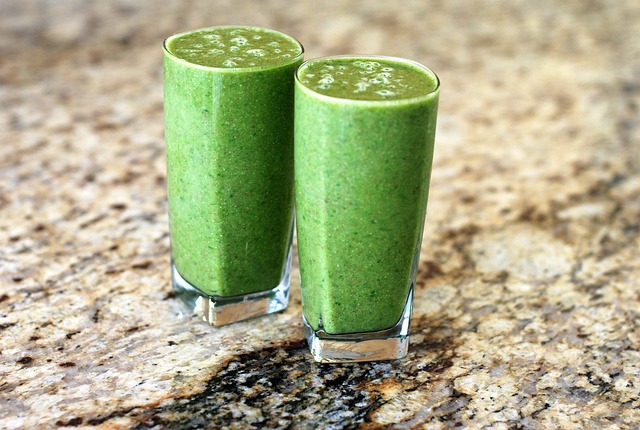
Lemon and ginger are often combined in "detox" drinks, a term that is largely a marketing concept rather than a clinical one. Scientifically, the body's primary detoxification organs—the liver and kidneys—are highly efficient without the need for special drinks. However, the individual components of lemon and ginger do possess bioactive compounds with physiological effects that may support overall metabolic and digestive health.
Key Bioactive Compounds and Their Actions
The proposed benefits stem from specific phytochemicals:
- Ginger (Zingiber officinale): Its primary active compounds, gingerols and shogaols, are well-studied for their anti-inflammatory and antioxidant properties. Robust clinical evidence supports ginger's efficacy in reducing nausea, particularly in pregnancy (under medical guidance), chemotherapy, and postoperative settings. Some human trials also suggest it may help reduce markers of oxidative stress and support healthy digestion by promoting gastric motility.
- Lemon (Citrus limon): It is a rich source of vitamin C (ascorbic acid), a potent antioxidant, and contains flavonoids like hesperidin. Vitamin C is essential for immune function and collagen synthesis. The citric acid in lemon juice may modestly influence urine pH, but claims that it "alkalizes the body" are not supported by physiology, as the body tightly regulates blood pH.
Evaluating the Evidence for "Detox" Claims
It is crucial to separate evidence from popular claims:
- Stronger Evidence: Ginger's anti-nausea effects are well-established. The hydration provided by any fluid, including lemon-ginger water, supports kidney function, which is a core aspect of the body's natural detoxification.
- Limited or Preliminary Evidence: While both ingredients show antioxidant capacity in lab studies, direct evidence from high-quality human trials that drinking lemon-ginger tea significantly "detoxifies" or "cleanses" the body is lacking. Any metabolic benefits are likely indirect, through supporting hydration and providing anti-inflammatory compounds.
Clinical Perspective: From a medical standpoint, these drinks are best viewed as a healthful beverage choice that can contribute to fluid intake and provide beneficial plant compounds. They are not a substitute for medical treatment or a balanced diet. The term "detox" can be misleading, as it implies the removal of specific toxins, which is not proven for this combination.
Important Cautions and Contraindications
While generally safe for most people in culinary amounts, certain individuals should exercise caution:
- Those with gastroesophageal reflux disease (GERD) may find the acidity of lemon aggravating.
- Ginger can have mild blood-thinning effects; individuals on anticoagulant medication (e.g., warfarin) should consult their physician before consuming large, therapeutic quantities regularly.
- Due to its potential to lower blood pressure and blood sugar, individuals with hypotension or diabetes on medication should monitor their levels and discuss significant dietary changes with their doctor.
- Excessive consumption of acidic drinks can contribute to dental enamel erosion; drinking through a straw is often recommended.
3. Risks and Populations to Avoid
While lemon ginger infusions are generally safe for most people when consumed in moderation as part of a balanced diet, they are not without potential risks. A clinically responsible approach requires identifying individuals for whom these drinks may be contraindicated or require significant caution.
Potential Adverse Effects and Interactions
The primary risks stem from the bioactive compounds in the ingredients. Ginger, in pharmacological doses, possesses anticoagulant (blood-thinning) properties. For individuals on anticoagulant medications like warfarin, clopidogrel, or aspirin, consuming large, concentrated amounts of ginger could theoretically increase the risk of bleeding or bruising, though evidence from typical dietary intake is limited.
Furthermore, both lemon (acidic) and ginger (a gastrointestinal stimulant) can irritate the mucosal lining. This may exacerbate symptoms for those with:
- Gastroesophageal reflux disease (GERD)
- Peptic ulcer disease
- Gastritis
The citric acid in lemon can also contribute to dental enamel erosion, especially if sipped frequently throughout the day.
Populations Who Should Exercise Caution or Avoid
Certain groups should consult a healthcare provider before regularly consuming concentrated lemon ginger drinks:
- Individuals with Gallbladder Disease: Ginger may stimulate bile production, potentially triggering pain in those with gallstones.
- Those with Kidney Disorders: If recipes are high in potassium (e.g., adding coconut water), they may pose a risk for individuals with compromised kidney function who need to manage electrolyte intake.
- Pregnant and Breastfeeding Individuals: While small culinary amounts of ginger are often used for nausea, medicinal-level consumption during pregnancy is a subject of debate. Consultation with an obstetrician is advised.
- People Scheduled for Surgery: Due to ginger's potential antiplatelet effects, it is commonly recommended to discontinue high intake at least two weeks prior to elective surgical procedures.
- Individuals with a History of Eating Disorders: Framing any food or drink as a "cleanse" or "detox" can perpetuate harmful restrictive patterns and should be avoided.
The evidence supporting widespread benefits of lemon ginger "detox" drinks is preliminary and often based on studies of isolated compounds, not the beverage as commonly prepared. The strongest recommendation is for moderation, awareness of personal health conditions, and prioritization of evidence-based dietary patterns over any single "miracle" drink.
4. Evidence-Based Practical Takeaways
Integrating lemon ginger drinks into a health regimen can be a supportive practice, but it is crucial to ground expectations in scientific evidence. The primary benefits are derived from the established nutritional and phytochemical profiles of the individual ingredients, not from a novel "detox" mechanism.
What the Evidence Supports
The strongest evidence for lemon and ginger relates to digestive support and antioxidant intake.
- Ginger for Nausea and Gastric Motility: Multiple meta-analyses confirm ginger's efficacy in reducing nausea, particularly in pregnancy (with physician approval), chemotherapy, and postoperative settings. It also shows promise in accelerating gastric emptying, which may aid in feelings of bloating.
- Lemon for Hydration and Vitamin C: Adding lemon to water can improve palatability, supporting adequate fluid intake. Lemon juice provides vitamin C, a potent antioxidant necessary for immune function and collagen synthesis.
- General Anti-inflammatory and Antioxidant Effects: Both ingredients contain bioactive compounds (e.g., gingerols, citric acid, flavonoids) with demonstrated anti-inflammatory and antioxidant properties in laboratory and some human studies.
Areas of Limited or Preliminary Evidence
Claims extending beyond digestive and general nutritional support often rely on weaker data.
- Weight Loss: Any potential benefit is likely indirect, such as substituting a low-calorie beverage for sugary drinks or a mild appetite-modulating effect from ginger. There is no high-quality evidence that lemon ginger drinks directly "burn fat" or significantly boost metabolism.
- Systemic "Detoxification": The body's liver and kidneys are highly efficient detoxification systems. While the antioxidants in lemon and ginger may support these organs' health by reducing oxidative stress, they do not replace or dramatically enhance their inherent function.
- Disease Treatment: Evidence for treating specific conditions like hypertension or hyperlipidemia is preliminary, often based on animal studies or small human trials, and should not replace standard medical therapy.
Clinical Perspective: From a medical standpoint, these beverages are best viewed as a component of a healthy dietary pattern, not an isolated intervention. Their value lies in promoting hydration, providing beneficial phytochemicals, and potentially displacing less healthy beverage choices. They are not a substitute for a balanced diet, exercise, or prescribed medications.
Key Cautions and Contraindications
Certain individuals should exercise caution or consult a healthcare provider:
- Dental Health: The citric acid in lemon can erode tooth enamel. Drink through a straw and avoid brushing teeth immediately after consumption.
- Gastroesophageal Reflux Disease (GERD): Both acidic lemon and ginger (which can relax the lower esophageal sphincter in some people) may trigger or worsen heartburn.
- Gallbladder Issues: Ginger may stimulate bile production, potentially causing discomfort in individuals with gallstones.
- Medication Interactions: Ginger may have mild antiplatelet effects; those on anticoagulants (e.g., warfarin) or preparing for surgery should discuss use with their doctor.
- Pregnancy: While ginger is a recognized remedy for morning sickness, dosage should be discussed with an obstetrician.
In summary, lemon ginger drinks can be a healthful, evidence-supported choice for hydration and digestive comfort. Their role is adjunctive, and they should be incorporated thoughtfully, with awareness of both their proven benefits and their limitations.
5. Safety Considerations and When to Consult a Physician
While incorporating lemon ginger drinks into a routine is generally safe for most healthy adults, it is crucial to approach them with a clear understanding of their limitations and potential risks. These beverages are not a substitute for medical treatment, a balanced diet, or professional detoxification protocols. The term "detox" in popular culture is often misapplied; the human body possesses highly efficient, intrinsic detoxification systems primarily involving the liver, kidneys, and gastrointestinal tract.
Evidence supporting specific "detox" claims for these drinks is limited. While individual ingredients have documented properties—ginger has anti-nausea and anti-inflammatory effects, and lemon provides vitamin C and citric acid—there is no high-quality clinical evidence that combining them in a drink accelerates toxin removal or leads to sustainable weight loss. Any perceived benefits, such as improved digestion or hydration, are likely mild and supportive rather than curative.
Who Should Exercise Caution or Avoid
Certain individuals should be particularly cautious or consult a physician before regularly consuming concentrated lemon ginger preparations:
- Individuals with Gastroesophageal Reflux Disease (GERD) or Peptic Ulcers: The acidity of lemon juice can exacerbate heartburn and irritate mucosal linings.
- Those on Specific Medications: Ginger may have mild antiplatelet effects, potentially interacting with blood thinners like warfarin or aspirin. It can also affect blood sugar and blood pressure levels, requiring monitoring for those on related medications.
- People with Kidney Disorders: High, concentrated consumption of citric acid (from lemon) can be problematic for individuals with compromised kidney function.
- Individuals with Gallbladder Issues: Ginger may stimulate bile production, which could provoke discomfort in those with gallstones.
- Pregnant and Breastfeeding Women: While small culinary amounts of ginger are often used for morning sickness, medicinal quantities in concentrated drinks should be discussed with an obstetrician.
Clinical Perspective: From a medical standpoint, the primary risk of any "detox" regimen is the potential for it to delay necessary diagnosis and treatment for underlying conditions. Symptoms like persistent fatigue, bloating, or brain fog should be evaluated by a healthcare professional, not self-treated with dietary beverages. Furthermore, excessive consumption can lead to dental erosion from the citric acid or gastrointestinal upset.
When to Consult a Physician
You should seek advice from a qualified healthcare provider before beginning any new health regimen, including regular consumption of lemon ginger drinks, if you:
- Have any pre-existing chronic health condition (e.g., diabetes, hypertension, autoimmune disease).
- Are taking prescription or over-the-counter medications regularly.
- Are planning a pregnancy, are pregnant, or are breastfeeding.
- Experience any adverse reactions, such as mouth sores, stomach pain, or heartburn, after consumption.
In summary, enjoy lemon ginger drinks as a potentially refreshing and hydrating beverage with some supportive bioactive compounds. However, view them as a minor component of an overall healthy lifestyle, not a therapeutic intervention. Always prioritize evidence-based medical care for health concerns.
6. Questions & Expert Insights
Can a lemon ginger drink really "detox" my body?
The term "detox" is often used loosely in wellness circles. Scientifically, your liver, kidneys, lungs, and skin are your primary and highly efficient detoxification organs. There is no high-quality evidence that any specific food or drink accelerates or enhances this innate process. Lemon provides vitamin C and antioxidants, while ginger contains compounds like gingerol with anti-inflammatory and digestive properties. Therefore, a lemon ginger drink is best viewed as a supportive, hydrating beverage that may aid digestion and provide nutrients, rather than a "detox" that purges toxins. The primary benefit is likely from replacing sugary drinks with a healthy, low-calorie alternative and increasing fluid intake.
What are the potential risks or side effects, and who should avoid these drinks?
While generally safe for most people, there are important considerations. The acidity of lemon can erode dental enamel over time, especially if sipped throughout the day. Consuming large, concentrated amounts of ginger may cause heartburn, stomach upset, or interact with blood-thinning medications like warfarin. Specific groups should exercise caution or avoid them: individuals with gastroesophageal reflux disease (GERD) or peptic ulcers, those with known citrus allergies, people on certain medications (anticoagulants, diabetes drugs, or blood pressure medications due to potential interactions), and individuals with kidney disease who need to monitor potassium and fluid intake. Pregnant women should consult their doctor regarding ginger intake, as opinions on safe levels vary.
When should I talk to my doctor about incorporating this into my routine?
You should consult a physician or a registered dietitian before making significant dietary changes if you have any chronic health condition, are pregnant or breastfeeding, or are taking prescription medications. This is crucial for managing conditions like diabetes, hypertension, kidney disease, or a history of eating disorders. Bring a specific list of your medications and supplements to the appointment. Be prepared to discuss your goals (e.g., "I want to improve hydration" or "manage mild bloating") rather than vague aims like "detox." This allows your healthcare provider to assess potential interactions, ensure nutritional adequacy, and integrate the habit safely into your overall care plan, ensuring it complements rather than conflicts with your health management.
Is there strong scientific evidence backing the health claims of these recipes?
The evidence is ingredient-specific and varies in strength. There is robust research supporting ginger's efficacy for nausea and vomiting, and promising data for its anti-inflammatory effects. Lemon's vitamin C is well-established for immune function, though drinking it won't necessarily prevent colds. Claims regarding weight loss, "fat burning," or "liver cleansing" are not strongly supported by clinical trials in humans. Many studies on individual compounds are conducted in cells or animals, or use doses much higher than what is found in a daily drink. Therefore, while the individual components are healthy, the overall "detox drink" concept as a transformative health intervention lacks direct, high-quality evidence. View these recipes as part of a balanced diet, not a standalone solution.
7. In-site article recommendations
8. External article recommendations
9. External resources
The links below point to reputable medical and evidence-based resources that can be used for further reading. Always interpret them in the context of your own situation and your clinician’s advice.
-
healthline healthline.comlemon ginger detox drinks – Healthline (search)
-
mayoclinic mayoclinic.orglemon ginger detox drinks – Mayo Clinic (search)
-
wikipedia wikipedia.orglemon ginger detox drinks – Wikipedia (search)
These external resources are maintained by third-party organisations. Their content does not represent the editorial position of this site and is provided solely to support readers in accessing additional professional information.