
1. Introduction to Matcha: Setting the Clinical Context
Matcha, a finely ground powder of specially grown and processed green tea leaves, has transitioned from a traditional Japanese ceremonial drink to a global health phenomenon. From a clinical and nutritional perspective, it is essential to understand that matcha represents a concentrated source of the bioactive compounds found in green tea. Unlike steeping loose-leaf tea, consuming the whole leaf powder means ingesting a higher density of nutrients and phytochemicals per serving.
The primary compounds of clinical interest in matcha include:
- Catechins: A class of polyphenols, with epigallocatechin gallate (EGCG) being the most abundant and studied for its antioxidant properties.
- L-theanine: A unique amino acid associated with promoting a state of calm alertness.
- Caffeine: Present in a moderate amount, typically 35-70 mg per half-teaspoon serving, though this can vary widely.
Current evidence suggests potential health benefits, but the strength of this evidence varies significantly. High-quality systematic reviews and meta-analyses support a general association between green tea consumption and modest improvements in cardiovascular risk markers. However, much of the specific research on matcha itself is preliminary, consisting of in-vitro (test-tube), animal, or small-scale human trials. Claims regarding weight loss, cancer prevention, or profound cognitive enhancement often extrapolate from studies on green tea extracts or high doses of isolated compounds, not necessarily from matcha consumed in typical dietary amounts.
Clinical Perspective: When evaluating matcha, clinicians view it as a potentially beneficial dietary component rather than a therapeutic agent. The synergy between its compounds—particularly caffeine and L-theanine—is a key differentiator from other caffeinated beverages, potentially offering a more stable energy profile with less jitteriness for some individuals. However, its benefits must be weighed against individual health contexts and the totality of one's diet.
It is crucial for certain individuals to exercise caution and consult a healthcare provider before significantly increasing matcha intake. This includes:
- Those sensitive to caffeine or with anxiety disorders.
- Individuals with iron-deficiency anemia, as catechins can inhibit non-heme iron absorption.
- People with liver conditions, due to rare case reports of hepatotoxicity linked to high-dose green tea extract supplements (though this risk from culinary-grade matcha is considered very low).
- Anyone taking medications where caffeine or vitamin K (present in green leafy plants) could interact, such as certain blood thinners.
This chapter establishes a foundation of evidence-based context, separating established nutritional facts from areas requiring more rigorous human research. The following sections will delve deeper into the specific mechanisms, benefits, and practical considerations of matcha consumption.
2. Mechanisms and Evidence: What Science Says About Matcha

The purported health benefits of matcha are primarily attributed to its unique phytochemical profile. As a shade-grown, whole-leaf tea powder, matcha delivers a concentrated dose of bioactive compounds, most notably a class of polyphenols called catechins. The primary catechin, epigallocatechin gallate (EGCG), is the focus of most mechanistic research.
Established Mechanisms and Stronger Evidence
Several biological mechanisms are well-supported by in vitro and animal studies, with some corroboration in human trials.
- Antioxidant Activity: EGCG is a potent antioxidant, demonstrated to scavenge free radicals and upregulate the body's own antioxidant enzymes like glutathione peroxidase. This is one of the most robustly documented effects.
- Metabolic Modulation: Evidence suggests EGCG can mildly inhibit enzymes involved in carbohydrate digestion and fat absorption. It may also promote fat oxidation, particularly during exercise. Human trials show modest, supportive effects on weight management, primarily as an adjunct to diet and exercise.
- Neuroprotective Potential: The combination of caffeine and L-theanine in matcha is notable. L-theanine promotes alpha-wave brain activity, associated with relaxed alertness, which may modulate the jittery effects of caffeine. Observational studies link green tea consumption to a lower risk of cognitive decline.
Areas with Preliminary or Mixed Evidence
Claims in other areas, while biologically plausible, rely on less conclusive human data.
- Cardiovascular Health: Population studies associate green tea intake with improved lipid profiles and blood pressure. However, direct causation and the specific superior effect of matcha over other green teas remain less clear.
- Cancer Prevention: Laboratory studies show EGCG can induce apoptosis and inhibit proliferation in cancer cells. These findings are compelling but preliminary; robust, long-term human clinical trials are lacking, and matcha should never be considered a treatment.
- Detoxification: While EGCG supports Phase II liver detoxification pathways in research models, the concept of matcha as a comprehensive "detox" agent is an oversimplification of a complex physiological system.
Clinical Perspective: The evidence supports matcha as a source of beneficial bioactives, not a pharmaceutical. Effects are generally subtle, cumulative, and dose-dependent. The high concentration of compounds also means potential side effects from excessive intake, such as gastrointestinal upset or caffeine-related issues, are more likely.
Who Should Exercise Caution: Individuals who are caffeine-sensitive, pregnant or breastfeeding, have iron-deficiency anemia (catechins can inhibit non-heme iron absorption), or have pre-existing liver or kidney conditions should consult a healthcare provider before making matcha a regular part of their regimen. Those on medications should discuss potential interactions.
3. Risks and Contraindications: Who Should Avoid Matcha
While matcha is celebrated for its potential health benefits, its concentrated nature means it is not suitable for everyone. A clinically responsible approach requires understanding its primary active compounds—caffeine and catechins—and their potential interactions with specific health conditions and medications.
Primary Concerns: Caffeine and Catechins
The two most significant considerations are its caffeine content and the high concentration of polyphenols, specifically epigallocatechin gallate (EGCG).
- Caffeine Sensitivity: A typical serving of matcha (2g or 1 tsp) contains approximately 70mg of caffeine, though this can vary. Individuals with caffeine sensitivity, anxiety disorders, insomnia, or certain cardiac conditions like arrhythmias may experience adverse effects such as jitteriness, palpitations, or sleep disruption.
- EGCG and Liver Health: There is strong evidence from case reports and clinical observations that high-dose green tea extract supplements can cause hepatotoxicity (liver injury). While the risk from culinary-grade matcha is considered lower, individuals with pre-existing liver conditions or those taking medications with known hepatotoxic potential should exercise caution.
Specific Populations to Consider
Certain groups should consult a healthcare provider before incorporating matcha into their routine.
- Pregnant and Breastfeeding Individuals: While moderate caffeine intake is generally considered acceptable, the total daily caffeine limit (often recommended at 200mg) must be monitored from all sources. The safety of high-dose EGCG during pregnancy is not well-established.
- Individuals with Iron-Deficiency Anemia: The catechins in matcha can inhibit non-heme iron absorption from plant-based foods. Consuming matcha between meals, rather than with meals, can mitigate this effect.
- Those on Specific Medications: Matcha may interact with certain drugs. Caffeine can potentiate stimulants and may interact with some antidepressants. More notably, catechins can interfere with the metabolism of drugs processed by the CYP450 enzyme system (e.g., some blood thinners, beta-blockers, and chemotherapy agents).
- People with Kidney Disorders: Matcha contains oxalates, which in very high amounts can contribute to kidney stone formation in susceptible individuals.
Clinical Perspective: In practice, the dose and context are critical. For most healthy adults, moderate consumption of 1–2 servings daily is well-tolerated. The key is to view matcha not as an inert superfood but as a bioactive substance. A prudent step for anyone with a chronic health condition or taking prescription medication is to discuss its use with their physician or a registered dietitian to evaluate individual risk.
Ultimately, recognizing these contraindications allows for safer, more informed consumption, ensuring that the integration of matcha into one's diet is both beneficial and appropriate for their personal health profile.
4. Practical Evidence-Based Takeaways for Matcha Consumption

To integrate matcha into a health-conscious routine effectively, it is essential to ground consumption in the available evidence and prioritize safety. The following takeaways are based on a synthesis of current research, with a clear distinction between well-supported benefits and areas requiring more investigation.
Strongest Evidence-Based Recommendations
The most robust data supports matcha's role as a source of bioactive compounds, primarily catechins like EGCG and caffeine. Practical applications include:
- Cognitive & Metabolic Support: Consuming 1–2 grams (approx. ½–1 teaspoon) of ceremonial-grade matcha can provide 70–140 mg of caffeine and a significant dose of L-theanine. This combination is well-documented to promote a state of calm alertness and may support focus. The catechins also show evidence for a modest increase in metabolic rate and fat oxidation, particularly when consumed before aerobic exercise.
- Antioxidant Intake: Matcha is a concentrated source of dietary antioxidants. Incorporating it as a replacement for sugar-sweetened beverages or lower-quality teas is a demonstrably positive dietary shift for increasing polyphenol intake.
Areas of Preliminary or Mixed Evidence
Many purported benefits, while biologically plausible, rely on cell-culture, animal studies, or short-term human trials. These include specific protective effects against certain cancers, neurodegenerative diseases, and advanced cardiovascular outcomes. While promising, they cannot be considered established clinical outcomes for matcha consumption alone.
Clinical Perspective: In practice, we view high-quality matcha as a beneficial component of an overall healthy dietary pattern, not a standalone therapeutic agent. Its value lies in what it replaces (e.g., sugary drinks) and the synergistic addition of its compounds to the diet. Dosing beyond 2–3 grams daily does not have clear incremental benefits and may introduce risks.
Key Safety & Practical Guidance
To consume matcha responsibly, adhere to these guidelines:
- Dosage: A practical upper limit for daily consumption is 2–3 grams of powder to avoid excessive caffeine and potential hepatotoxicity from very high polyphenol loads.
- Timing: Consume earlier in the day to minimize potential sleep disruption due to caffeine content.
- Preparation: Use water under 80°C (176°F) to preserve sensitive catechins and prevent a bitter taste. Sifting the powder before whisking ensures a smooth suspension and better extraction.
Who Should Exercise Caution: Individuals who are pregnant, breastfeeding, have anxiety disorders, hypertension, gastroesophageal reflux (GERD), iron deficiency, or liver conditions should consult a physician. Those sensitive to caffeine or taking stimulant medications should be particularly cautious with timing and dose. Always source matcha from reputable suppliers to minimize the risk of contaminants like lead, which the tea plant can absorb from soil.
5. Safety Considerations and When to Consult a Healthcare Provider
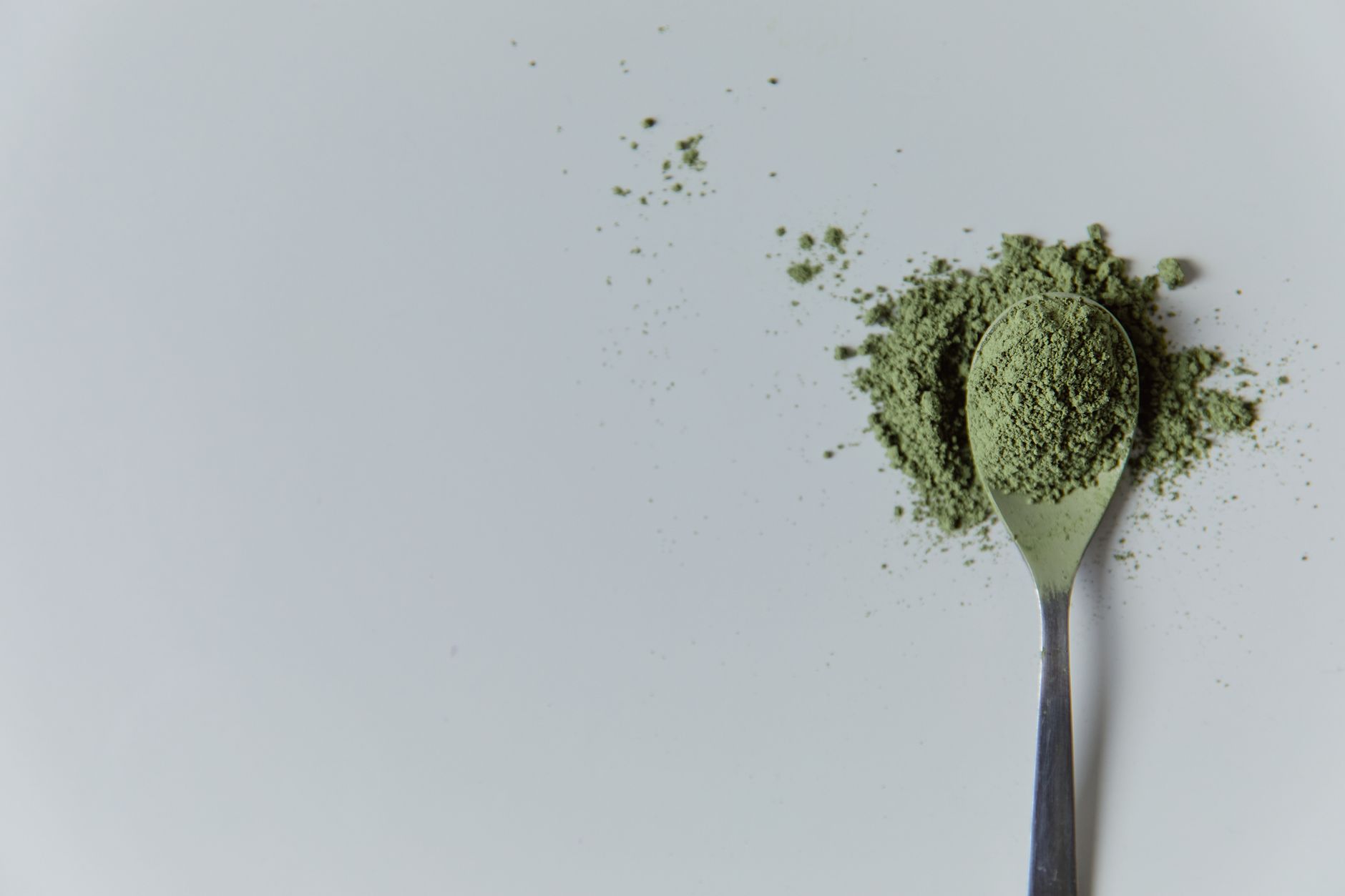
While matcha is generally safe for most adults when consumed in typical dietary amounts, its concentrated nature and bioactive compounds necessitate a nuanced understanding of potential risks. A responsible approach requires recognizing specific contraindications and individual susceptibilities.
Key Safety Considerations
The primary safety concerns stem from its caffeine and catechin content. One gram of ceremonial-grade matcha can contain approximately 35-70 mg of caffeine, comparable to a shot of espresso. Excessive intake can lead to:
- Anxiety, jitteriness, and sleep disturbances.
- Increased heart rate or palpitations.
- Gastrointestinal upset, including acid reflux.
Furthermore, the high concentration of epigallocatechin gallate (EGCG), while studied for potential benefits, can pose risks at very high doses. Animal studies suggest potential hepatotoxicity with extreme, isolated EGCG intake, though this is rarely associated with normal matcha consumption. The evidence for harm in humans from dietary matcha is limited, but caution is warranted.
Clinical Insight: In practice, we see issues arise from two main areas: cumulative caffeine intake from multiple sources (coffee, tea, energy drinks) and interactions with medications. Matcha is not an inert substance; its compounds can affect drug metabolism and physiological states. Always consider it as part of a patient's total dietary and pharmacological profile.
Who Should Exercise Caution or Consult a Provider?
Specific populations and conditions warrant professional guidance before regular matcha consumption:
- Individuals with Cardiovascular Conditions: Those with arrhythmias, severe hypertension, or anxiety disorders should discuss caffeine intake with a cardiologist or psychiatrist.
- Pregnant or Breastfeeding Individuals: While moderate caffeine intake is generally considered acceptable, limits are stricter. Consultation with an obstetrician is advised to determine a safe threshold.
- People with Iron-Deficiency Anemia: The tannins in matcha can inhibit non-heme iron absorption. Consuming it between meals, not with iron-rich foods or supplements, is a prudent strategy.
- Those with Liver Conditions: Given the theoretical risk of high-dose catechin effects on the liver, individuals with pre-existing liver disease should seek hepatology advice.
- Individuals on Medications: Matcha may interact with drugs metabolized by the CYP450 enzyme system (e.g., certain blood thinners, antidepressants, and chemotherapy drugs) and can affect the efficacy of stimulant or sedative medications. A pharmacist or physician can review potential interactions.
The strongest evidence supports moderating intake due to caffeine. The data on other risks are more preliminary but clinically significant enough to warrant a precautionary approach. When in doubt, or if you have a chronic health condition, a consultation with your healthcare provider is the most evidence-based safety step you can take.
6. Questions & Expert Insights
Is matcha a proven weight loss aid, or is this just marketing hype?
Matcha contains compounds, notably caffeine and a type of catechin called EGCG, that have been studied for their potential metabolic effects. Research, including some randomized controlled trials, suggests these compounds can modestly increase thermogenesis (calorie burning) and fat oxidation in the short term. However, it is crucial to interpret these findings with caution. The observed effects are typically small, and most studies are short-term, involve specific doses, or are conducted in controlled settings that don't perfectly mirror real life. Matcha is not a magic solution for weight loss. Sustainable weight management is achieved through a consistent caloric deficit, balanced nutrition, and regular physical activity. Viewing matcha as a supportive element within this broader context is reasonable, but relying on it alone for significant weight loss is not supported by high-quality evidence.
What are the real risks or side effects of drinking matcha, and who should be especially cautious?
The primary risks are associated with its caffeine and potential contaminant content. A typical serving of matcha contains approximately 70mg of caffeine, but this can vary. Overconsumption can lead to insomnia, anxiety, jitteriness, heart palpitations, and gastrointestinal upset. Matcha also contains vitamin K, which can interfere with blood-thinning medications like warfarin. Furthermore, because matcha is a powdered whole leaf, it may concentrate heavy metals (like lead) or pesticides from the soil it's grown in, depending on the source. Individuals who should exercise caution or avoid matcha include: those with caffeine sensitivity, anxiety disorders, cardiac arrhythmias, gastroesophageal reflux disease (GERD), iron-deficiency anemia (as tannins can inhibit iron absorption), kidney disorders, and pregnant or breastfeeding women (due to caffeine limits and contaminant risks). Always choose ceremonial-grade matcha from reputable, tested sources to minimize contaminant exposure.
When should I talk to my doctor about incorporating matcha into my routine, and what information should I bring?
You should consult your physician or a registered dietitian before making matcha a regular habit if you have a pre-existing medical condition, are pregnant or breastfeeding, or are taking any medications—especially blood thinners (e.g., warfarin), stimulants, medications for anxiety or heart conditions, or chemotherapy drugs. To make the conversation productive, come prepared with specific information: 1) The brand and source of your matcha (to discuss potential contaminants), 2) Your intended daily serving size and frequency (e.g., "one teaspoon daily"), and 3) A complete list of your current medications and supplements. This allows your healthcare provider to assess potential interactions, advise on a safe caffeine limit for you, and determine if any necessary monitoring (like INR levels for warfarin users) is required.
Is there a difference between the "ceremonial" and "culinary" grades, and does it matter for health?
The grading primarily reflects flavor profile, intended use, and cultivation/processing methods, which indirectly impact health considerations. Ceremonial-grade matcha is made from the youngest tea leaves, is stone-ground into a finer powder, and is intended for drinking with water only. It tends to be sweeter, less bitter, and often comes from more carefully controlled growing conditions, which may reduce the risk of contaminant exposure. Culinary-grade matcha is typically made from older leaves, can be more bitter, and is designed for blending into lattes, smoothies, or baked goods. From a health perspective, both grades contain beneficial catechins. However, if you are consuming matcha daily for its potential health properties, opting for a high-quality ceremonial or "premium" grade from a reputable source that conducts third-party heavy metal and pesticide testing is a prudent choice for purity. The "health difference" is less about the grade itself and more about the quality control and sourcing practices behind it.
7. In-site article recommendations
8. External article recommendations
9. External resources
The links below point to reputable medical and evidence-based resources that can be used for further reading. Always interpret them in the context of your own situation and your clinician’s advice.
-
drugs drugs.commatcha – Drugs.com (search)
-
mayoclinic mayoclinic.orgmatcha – Mayo Clinic (search)
-
wikipedia wikipedia.orgmatcha – Wikipedia (search)
These external resources are maintained by third-party organisations. Their content does not represent the editorial position of this site and is provided solely to support readers in accessing additional professional information.