
1. Introduction to Cinnamon and Blood Sugar Context
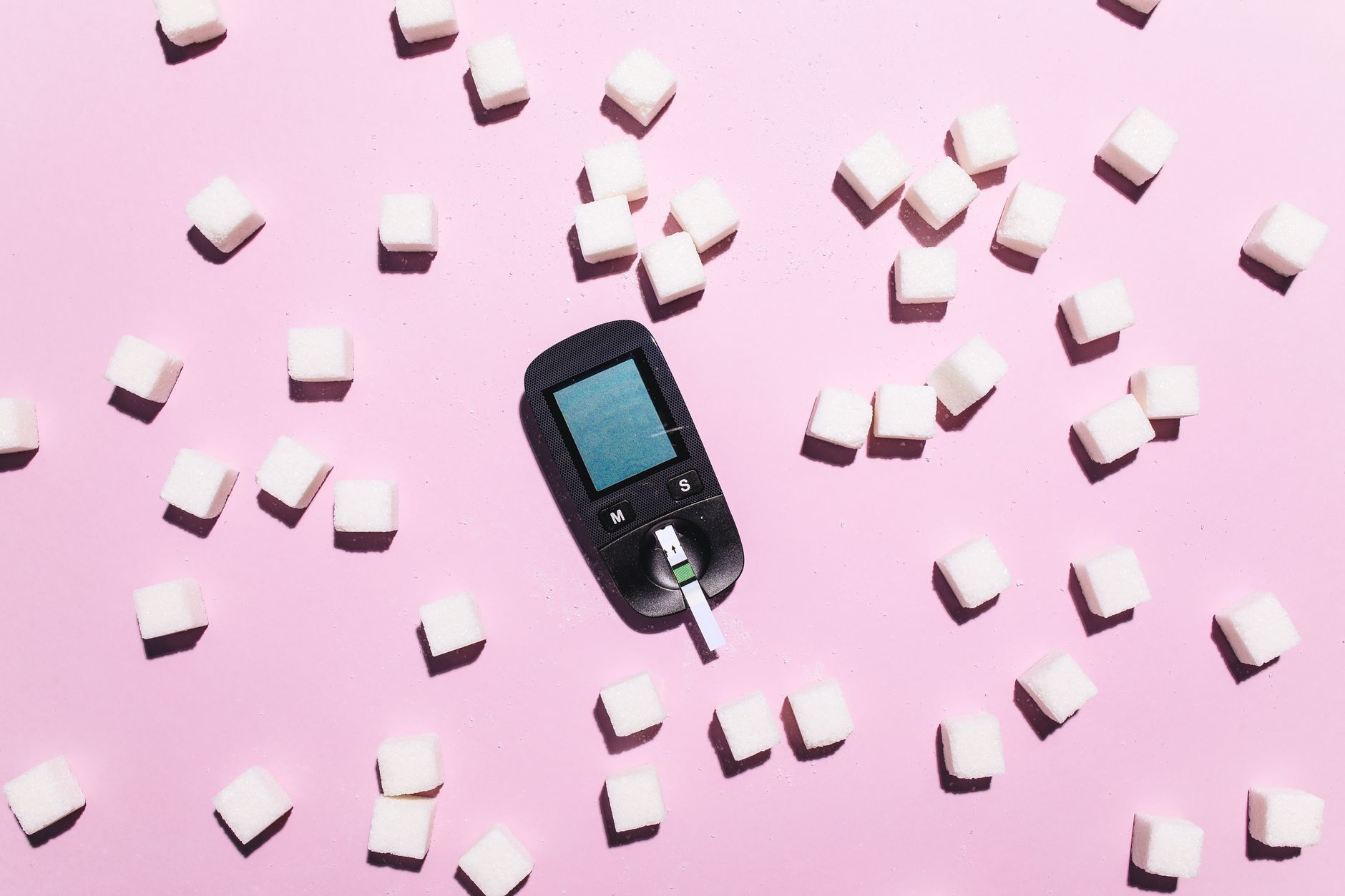
Cinnamon, a common spice derived from the inner bark of Cinnamomum trees, has a long history of use in traditional medicine systems. In recent decades, it has garnered significant scientific and public interest for its potential role in glycemic management. This interest stems primarily from laboratory and animal studies suggesting that certain compounds in cinnamon, such as cinnamaldehyde and polyphenols, may influence glucose metabolism through several proposed mechanisms:
- Enhancing insulin sensitivity at the cellular level.
- Slowing gastric emptying, which may moderate post-meal blood glucose spikes.
- Inhibiting enzymes involved in carbohydrate digestion.
However, it is crucial to contextualize this potential within the broader landscape of clinical evidence. Human clinical trials have produced mixed results. Some meta-analyses of randomized controlled trials report a modest, statistically significant reduction in fasting blood glucose and markers like HbA1c, particularly in individuals with type 2 diabetes or prediabetes. Other reviews conclude the effects are inconsistent, often small, and may not be clinically meaningful for everyone.
Clinical Perspective: From an evidence-based medicine standpoint, cinnamon is not considered a first-line or standalone treatment for diabetes or prediabetes. Its effects, if present, are generally viewed as complementary to foundational lifestyle interventions—such as a balanced diet, regular physical activity, and weight management—and prescribed pharmacotherapy. The variability in study outcomes can be attributed to differences in cinnamon type (e.g., Ceylon vs. Cassia), dosage, duration, and participant characteristics.
This chapter serves as a foundation for understanding why the subsequent discussion of common mistakes is essential. Approaching cinnamon with unrealistic expectations or without awareness of its limitations and risks can lead to ineffective or even harmful practices. Individuals with the following conditions should exercise particular caution and consult a healthcare provider before using cinnamon supplements for glycemic control:
- Diagnosed liver disease, due to potential coumarin content in Cassia cinnamon.
- Those on diabetes medications (e.g., insulin, sulfonylureas), due to the risk of additive hypoglycemia.
- Individuals with bleeding disorders or on anticoagulant therapy.
- Pregnant or breastfeeding individuals.
With this evidence-based context established, we can now examine the practical pitfalls that often undermine its safe and potentially beneficial use.
2. Evidence and Mechanisms of Cinnamon's Effects

The interest in cinnamon as a potential adjunct for blood sugar management stems from its long history of use and a growing body of scientific inquiry. The primary bioactive compounds believed to be responsible are water-soluble polyphenols, particularly a type called methylhydroxychalcone polymers (MHCPs). These compounds appear to influence glucose metabolism through several proposed mechanisms.
Proposed Biological Mechanisms
Research, primarily from in vitro and animal studies, suggests cinnamon may act in the following ways:
- Improving Insulin Sensitivity: MHCPs may mimic insulin activity and enhance the signaling pathways that allow cells to take up glucose more effectively.
- Slowing Gastric Emptying: Certain compounds in cinnamon can delay the rate at which food leaves the stomach, potentially leading to a more gradual rise in post-meal blood glucose.
- Inhibiting Digestive Enzymes: Some evidence indicates cinnamon may mildly inhibit the enzymes (alpha-glucosidase and pancreatic amylase) that break down carbohydrates in the intestine, slowing sugar absorption.
Clinical Evidence: A Nuanced Picture
Human clinical trials present a mixed and nuanced picture, which is crucial for setting realistic expectations.
Supportive Findings: Several meta-analyses of randomized controlled trials have concluded that cinnamon supplementation can lead to statistically significant, albeit modest, reductions in fasting blood glucose. The effects appear more pronounced in individuals with poorer baseline glycemic control, such as those with prediabetes or type 2 diabetes.
Limitations and Gaps: The evidence is not uniform. Key limitations include:
- High Variability: Study results vary widely, likely due to differences in cinnamon type (e.g., Ceylon vs. Cassia), dosage, duration, and participant health status.
- Modest Effect Size: Reductions in HbA1c (a 3-month average of blood sugar levels) are typically small, often in the range of 0.2% to 0.6%.
- Uncertain Long-Term Impact: Most trials are short-term (3-4 months), leaving the long-term efficacy and safety profile unclear.
Clinical Perspective: From an evidence-based standpoint, cinnamon is not a substitute for proven diabetes medications or lifestyle therapy. Its effect is considered adjunctive and modest at best. The variability in study outcomes means it may work for some individuals and not for others. Crucially, it should not be relied upon for significant blood sugar lowering in insulin-dependent diabetes.
Who Should Exercise Caution: Individuals with liver disease, those on anticoagulant medications (due to the coumarin content in Cassia cinnamon), pregnant or breastfeeding women, and anyone with diabetes—especially on medication—must consult their physician before using cinnamon therapeutically. Self-supplementation can lead to unpredictable effects on blood sugar and potential interactions.
3. Risks and Contraindications for Specific Populations

While cinnamon is generally considered safe for culinary use, its concentrated use as a supplement for blood sugar management carries specific risks for certain populations. The primary active compound, coumarin, and the potential for drug interactions necessitate a cautious, individualized approach.
Individuals with Liver or Kidney Conditions
Cassia cinnamon, the most common variety, contains significant amounts of coumarin. Chronic, high intake of coumarin is hepatotoxic and can cause liver damage in susceptible individuals. Those with pre-existing liver conditions (e.g., hepatitis, cirrhosis) or impaired liver function should avoid high-dose cinnamon supplements. Similarly, individuals with chronic kidney disease should exercise caution, as the kidneys are responsible for filtering metabolites, and the impact of concentrated cinnamon compounds on compromised renal function is not well-studied.
People on Specific Medications
Cinnamon may potentiate the effects of certain medications, creating a risk of hypoglycemia or other adverse effects. This interaction risk is supported by mechanistic evidence, though clinical data from human trials is more limited. Key medication classes of concern include:
- Diabetes medications: Insulin, sulfonylureas (e.g., glipizide, glyburide), and meglitinides. Combining these with cinnamon may excessively lower blood glucose.
- Anticoagulants/Antiplatelets: Drugs like warfarin, clopidogrel, or aspirin. Cinnamon (particularly Cassia) contains coumarin, which has anticoagulant properties, potentially increasing the risk of bleeding.
- Hepatotoxic drugs: Medications with known liver stress side effects (e.g., acetaminophen, statins, certain antifungals). Adding a coumarin load could compound this risk.
Pregnant and Breastfeeding Individuals
There is insufficient high-quality evidence to establish the safety of therapeutic doses of cinnamon during pregnancy and lactation. While culinary amounts in food are likely safe, concentrated supplements should be avoided due to the lack of robust safety data and the theoretical risk of stimulating uterine activity or affecting the newborn.
Individuals with Allergies or Gastrointestinal Sensitivities
Although rare, allergic reactions to cinnamon are possible. More commonly, high doses can cause mouth sores, gastrointestinal irritation, or diarrhea due to the cinnamaldehyde content. Those with a known sensitivity or inflammatory bowel conditions should be particularly cautious.
The overarching principle is that natural does not automatically mean safe for everyone. Individuals in these higher-risk categories should seek personalized medical advice before using cinnamon as a therapeutic agent.
4. Practical Guidelines for Safe Usage

To integrate cinnamon into a blood sugar management plan safely and effectively, a measured, evidence-based approach is essential. The following guidelines are designed to help you avoid common pitfalls and maximize potential benefits while minimizing risks.
1. Establish a Realistic Dose and Form
Clinical studies on cinnamon and glycemic control have typically used doses between 1 to 6 grams (approximately ½ to 2 teaspoons) of powdered cinnamon per day, often divided into two doses. The evidence for benefit is stronger for Cassia cinnamon, but this variety contains coumarin, which can be hepatotoxic in high amounts. For long-term daily use, consider Ceylon ("true") cinnamon, which has negligible coumarin content. Consistency is more important than large, sporadic doses.
2. Integrate, Don't Isolate
Cinnamon is not a standalone treatment. Its potential modest effect is best realized as a complement to foundational lifestyle strategies. Consider these integration points:
- With Meals: Sprinkle on oatmeal, yogurt, or add to smoothies to potentially help moderate the postprandial glucose response.
- As a Flavor Enhancer: Use it to reduce added sugars in recipes for baked goods, teas, or coffee.
- Timing: Taking it with carbohydrate-containing meals may offer more consistent effects than taking it on an empty stomach.
Clinical Insight: From a medical perspective, we view cinnamon as a possible adjunct, not an alternative. Its mechanism is thought to involve improving insulin sensitivity at the cellular level and slowing gastric emptying. However, the effect size is generally modest and variable between individuals. It should never replace prescribed medication, dietary modification, or physical activity.
3. Monitor and Document
If you choose to use cinnamon, adopt a systematic approach. Start with a lower dose (e.g., 1 gram daily) and maintain it consistently for several weeks. Monitor your fasting and post-meal blood glucose levels if you have the means to do so. Keep a simple log to track any trends alongside your diet and activity. This data-driven method helps assess if it's providing a tangible benefit for you, beyond subjective feeling.
4. Critical Contraindications and Precautions
Consult your physician before starting cinnamon supplementation, especially if you:
- Have diabetes and are on medication (e.g., insulin, sulfonylureas), as cinnamon could theoretically increase the risk of hypoglycemia.
- Have known liver disease or are taking medications metabolized by the liver (due to coumarin in Cassia cinnamon).
- Are pregnant or breastfeeding (due to limited safety data).
- Have a history of allergies to spices or are about to undergo surgery (cinnamon may affect blood clotting).
Discontinue use and seek medical advice if you experience any adverse reactions such as mouth sores, digestive upset, or signs of liver irritation (unusual fatigue, nausea, dark urine).
5. Safety Considerations and When to Seek Medical Advice

While cinnamon is generally recognized as safe for culinary use, its concentrated use as a supplement for blood sugar management requires a cautious, evidence-based approach. The primary safety concerns revolve around coumarin content, potential drug interactions, and the risk of delaying or replacing proven medical therapies.
Key Safety Concerns
The most significant risk is from coumarin, a compound found in high concentrations in Cassia cinnamon (the common, inexpensive variety). Chronic, high-dose intake of coumarin can cause liver toxicity and may increase the risk of bleeding. For this reason, many health authorities suggest opting for Ceylon ("true") cinnamon, which contains negligible coumarin, if using it regularly in therapeutic doses.
Furthermore, cinnamon may interact with several medications:
- Diabetes medications (e.g., insulin, sulfonylureas, metformin): Cinnamon may have additive blood sugar-lowering effects, potentially increasing the risk of hypoglycemia.
- Anticoagulants/Antiplatelets (e.g., warfarin, aspirin): The coumarin in Cassia cinnamon can theoretically enhance blood-thinning effects.
- Hepatotoxic drugs: May compound potential liver stress.
Clinical Perspective: In practice, the hypoglycemia risk with cinnamon is generally considered low for most individuals, but it is not zero. The greater danger is a patient reducing or forgoing prescribed medication in favor of cinnamon, believing it to be a sufficient substitute. This can lead to uncontrolled hyperglycemia and its serious long-term complications.
Who Should Exercise Particular Caution?
Consulting a physician before beginning regular cinnamon supplementation is strongly advised for:
- Individuals with diagnosed liver disease.
- Those with bleeding disorders or scheduled for surgery.
- Pregnant or breastfeeding individuals (due to limited safety data).
- People with polypharmacy, especially involving the medications listed above.
- Anyone with a history of allergies to plants in the Lauraceae family.
When to Seek Medical Advice
You should discontinue use and seek medical advice if you experience symptoms such as unexplained nausea, fatigue, loss of appetite, dark urine, or jaundice (yellowing of skin/eyes), which could indicate liver issues. Any signs of unusual bruising, bleeding, or severe hypoglycemia (shakiness, confusion, sweating) also warrant immediate medical attention.
The evidence for cinnamon's glycemic benefits, while promising in some studies, remains mixed and is not a substitute for lifestyle modification or pharmacotherapy. It should be viewed, at best, as a potential complementary approach under professional guidance, not a standalone treatment.
6. Questions & Expert Insights
Can cinnamon replace my diabetes medication?
No, cinnamon should not be considered a replacement for prescribed diabetes medication. The evidence supporting its use is preliminary and inconsistent. While some meta-analyses suggest a modest reduction in fasting blood glucose (e.g., reductions of ~10-25 mg/dL), the effect size is small, studies vary in quality, and long-term outcomes on complications like heart or kidney disease are unknown. Cinnamon's potential effect is considered adjunctive, meaning it might be a supportive element within a broader, doctor-approved management plan that includes medication, diet, and exercise. Discontinuing or altering medication without direct medical supervision is dangerous and can lead to acute hyperglycemia or other serious health risks.
What are the risks or side effects of taking cinnamon supplements?
The primary risk comes from coumarin, a compound found in high concentrations in Cassia cinnamon (the common, inexpensive type). Chronic high intake of coumarin can cause liver toxicity and may worsen pre-existing liver conditions. Allergic reactions and mouth irritation are also possible. For individuals on blood-thinning medications like warfarin, cinnamon may theoretically increase the risk of bleeding due to its coumarin content and potential antiplatelet effects, though clinical data is sparse. Ground cinnamon can also be a source of bacterial contamination like Salmonella. It is crucial to choose Ceylon ("true") cinnamon, which is lower in coumarin, and to adhere to typical supplemental doses (often 1-6 grams daily of the powder), not heaping spoonfuls.
Who should definitely avoid using cinnamon for blood sugar management?
Several groups should exercise extreme caution or avoid this approach entirely. This includes:
- Individuals with liver disease: Due to the potential hepatotoxic effects of coumarin.
- Those on anticoagulant/antiplatelet drugs: Including warfarin, clopidogrel, or aspirin, due to a potential increased bleeding risk.
- People with known allergies to cinnamon or plants in the Lauraceae family.
- Pregnant or breastfeeding individuals: Due to a lack of safety data.
- Individuals with diabetes who have kidney problems: As the impact of cinnamon compounds on compromised kidneys is not well-studied.
- Those with a history of hypoglycemia: As combining cinnamon with medication could potentially lower blood sugar too much.
When should I talk to my doctor, and what information should I bring?
You should consult your doctor or an endocrinologist before adding cinnamon to your regimen, especially if you have a diagnosed condition like diabetes or are on any medication. To make the conversation productive, come prepared with specific information:
- Your current A1C, fasting glucose, and blood sugar logs.
- A complete list of all medications and supplements you take, including doses.
- The specific type (Ceylon vs. Cassia) and intended dose of cinnamon you are considering.
- Your goal (e.g., "I'm hoping to reduce my post-meal spikes").
7. In-site article recommendations
8. External article recommendations
9. External resources
The links below point to reputable medical and evidence-based resources that can be used for further reading. Always interpret them in the context of your own situation and your clinician’s advice.
-
healthline healthline.comcinnamon – Healthline (search)
-
mayoclinic mayoclinic.orgcinnamon – Mayo Clinic (search)
-
drugs drugs.comcinnamon – Drugs.com (search)
These external resources are maintained by third-party organisations. Their content does not represent the editorial position of this site and is provided solely to support readers in accessing additional professional information.