
1. Introduction to Herbal Tea Detox Protocols
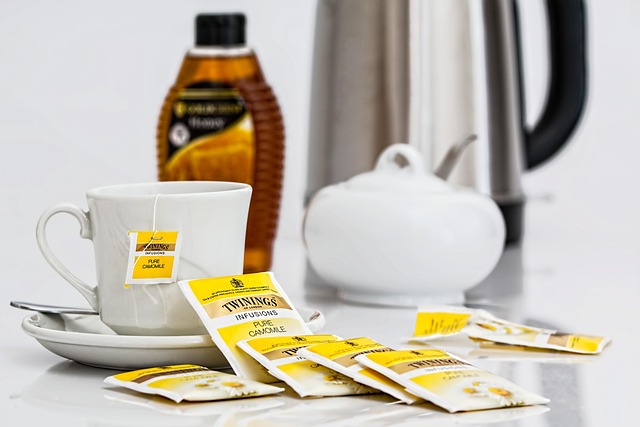
The concept of using herbal teas for "detoxification" is a popular wellness practice, often promoted for cleansing the body of toxins, supporting weight loss, or improving energy. From a clinical perspective, it is essential to understand what this term implies and the evidence behind it. The human body possesses highly efficient, intrinsic detoxification systems—primarily the liver, kidneys, gastrointestinal tract, and skin. The premise of most herbal detox protocols is to support or enhance these natural processes through specific botanical compounds.
Common herbs found in these teas include dandelion root, milk thistle, ginger, peppermint, senna, and cascara sagrada. Their proposed mechanisms vary:
- Diuretic effects (e.g., dandelion): May increase urine output.
- Choleretic effects (e.g., milk thistle): May promote bile flow from the liver.
- Laxative effects (e.g., senna): Stimulate bowel movements.
- Anti-inflammatory or antioxidant support (e.g., ginger, turmeric).
It is crucial to distinguish between strong scientific evidence and traditional or preliminary support. For instance, while milk thistle (silymarin) has robust evidence for protecting the liver in certain conditions like alcoholic liver disease, evidence for its role in a general "detox" for healthy individuals is limited. Similarly, the efficacy of most multi-herb "detox teas" for eliminating undefined "toxins" is not substantiated by high-quality clinical trials.
Clinical Perspective: In practice, clinicians view these protocols with caution. The perceived benefits, such as feeling "lighter" or less bloated, are often due to increased fluid intake, dietary changes that accompany the protocol, or the laxative effect of certain herbs. These are temporary physiological changes, not evidence of systemic detoxification. The term "toxin" itself is rarely defined in marketing, which is a significant red flag from an evidence-based standpoint.
Certain individuals should exercise particular caution or avoid self-administering herbal detox teas without consulting a healthcare provider. This includes:
- Individuals with kidney or liver disease.
- Those who are pregnant or breastfeeding.
- People on multiple medications, due to risk of herb-drug interactions.
- Anyone with a history of electrolyte imbalances or eating disorders.
This chapter sets the stage for a detailed, objective examination of common mistakes within these protocols. Understanding the foundational concepts and evidence gaps is the first step in engaging with herbal detox practices in a safe and informed manner.
2. Evidence and Mechanisms Behind Herbal Detox Teas

The term "detox" in popular wellness culture is often vague and unscientific. From a clinical perspective, the body's primary detoxification organs—the liver, kidneys, gastrointestinal tract, and skin—are highly efficient without external aids. Therefore, the evidence for "herbal detox teas" must be evaluated based on the specific physiological actions of their ingredients, not on a broad, unproven concept of systemic cleansing.
Many herbs in these blends contain bioactive compounds with studied mechanisms. The evidence for their efficacy and safety varies significantly:
- Diuretic Effects (e.g., Dandelion, Parsley): These herbs can promote urine output. While this may create a temporary feeling of "flushing," it primarily leads to water and electrolyte loss, not the removal of stored toxins. The evidence for their long-term benefit in detoxification is lacking, and they pose risks for individuals with kidney issues or on certain medications like diuretics or lithium.
- Hepatoprotective & Choleretic Effects (e.g., Milk Thistle, Turmeric): Some compounds, like silymarin in milk thistle, have demonstrated antioxidant and anti-inflammatory properties in cell and animal studies, suggesting potential support for liver cell membranes. Human clinical trials show mixed results, often for specific liver conditions like alcoholic hepatitis, not for general "detox" in healthy individuals.
- Laxative Effects (e.g., Senna, Cascara Sagrada): These stimulant laxatives are the most problematic common ingredients. They work by irritating the colon lining to induce bowel movements. Regular use can lead to dependency, electrolyte imbalances, and impaired colon function. They do not selectively remove toxins; they cause the loss of water, minerals, and gut microbiota.
Clinical Perspective: A clinician views these teas not as detoxifiers but as combinations of pharmacologically active substances. The primary concern is the lack of standardization, unknown interactions with prescription drugs (via cytochrome P450 enzyme pathways), and the potential for hepatotoxicity or nephrotoxicity from certain herbs or contaminants. The perceived "effect" is often due to diuresis or laxation, which can be dehydrating and harmful.
In summary, the mechanisms are often real but misinterpreted. Strong evidence supports specific herbal compounds for targeted uses in medical contexts (e.g., peppermint oil for IBS). However, evidence for their combined use in "detox" protocols is very limited, preliminary, or non-existent. Individuals with pre-existing liver or kidney conditions, those who are pregnant or breastfeeding, and anyone on chronic medications should consult a physician before using any herbal detox tea.
3. Risks and Populations at Higher Risk

While many herbal teas are consumed safely, the concept of a "detox protocol" often involves higher doses, specific combinations, and prolonged use, which can introduce significant risks. The primary dangers are not from the herbs themselves per se, but from their pharmacological interactions, variable potency, and inappropriate application to vulnerable individuals.
The most well-documented risk is herb-drug interactions. Many herbs can induce or inhibit liver enzymes responsible for metabolizing prescription medications, altering their blood levels. For example:
- St. John's Wort is a potent inducer of cytochrome P450 enzymes and P-glycoprotein, which can drastically reduce the efficacy of antidepressants, birth control pills, blood thinners (like warfarin), and many other drugs.
- Senna and Cascara Sagrada (common in "cleansing" teas) are stimulant laxatives. Chronic use can lead to electrolyte imbalances, dehydration, and laxative dependency, potentially worsening constipation long-term.
- Licorice Root can cause potassium loss and sodium retention, leading to high blood pressure and edema, which is particularly dangerous for individuals with heart or kidney conditions.
Furthermore, the supplement industry is not tightly regulated for purity and potency in many regions. Contamination with heavy metals, pesticides, or even undisclosed pharmaceutical agents is a documented concern, making the exact dose and content of any herbal product uncertain.
Certain populations are at substantially higher risk and should exercise extreme caution or completely avoid herbal detox protocols without direct medical supervision:
- Individuals on Prescription Medications: Especially those for chronic conditions (cardiovascular disease, diabetes, epilepsy, mental health disorders, organ transplantation).
- Pregnant or Breastfeeding Women: Many herbs can cross the placenta or enter breast milk, with unknown or potentially harmful effects on fetal and infant development.
- People with Pre-existing Liver or Kidney Disease: These organs are responsible for processing and eliminating compounds; impairing their function with herbal metabolites can cause acute injury.
- Those with a History of Eating Disorders: Detox protocols can reinforce restrictive eating patterns and unhealthy relationships with food.
- Individuals Preparing for Surgery: Herbs can affect bleeding risk (e.g., ginkgo, garlic) or interact with anesthesia.
The responsible takeaway is that while occasional herbal tea consumption is low-risk for most healthy adults, structured "detox protocols" carry measurable hazards. Consulting a physician or a qualified pharmacist for a review of all supplements and medications is a critical safety step before beginning any such regimen.
4. Practical Guidelines to Avoid Mistakes
Adopting a more deliberate and evidence-informed approach to herbal tea consumption can help you avoid common pitfalls while supporting your health goals. The following guidelines are designed to promote safety and efficacy.
1. Prioritize Quality and Source Verification
Not all herbal teas are created equal. Contaminants like pesticides, heavy metals, or misidentified plant species pose real risks. To mitigate this:
- Choose Reputable Brands: Opt for companies that provide transparency through third-party testing (e.g., for heavy metals, microbial contamination) and clearly list ingredients.
- Understand the Plant Part: Different parts of a plant (root, leaf, flower) have varying concentrations of active compounds and effects.
- Avoid "Proprietary Blends" with Dosage Ambiguity: If a blend does not list the exact quantity of each herb, it is impossible to assess potency or potential interactions.
2. Adopt a "Start Low, Go Slow" Philosophy
Herbs are pharmacologically active. A common mistake is immediately consuming large, frequent doses. Instead:
- Begin with a single cup per day to assess tolerance.
- Observe for any adverse effects (e.g., gastrointestinal upset, allergic reactions, headaches) for several days before considering a gradual increase.
- Limit continuous use of any single herb to 2-3 weeks unless under professional guidance, to prevent unintended chronic exposure or tolerance development.
Clinical Insight: From a pharmacokinetic perspective, the compounds in herbal teas can have cumulative effects. What seems benign on day one may lead to enzyme induction/inhibition or subtle organ stress over weeks. This "start low, go slow" approach is a fundamental principle of clinical phytotherapy.
3. Integrate, Don't Isolate
Viewing herbal tea as a standalone "detox" intervention is a conceptual error. The evidence for most detox teas is limited and often conflates the benefits of hydration and mild plant compounds with systemic purification. For meaningful health support:
- Use herbal tea as a component of a balanced lifestyle that includes adequate nutrition, sleep, and physical activity.
- Select teas for specific, evidence-supported purposes (e.g., peppermint for occasional digestive discomfort, chamomile for relaxation) rather than vague "cleansing."
4. Conduct a Pre-Use Safety Review
This critical step is often overlooked. Before introducing any new herbal tea:
- Review Medications: Many herbs interact with pharmaceuticals (e.g., St. John's Wort, senna, licorice root). Consult a pharmacist or physician.
- Consider Personal Health Status: Individuals who are pregnant, breastfeeding, have liver or kidney conditions, or have a history of hormone-sensitive cancers or eating disorders should exercise extreme caution and seek medical advice first.
- Research the Specific Herb: Rely on authoritative sources like the National Institutes of Health (NIH) databases for information on known effects and toxicities.
By applying these practical guidelines, you shift from a risky, generic "detox" mindset to a nuanced, safety-first practice of herbal use. The strongest evidence supports using simple, single-herb teas for mild symptom management within a broader context of healthy habits.
5. Safety First: When to Consult a Healthcare Professional

While herbal teas are often perceived as benign, their bioactive compounds can have significant pharmacological effects. A foundational principle of clinical practice is that any substance with the potential to affect physiology also carries the potential for harm, particularly when used without appropriate guidance. The decision to consult a healthcare professional is not a sign of overcaution but a critical step in risk mitigation.
Certain individuals should always seek medical advice before initiating any herbal detox protocol. This is non-negotiable for those with pre-existing medical conditions, as herbs can exacerbate underlying issues or interact with disease processes.
- Chronic Conditions: Individuals with kidney disease, liver disease (e.g., hepatitis, cirrhosis), autoimmune disorders, or cardiovascular conditions (e.g., hypertension, arrhythmia) are at heightened risk. Some herbs can be hepatotoxic, nephrotoxic, or alter electrolyte balance and blood pressure.
- Medication Use: Those on prescription or over-the-counter medications, especially anticoagulants (e.g., warfarin), immunosuppressants, chemotherapy, antidiabetic drugs, or thyroid medication, risk dangerous herb-drug interactions that can diminish efficacy or cause toxicity.
- Pregnancy and Lactation: Many herbs commonly used in detox teas (e.g., senna, cascara sagrada, certain essential oils) are contraindicated due to risks of uterine stimulation or transfer to breast milk.
- History of Eating Disorders: Detox protocols, with their focus on purification and restriction, can trigger relapse and reinforce harmful behavioral patterns.
Clinical Perspective: From a medical standpoint, the term "detox" is problematic. The human liver and kidneys are highly efficient at endogenous detoxification. The evidence supporting herbal teas for enhancing this process is largely preliminary, relying on in vitro studies or short-term human trials with mixed results. A clinician's primary concern is not the purported benefit but the potential for unanticipated adverse effects, particularly in vulnerable populations. A consultation allows for a personalized risk-benefit analysis based on your full health history.
If you experience any adverse symptoms after starting a herbal tea regimen—such as gastrointestinal distress, allergic reactions (rash, swelling), palpitations, dizziness, or changes in urine/output—discontinue use immediately and consult a physician. Responsible self-care involves recognizing the limits of self-prescription and understanding when expert guidance is essential for safety.
6. Questions & Expert Insights
Can herbal teas really "detox" my body?
The concept of a "detox" is often misunderstood. Your body has highly efficient, built-in detoxification systems—primarily your liver, kidneys, lungs, and skin. The evidence supporting the idea that specific herbal teas can enhance or accelerate these natural processes beyond their normal function is generally weak or preliminary. Some herbs, like dandelion or milk thistle, have been studied for potential hepatoprotective (liver-protecting) properties, but this is not the same as "flushing" toxins. The perceived benefits of a "detox tea" protocol, such as improved digestion or energy, are more likely attributable to increased fluid intake, reduced consumption of processed foods, and the placebo effect, rather than a true detoxification event. It's important to approach such claims with a critical eye.
What are the main risks or side effects of intensive herbal tea cleanses?
Intensive or prolonged use of herbal teas for cleansing carries several clinically significant risks. First, many "detox" teas contain potent herbal laxatives (e.g., senna, cascara sagrada). Overuse can lead to dehydration, electrolyte imbalances (like low potassium), and dependency, damaging the colon's natural ability to contract. Second, herbs are pharmacologically active and can interact with prescription medications, such as blood thinners, antidepressants, or diabetes drugs, altering their effectiveness. Third, some herbs may be hepatotoxic (liver-damaging) in susceptible individuals or at high doses. Finally, these protocols can inadvertently promote disordered eating patterns by framing food as "toxic" and encouraging restrictive cycles.
Who should absolutely avoid herbal detox tea protocols?
Certain populations should avoid these protocols entirely due to elevated risk. This includes:
- Pregnant or breastfeeding individuals: Many herbs are contraindicated due to a lack of safety data and potential effects on uterine tone or the infant.
- Individuals with kidney or liver disease: Their impaired filtration and metabolic capacity increase vulnerability to herb-induced injury or electrolyte shifts.
- Those on multiple medications (polypharmacy): High risk for herb-drug interactions.
- People with a history of eating disorders: The restrictive and purgative nature can trigger relapse.
- Individuals with gastrointestinal disorders like IBD, IBS, or gastritis, as herbs can exacerbate inflammation.
When should I talk to my doctor about a detox plan, and what should I bring?
You should consult a physician or a registered dietitian before starting any herbal detox protocol, especially if you have any chronic health conditions or take medications. Come to the appointment prepared to have a productive conversation. Bring:
- A complete list of all supplements and herbs you're considering, including brand names and intended dosages.
- Your full medication list, including over-the-counter drugs.
- A clear description of your health goals (e.g., "I feel bloated and want more energy," not just "I want to detox").
- Any product labels or ingredient lists from the teas.
7. In-site article recommendations
8. External article recommendations
9. External resources
The links below point to reputable medical and evidence-based resources that can be used for further reading. Always interpret them in the context of your own situation and your clinician’s advice.
-
healthline healthline.comherbal tea detox – Healthline (search)
-
mayoclinic mayoclinic.orgherbal tea detox – Mayo Clinic (search)
-
wikipedia wikipedia.orgherbal tea detox – Wikipedia (search)
These external resources are maintained by third-party organisations. Their content does not represent the editorial position of this site and is provided solely to support readers in accessing additional professional information.