
1. Introduction to GLP-1 Receptor Agonists: Clinical Context
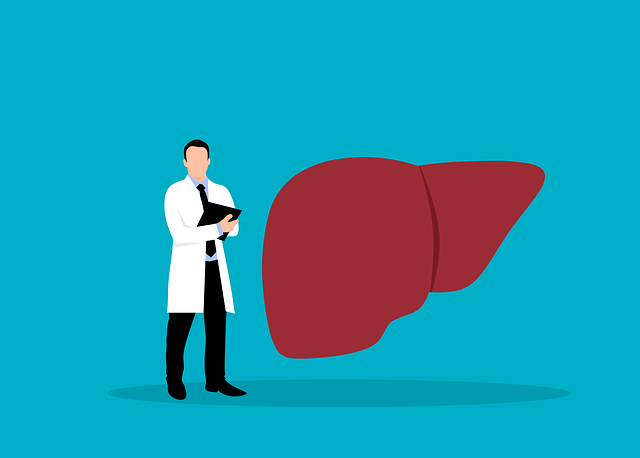
Glucagon-like peptide-1 receptor agonists (GLP-1 RAs) are a class of injectable medications that have fundamentally altered the therapeutic landscape for type 2 diabetes and, more recently, chronic weight management. Their development is rooted in understanding the body's own incretin hormones, which are released after eating and stimulate insulin secretion, suppress glucagon release, slow gastric emptying, and promote satiety.
From a clinical perspective, GLP-1 RAs are not a monolith. They are a diverse group with significant differences in pharmacokinetics, dosing, and approved indications. Clinicians choose from options including:
- Short-acting agents (e.g., exenatide twice-daily, lixisenatide), which primarily affect postprandial glucose via gastric emptying.
- Long-acting agents (e.g., liraglutide, semaglutide, dulaglutide), which provide sustained 24-hour coverage and have demonstrated more potent effects on fasting glucose and body weight.
The evidence supporting their use is robust in specific areas. For type 2 diabetes, numerous large-scale cardiovascular outcomes trials (CVOTs) have proven that certain GLP-1 RAs (liraglutide, semaglutide, dulaglutide) not only improve glycemic control but also reduce the risk of major adverse cardiovascular events (MACE) in patients with established cardiovascular disease or high risk. For obesity, high-dose semaglutide and liraglutide are supported by extensive randomized controlled trials showing sustained, significant weight reduction when combined with lifestyle intervention.
Clinical Perspective: The decision to initiate a GLP-1 RA is nuanced. It involves evaluating the patient's specific cardiometabolic risk profile, treatment goals (glycemic control vs. weight loss vs. cardioprotection), comorbidities, and cost/access considerations. They are not first-line for all patients and are part of a comprehensive management plan.
However, it is critical to distinguish between strongly evidenced benefits and areas where data is more preliminary or mixed. While cardiovascular benefit is clear in high-risk populations, the magnitude of benefit for other outcomes (e.g., renal protection, NASH resolution) requires further long-term confirmation. Furthermore, the dramatic weight loss seen in clinical trials occurs in a controlled setting; real-world adherence and long-term maintenance (beyond 2-3 years) are active areas of research.
Individuals with a personal or family history of medullary thyroid carcinoma (MTC) or Multiple Endocrine Neoplasia syndrome type 2 (MEN 2) should not use these medications due to a boxed warning. Patients with a history of pancreatitis, severe gastroparesis, or gallbladder disease should be approached with caution, and a discussion with an endocrinologist or primary care physician is essential before initiation.
2. Evidence and Mechanisms of Action

GLP-1 receptor agonists (GLP-1 RAs) are a class of medications whose therapeutic effects are grounded in well-established physiological mechanisms. Their primary action is to mimic the natural incretin hormone, glucagon-like peptide-1 (GLP-1), which is released from the gut in response to food intake. This leads to several key effects that underpin their use in type 2 diabetes and obesity management.
The evidence for these core mechanisms is robust and supported by extensive clinical trials:
- Glucose-Dependent Insulin Secretion: GLP-1 RAs stimulate the pancreas to release insulin only when blood glucose levels are elevated. This glucose-dependent action significantly lowers the risk of hypoglycemia compared to older diabetes medications like sulfonylureas.
- Suppression of Glucagon: They inhibit the secretion of glucagon, a hormone that raises blood sugar, particularly after meals.
- Delayed Gastric Emptying: By slowing the rate at which food leaves the stomach, these medications promote early satiety and reduce postprandial blood glucose spikes. This mechanism is a primary driver of the weight loss effect.
- Central Appetite Regulation: GLP-1 receptors are present in the brain's appetite centers. Activation of these receptors directly reduces hunger and food intake, contributing to sustained weight management.
While the evidence for these primary mechanisms is strong, the evidence for some of their newer, celebrated benefits—particularly cardiovascular and renal protection—is more nuanced. Large cardiovascular outcome trials (CVOTs) have demonstrated significant reductions in major adverse cardiovascular events (MACE) for specific agents like liraglutide, semaglutide, and dulaglutide in patients with established cardiovascular disease or high risk. However, the magnitude of benefit and the precise mechanisms (e.g., direct vascular effects vs. secondary benefits from weight and glucose lowering) are still areas of active research.
Clinical Perspective: The efficacy of GLP-1 RAs is not uniform. Individual response to weight loss and glycemic control can vary considerably. Furthermore, the delayed gastric emptying effect, while beneficial for satiety, is directly linked to the common gastrointestinal side effects (nausea, vomiting, diarrhea) that many patients experience, especially during dose escalation. Understanding this direct mechanistic link is crucial for both patient counseling and managing expectations.
Patients with a personal or family history of medullary thyroid carcinoma (MTC) or Multiple Endocrine Neoplasia syndrome type 2 (MEN 2) should not use GLP-1 RAs due to a documented risk of thyroid C-cell tumors in rodent studies. Anyone with a history of pancreatitis should also approach this therapy with caution and only under close specialist supervision, as the evidence regarding pancreatitis risk in humans remains mixed and requires careful individual risk assessment.
3. Specific Risks and Populations to Avoid

While GLP-1 receptor agonists (e.g., semaglutide, liraglutide) are effective for weight management and type 2 diabetes, their use is not universally appropriate. A thorough pre-treatment assessment is crucial to identify individuals for whom the risks may outweigh the benefits.
Populations Requiring Heightened Caution or Avoidance
Certain patient groups should generally avoid GLP-1 agonists or use them only under very close specialist supervision:
- Personal or Family History of Medullary Thyroid Carcinoma (MTC): GLP-1 agonists are contraindicated in patients with a personal or family history of MTC. This is based on rodent studies showing an increased risk of thyroid C-cell tumors; the clinical relevance in humans remains uncertain but is a firm safety precaution.
- History of Multiple Endocrine Neoplasia syndrome type 2 (MEN 2): Similarly contraindicated due to the associated risk of MTC.
- History of Severe Gastrointestinal Disease: Given the high incidence of nausea, vomiting, diarrhea, and constipation, these drugs can exacerbate conditions like gastroparesis, severe gastroesophageal reflux disease (GERD), inflammatory bowel disease (IBD), or pancreatitis. A prior episode of pancreatitis is a relative contraindication.
- Patients with a History of Diabetic Retinopathy: Some large cardiovascular outcome trials noted a signal of increased risk for diabetic retinopathy complications, particularly with rapid improvement in glycemic control. Patients with pre-existing retinopathy require careful ophthalmologic monitoring.
Populations Requiring Careful Risk-Benefit Evaluation
For others, use requires a nuanced, individualized approach:
- Elderly Patients and Those with Renal Impairment: Dehydration from GI side effects can precipitate acute kidney injury. Dose adjustment or avoidance may be necessary in moderate to severe chronic kidney disease (CKD).
- Patients with a History of Eating Disorders: The potent appetite-suppressing effects can potentially trigger or worsen disordered eating patterns. Prescribing requires extreme caution and often collaboration with a mental health specialist.
- Individuals on Complex Medication Regimens: GLP-1 agonists delay gastric emptying, which can alter the absorption of other oral medications, including certain contraceptives and critical drugs like warfarin. Dosing schedules may need adjustment.
- Pregnancy and Breastfeeding: Data are limited. These agents are not recommended during pregnancy, and women of childbearing potential should use effective contraception. Their use during lactation is generally avoided due to unknown excretion in breast milk.
Clinical Insight: The decision to initiate a GLP-1 agonist extends beyond BMI or HbA1c. A comprehensive history focusing on thyroid, pancreatic, gastrointestinal, and psychiatric health is non-negotiable. The most common reason for discontinuation is intolerable GI effects, which are not merely "nuisance" symptoms but can lead to serious dehydration and malnutrition, especially in vulnerable populations. Always consider the patient's full clinical picture, not just the metabolic parameters.
Ultimately, a candid discussion with a physician about personal and family medical history is essential before considering this class of medication. What is a transformative therapy for one individual may pose unacceptable risks for another.
4. Practical and Balanced Patient Guidance

GLP-1 receptor agonists (e.g., semaglutide, tirzepatide) are powerful tools for managing type 2 diabetes and obesity. However, their effective and safe use requires a proactive, informed, and collaborative approach with your healthcare team. This guidance is designed to help you navigate treatment with greater awareness and confidence.
Core Principles for Safe and Effective Use
Adherence to these principles can significantly mitigate risks and improve outcomes:
- Initiate Treatment Under Supervision: These are prescription-only medications. A qualified healthcare provider must assess your suitability, determine the correct starting dose, and establish a titration schedule to minimize gastrointestinal side effects.
- Prioritize Nutritional Quality: The appetite suppression can lead to inadequate nutrient intake. Focus on consuming sufficient protein, fiber, vitamins, and minerals. A registered dietitian can be an invaluable partner in creating a sustainable, nutrient-dense eating plan to prevent muscle loss and malnutrition.
- Commit to Regular Monitoring: Schedule and attend all recommended follow-up appointments. Your provider needs to monitor for efficacy, adjust doses, and screen for potential adverse effects like changes in pancreatic enzymes, gallbladder function, or kidney parameters.
- Hydrate Diligently: Nausea and reduced fluid intake increase dehydration risk, which can stress the kidneys. Aim for consistent, adequate water intake throughout the day.
Clinical Insight: The most successful outcomes I see are from patients who view GLP-1 therapy as one component of a holistic health strategy, not a standalone solution. The medication creates an opportunity to build sustainable habits around nutrition, physical activity (including resistance training to preserve lean mass), and sleep. Patients who engage with this comprehensive approach often maintain better results, even if medication is later adjusted or discontinued.
Critical Questions for Your Healthcare Provider
Being an engaged patient means asking informed questions. Consider discussing the following at your appointments:
- What are the specific signs of pancreatitis or gallbladder issues I should watch for?
- How will we monitor my kidney function, and are my current medications (e.g., diuretics, NSAIDs) a concern?
- What is the long-term plan? Is this intended for indefinite use, or is there a maintenance strategy?
- How should I manage the medication if I become ill or cannot eat?
Who Should Exercise Particular Caution?
While contraindications are absolute (e.g., personal or family history of medullary thyroid carcinoma, pregnancy), certain conditions warrant extra vigilance and necessitate a thorough pre-treatment discussion with a specialist:
- History of pancreatitis, gallstones, or severe gastrointestinal disease.
- Moderate to severe kidney impairment.
- A personal or family history of multiple endocrine neoplasia syndrome type 2 (MEN 2).
- Patients with a history of diabetic retinopathy, as rapid improvement in blood glucose has been associated with transient worsening in some major trials.
- Those with a history of an eating disorder, as the medication's potent appetite effects could potentially disrupt a fragile recovery.
Ultimately, the benefits of GLP-1 therapy can be substantial, but they are maximized and risks are minimized through partnership, education, and a commitment to overall health beyond the injection itself.
5. Safety Protocols and When to Consult a Physician
While GLP-1 receptor agonists are powerful tools for managing type 2 diabetes and obesity, their safe use is contingent on established safety protocols and timely medical consultation. A proactive, informed approach is essential to mitigate risks.
Essential Safety Protocols
Adhering to these core practices can significantly enhance safety and efficacy:
- Dose Titration: Always follow the prescribed dose-escalation schedule. Starting at the lowest dose and gradually increasing it over weeks allows your body to adjust, minimizing gastrointestinal side effects like nausea and vomiting.
- Injection Site Rotation: Inject into different areas (abdomen, thigh, or upper arm) with each dose to prevent lipohypertrophy (lumpy skin under the skin), which can affect drug absorption.
- Hydration and Nutrient Awareness: These medications promote satiety and can slow gastric emptying. Prioritize adequate fluid intake and focus on nutrient-dense, smaller meals to prevent dehydration and ensure proper nutrition.
- Concomitant Medication Review: Inform all your healthcare providers about your GLP-1 use. Dosages of other medications, particularly insulin or sulfonylureas for diabetes, often need adjustment to prevent hypoglycemia.
Clinical Insight: The most common protocol failure I see in practice is patients skipping the slow titration to reach a "therapeutic dose" faster. This almost invariably leads to severe GI intolerance, dehydration, and discontinuation. Patience during the initiation phase is a critical component of long-term success.
When to Consult Your Physician Immediately
While routine follow-ups are scheduled, certain symptoms warrant prompt medical evaluation. Contact your doctor if you experience:
- Persistent, severe abdominal pain, with or without vomiting, which could indicate pancreatitis.
- Symptoms of gallbladder disease, such as pain in the upper right abdomen, fever, or jaundice (yellowing of skin or eyes).
- Signs of kidney problems: significant reduction in urination, swelling in legs/ankles, or unexplained fatigue.
- Symptoms of a severe allergic reaction: rash, itching, dizziness, rapid heartbeat, or difficulty breathing.
- Severe, persistent nausea, vomiting, or diarrhea leading to dehydration (dark urine, dizziness, extreme thirst).
Who Should Exercise Particular Caution?
Individuals with the following conditions require a thorough risk-benefit discussion with a specialist before initiation and vigilant monitoring thereafter:
- Personal or Family History of Medullary Thyroid Carcinoma (MTC) or Multiple Endocrine Neoplasia syndrome type 2 (MEN 2): GLP-1 agonists are contraindicated due to tumor risk observed in rodent studies.
- History of Pancreatitis: Use may be considered with extreme caution and close monitoring.
- Severe Gastrointestinal Disease: Including gastroparesis, inflammatory bowel disease, or a history of major GI surgery.
- Pregnancy, Breastfeeding, or Planning Pregnancy: The safety profile is not well-established; a discussion about alternative management is essential.
Ultimately, GLP-1 therapy is a partnership between patient and clinician. Open communication about all symptoms and concerns is the most important safety protocol of all.
6. Questions & Expert Insights
Is it true that GLP-1 medications can cause serious gastrointestinal side effects?
Yes, gastrointestinal (GI) side effects are the most commonly reported adverse events with GLP-1 receptor agonists like semaglutide and liraglutide. These include nausea, vomiting, diarrhea, and constipation. While often mild to moderate and transient, they can be severe and persistent in some individuals, leading to dehydration or discontinuation of therapy. The mechanism is directly related to the drugs' action of slowing gastric emptying and affecting central appetite centers. It's crucial to follow the recommended dose-escalation schedule to mitigate these effects. However, patients should report severe, unrelenting GI symptoms to their doctor, as they can occasionally be a sign of more serious conditions like pancreatitis.
Who should be especially cautious or avoid GLP-1 injections altogether?
Several patient populations require extreme caution or avoidance. Absolute contraindications include a personal or family history of medullary thyroid carcinoma (MTC) or Multiple Endocrine Neoplasia syndrome type 2 (MEN 2), due to a potential risk of thyroid C-cell tumors observed in rodent studies. Patients with a history of pancreatitis should generally avoid these drugs. Those with severe gastrointestinal disease (e.g., gastroparesis, IBD) may experience worsened symptoms. Caution is also advised in patients with diabetic retinopathy (due to potential progression noted in some trials), severe renal impairment, or a history of hypoglycemia when used with insulin or sulfonylureas. Pregnant or breastfeeding individuals should not use them due to a lack of safety data.
What are the real, evidence-based risks for the pancreas and gallbladder?
The evidence presents a nuanced picture. For the pancreas, post-marketing data and some trials have reported acute pancreatitis. While the absolute risk is low, it is a serious concern. Symptoms include severe, persistent abdominal pain radiating to the back. The causal relationship remains debated, as obesity and type 2 diabetes themselves are risk factors for pancreatitis. For the gallbladder, there is clearer evidence of an increased risk of gallstone disease and cholecystitis, likely related to rapid weight loss and altered gallbladder motility. Large outcome trials like SELECT showed a statistically significant increase in gallbladder-related events. Patients should be aware of symptoms like right upper quadrant pain, fever, or jaundice.
When should I talk to my doctor, and what information should I prepare for that visit?
Initiate a conversation with your doctor before starting treatment and for any persistent or severe new symptoms. Schedule an appointment specifically if you experience: severe abdominal pain, symptoms of gallstones, persistent vomiting, signs of hypoglycemia (confusion, dizziness, sweating), or vision changes. Before your visit, prepare a concise summary: 1) Your complete medical history, including personal/family history of thyroid cancer, pancreatitis, or gallbladder disease. 2) A full list of all medications and supplements. 3) A log of any symptoms (onset, frequency, severity). 4) Your specific goals for the therapy. This preparation allows for a efficient, risk-aware discussion about whether a GLP-1 agonist is appropriate for you and how to monitor for potential complications.
7. In-site article recommendations
8. External article recommendations
9. External resources
The links below point to reputable medical and evidence-based resources that can be used for further reading. Always interpret them in the context of your own situation and your clinician’s advice.
-
wikipedia wikipedia.orgGLP-1 injections – Wikipedia (search)
-
healthline healthline.comGLP-1 injections – Healthline (search)
-
mayoclinic mayoclinic.orgGLP-1 injections – Mayo Clinic (search)
These external resources are maintained by third-party organisations. Their content does not represent the editorial position of this site and is provided solely to support readers in accessing additional professional information.