
1. Introduction to Supplement-Pharmaceutical Interactions
In modern healthcare, the concurrent use of dietary supplements and prescription medications is a common, yet often under-recognized, clinical scenario. Many individuals adopt supplements to support general wellness or address specific health concerns, operating under the assumption that "natural" equates to "safe" or "inert." This chapter establishes a foundational understanding of how these products can significantly alter the efficacy and safety of pharmaceutical aids, a phenomenon known as supplement-pharmaceutical interaction.
An interaction occurs when a supplement modifies a drug's pharmacokinetics (how the body absorbs, distributes, metabolizes, and excretes it) or its pharmacodynamics (the drug's effect on the body). The clinical consequences can be twofold:
- Reduced Therapeutic Efficacy: An interaction may lower the drug's concentration or block its action, rendering treatment ineffective. This can lead to disease progression or treatment failure.
- Increased Risk of Adverse Effects or Toxicity: Conversely, an interaction can potentiate a drug's effect, leading to dangerously high levels and an elevated risk of side effects or organ damage.
The evidence base for these interactions varies. Some are well-documented through clinical trials, pharmacokinetic studies, and established case reports—for instance, the potent interaction between St. John's wort and numerous drugs, including antidepressants, anticoagulants, and immunosuppressants. Other potential interactions are suggested by mechanistic data (e.g., shared metabolic pathways) or preliminary reports but lack extensive clinical confirmation. This uncertainty necessitates a precautionary approach.
Clinical Perspective: From a clinician's standpoint, a patient's supplement regimen is a critical component of the medication review. Supplements are pharmacologically active compounds. Their potential to induce or inhibit cytochrome P450 enzymes or drug transporters in the liver and gut is a primary mechanism for pharmacokinetic interactions, directly impacting blood levels of co-administered pharmaceuticals.
Certain populations are at heightened risk and should exercise particular caution. This includes individuals managing chronic conditions like cardiovascular disease, epilepsy, organ transplantation, or mental health disorders, as well as those on medications with a narrow therapeutic index—drugs where a small change in dose can lead to significant toxicity or loss of effect. Older adults and those with compromised liver or kidney function are also more vulnerable due to altered drug metabolism and clearance.
The following chapters will detail specific, common interactions. However, the universal takeaway is clear: disclosing all supplement use—including vitamins, minerals, herbs, and other botanicals—to your physician and pharmacist is a non-negotiable step for safe and effective pharmacotherapy.
2. Mechanisms and Evidence Behind Common Interactions
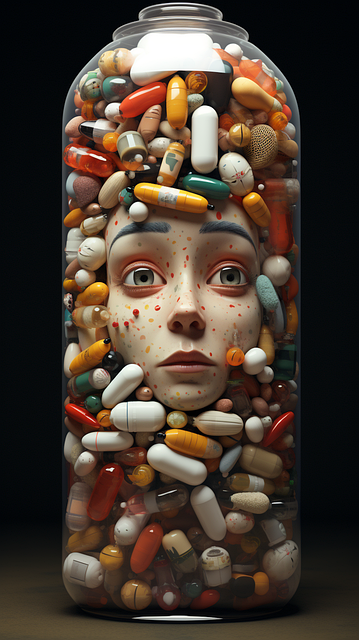
Understanding the biological mechanisms behind supplement-drug interactions is crucial for assessing risk. These interactions typically occur through two primary pathways: pharmacokinetics (how the body processes a substance) and pharmacodynamics (how a substance affects the body).
Pharmacokinetic Interactions
These involve changes in the absorption, distribution, metabolism, or excretion of a pharmaceutical drug.
- Enzyme Induction/Inhibition: The most clinically significant mechanism. Many supplements can induce or inhibit cytochrome P450 (CYP) enzymes in the liver. For example, St. John's Wort is a potent inducer of CYP3A4, dramatically increasing the metabolism and reducing the blood levels of drugs like warfarin, digoxin, and many antidepressants, rendering them ineffective.
- Altered Absorption: Minerals like calcium, magnesium, and iron can bind to certain antibiotics (e.g., tetracyclines, fluoroquinolones) in the gut, forming insoluble complexes that prevent drug absorption. Taking these supplements and drugs hours apart is often necessary.
Pharmacodynamic Interactions
These occur when the supplement and drug have additive, synergistic, or opposing effects on the same physiological system.
- Additive Effects: Combining anticoagulant/antiplatelet drugs (e.g., warfarin, aspirin) with supplements like fish oil, vitamin E, or garlic can significantly increase the risk of bleeding. The evidence for this interaction is strong and well-documented in clinical case reports.
- Antagonistic Effects: Some supplements may directly oppose a drug's intended action. For instance, high-dose antioxidant supplements (e.g., vitamins C and E) might theoretically interfere with the oxidative mechanisms of some chemotherapy agents, though the clinical evidence for this is mixed and highly context-dependent.
Clinical Perspective: The strength of evidence varies. Interactions like St. John's Wort with CYP3A4 substrates or minerals with antibiotics are strongly supported. Others, like specific herb-chemotherapy interactions, may be based on theoretical concerns or preliminary data. Patients on medications with a narrow therapeutic index (e.g., warfarin, seizure medications, immunosuppressants) or those with significant liver/kidney impairment should be exceptionally cautious and must consult their physician or pharmacist before starting any new supplement.
3. Risk Assessment and Contraindicated Populations
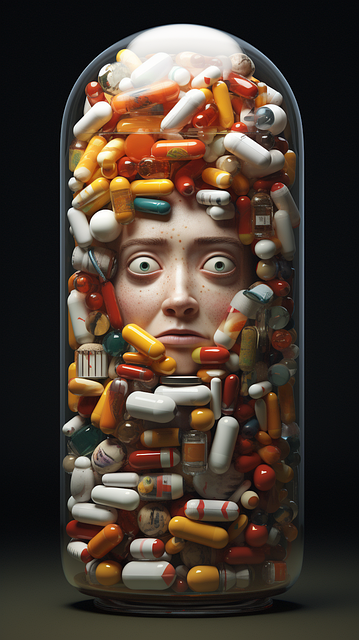
Understanding the risk of supplement-drug interactions requires a systematic assessment that goes beyond a simple list of substances to avoid. A clinically responsible approach involves evaluating individual patient factors, the pharmacokinetic and pharmacodynamic properties of the substances involved, and the quality of the evidence for the interaction.
The highest-risk scenarios typically involve supplements that affect the same physiological pathways as pharmaceutical drugs, leading to additive, synergistic, or antagonistic effects. Key mechanisms include:
- Enzyme Modulation: Many herbs (e.g., St. John’s wort, goldenseal) and nutrients can induce or inhibit cytochrome P450 enzymes, drastically altering drug metabolism and plasma levels.
- Pharmacodynamic Overlap: Concurrent use of agents with similar effects, such as anticoagulants (warfarin) with garlic, ginkgo, or high-dose vitamin E, can dangerously increase bleeding risk.
- Altered Absorption or Excretion: Minerals like calcium, magnesium, and iron can bind to drugs (e.g., tetracyclines, levothyroxine, bisphosphonates) in the gut, while others can affect renal clearance.
Clinical Insight: The evidence for many supplement interactions is derived from case reports, in vitro studies, or theoretical models, which signal potential risk but do not quantify it for all populations. High-quality, controlled human trials are often lacking. Therefore, a precautionary principle is applied in clinical practice: if a credible mechanistic risk exists, it is prudent to avoid the combination unless monitoring is in place.
Certain populations are at significantly heightened risk and should be considered contraindicated for self-managing supplement regimens alongside prescription medications without explicit medical guidance.
- Patients with Organ Dysfunction: Those with chronic kidney or liver disease have impaired clearance of both drugs and supplements, increasing the risk of toxicity and prolonged effects.
- Individuals on Narrow Therapeutic Index Drugs: This includes medications for conditions like epilepsy, thrombosis, organ transplantation, and heart arrhythmias. Small changes in drug levels can lead to therapeutic failure or severe toxicity.
- Older Adults & Those with Polypharmacy: Age-related changes in physiology and the sheer number of medications increase the complexity of interactions and the burden on metabolic pathways.
- Pregnant or Breastfeeding Individuals: Supplement safety data in these populations is extremely limited, and interactions could affect both the parent and the child.
- Patients Preparing for Surgery: Many supplements affect bleeding risk, blood pressure, and anesthesia, necessitating discontinuation weeks prior to any procedure.
A proactive risk assessment mandates a complete disclosure of all supplements—including vitamins, minerals, herbs, and probiotics—to every healthcare provider. This is the single most effective step patients can take to mitigate danger.
4. Practical Strategies for Risk Mitigation
Understanding potential supplement-drug interactions is the first step; implementing a systematic strategy to mitigate risk is the crucial next phase. A proactive, evidence-based approach can significantly reduce the chance of adverse outcomes and ensure therapeutic goals are met.
1. Maintain a Comprehensive Medication & Supplement List
Create a single, updated document listing all prescription medications, over-the-counter drugs, and dietary supplements (including vitamins, minerals, and herbal products). Note the specific dosages and frequencies. This list should be presented to every healthcare provider you consult, including your primary care physician, pharmacist, and any specialist.
2. Prioritize Pharmacist Consultation
Pharmacists are medication experts trained specifically in pharmacokinetics and drug interactions. Before starting any new supplement, especially after a medication change, consult with a pharmacist. They can access specialized databases that screen for interactions beyond common knowledge. This is a strongly recommended, evidence-supported practice.
3. Standardize Timing and Administration
For some combinations, simply separating the intake times can mitigate interaction risks. A general, clinically prudent rule is to take supplements at least 2-4 hours apart from prescription medications, unless specifically instructed otherwise by a healthcare provider. This can reduce competition for absorption sites or metabolic pathways in the gut and liver.
4. Choose Third-Party Verified Supplements
Select products that have been verified for quality and label accuracy by independent third-party organizations like U.S. Pharmacopeia (USP), NSF International, or ConsumerLab.com. This reduces the risk of undisclosed ingredients, contamination, or variable potency that could unpredictably alter an interaction.
5. Monitor for Subtle Changes
Be vigilant for non-specific symptoms that could signal an interaction, such as unexpected fatigue, bruising, gastrointestinal upset, headache, or changes in the effectiveness of your medication. Keep a simple log of any new symptoms and report them promptly to your doctor. Evidence for many supplement interactions is based on case reports and pharmacologic theory, making personal monitoring essential.
Who Should Exercise Extreme Caution?
Individuals in the following situations must consult a physician or clinical pharmacist before modifying their supplement regimen:
- Those taking narrow-therapeutic-index drugs (e.g., warfarin, digoxin, lithium, anti-seizure medications).
- Patients with significant liver or kidney impairment.
- Individuals undergoing surgery soon (many supplements affect bleeding and anesthesia).
- People managing multiple chronic conditions (polypharmacy).
The cornerstone of risk mitigation is open communication with your healthcare team. Presenting your complete supplement list enables them to make the most informed, personalized recommendations for your safety.
5. Safety Protocols and Indications for Medical Consultation
The potential for supplement-drug interactions is a significant clinical concern. While some interactions are well-documented, others are based on theoretical mechanisms or case reports. Implementing a systematic safety protocol is essential for mitigating risk. This approach is not about fostering fear but about enabling informed, collaborative healthcare.
A foundational safety protocol involves maintaining a comprehensive and current medication list. This list must include all prescription medications, over-the-counter drugs, and dietary or herbal supplements, along with their dosages. Present this list to every healthcare provider you see, including your primary care physician, pharmacist, and any specialist. Pharmacists are particularly expert resources for checking interaction databases.
- Standardize Timing: Avoid taking supplements simultaneously with prescription drugs unless specifically advised by your doctor. A general rule is to separate intake by 2-4 hours to minimize direct interaction in the gut.
- Start Low, Go Slow: When introducing a new supplement, begin with the lowest possible dose to monitor for adverse effects before gradually increasing, if necessary.
- Source Quality: Choose supplements from reputable manufacturers that adhere to Good Manufacturing Practices (GMP) and undergo third-party testing for purity and label accuracy.
Clinical Insight: From a medical perspective, the most dangerous interactions are often those that patients do not report. Many individuals do not consider "natural" supplements to be medications worth mentioning. This information gap is a primary cause of adverse events. A proactive, transparent dialogue with your care team is the single most effective protective measure.
Specific Indications for Mandatory Medical Consultation
You should consult a physician or pharmacist before starting any new supplement if you fall into one of the following categories:
- You are taking any medication for a chronic condition (e.g., cardiovascular disease, diabetes, epilepsy, depression, HIV, organ transplantation).
- You are scheduled for any surgical procedure, as some supplements can affect bleeding risk or anesthesia.
- You have impaired kidney or liver function, as these organs are critical for metabolizing both drugs and supplements.
- You are pregnant, breastfeeding, or attempting to conceive.
- You are managing a condition with a narrow therapeutic index medication (e.g., warfarin, digoxin, levothyroxine, certain anti-seizure drugs).
The evidence supporting many supplement benefits is often preliminary or mixed, while the evidence for certain harmful interactions is strong. A cautious, evidence-informed approach, guided by professional consultation, is the cornerstone of safely navigating the complex landscape of combined supplement and pharmaceutical use.
6. Questions & Expert Insights
Can I just take my supplements and medications at different times of day to avoid interactions?
While separating doses can sometimes reduce the risk of certain pharmacokinetic interactions (like competition for absorption), it is not a universally reliable strategy. Some interactions are pharmacodynamic, meaning the supplement and drug affect the same biological pathway or organ system, regardless of timing. For example, taking an anticoagulant like warfarin and a high-dose fish oil supplement both thin the blood through different mechanisms; spacing them apart does not eliminate the combined bleeding risk. Other supplements, like St. John's wort, induce liver enzymes that increase the metabolism of many drugs for days or weeks, making timing irrelevant. The safety of this approach depends entirely on the specific substances involved. You should never assume separation is safe without consulting a pharmacist or your physician, who can review the specific mechanisms at play.
Are "natural" or herbal supplements safer and less likely to interact with my prescriptions?
No, this is a dangerous misconception. The term "natural" is not synonymous with "safe" or "inert." Herbal supplements contain pharmacologically active compounds that can powerfully interact with pharmaceutical drugs. For instance, the herb kava has been associated with liver toxicity and can potentiate the effects of sedatives. Ginkgo biloba can increase bleeding risk when taken with aspirin or warfarin. Furthermore, the supplement industry is less strictly regulated than pharmaceuticals, leading to potential issues with product purity, inconsistent potency, and undisclosed ingredients that may cause unexpected interactions. A substance's origin does not determine its safety profile; its biochemical activity does.
Who is at the highest risk for experiencing a dangerous supplement-drug interaction?
Certain populations require extreme caution. Individuals on narrow-therapeutic-index drugs (e.g., warfarin, digoxin, lithium, thyroid medication) are at high risk, as even a small change in drug levels can cause serious toxicity or therapeutic failure. Older adults, especially those with reduced kidney or liver function, are more vulnerable due to altered metabolism and excretion. People with multiple chronic conditions (polypharmacy) have a geometrically increased risk of complex interactions. Those undergoing surgery should discontinue many supplements (like garlic, ginkgo, ginseng) weeks prior due to bleeding and anesthesia risks. Individuals with a history of organ transplantation (on immunosuppressants) or cancer (on chemotherapy) must avoid most supplements unless explicitly approved by their specialist.
How should I prepare for a conversation with my doctor about my supplements and medications?
Preparation is key for an efficient and safe conversation. First, bring all bottles of prescription drugs, over-the-counter medications, and dietary supplements to your appointment. Do not rely on memory. Second, create a simple list noting each product's name, dosage, frequency, and reason for use. Third, be prepared to discuss your complete medical history, including all diagnosed conditions. Frame the conversation proactively: "I want to make sure my supplement regimen is safe with my current prescriptions. Can we review everything together?" This allows your doctor or pharmacist to assess for interactions, check for duplicate ingredients, and evaluate if any supplements might be contradicting your treatment goals. If they recommend discontinuing a supplement, ask for a clear timeline and monitoring plan.
7. In-site article recommendations
8. External article recommendations
9. External resources
The links below point to reputable medical and evidence-based resources that can be used for further reading. Always interpret them in the context of your own situation and your clinician’s advice.
-
drugs drugs.comsupplement-drug interactions – Drugs.com (search)
-
mayoclinic mayoclinic.orgsupplement-drug interactions – Mayo Clinic (search)
-
healthline healthline.comsupplement-drug interactions – Healthline (search)
These external resources are maintained by third-party organisations. Their content does not represent the editorial position of this site and is provided solely to support readers in accessing additional professional information.