
1. Introduction to Detox Teas: Context and Common Claims

In the landscape of wellness products, detox teas occupy a prominent and often controversial space. Marketed as herbal infusions, these products typically contain blends of leaves, roots, and seeds purported to cleanse the body of toxins, promote weight loss, and enhance overall vitality. It is essential to approach this topic with clinical objectivity, separating popular marketing narratives from the physiological realities of human detoxification.
The core concept of "detoxification" in this context is a misapplication of a legitimate medical term. In clinical practice, detoxification refers to the medical management of substance withdrawal or the body's innate, continuous biochemical processes. The human liver, kidneys, gastrointestinal tract, and skin constitute a highly efficient detoxification system. The central claim of commercial detox teas—that they are necessary to augment or "reset" this system—lacks robust scientific support. There is no high-quality evidence that these teas eliminate toxins more effectively than the body's own mechanisms when supported by a balanced diet and adequate hydration.
Manufacturers and influencers commonly make several specific claims to promote these products:
- Weight Loss and "Blast" of Fat: This is often attributed to diuretic or laxative herbs, which can lead to temporary water weight loss, not fat loss. Any perceived slimming is typically short-lived and not indicative of improved metabolic health.
- Cleansing Toxins and "Purifying" Organs: As noted, this claim oversimplifies complex physiology. No clinical trials substantiate that these tea blends enhance the functional capacity of the liver or kidneys beyond their normal operation.
- Improved Digestion and "Gut Reset": Some ingredients (e.g., senna, cascara sagrada) are potent stimulant laxatives. While they may induce bowel movements, this is not synonymous with healthy, sustainable digestive improvement and can disrupt normal bowel function.
- Boosted Energy and Clear Skin: These are generalized wellness outcomes often attributed to any regimen that encourages increased fluid intake and temporary dietary change, making direct causation difficult to establish.
Clinical Perspective: From a medical standpoint, the concern is not merely the lack of evidence for benefits, but the potential for harm. Many detox teas function as unregulated herbal laxatives. Their "cleansing" effect is frequently a pharmacological result of these compounds, which can lead to electrolyte imbalances, dehydration, and dependency for regular bowel movements. Individuals with underlying gastrointestinal conditions, kidney or liver disease, those who are pregnant or breastfeeding, and anyone on prescription medications should exercise extreme caution and consult a physician before considering such products.
Understanding these common claims and their disconnect from established pathophysiology provides the necessary context for a critical examination of the specific side effects and risks associated with detox tea consumption, which will be detailed in subsequent chapters.
2. Evidence and Physiological Mechanisms of Detox Teas
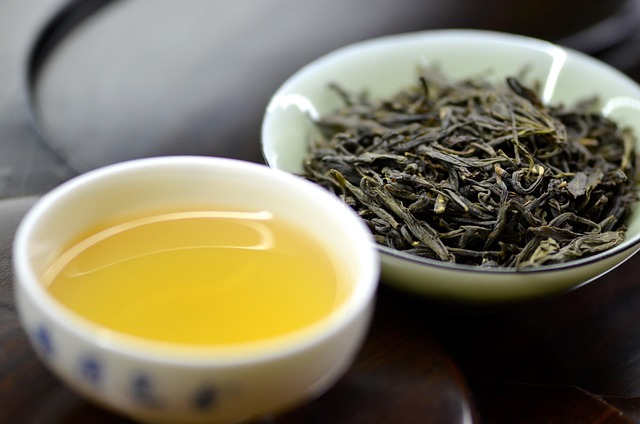
The term "detox" in commercial teas is a marketing concept, not a medical one. The human body possesses highly efficient, endogenous detoxification systems primarily involving the liver, kidneys, gastrointestinal tract, and skin. The physiological claim that a tea can "flush toxins" lacks a scientific basis, as manufacturers rarely define the specific toxins targeted or provide evidence of their removal.
However, the individual botanical ingredients commonly found in these blends—such as senna, cascara sagrada, dandelion root, and green tea—do have documented pharmacological effects. The evidence for their benefits and risks is highly ingredient-specific:
- Laxative Herbs (Senna, Cascara Sagrada): These contain anthraquinone compounds that stimulate colonic peristalsis. The evidence for their short-term use in constipation is strong. However, chronic use can lead to laxative dependence, electrolyte imbalances, and a condition called cathartic colon, where the colon loses its ability to contract normally.
- Diuretic Herbs (Dandelion, Parsley): These may promote increased urine output. While some small, preliminary studies suggest mild diuretic effects, robust clinical evidence is limited. They can pose risks for individuals with kidney disorders or those on certain medications (e.g., diuretics, lithium).
- Antioxidant Sources (Green Tea, Hibiscus): Compounds like catechins in green tea have demonstrated antioxidant activity in laboratory and some human studies. The evidence linking moderate consumption to cardiovascular benefits is promising but mixed. It is crucial to distinguish between the benefits of a standard cup of green tea and the potential for excessive intake of concentrated extracts found in some "detox" formulas.
Clinical Perspective: From a physiological standpoint, the most pronounced "effect" of many detox teas is often dehydration and nutrient loss due to forced diuresis and diarrhea, which is misinterpreted as "cleansing." The liver metabolizes toxins through complex Phase I and Phase II enzymatic pathways; no credible evidence shows that these teas upregulate these specific detoxification enzymes in a clinically meaningful way for general health.
The overall evidence supporting "detox teas" for systemic cleansing is very weak. Most perceived effects are related to fluid loss, bowel stimulation, or placebo. Individuals with pre-existing conditions involving the heart, kidneys, or liver, those who are pregnant or breastfeeding, and anyone taking prescription medications should exercise extreme caution and consult a physician before using any detox tea product, due to risks of herb-drug interactions and metabolic stress.
3. Risks, Side Effects, and Populations to Avoid

While marketed for purification, detox teas can introduce significant health risks, particularly when used without medical guidance. The primary concerns stem from their common ingredients—laxative herbs like senna, cascara sagrada, and diuretics such as dandelion root—and the lack of standardised dosing.
Common Adverse Effects
The most frequently reported side effects are gastrointestinal and metabolic, supported by a strong evidence base for the pharmacological actions of the compounds involved.
- Gastrointestinal Distress: Abdominal cramping, diarrhoea, and nausea are direct consequences of stimulant laxatives. Chronic use can lead to dependency, where the colon loses its natural ability to contract, a condition known as laxative abuse syndrome.
- Electrolyte Imbalance and Dehydration: The combined laxative and diuretic effect can cause excessive loss of fluids, potassium, sodium, and magnesium. This can result in symptoms like dizziness, muscle weakness, irregular heartbeat, and in severe cases, cardiac arrhythmias.
- Nutrient Malabsorption: Accelerated transit time through the digestive tract can impair the absorption of essential vitamins, minerals, and medications.
Populations at High Risk
Certain individuals should avoid detox teas entirely or use them only under direct medical supervision due to heightened vulnerability.
- Individuals with Chronic Conditions: Those with kidney disease, heart conditions (especially arrhythmias or heart failure), or liver disease are at severe risk from electrolyte shifts and fluid imbalance.
- Pregnant or Breastfeeding Women: Many herbal ingredients lack safety data for fetal or infant development. Some compounds may stimulate uterine contractions or pass into breast milk.
- Individuals with Eating Disorders: These products can perpetuate harmful purging behaviours and disrupt metabolic recovery.
- People on Medications: Detox teas can interfere with the metabolism and efficacy of prescription drugs, including diuretics, diabetes medications, blood thinners (e.g., warfarin), and heart rhythm drugs. The risk of adverse interactions is a major clinical concern.
Clinical Perspective: From a medical standpoint, the human liver and kidneys are highly efficient detoxification organs. There is no high-quality evidence that commercial detox teas enhance this innate function. Instead, they often impose an unnecessary pharmacological burden. A concerning pattern is the normalisation of routine laxative use for "cleansing," which can mask underlying digestive issues like irritable bowel syndrome (IBS) or lead to chronic bowel dysfunction. Any regimen that causes frequent diarrhoea or dizziness should be discontinued immediately.
Before considering any detox tea, it is imperative to consult a physician or a registered dietitian. This is especially crucial for individuals with pre-existing health conditions or those taking any regular medications.
4. Practical Guidance for Informed Consumer Choices

Navigating the market for detox teas requires a critical, evidence-based approach. The primary goal is to separate marketing claims from verifiable information to make a choice that prioritizes your health and safety.
How to Critically Evaluate a Product
Begin by scrutinizing the ingredient list, not the front-of-package promises. Look for specific botanical names (e.g., Senna alexandrina, Cassia angustifolia) rather than vague terms like "proprietary blend" or "natural laxative mix." Research each ingredient individually through reputable medical sources to understand its pharmacological effects, typical dosing, and known adverse reactions.
- Identify Laxatives: Senna, cascara sagrada, and aloe latex are potent stimulant laxatives. Their presence often explains the purported "cleansing" effect, which is primarily fluid and electrolyte loss.
- Check for Additives: Be wary of added sugars, artificial sweeteners, or "energy blends" containing high doses of caffeine or other stimulants, which can compound side effects like jitteriness, insomnia, and cardiovascular strain.
Clinical Insight: From a regulatory perspective, these products often occupy a gray area. They are marketed as dietary supplements, not medicines, which means their safety and efficacy are not rigorously evaluated by agencies like the FDA before sale. Manufacturers are not required to prove their "detox" claims. This places the burden of due diligence squarely on the consumer.
Actionable Steps for Safer Consumption
If you choose to proceed after careful consideration, adopt a precautionary protocol to mitigate risk.
- Consult a Healthcare Professional First: This is non-negotiable for individuals with pre-existing conditions (e.g., gastrointestinal disorders, heart, kidney, or liver disease), those who are pregnant or breastfeeding, or anyone on prescription medications due to risk of interactions.
- Start with the Lowest Possible Dose: If the tea is a blend, steep it for a shorter time initially to assess your body's reaction. Never exceed the manufacturer's recommended serving, understanding that this recommendation is not a medically reviewed dosage.
- Limit Duration: Do not use any product containing stimulant laxatives for more than 7-10 days unless explicitly directed by a doctor for a diagnosed condition. Chronic use can lead to laxative dependency and electrolyte imbalances.
- Monitor for Adverse Effects: Discontinue use immediately and seek medical advice if you experience severe cramping, dizziness, heart palpitations, or symptoms of dehydration.
The strongest evidence supports the body's intrinsic detoxification systems—the liver, kidneys, and gastrointestinal tract. Supporting these organs through adequate hydration, a balanced diet rich in fiber, and regular physical activity is a safer, more sustainable approach than relying on unregulated commercial teas with concealed pharmacological effects.
5. Safety Precautions and When to Consult Healthcare Providers

Given the potential risks associated with detox teas, a proactive and cautious approach is essential. The most important safety precaution is to treat these products as active supplements, not benign beverages. This mindset shift is critical for responsible use.
Before considering any detox tea, certain individuals should exercise extreme caution or avoid use entirely. You should consult a healthcare provider first if you fall into any of the following categories:
- Individuals with pre-existing medical conditions: This includes kidney disease, liver disease, heart conditions, or gastrointestinal disorders like irritable bowel syndrome (IBS) or inflammatory bowel disease (IBD).
- Those taking prescription medications: Detox teas can interfere with the metabolism of drugs, including blood thinners, antidepressants, diabetes medications, and birth control pills, potentially reducing their efficacy or increasing side effects.
- Pregnant or breastfeeding individuals: The safety of herbal laxatives and stimulants during pregnancy and lactation is not established, and certain compounds may pose risks to fetal or infant development.
- Individuals with a history of eating disorders: The focus on "cleansing" and weight loss can trigger unhealthy behaviors and relapse.
- Children and adolescents.
Clinical Perspective: From a medical standpoint, there is no high-quality evidence supporting the need for a "detox" in a healthy individual with functioning kidneys and liver. The marketing of these teas often preys on health anxieties. A clinician's primary concern is the risk of dehydration, electrolyte imbalance from laxative overuse, and adverse drug interactions, which are well-documented risks, unlike the purported benefits.
It is crucial to monitor your body's response. Discontinue use immediately and seek medical advice if you experience symptoms such as severe abdominal pain, persistent diarrhea, dizziness, heart palpitations, irregular heartbeat, or signs of dehydration (e.g., extreme thirst, dark urine, fatigue).
The decision to use a detox tea should not be made lightly or based solely on marketing claims. The strongest evidence lies in the potential for harm, particularly with chronic or improper use. If you are considering a detox tea for a specific health goal, a consultation with a physician or a registered dietitian can provide evidence-based, personalized guidance that addresses the root cause of your concerns safely.
6. Questions & Expert Insights
Can detox teas really "cleanse" my liver or kidneys?
The concept of "cleansing" organs is a marketing term, not a medical one. Your liver and kidneys are highly efficient, self-cleaning organs. There is no high-quality clinical evidence that any commercially available detox tea enhances their natural detoxification processes. Some ingredients, like dandelion root or milk thistle, have been studied for potential hepatoprotective (liver-protecting) effects in specific disease contexts, but the doses and preparations in teas are typically not standardized and are far lower than those used in research. The perceived "cleansing" effect, such as increased bowel movements, is often due to laxative herbs like senna or cascara sagrada, which do not cleanse organs but stimulate the colon. Relying on these can disrupt normal digestive function.
What are the most concerning hidden side effects of detox teas?
The primary risks stem from undisclosed or under-emphasized ingredients. Many detox teas contain potent herbal laxatives (senna, cascara sagrada, aloe latex). Chronic use can lead to laxative dependency, electrolyte imbalances (low potassium), dehydration, and impaired colon function. Some teas include stimulants like guarana or high-caffeine green tea, which can cause anxiety, insomnia, palpitations, and interact with medications. "Natural" diuretics like juniper berry or horsetail can stress kidneys, especially in individuals with pre-existing kidney issues. Furthermore, teas are not regulated for purity; contamination with heavy metals, pesticides, or even pharmaceutical drugs has been documented in some herbal products.
Who should absolutely avoid drinking detox teas?
Several groups should avoid these products entirely due to significant health risks. This includes: Pregnant or breastfeeding women (risk of uterine stimulation or contaminants passing to baby); Individuals with kidney disease, heart conditions, or electrolyte disorders (risk of exacerbation from diuretics/laxatives); Those with gastrointestinal disorders like Crohn's disease, ulcerative colitis, or irritable bowel syndrome (can trigger severe flares); People with eating disorders or a history of them (these products can perpetuate harmful cycles); and Anyone on prescription medications, especially for heart conditions, diabetes, blood thinners, or diuretics, due to high risk of herb-drug interactions.
When should I talk to my doctor about detox teas, and what should I bring?
Consult a physician or a registered dietitian before starting any detox tea regimen, especially if you have any chronic health conditions or take medications. Schedule a conversation if you experience symptoms like persistent diarrhea, dizziness, heart palpitations, or severe cramping after use. For the appointment, bring: 1) The actual product box or a photo of the ingredient list, 2) A list of all your current medications and supplements, and 3) Notes on your specific goals (e.g., "boost energy," "reduce bloating"). This allows your doctor to assess for interactions, identify risky ingredients, and provide safer, evidence-based alternatives to address your underlying health concerns, such as dietary modifications or tested therapies for specific issues like bloating or fatigue.
7. In-site article recommendations
8. External article recommendations
9. External resources
The links below point to reputable medical and evidence-based resources that can be used for further reading. Always interpret them in the context of your own situation and your clinician’s advice.
-
healthline healthline.comdetox tea – Healthline (search)
-
examine examine.comdetox tea – Examine.com (search)
-
mayoclinic mayoclinic.orgdetox tea – Mayo Clinic (search)
These external resources are maintained by third-party organisations. Their content does not represent the editorial position of this site and is provided solely to support readers in accessing additional professional information.