
1. Introduction to Fitness Trackers in Health Monitoring
Wearable fitness trackers have become ubiquitous in modern health culture, evolving from simple step counters to sophisticated devices that monitor heart rate, sleep architecture, blood oxygen saturation, and electrocardiogram (ECG) readings. Their integration into daily life represents a significant shift towards data-driven, participatory health management. The core premise is that by quantifying physiological and behavioral metrics, individuals can gain actionable insights to improve their well-being.
The evidence supporting the utility of these devices is nuanced. Strong, consistent data supports their effectiveness in increasing general physical activity levels and promoting self-awareness of sedentary behavior. For certain populations, such as individuals in structured weight management programs, the act of self-monitoring with a tracker can enhance adherence and outcomes. However, the evidence becomes more limited or mixed for other advertised benefits:
- Sleep Tracking: While trackers can identify broad sleep patterns (e.g., total time in bed), their accuracy in distinguishing specific sleep stages (light, deep, REM) is variable and not equivalent to clinical polysomnography.
- Caloric Expenditure: Estimates of energy burn are often imprecise, as algorithms struggle to account for individual variations in metabolism, body composition, and non-ambulatory activities.
- Clinical Health Metrics: While some devices have received regulatory clearance for features like atrial fibrillation detection via ECG, they are screening tools, not diagnostic devices. Their role in long-term disease management is still under investigation.
Clinical Perspective: From a medical standpoint, the value of a fitness tracker is heavily dependent on user context and interpretation. The data is most useful when it motivates sustainable, positive behavior change within a balanced lifestyle. However, clinicians caution against "data obsession," where anxiety or compulsive behaviors arise from constant monitoring or perceived shortcomings in the metrics.
It is important for certain individuals to exercise particular caution or consult a healthcare provider before relying on tracker data for health decisions. This includes persons with known cardiac conditions, a history of eating disorders, or significant health anxiety. Furthermore, those taking medications that affect heart rate or who have conditions like arrhythmias should not use tracker data to self-adjust treatments without professional guidance.
This chapter serves as a foundation for a balanced examination. While acknowledging the potential of these devices as tools for engagement and awareness, a critical, evidence-based perspective is essential to understand their limitations and the hidden risks that can accompany their widespread use.
2. Evidence and Mechanisms Underlying Potential Risks
The potential health risks associated with fitness trackers are not uniform; they stem from distinct mechanisms, ranging from data inaccuracies to psychological impacts. Understanding these pathways is crucial for a balanced assessment of their use.
Data Inaccuracy and Misleading Feedback
The most direct risk involves reliance on inaccurate physiological data. While step counts are generally reliable, metrics for energy expenditure (calories burned), sleep stages, and even heart rate can have significant error margins, especially during high-intensity or non-steady-state exercise.
- Mechanism: Optical heart rate sensors (PPG) can be affected by skin tone, tattoo ink, motion artifact, and poor fit. Algorithms for estimating calories or sleep are proprietary and often not validated across diverse populations.
- Risk: Basing dietary or training decisions on flawed data can lead to inappropriate energy deficits, overtraining, or misdiagnosis of perceived health issues.
Psychological and Behavioral Impacts
Emerging research points to more nuanced psychological mechanisms. The constant quantification of health can shift motivation from intrinsic (feeling good) to extrinsic (hitting a number), which may undermine long-term adherence.
- Mechanism: Obsessive Monitoring: For some individuals, the device can fuel orthorexic or compulsive behaviors, creating an unhealthy fixation on metrics.
- Mechanism: Anxiety and "Cyberchondria": Notifications for irregular heart rhythms or poor sleep scores can provoke health anxiety, leading individuals to seek unnecessary medical care for normal physiological variations.
Clinical Perspective: The evidence for physical harm from the devices themselves is very limited. The primary clinical concerns are behavioral. We see two key risk profiles: 1) Individuals with a history of eating disorders or anxiety disorders, for whom constant biometric feedback can be detrimental, and 2) Patients with known cardiac conditions who may inappropriately rely on consumer device data instead of prescribed medical monitoring. For these groups, a discussion with a healthcare provider about tracker use is strongly advised.
Privacy and Data Security
While not a direct physiological risk, the mechanism of data aggregation poses a long-term societal health risk. Sensitive health data collected can potentially be used by insurers or employers to discriminate or influence premiums, creating a hidden deterrent to seeking care.
In summary, the risks are less about the technology causing direct bodily harm and more about how its data is interpreted, internalized, and exploited. The strongest evidence lies in the realm of data inaccuracy, while evidence for widespread psychological harm is more preliminary but clinically plausible for vulnerable subgroups.
3. Identified Risks and Populations at Higher Risk
The integration of fitness trackers into daily life is not without potential adverse effects. The risks can be broadly categorized into psychological, behavioral, and data-related domains. Understanding these is crucial for a balanced and safe approach to self-quantification.
Psychological and Behavioral Risks
Strong evidence links excessive device monitoring to negative psychological outcomes in susceptible individuals. The primary concern is the development or exacerbation of obsessive or disordered behaviors related to health metrics.
- Exercise Addiction and Orthorexia: An over-reliance on step counts or calorie burn can push individuals to exercise compulsively, ignoring pain, fatigue, or medical advice, potentially leading to overuse injuries.
- Anxiety and Dysmorphia: Constant feedback on metrics like weight, body composition, or resting heart rate can fuel health anxiety or body image concerns, particularly if the data is perceived as suboptimal.
- Sleep Dysregulation: Paradoxically, the pressure to achieve "perfect" sleep scores can create performance anxiety around sleep, a phenomenon known as orthosomnia, which can itself worsen sleep quality.
Data Reliability and Medical Risks
The evidence here is more mixed but warrants caution. While trackers are generally reliable for basic activity tracking in controlled studies, their accuracy diminishes for specific medical purposes.
- Inaccurate Health Readings: Optical heart rate sensors can be unreliable during high-intensity interval training or for individuals with certain arrhythmias. SpO2 and ECG features in consumer devices are for "wellness" only and are not diagnostic.
- False Reassurance or Alarm: Relying on normal tracker readings while experiencing clinical symptoms (e.g., chest pain) can delay seeking necessary care. Conversely, false irregular heart rhythm notifications can cause unnecessary anxiety and medical visits.
Populations at Higher Risk
Certain groups should exercise particular caution and ideally consult a healthcare provider before using these devices intensively.
- Individuals with a history of eating disorders, exercise addiction, or anxiety disorders: The quantifiable nature of trackers can easily trigger or reinforce pathological patterns.
- Patients with known cardiac conditions (e.g., atrial fibrillation, heart failure): They should not use tracker data to make medical decisions without explicit guidance from their cardiologist.
- Older adults or those with osteoporosis/arthritis: Aggressively pursuing step goals without proper conditioning can increase fall or injury risk.
- Anyone using the device for medical symptom management: This includes individuals self-monitoring for conditions like diabetes or hypertension. Device data should only complement, not replace, validated medical tools and professional advice.
The utility of a fitness tracker is highly individual. Acknowledging these identified risks allows users to harness the technology's benefits while mitigating its potential harms.
4. Balanced Guidelines for Safe Fitness Tracker Use
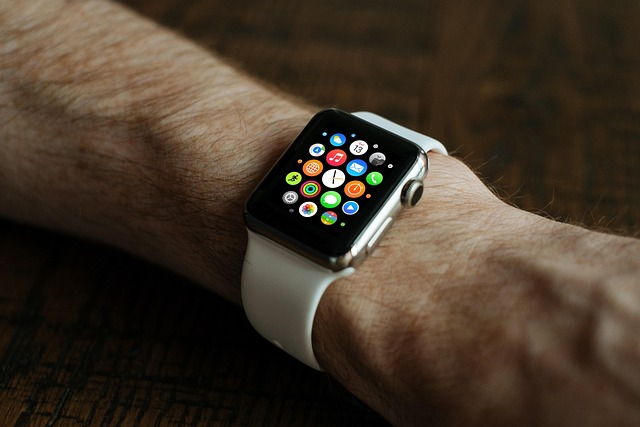
To harness the benefits of fitness trackers while mitigating their potential risks, a balanced, evidence-informed approach is essential. The goal is to use the device as a supportive tool, not an absolute authority on your health.
1. Cultivate Data Awareness, Not Dependence
Understand the inherent limitations of consumer-grade sensors. While step counts and heart rate readings are generally reliable for trend analysis, they are not medical-grade diagnostic tools. Data can be influenced by device placement, skin tone, motion, and environmental factors. Use the information to observe patterns over weeks and months, rather than reacting to single-day fluctuations.
2. Establish Healthy Behavioral Boundaries
To prevent obsessive monitoring or exercise compulsion, implement structured breaks.
- Schedule Device-Free Time: Designate periods, such as during meals, social gatherings, or the last hour before bed, where you do not wear the tracker.
- Listen to Your Body: Prioritize internal cues (fatigue, hunger, pain) over the device's prompts. If you feel unwell or exhausted, it is clinically appropriate to rest, even if you have not met a daily goal.
- Audit Notifications: Disable non-essential alerts that contribute to anxiety or constant interruption.
3. Interpret Metrics with Clinical Context
Be cautious when interpreting advanced metrics like heart rate variability (HRV), stress scores, or estimated calorie burn. These are derived from algorithms based on population averages and have significant individual variability. They are best used as relative indicators, not absolute measures of health status.
Clinical Insight: For individuals with a history of cardiometabolic conditions (e.g., arrhythmia, heart failure), eating disorders, or significant health anxiety, raw data from fitness trackers can be misleading or triggering. In these cases, it is paramount to review device data with a healthcare provider who can interpret it within the full context of your medical history and clinical assessments.
4. Prioritize Long-Term Consistency Over Daily Perfection
Reconfigure device goals to support sustainable habits. Instead of a fixed, high-intensity daily step goal, consider a weekly average or a range (e.g., 7,000–10,000 steps) that allows for natural variation. This approach aligns better with public health guidance on physical activity, which emphasizes regular movement over rigid, daily targets.
Who Should Exercise Particular Caution? Individuals with known or suspected cardiovascular conditions, those in treatment for or recovery from eating disorders, and people experiencing high levels of anxiety related to health metrics should consult a physician or relevant specialist (e.g., cardiologist, psychologist, dietitian) before using—or continuing to use—a fitness tracker to guide behavior.
5. When to Consult Healthcare Professionals
While fitness trackers provide valuable data, they are not diagnostic tools. Interpreting their data, especially in the context of pre-existing health conditions, requires professional clinical judgment. Knowing when to consult a healthcare professional is crucial for using this technology safely and effectively.
Clear Indicators for Medical Consultation
You should schedule a consultation with your physician or a relevant specialist if you observe any of the following patterns or symptoms, regardless of what your device displays:
- Persistent Abnormal Heart Rate Readings: Consistently high resting heart rates, unexplained tachycardia (fast heart rate) at rest, or episodes of bradycardia (very slow heart rate) that are new for you.
- Concerning Sleep Data Paired with Symptoms: Chronically poor sleep scores accompanied by daytime fatigue, impaired concentration, or mood changes that affect daily function.
- Unexplained Trends in Activity or Readiness Scores: A sudden, persistent drop in your activity tolerance or daily "readiness" score without an obvious cause like illness or increased stress.
- Data That Causes Significant Anxiety: If constantly checking your tracker leads to obsessive behaviors, health anxiety, or negatively impacts your relationship with exercise and food.
Clinical Perspective: We often see patients bringing in pages of tracker data. Our role is to contextualize this information within your full medical history, medications, and a physical exam. A tracker may flag an irregular heart rhythm, for instance, but only an ECG can diagnose it. We help distinguish between normal variation, data artifacts, and signals that warrant further investigation.
High-Risk Groups: Consult Before Relying on Data
Individuals with certain pre-existing conditions should proactively discuss their tracker use with a doctor to establish safe parameters. This is particularly important for:
- Patients with Cardiovascular Disease: Those with diagnosed arrhythmias, heart failure, or after a cardiac event. Heart rate zone training based on generic formulas can be inappropriate.
- Individuals with Diabetes: While activity tracking is beneficial, those on insulin or sulfonylureas need guidance on how exercise data relates to hypoglycemia risk and medication adjustments.
- People with a History of Eating Disorders or Orthorexia: The quantification of calories and exercise can be triggering and may exacerbate disordered behaviors.
- Patients with Chronic Conditions (e.g., COPD, Chronic Kidney Disease): Exercise prescriptions and target zones must be carefully individualized.
In summary, view your fitness tracker as a source of information, not instruction. A healthcare professional can help you translate that information into a safe, personalized, and effective health strategy. If in doubt, err on the side of seeking expert advice.
6. Questions & Expert Insights
Can my fitness tracker accurately measure my calorie burn?
Most fitness trackers provide only a rough estimate of calorie expenditure, and their accuracy varies significantly between individuals and activities. These devices typically use algorithms based on heart rate, movement data (from accelerometers), and user-inputted metrics like age and weight. While they can be reasonably accurate for steady-state cardio like running or cycling in a controlled lab setting, they are often less reliable for strength training, high-intensity interval training (HIIT), or daily non-exercise activities. A 2020 systematic review in the Journal of Personalized Medicine concluded that while some devices show acceptable accuracy for step counting, energy expenditure estimates can be off by 20-40% or more. It's best to view these numbers as a general trend indicator rather than a precise measurement for making specific dietary or medical decisions.
What are the main health risks or side effects of relying too heavily on a fitness tracker?
Over-reliance on fitness trackers can lead to several unintended psychological and behavioral risks. The most documented is "orthosomnia" – a preoccupation with achieving perfect sleep data, which paradoxically increases anxiety and worsens sleep. Constant self-quantification can also foster exercise obsession, compulsive checking, and guilt or anxiety over missed goals. For individuals with a history of eating disorders, obsessive-compulsive tendencies, or anxiety disorders, this data-driven feedback can be particularly triggering and counterproductive. Physically, blindly following a device's prompts without listening to one's body can lead to overtraining, injury from ignoring pain signals, or dehydration if fluid intake is not adequately managed alongside tracked sweat loss.
When should I talk to my doctor about the data from my fitness tracker?
Consult your physician if your tracker reveals persistent, unexplained trends that could indicate a potential health issue. Key examples include a consistently elevated resting heart rate, frequent notifications of atrial fibrillation (AFib) or irregular rhythm, or consistently low blood oxygen (SpO2) readings during waking hours. It is also advisable to speak with a doctor or a registered dietitian if you are using calorie and activity data to manage a chronic condition like diabetes, obesity, or heart disease. Before your appointment, note the specific trends (e.g., "resting HR has been above 85 bpm for two weeks"), bring screenshots of the relevant data, and be prepared to discuss your symptoms and how you are interpreting and acting on the tracker's information.
How reliable are the heart rate and sleep stage measurements from consumer devices?
Optical heart rate monitors (PPG sensors) on wrist-worn devices are generally accurate for measuring resting heart rate and heart rate during steady-state exercise. However, accuracy can drop during activities with rapid heart rate changes or wrist motion, like HIIT or weightlifting. For sleep staging (light, deep, REM), consumer devices make educated guesses based on movement and heart rate variability. While they can reliably distinguish sleep from wakefulness and track broad trends over time, a 2022 review in Sleep Medicine Reviews noted they are not as precise as clinical polysomnography (a sleep study) and can misclassify sleep stages by a significant margin. Therefore, they should not be used to self-diagnose sleep disorders like sleep apnea or insomnia.
7. In-site article recommendations
8. External article recommendations
9. External resources
The links below point to reputable medical and evidence-based resources that can be used for further reading. Always interpret them in the context of your own situation and your clinician’s advice.
-
examine examine.comfitness trackers – Examine.com (search)
-
wikipedia wikipedia.orgfitness trackers – Wikipedia (search)
-
mayoclinic mayoclinic.orgfitness trackers – Mayo Clinic (search)
These external resources are maintained by third-party organisations. Their content does not represent the editorial position of this site and is provided solely to support readers in accessing additional professional information.