
1. Introduction to HIIT and Heart Rate Zones: Context and Relevance

High-Intensity Interval Training (HIIT) has become a dominant paradigm in fitness, characterized by alternating brief, near-maximal effort periods with active recovery or rest. Concurrently, the concept of heart rate zones—typically calculated as percentages of one's maximum heart rate—has gained prominence as a tool for prescribing and monitoring exercise intensity. This chapter establishes the foundational context for understanding their intersection, a topic of significant relevance for both fitness enthusiasts and clinical populations.
The appeal of HIIT is largely evidence-based. Robust meta-analyses and systematic reviews consistently demonstrate that HIIT can produce superior improvements in cardiorespiratory fitness (VO₂ max) and certain metabolic markers, such as insulin sensitivity, compared to moderate-intensity continuous training, often in a more time-efficient manner. This strong body of evidence supports its use for general health and performance in suitable individuals.
Heart rate monitoring provides an objective, if imperfect, physiological anchor for this training. The standard zones are:
- Zone 1 (Very Light): 50-60% HRmax – Active recovery.
- Zone 2 (Light): 60-70% HRmax – Foundational aerobic exercise.
- Zone 3 (Moderate): 70-80% HRmax – Aerobic endurance.
- Zone 4 (Hard): 80-90% HRmax – Threshold training.
- Zone 5 (Maximum): 90-100% HRmax – High-intensity intervals.
In theory, HIIT work intervals target Zones 4 and 5, while recovery intervals aim for Zones 1-2. However, it is crucial to acknowledge the limitations of this model. Maximum heart rate formulas (e.g., 220 - age) are population estimates with wide individual variance. Furthermore, heart rate response lags behind rapid changes in power output, making it an imprecise real-time guide for very short intervals.
Clinical Perspective: While HIIT is effective, its high cardiovascular and musculoskeletal demands necessitate caution. Individuals with known or suspected cardiovascular disease, uncontrolled hypertension, significant orthopedic limitations, or who are completely sedentary should obtain medical clearance before attempting HIIT. Furthermore, those with conditions affecting heart rate response (e.g., on beta-blockers, with cardiac arrhythmias) must understand that standard heart rate zones may not apply and require individualized guidance from a cardiologist or exercise physiologist.
The relevance of this discussion lies in balancing the potent benefits of HIIT with a safe and individualized application. Understanding both the robust evidence for HIIT and the nuanced limitations of heart rate zone guidance is the first step toward responsible programming. Subsequent chapters will delve deeper into the physiological mechanisms, potential risks, and evidence-based strategies for implementation.
2. Evidence and Mechanisms: Physiological Effects and Research Insights
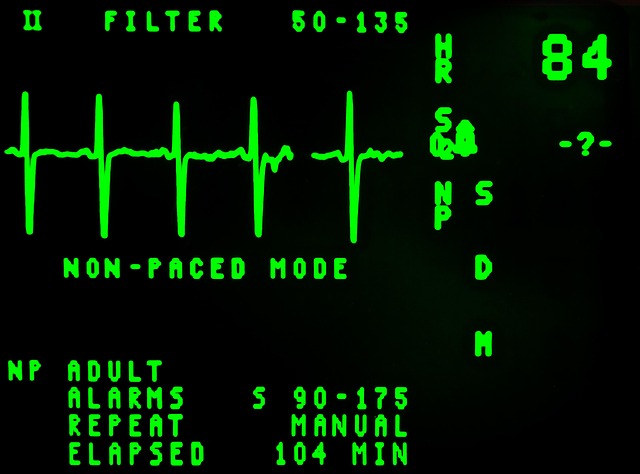
High-Intensity Interval Training (HIIT) exerts its profound physiological effects primarily through the principle of overload, repeatedly challenging the cardiovascular and musculoskeletal systems beyond steady-state levels. The core mechanism involves brief, intense bouts of exercise that push heart rate into high zones (often 80-95% of maximum), followed by periods of active or passive recovery. This pattern creates significant metabolic and hemodynamic stress, which drives adaptation.
Strong evidence from systematic reviews and meta-analyses supports HIIT's efficacy for improving key cardiometabolic markers. The primary, well-established benefits include:
- Enhanced Cardiorespiratory Fitness (VO₂ max): HIIT is a potent stimulus for increasing maximal oxygen uptake, often producing greater improvements in less time compared to moderate-intensity continuous training (MICT) in healthy and clinical populations.
- Improved Insulin Sensitivity: The intense muscular contractions rapidly deplete glycogen stores and enhance glucose transporter (GLUT4) activity, leading to better blood sugar regulation.
- Reduced Blood Pressure: HIIT can improve endothelial function and arterial stiffness, contributing to clinically meaningful reductions in both systolic and diastolic blood pressure.
However, the evidence is more nuanced or preliminary for other claimed effects. For instance, while HIIT can aid fat loss, its superiority over MICT for total fat mass reduction is not consistently proven when overall energy expenditure is matched. Its impact on long-term weight management requires more research. Furthermore, the effect on cardiac structure (like left ventricular remodeling) appears generally positive in healthy individuals but requires careful monitoring in those with pre-existing conditions.
Clinical Insight: The "dose" of HIIT is critical. The extreme cardiovascular stress that drives adaptation also carries inherent risk. Much of the robust safety data comes from supervised studies with medically cleared participants. For individuals with undiagnosed coronary artery disease, cardiomyopathy, or significant arrhythmias, the rapid spikes in heart rate and blood pressure could theoretically trigger an adverse event. This is why medical screening is paramount.
Individuals with known cardiovascular disease, uncontrolled hypertension, or who are sedentary with multiple risk factors should obtain medical clearance before attempting HIIT. The protocol's intensity must be scaled appropriately; true HIIT is not suitable for absolute beginners. Anyone experiencing chest pain, severe dizziness, or palpitations during exercise must stop immediately and consult a physician.
3. Risks and Contraindications: Identifying Vulnerable Populations

While High-Intensity Interval Training (HIIT) is a potent stimulus for cardiovascular fitness, its very intensity necessitates a clear understanding of associated risks and contraindications. The acute physiological stress of reaching near-maximal heart rates can unmask or exacerbate underlying conditions, making pre-participation screening and medical consultation essential for certain populations.
Absolute and Relative Contraindications
HIIT is generally contraindicated for individuals with unstable cardiovascular conditions. This includes, but is not limited to:
- Unstable coronary artery disease (e.g., recent myocardial infarction, unstable angina)
- Uncontrolled arrhythmias or severe valvular heart disease
- Uncontrolled hypertension (Stage 2 or higher)
- Heart failure (NYHA Class III or IV, without specific exercise prescription)
For these individuals, the sudden, dramatic increase in cardiac workload and catecholamine release during HIIT can precipitate acute cardiac events. Participation should only be considered under direct medical supervision within a structured cardiac rehabilitation program.
Populations Requiring Medical Clearance and Caution
A much broader group should seek medical evaluation and potentially modified programming before initiating HIIT. Evidence, while supportive of HIIT's benefits in some chronic conditions, is mixed regarding universal safety.
- Individuals with known but stable cardiovascular disease (e.g., stable CAD, controlled hypertension, compensated heart failure). Supervised, graded introduction is critical.
- Those with metabolic disorders like type 2 diabetes, especially with complications (neuropathy, retinopathy), due to risks of blood pressure spikes and hypoglycemia.
- People with musculoskeletal or joint issues, as the high-impact nature of many HIIT exercises increases injury risk.
- Sedentary individuals or those new to exercise. A foundation of moderate-intensity aerobic and strength training is recommended before progressing to HIIT.
- Pregnant individuals, particularly in the second and third trimesters, should avoid supine positions and exercises with a high risk of loss of balance or abdominal trauma.
Clinical Perspective: The principle of "start low and go slow" is paramount. A clinician's role is not to universally prohibit HIIT but to perform risk stratification. This often involves assessing functional capacity (e.g., via a stress test), reviewing medication regimens (e.g., beta-blockers that blunt heart rate response), and co-managing with a qualified exercise professional to ensure appropriate exercise selection, intensity monitoring, and progression.
Ultimately, the high-intensity stimulus that makes HIIT effective is also its primary risk factor. Identifying vulnerable populations through honest self-assessment and professional medical consultation is a non-negotiable first step in harnessing its benefits safely.
4. Practical Takeaways: Balanced Implementation and Monitoring
Implementing High-Intensity Interval Training (HIIT) safely and effectively requires a structured, evidence-informed approach that respects individual physiology and health status. The goal is to harness the potential cardiovascular and metabolic benefits while mitigating the risks of overtraining, injury, and undue cardiac stress.
Structuring a Balanced HIIT Program
For most healthy adults, a balanced weekly exercise regimen should include HIIT as one component, not the entirety. Strong evidence supports the efficacy of HIIT for improving cardiorespiratory fitness (VO₂ max) and insulin sensitivity. A practical framework might include:
- Frequency: 1–2 HIIT sessions per week, with at least 48 hours of recovery between sessions.
- Session Structure: A typical session includes a 5–10 minute warm-up, followed by 4–10 intervals of 30 seconds to 4 minutes of high-intensity work, interspersed with equal or longer active recovery periods, and concluding with a 5-minute cool-down.
- Complementary Training: Balance HIIT with 2–3 days of moderate-intensity steady-state cardio and 2 days of resistance training for musculoskeletal health.
Monitoring Intensity and Recovery
Accurately gauging intensity is critical. While heart rate zones provide a useful framework, their precision can vary based on individual fitness and medication use. The "talk test" and ratings of perceived exertion (RPE) are valuable adjuncts.
- Target Zone: Aim for 80–95% of your estimated maximum heart rate during work intervals. Use the formula (220 – age) with caution, as it is a population average with significant individual variance.
- Recovery Indicators: Monitor resting heart rate and subjective markers like sleep quality, mood, and persistent muscle soreness. A sustained elevation in resting heart rate may indicate inadequate recovery.
Clinical Insight: The most common error in HIIT implementation is chronic under-recovery. The high physiological stress of HIIT provides the stimulus for adaptation; the recovery period is when that adaptation occurs. Programming insufficient rest compromises benefits and elevates injury risk. Furthermore, individuals on beta-blockers or other heart-rate-modifying medications cannot rely on heart rate zones alone and must use perceived exertion scales under medical guidance.
Essential Precautions and Contraindications
The evidence for HIIT's safety is robust in studied, healthy populations but less certain for those with underlying conditions. The following individuals should obtain medical clearance and likely undergo supervised exercise testing before commencing a HIIT program:
- Those with known or suspected cardiovascular disease (e.g., coronary artery disease, cardiomyopathy, arrhythmia).
- Individuals with uncontrolled hypertension, diabetes, or metabolic disorders.
- Anyone with a history of syncope (fainting) with exercise.
- People who are sedentary or returning to exercise after a prolonged hiatus should first build a base of moderate-intensity activity for several weeks.
In summary, a balanced, monitored approach to HIIT that prioritizes recovery and respects individual limitations is the cornerstone of safe, effective practice. Consultation with a physician or exercise physiologist is non-negotiable for those with risk factors.
5. Safety Considerations and When to Consult a Healthcare Provider

While High-Intensity Interval Training (HIIT) offers significant cardiovascular benefits, its very nature—pushing the heart to near-maximal effort—introduces specific risks that must be acknowledged and managed. A responsible approach requires understanding both the physiological stress and individual risk factors.
The primary safety concern is the potential for triggering an adverse cardiac event in individuals with undiagnosed or unstable cardiovascular disease. The intense bursts of activity can significantly increase myocardial oxygen demand, heart rate, and blood pressure. For a heart with compromised function or significant arterial blockages, this stress can be dangerous.
Who Should Seek Medical Clearance Before Starting HIIT?
Consulting a physician or cardiologist is strongly advised before beginning a HIIT program if you fall into any of the following categories:
- Individuals with known cardiovascular disease (e.g., coronary artery disease, heart failure, cardiomyopathy, history of heart attack or stroke).
- Those with major cardiovascular risk factors, including uncontrolled hypertension, high cholesterol, diabetes, or a strong family history of early heart disease.
- Anyone experiencing symptoms such as chest pain, pressure or discomfort, unexplained shortness of breath, dizziness, or palpitations during exertion.
- Sedentary individuals or those returning to exercise after a long hiatus. A gradual build-up with lower-intensity exercise is typically recommended first.
- People with musculoskeletal injuries or conditions that may be exacerbated by high-impact movements common in HIIT.
Clinical Perspective: The evidence strongly supports HIIT's efficacy in controlled settings for low-risk populations. However, the evidence for its safety in higher-risk groups is more limited and mixed. A pre-participation screening, which may include an exercise stress test for some individuals, is a cornerstone of preventive sports cardiology. It's not about discouraging activity, but about ensuring the chosen activity aligns with an individual's physiological capacity.
Red Flags During Exercise
Even with clearance, listening to your body is paramount. Stop exercising immediately and seek medical attention if you experience:
- Chest, jaw, neck, or arm pain or pressure.
- Severe shortness of breath disproportionate to the effort.
- Lightheadedness, dizziness, or feeling faint.
- Irregular or racing heartbeats (palpitations) that feel unusual.
Ultimately, HIIT is a powerful tool, but not a universal one. The most effective and safe fitness regimen is one that is appropriately prescribed. A healthcare provider can help determine if HIIT is suitable for you, and if so, guide you on a safe intensity, progression, and monitoring strategy, such as using heart rate zones effectively.
6. Questions & Expert Insights
Is it true that HIIT is the most effective way to improve heart health?
HIIT is a highly effective method for improving cardiorespiratory fitness (VO2 max), a powerful predictor of cardiovascular health. High-quality studies consistently show that HIIT can improve this metric as well as, or sometimes more efficiently than, moderate-intensity continuous training (MICT). However, "most effective" is context-dependent. For long-term adherence, some individuals find MICT more sustainable. The American Heart Association recommends a mix of moderate- and vigorous-intensity activity. The key takeaway is that both HIIT and MICT confer significant benefits, and the "best" program is the one you can perform safely and consistently over the long term. For general heart health, consistency of any exercise is more critical than the specific modality.
What are the main risks or side effects of starting a HIIT program, and who should avoid it?
The primary risks stem from the high cardiovascular and musculoskeletal stress. These include an elevated, though still very low in absolute terms, acute risk of cardiac events in those with undiagnosed heart disease, overuse injuries (e.g., tendonitis, stress fractures), and extreme muscle soreness that can derail consistency. HIIT should be approached with caution or avoided unless cleared by a physician by individuals with: known cardiovascular disease (e.g., coronary artery disease, heart failure), uncontrolled hypertension, a history of syncope (fainting) with exercise, or those who are completely sedentary. It is also not recommended during acute illness or infection. Proper progression, warm-up, cool-down, and recovery days are non-negotiable for risk mitigation.
I have a specific health condition. When should I talk to my doctor before trying HIIT, and what should I discuss?
You should consult a physician, ideally a sports cardiologist or your primary care provider, if you have any known chronic condition—especially cardiovascular (heart disease, arrhythmia, hypertension), pulmonary (severe asthma, COPD), metabolic (diabetes, especially with complications), renal disease, or a history of significant injury. Before your appointment, prepare to discuss: 1) Your specific diagnosis and current management plan, 2) Any symptoms you experience during daily activity (chest discomfort, unusual shortness of breath, dizziness), 3) All medications you take, and 4) Your specific HIIT plan (frequency, exercises, intensity targets). This allows your doctor to assess your readiness and may lead to a referral for an exercise stress test to establish safe heart rate limits.
How reliable are wrist-based heart rate monitors for tracking zones during HIIT?
Optical wrist monitors (like those on fitness watches) are convenient but can be less reliable during HIIT compared to chest-strap monitors (electrocardiogram-based). The rapid movements and changes in blood flow during high-intensity intervals can cause "cadence lock" (where the monitor locks onto your arm movement rhythm instead of heart rate) and signal dropout, leading to inaccurate zone readings. Chest straps provide more precise, real-time data, which is critical when working at very high intensities. For most recreational purposes, a wrist monitor can give you a reasonable trend, but be aware of potential lag and errors. If you are using heart rate zones to guide precise training or for medical reasons, a chest strap is the more authoritative tool. Always use perceived exertion (e.g., the Borg Scale) as a secondary, vital check.
7. In-site article recommendations
8. External article recommendations
9. External resources
The links below point to reputable medical and evidence-based resources that can be used for further reading. Always interpret them in the context of your own situation and your clinician’s advice.
-
healthline healthline.comHIIT – Healthline (search)
-
mayoclinic mayoclinic.orgHIIT – Mayo Clinic (search)
-
wikipedia wikipedia.orgHIIT – Wikipedia (search)
These external resources are maintained by third-party organisations. Their content does not represent the editorial position of this site and is provided solely to support readers in accessing additional professional information.