
1. Introduction to Hydration Timing in High-Intensity Exercise
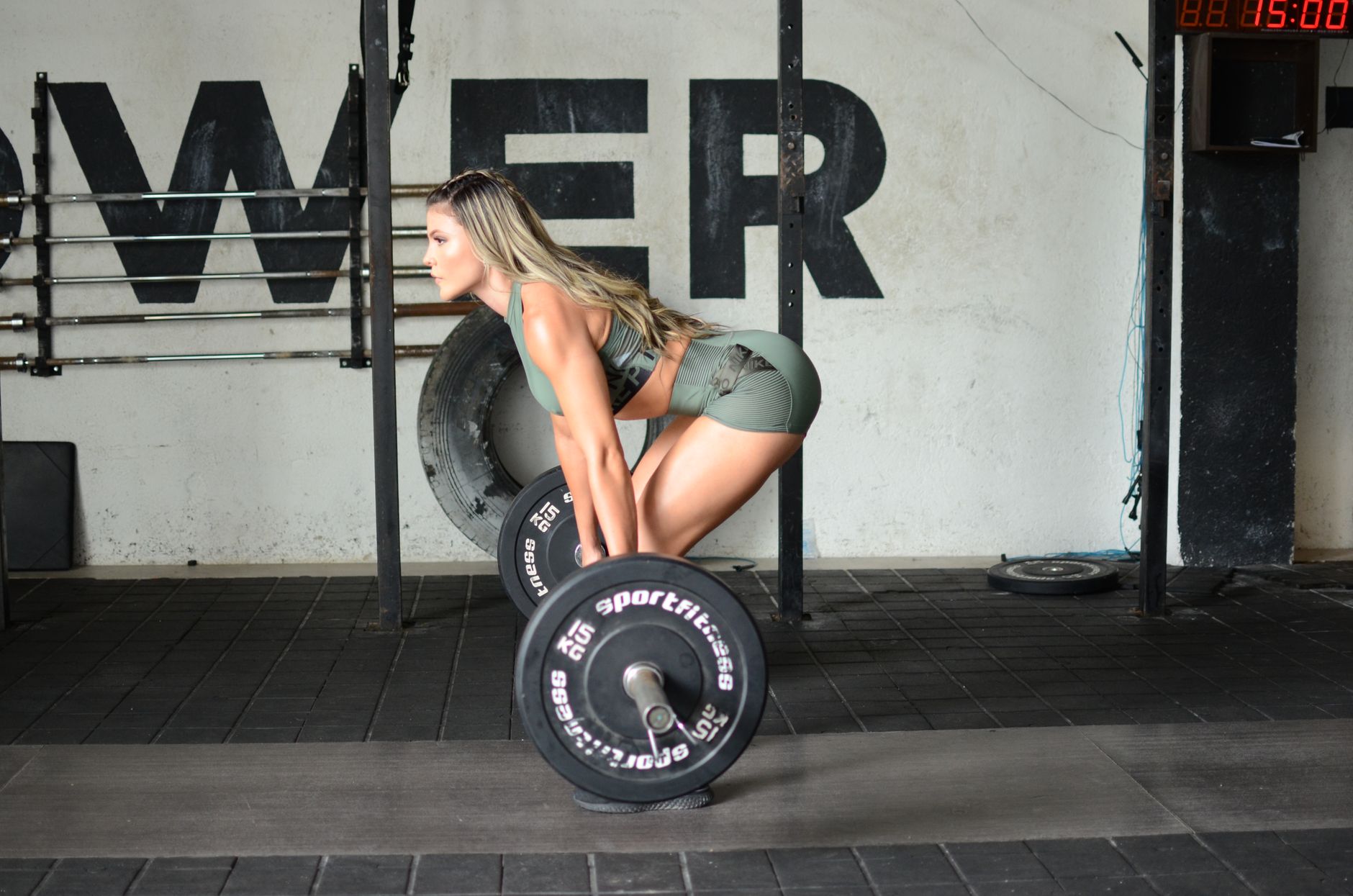
For athletes and individuals engaged in high-intensity training, hydration is universally acknowledged as a critical component of performance and safety. However, the common focus on how much to drink often overshadows the nuanced science of when to drink. Hydration timing—the strategic intake of fluids before, during, and after intense exercise—is a key factor that can influence thermoregulation, cardiovascular strain, neuromuscular function, and ultimately, training outcomes.
The physiological demands of high-intensity exercise create a unique challenge. Sweat rates can exceed 1-2 liters per hour, leading to significant fluid and electrolyte losses. If these losses are not managed proactively, the resulting hypohydration can impair performance and increase the risk of heat-related illness. The evidence strongly supports that beginning exercise in a euhydrated state and minimizing total body water loss during the session are fundamental goals.
Yet, the practical application of timing is where complexity arises. The consensus from major sports medicine bodies outlines a general framework:
- Pre-hydration: Consuming 5–10 mL of fluid per kilogram of body weight in the 2–4 hours before exercise.
- During exercise: Aiming to replace a portion of sweat losses, typically 0.4–0.8 L per hour, depending on individual sweat rate and intensity.
- Post-exercise: Replacing 125–150% of fluid lost over the subsequent 2–6 hours.
While this framework is well-established, its optimal execution is highly individual. Factors such as exercise duration, environmental conditions, acclimatization status, and personal sweat sodium concentration create variability. The evidence for precise, minute-by-minute timing protocols is less robust and often specific to elite endurance athletes in controlled settings.
Clinical Perspective: From a practical standpoint, the goal is to avoid both significant dehydration and exercise-associated hyponatremia (EAH)—a dangerous condition of low blood sodium from overdrinking. A balanced approach that emphasizes small, frequent sips during activity, tailored to thirst and sweat loss, is generally safer and more effective than rigid, high-volume intake schedules for most recreational athletes.
Individuals with specific health conditions should exercise particular caution. Those with kidney or heart disease, a history of hyponatremia, or who are on medications affecting fluid balance (e.g., diuretics, certain SSRIs) should consult a physician to develop a personalized hydration plan. The principles discussed here are intended for generally healthy adults engaging in voluntary, intense physical activity.
2. Evidence-Based Mechanisms of Hydration Timing

Effective hydration timing is not about arbitrary rules; it is grounded in the physiology of fluid absorption, distribution, and loss. The primary goal is to maintain blood volume (plasma volume) to support cardiovascular function, thermoregulation, and nutrient delivery to working muscles. The timing of fluid intake directly influences these processes.
The evidence for pre-exercise hydration is robust. Consuming 5–10 mL of fluid per kilogram of body weight roughly 2–4 hours before a session allows for optimal absorption and the excretion of any excess, ensuring you start euhydrated. This pre-loading helps buffer the inevitable fluid losses to come.
During exercise, the mechanism is one of deficit management. Sweat rates can exceed 1–2.5 L per hour in intense conditions. As fluid loss progresses, plasma volume decreases, leading to:
- Increased cardiovascular strain: The heart must work harder to maintain blood pressure and muscle perfusion.
- Impaired thermoregulation: Reduced blood flow to the skin diminishes sweat production and heat dissipation, raising core temperature.
- Reduced performance: Dehydration of just 2% of body weight can measurably impair endurance and cognitive-motor function.
Therefore, the objective during a session is to attenuate this deficit. Current guidelines, supported by strong evidence, recommend drinking to thirst or following a programmed intake of 0.4–0.8 L per hour for most athletes, adjusted for individual sweat rate, intensity, and climate.
Clinical Insight: The "during-exercise" mechanism is often misunderstood. The goal is not to match sweat loss milliliter for milliliter, which is often impractical and can lead to overhydration. It is to minimize the rate and magnitude of plasma volume decline to a level that does not critically impair performance or safety. For sessions under 60 minutes, the evidence for performance benefits from mid-session drinking is weaker, with the focus shifting more to pre- and post-session timing.
Post-exercise rehydration is governed by the kinetics of fluid retention. Simply drinking a large volume of water leads to rapid diuresis. Strong evidence shows that including sodium (through food or electrolyte drinks) and consuming 125–150% of the fluid lost over 2–6 hours enhances retention and fully restores hydration status. The timing here is about initiating this process promptly after cessation.
It is crucial to note that individuals with specific medical conditions, such as heart failure, kidney disease, or syndrome of inappropriate antidiuretic hormone (SIADH), must consult a physician before altering hydration practices, as standard timing protocols may be inappropriate or dangerous.
3. Risks, Contraindications, and High-Risk Populations

While strategic hydration is a cornerstone of athletic performance, a rigid or poorly individualized approach carries significant risks. The primary dangers are hyponatremia (dangerously low blood sodium) and exercise-associated hyponatremic encephalopathy (EAHE), which can be fatal. These conditions are almost exclusively caused by overconsumption of plain water, diluting the body's sodium levels during prolonged exertion.
High-risk populations require specific, medically-informed hydration strategies. These groups include:
- Individuals with kidney disease: Impaired renal function limits the body's ability to excrete excess fluid, dramatically increasing the risk of fluid overload and hyponatremia.
- Individuals with heart failure or uncontrolled hypertension: Excessive fluid intake can exacerbate volume overload, straining the cardiovascular system.
- Those on specific medications: Diuretics, certain antidepressants (SSRIs), and NSAIDs can affect fluid and electrolyte balance, altering hydration needs and risks.
- Athletes with a history of exercise-associated hyponatremia: These individuals are at a markedly higher risk for recurrence.
Clinical Insight: The mantra "drink before you're thirsty" is dangerously outdated for endurance athletes. Current evidence strongly supports a "drink to thirst" or slightly planned approach for most, as this naturally limits overconsumption. The risk of severe dehydration in healthy athletes is generally lower than the risk of overhydration leading to hyponatremia during continuous activity exceeding 4 hours.
Contraindications to aggressive hydration protocols are clear. Anyone with the conditions listed above should not follow generalized "gallon-a-day" or timed drinking schedules without explicit guidance from their physician or a sports medicine specialist. Furthermore, individuals engaging in shorter, high-intensity workouts (e.g., under 60-90 minutes) typically have minimal need for electrolyte supplementation; the primary goal is replacing fluid losses with water.
Before implementing any structured hydration plan, especially for intense or long-duration training, it is prudent to consult a healthcare provider. This is non-negotiable for those in high-risk categories, those on chronic medications, or athletes preparing for ultra-endurance events where the balance between dehydration and hyponatremia is most delicate.
4. Practical Hydration Strategies for Intense Workouts

Effective hydration for intense exercise is a proactive, multi-phase process, not a reactive one. The goal is to start well-hydrated, minimize deficits during the session, and efficiently replace losses afterward. The most robust evidence supports a personalized approach based on sweat rate, session duration, and environmental conditions.
The Pre-Workout Phase: Starting Hydrated
Consuming 5–7 mL of fluid per kilogram of body weight approximately 2–4 hours before exercise allows for optimal absorption and urine output, ensuring you begin in a euhydrated state. For a 70 kg individual, this equates to 350–490 mL (roughly 12–16 oz). This strategy is strongly supported by sports science consensus for sessions expected to last longer than 60 minutes or occur in hot environments.
The Intra-Workout Phase: Managing Losses
During the workout, the primary objective is to limit dehydration to less than 2% of body weight loss, a threshold beyond which performance and thermoregulation can measurably decline. A practical method is to:
- Estimate your sweat rate: Weigh yourself nude before and after a timed session, accounting for any fluid consumed. A loss of 1 kg equals 1 liter of sweat.
- Drink to match losses: Aim to replace 50–80% of your estimated hourly sweat loss. For most people, this translates to 400–800 mL (13–27 oz) per hour of intense exercise, taken in regular, small volumes (e.g., 150–250 mL every 15–20 minutes).
For sessions under 60 minutes, water is typically sufficient. For longer or exceptionally intense sessions (>90 minutes), evidence strongly supports beverages containing carbohydrates (30–60 grams per hour) and sodium (approximately 300–600 mg per liter) to maintain energy and aid fluid retention.
Clinical Insight: The "drink to thirst" guideline is appropriate for general health but may be insufficient for elite athletes or in extreme conditions where voluntary intake lags behind sweat losses. Conversely, aggressive over-drinking (hyponatremia) is a serious, albeit less common, risk, primarily in endurance events. Individuals with cardiac or renal conditions, or those on medications affecting fluid balance, must consult a physician before adopting aggressive hydration protocols.
The Post-Workout Phase: Strategic Rehydration
Rehydration requires replacing roughly 125–150% of the fluid deficit lost as sweat, as some ingested fluid will be lost to urine. Consuming sodium (from food or a sports drink) is crucial, as it helps retain the ingested fluid and stimulates thirst. Rehydration is most effective when fluid and electrolytes are consumed steadily over 2–6 hours post-exercise, not in a single large bolus.
Ultimately, the most practical strategy is individual experimentation during training to establish a personalized plan that prevents significant dehydration without causing gastrointestinal discomfort.
5. Safety Monitoring and When to Consult a Healthcare Professional

While optimizing hydration timing can enhance performance and recovery, it is not a one-size-fits-all protocol. Individual physiology and underlying health conditions create critical safety boundaries. Effective self-monitoring is essential to distinguish normal exertion from potential danger signals.
Key physiological markers to track during and after intense sessions include:
- Urine Output and Color: Clear, copious urine post-exercise generally indicates adequate hydration. Consistently dark urine or a significant reduction in output, despite drinking, warrants attention.
- Body Weight Changes: Weighing yourself before and after a session can quantify fluid loss. Losing more than 2-3% of body weight suggests a significant deficit that needs to be addressed.
- Heart Rate Recovery: A heart rate that remains abnormally elevated for more than 10 minutes post-exercise, despite rest, can be a sign of dehydration or cardiovascular strain.
Clinical Insight: The most concerning risks of improper hydration are hyponatremia (dangerously low blood sodium from over-drinking) and exertional heat illness. Symptoms like throbbing headache, confusion, nausea, vomiting, swelling in hands/feet (hyponatremia), or dizziness, cessation of sweating, and high body temperature (heat stroke) are medical emergencies requiring immediate cessation of activity and professional help.
Evidence for specific hydration timing strategies is robust for preventing performance decrements and heat-related issues in healthy athletes. However, data on precise protocols for individuals with comorbidities is more limited and should be approached with greater caution.
You should consult a physician or a sports medicine specialist before implementing aggressive hydration strategies if you have:
- Kidney disease, heart failure, or liver cirrhosis, where fluid and electrolyte balance is critically impaired.
- Hypertension managed with diuretics or other medications affecting fluid balance.
- A history of exercise-associated hyponatremia or heat illness.
- Diabetes, as blood glucose levels can interact with hydration status.
Furthermore, if you experience recurrent symptoms like severe muscle cramping, unusual fatigue, or lightheadedness specifically linked to your hydration practices, a professional evaluation is warranted to rule out underlying metabolic or cardiovascular issues. Responsible hydration is as much about knowing your personal limits as it is about following general guidelines.
6. Questions & Expert Insights
Is there a single, perfect formula for how much to drink during a workout?
No, there is no universal formula. While general guidelines like drinking 0.5-1 liter per hour of exercise exist, individual needs vary dramatically based on sweat rate, intensity, environment, and acclimatization. The most evidence-based, personalized approach is to monitor body weight loss during a session. Aim to limit weight loss from sweat to no more than 2% of your body mass. For a 70kg (154lb) athlete, that’s 1.4kg (3lbs) of sweat loss. Weighing yourself before and after (in minimal clothing) helps you calculate your sweat rate and tailor intake. Remember, this is fluid loss, not fat loss. The goal is to replace what is lost, not to overhydrate.
What are the risks of getting hydration timing wrong, and who should be most cautious?
The two primary risks are hyponatremia (dangerously low blood sodium from overdrinking) and exertional heat illness from significant dehydration. Hyponatremia is less common but more immediately dangerous. Individuals at higher risk include those with kidney or heart conditions that impair fluid excretion, athletes using NSAIDs (e.g., ibuprofen) which can affect kidney function, and those participating in very long, slow events where overdrinking is easier. People with a history of heat illness or who are unacclimatized to hot environments must also be vigilant about adequate, but not excessive, intake.
When should I talk to a doctor about my workout hydration plan?
Consult a sports medicine physician or registered dietitian if: you have a chronic condition (e.g., diabetes, heart/kidney disease); you're training for an extreme endurance event (e.g., marathon, ultramarathon, triathlon); you've experienced symptoms of hyponatremia (nausea, headache, confusion, swelling) or severe heat illness during/after exercise; or if you're on medications that affect fluid balance. For the appointment, bring a log of your typical workout duration/intensity, your pre/post workout weights, your estimated fluid/electrolyte intake, and any symptoms you've noted.
Does the temperature of the water I drink during a workout actually matter?
Evidence suggests it can, primarily for core temperature regulation and palatability. Cool fluids (around 15-21°C or 59-70°F) are generally recommended as they are absorbed slightly faster from the stomach and are more likely to be consumed in adequate volumes compared to warm water. Some studies in hot environments show that ingesting an ice slurry or very cold drink can provide a small internal cooling effect, potentially improving endurance. However, the practical performance impact for most people is modest. The critical factor is drinking enough, regardless of temperature. Avoid extremely cold drinks if you have a history of exercise-induced asthma, as it can trigger bronchospasm.
7. In-site article recommendations
8. External article recommendations
9. External resources
The links below point to reputable medical and evidence-based resources that can be used for further reading. Always interpret them in the context of your own situation and your clinician’s advice.
-
healthline healthline.comhydration timing – Healthline (search)
-
examine examine.comhydration timing – Examine.com (search)
-
wikipedia wikipedia.orghydration timing – Wikipedia (search)
These external resources are maintained by third-party organisations. Their content does not represent the editorial position of this site and is provided solely to support readers in accessing additional professional information.