
1. Introduction to Chia Seeds in Metabolic Health Context

In the landscape of nutritional strategies for metabolic health, chia seeds (Salvia hispanica L.) have garnered significant attention. Their reputation is largely built on a compelling nutritional profile, rich in soluble fiber, plant-based omega-3 fatty acids (alpha-linolenic acid, or ALA), protein, and various micronutrients. This composition suggests a theoretical basis for supporting metabolic parameters such as blood glucose regulation, lipid profiles, and satiety.
However, a critical, evidence-based perspective reveals a common oversight: the gap between the seed's inherent nutritional properties and the nuanced, context-dependent nature of its clinical effects. While the biochemical potential is clear, the translation into consistent, measurable health outcomes in diverse human populations is more complex. This chapter establishes the foundational context for understanding chia seeds not as a singular "metabolic fix," but as a dietary component whose efficacy is influenced by numerous factors.
Key aspects often missed include:
- Dose and Form: The amount consumed and whether seeds are ingested whole, ground, or pre-soaked significantly impacts nutrient bioavailability and physiological effects.
- Integration into the Diet: Chia seeds do not operate in isolation. Their benefit is modulated by the overall dietary pattern into which they are incorporated.
- Individual Metabolic Variability: Factors like gut microbiota composition, baseline metabolic health, and genetic predispositions can influence individual responses.
- Evidence Quality: Human trial data are promising but mixed, with variations in study design, duration, and participant characteristics leading to sometimes contradictory conclusions.
Clinical Perspective: From a medical standpoint, chia seeds are best viewed as a high-fiber, nutrient-dense food that can be a useful component of a balanced diet for metabolic support. Their strong evidence lies primarily in promoting satiety and contributing to daily fiber intake, which has well-established benefits for glycemic control and cardiovascular health. Claims regarding direct, potent effects on specific biomarkers like HbA1c or LDL cholesterol should be tempered, as the evidence here is more preliminary and suggests a modest, supportive role at best.
Individuals with certain health conditions should exercise caution. Those with a history of dysphagia or significant gastrointestinal strictures should avoid dry chia seeds, and those on blood-thinning medications or with upcoming surgeries should discuss significant ALA intake with a physician due to its mild antiplatelet potential. As with any dietary change, consulting a healthcare provider or registered dietitian is advised, particularly for individuals with diabetes, hypertension, or kidney disease who are managing complex conditions.
2. Mechanisms and Evidence: Chia Seeds and Metabolic Effects

The proposed metabolic benefits of chia seeds are primarily attributed to their unique nutritional composition, which may influence key physiological pathways. The primary mechanisms of action are linked to their high soluble fiber and alpha-linolenic acid (ALA) content.
The soluble fiber, primarily in the form of mucilage, forms a gel-like substance in the gut. This gel can:
- Slow gastric emptying and carbohydrate absorption, leading to a more gradual rise in postprandial blood glucose and insulin levels.
- Increase satiety, potentially reducing overall caloric intake.
- Serve as a prebiotic, supporting a gut microbiome profile associated with improved metabolic health.
Meanwhile, the omega-3 fatty acid ALA is a precursor to longer-chain fatty acids like EPA and DHA. While conversion rates in humans are low, ALA itself and its metabolites may exert anti-inflammatory effects, which is relevant given the role of chronic, low-grade inflammation in metabolic syndrome and insulin resistance.
Clinical Perspective: The fiber mechanism is the most robust and clinically relevant. The blood glucose-modulating effect is comparable to other viscous fibers like psyllium. The anti-inflammatory impact of ALA, while biologically plausible, is more difficult to isolate and quantify in human studies compared to the direct mechanical effects of fiber.
Evidence from human trials is promising but mixed, highlighting the importance of context. Several randomized controlled trials (RCTs) in individuals with type 2 diabetes or metabolic syndrome have shown that daily consumption of ground chia seeds (typically 25-40 grams) can lead to statistically significant reductions in:
- Fasting blood glucose
- Systolic blood pressure
- Inflammatory markers like high-sensitivity C-reactive protein (hs-CRP)
However, other well-designed studies, particularly in overweight but otherwise healthy populations, have failed to show significant effects on body weight, lipid profiles, or insulin sensitivity. This suggests that chia seeds may be more impactful as part of a therapeutic dietary strategy for those with established metabolic dysregulation, rather than as a standalone weight-loss supplement for the general population.
Who should be cautious? Individuals with swallowing difficulties, esophageal strictures, or a history of bowel obstruction should consume chia seeds with ample fluid. Those on blood pressure or blood sugar-lowering medications should monitor their levels closely, as additive effects are possible. Consultation with a physician or dietitian is advised for those with significant medical conditions before making substantial dietary changes.
3. Risks, Contraindications, and Populations to Avoid

While chia seeds are generally safe for most people, their unique properties necessitate caution for specific populations. A balanced, evidence-based approach requires acknowledging these risks to prevent adverse effects and ensure safe integration into a dietary plan.
Gastrointestinal and Hydration Concerns
The high soluble fiber content, while beneficial for metabolic health, can cause significant gastrointestinal distress if intake is increased too rapidly. Common issues include:
- Bloating, gas, and abdominal discomfort due to rapid fermentation by gut bacteria.
- Constipation or, paradoxically, diarrhea, depending on individual gut motility and hydration status.
Chia seeds absorb 10–12 times their weight in water. Inadequate fluid intake when consuming them, especially in dry or pre-soaked gel form, poses a non-trivial risk of esophageal impaction or intestinal blockage, particularly in individuals with a history of swallowing difficulties or narrowed esophagus.
Clinical Insight: The risk of impaction is a key, often overlooked, contraindication. Patients with dysphagia, strictures, or significant gastroesophageal reflux disease (GERD) should avoid dry chia seeds entirely. For all individuals, proper preparation—soaking seeds for at least 10–15 minutes in ample liquid—is a non-negotiable safety step.
Specific Populations Requiring Caution or Avoidance
Certain medical conditions and medications create scenarios where chia seed consumption should be medically supervised or avoided.
- Individuals on Anticoagulant or Antiplatelet Therapy (e.g., warfarin, aspirin, clopidogrel): Chia seeds are a rich source of alpha-linolenic acid (ALA), an omega-3 fatty acid with mild antiplatelet effects. Concurrent use may theoretically increase bleeding risk, necessitating monitoring and dose adjustment by a physician.
- Those with Hypotension or on Blood Pressure Medications: Preliminary human and animal studies suggest chia may have a blood pressure-lowering effect. Individuals with low baseline blood pressure or on antihypertensive drugs should monitor their levels closely.
- People with Kidney Disease: Chia seeds contain notable amounts of phosphorus and potassium. In advanced chronic kidney disease (CKD), where mineral excretion is impaired, high intake can contribute to dangerous electrolyte imbalances (hyperkalemia, hyperphosphatemia).
- Individuals with a History of Food Allergies: While rare, allergic reactions to chia seeds, including anaphylaxis, have been documented. Those allergic to mustard seeds or sesame seeds may be at higher risk due to potential cross-reactivity.
- People with Active Diverticulitis: During an acute flare, high-fiber foods like chia seeds are typically contraindicated to rest the bowel.
The evidence supporting many metabolic benefits of chia is promising but often from short-term or small-scale studies. Therefore, individuals with the conditions listed above, or those taking multiple medications, must consult a physician or registered dietitian before making chia seeds a dietary staple. This ensures personalized advice that accounts for their full medical history and current treatments.
4. Practical Evidence-Based Takeaways for Dietary Integration
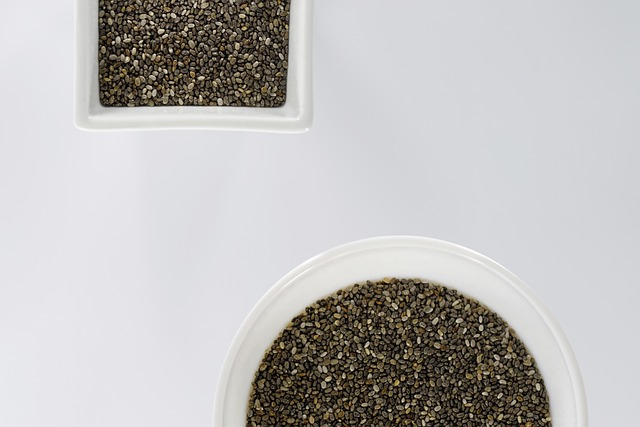
Integrating chia seeds effectively into a diet for metabolic support requires a focus on evidence-based principles, appropriate dosing, and mindful combination with other foods. The goal is to leverage their nutritional profile—specifically their high soluble fiber, alpha-linolenic acid (ALA), and mineral content—in a practical and sustainable way.
Key Integration Strategies
To maximize potential benefits for blood sugar regulation and satiety, consider these approaches:
- Pre-hydration is Key: Soaking 1-2 tablespoons of chia seeds in 1 cup of liquid (water, milk, or plant-based milk) for 15-30 minutes forms a gel. Consuming them in this state may enhance the viscosity-related effects on slowing gastric emptying and carbohydrate absorption, which is supported by mechanistic and some short-term human studies.
- Strategic Timing: Incorporating the chia gel at the start of a meal, particularly one containing carbohydrates, is a practical application of the evidence for modulating postprandial glycemia.
- Dose Considerations: Most clinical trials demonstrating metabolic effects, such as reduced post-meal blood sugar spikes or improved satiety, have used doses between 15-40 grams (approximately 1.5 to 4 tablespoons) per day. Starting at the lower end of this range allows the gastrointestinal system to adapt.
Evidence Context and Cautions
It is important to contextualize the evidence. While the mechanisms (high fiber, gel formation) are well-understood and short-term studies are promising, long-term, large-scale trials demonstrating definitive prevention of metabolic disease are limited. Chia seeds are a supportive dietary component, not a standalone intervention.
Clinical Perspective: From a dietary management standpoint, chia seeds are a useful tool for increasing fiber and healthy fat intake with minimal preparation. However, their effect is synergistic. They work best within a consistently balanced diet rich in vegetables, lean proteins, and whole grains, not as a compensatory addition to a poor-quality diet.
Who Should Exercise Caution: Individuals with a history of dysphagia (swallowing difficulties), esophageal strictures, or major gastrointestinal disorders like inflammatory bowel disease should consult a physician, as the gel-forming property may pose a risk. Those on blood-thinning medications or with upcoming surgical procedures should discuss ALA intake with their doctor due to its mild antiplatelet potential. Always increase fiber intake gradually with adequate water to prevent bloating or constipation.
The most practical takeaway is consistency. Regular, mindful integration—such as in overnight oats, smoothies, or as a gel-based topping—is more likely to contribute to metabolic health than sporadic, high-quantity consumption.
5. Safety Considerations and When to Consult a Healthcare Provider

While chia seeds are generally recognized as safe for most people when consumed in typical food amounts, their high concentration of fiber and specific nutrients necessitates a cautious, individualized approach. A responsible discussion of their metabolic benefits is incomplete without addressing key safety considerations.
Primary Safety Concerns and Contraindications
The most common adverse effects are gastrointestinal, stemming from the rapid introduction of a large fiber load. Symptoms like bloating, gas, and abdominal discomfort are typically dose-dependent and can be mitigated by starting with a small amount (e.g., one teaspoon daily) and increasing gradually with ample water intake.
Specific populations should exercise particular caution or avoid high intake without medical supervision:
- Individuals with swallowing difficulties or esophageal strictures: Dry chia seeds can absorb saliva and swell rapidly, posing a significant choking or obstruction risk. They must always be consumed pre-soaked or incorporated into wet foods like yogurt or oatmeal.
- Those with inflammatory bowel disease (IBD), diverticulitis, or a history of bowel obstructions: The high insoluble fiber content may exacerbate symptoms during active flare-ups. Consultation with a gastroenterologist is essential.
- People on specific medications: Due to their high soluble fiber content, chia seeds may theoretically slow gastric emptying and alter the absorption rate of oral medications. It is prudent to take medications at least 1-2 hours apart from a chia seed dose. This is especially critical for drugs with a narrow therapeutic index, such as certain anticoagulants, anti-seizure medications, and thyroid hormones.
- Individuals with a history of kidney stones (particularly calcium oxalate stones): Chia seeds contain moderate levels of oxalates. While evidence linking them to stone formation is not conclusive, those prone to oxalate stones may wish to moderate intake and discuss it with a nephrologist.
Clinical Insight: In practice, the most frequent issue I encounter is patients experiencing significant GI distress by adding a full tablespoon of dry chia seeds to their diet overnight. The metabolic benefits of fiber are accrued over time with consistent, tolerable intake. "Start low and go slow" is the guiding principle to improve adherence and avoid unnecessary discomfort that leads people to abandon a potentially helpful dietary change.
When to Consult a Healthcare Provider
You should seek personalized advice from a physician or registered dietitian before making chia seeds a dietary staple if you:
- Have a diagnosed chronic condition (e.g., diabetes, CKD, IBD, heart failure) where significant fluid or fiber shifts require management.
- Are planning for surgery, as dietary fiber intake may need adjustment in the perioperative period.
- Are pregnant or breastfeeding, to ensure dietary changes align with your specific nutritional needs.
- Experience persistent digestive symptoms despite gradual introduction.
- Are taking any of the medications mentioned above or have concerns about potential interactions.
In summary, chia seeds are a safe and nutritious food for the majority, but their potent effects demand respect. Integrating them thoughtfully and with professional guidance when risk factors are present ensures they support, rather than complicate, your metabolic health goals.
6. Questions & Expert Insights
Can chia seeds truly help with blood sugar control, and what does the evidence actually say?
Research suggests chia seeds can be a supportive component of a blood sugar management plan, but they are not a standalone treatment. The primary mechanism is their high soluble fiber content, which forms a gel in the stomach and slows the digestion and absorption of carbohydrates, leading to a more gradual rise in blood glucose after a meal. Several small human studies have shown modest improvements in post-meal blood sugar levels and insulin sensitivity when chia is incorporated into the diet. However, it's crucial to note that most studies are relatively short-term and involve small participant groups. The effect is likely most pronounced when chia seeds replace refined carbohydrates in a meal. The evidence is promising but preliminary; they should be viewed as a dietary adjunct, not a replacement for prescribed diabetes medications or a structured medical nutrition therapy plan.
What are the potential side effects or risks of adding chia seeds to my diet?
The most common issues are gastrointestinal, such as bloating, gas, or constipation, especially when intake is increased rapidly. To minimize this, start with a small dose (e.g., one teaspoon daily) and gradually increase to 1-2 tablespoons, ensuring adequate water intake. A significant, though less common, risk is esophageal obstruction. Dry chia seeds can absorb fluid and expand rapidly; consuming a large spoonful of dry seeds followed by a small amount of water can pose a choking hazard or cause a blockage. Always consume chia seeds that have been pre-soaked in liquid or are mixed into a moist food like yogurt or oatmeal. Individuals with swallowing difficulties, strictures, or certain gastrointestinal motility disorders should be particularly cautious and consult a doctor.
Who should avoid chia seeds or be extremely cautious with them?
Several groups should exercise caution or avoid chia seeds. Individuals with a history of diverticulitis are often advised to avoid small seeds during flare-ups, though this recommendation is evolving—consult your gastroenterologist. Those with kidney disease, especially on a potassium or phosphorus-restricted diet, should be aware that chia seeds are high in these minerals. People taking blood-thinning medications like warfarin should note chia seeds contain vitamin K (though not in extremely high amounts) and should maintain consistent intake to avoid interfering with medication stability. Anyone with a known allergy to sesame or mustard seeds may have a cross-reactivity. Lastly, individuals with a history of eating disorders should be mindful, as the intense focus on a single "superfood" can sometimes perpetuate disordered eating patterns.
When should I talk to my doctor about using chia seeds for metabolic support, and what should I bring to that conversation?
You should schedule a conversation with your doctor or a registered dietitian if you have a diagnosed metabolic condition (like type 2 diabetes, hypertension, or hypertriglyceridemia), are on any related medications, or have the contraindications mentioned above. Come prepared to discuss your complete health history and current medication and supplement list. Be specific about your intentions: state the amount (e.g., "I'm considering one tablespoon daily") and form (soaked, ground) of chia seeds you plan to use. Ask concrete questions: "Could this interact with my [specific medication]?" or "Given my recent [lab result], is there a reason to limit this?" This allows your provider to give personalized, safe guidance and may suggest monitoring certain lab values (like potassium or INR) to ensure safety alongside your current treatment plan.
7. In-site article recommendations
8. External article recommendations
9. External resources
The links below point to reputable medical and evidence-based resources that can be used for further reading. Always interpret them in the context of your own situation and your clinician’s advice.
-
drugs drugs.comchia seeds – Drugs.com (search)
-
mayoclinic mayoclinic.orgchia seeds – Mayo Clinic (search)
-
healthline healthline.comchia seeds – Healthline (search)
These external resources are maintained by third-party organisations. Their content does not represent the editorial position of this site and is provided solely to support readers in accessing additional professional information.