
1. Moringa and Metabolic Health: An Introductory Overview
Metabolic health refers to the optimal functioning of the body's biochemical processes that convert food into energy and manage vital functions. It encompasses key markers such as blood glucose regulation, lipid profiles, blood pressure, and body composition. Dysfunction in these areas, often termed metabolic syndrome, is a significant risk factor for type 2 diabetes, cardiovascular disease, and other chronic conditions. In the search for supportive dietary and botanical strategies, Moringa oleifera, a nutrient-dense plant native to parts of Asia and Africa, has garnered considerable scientific interest.
From a clinical perspective, the investigation into moringa is driven by its unique phytochemical profile. The leaves, seeds, and pods contain a complex array of bioactive compounds, including:
- Polyphenols (e.g., quercetin, chlorogenic acid): Known for their antioxidant and anti-inflammatory properties.
- Isothiocyanates: Compounds studied for their potential cellular protective effects.
- Vitamins and Minerals: Notably high levels of vitamin C, vitamin A (as beta-carotene), calcium, and potassium.
This composition suggests several plausible mechanisms by which moringa might influence metabolic pathways. Preliminary research, primarily from animal models and in vitro studies, points to potential benefits in improving insulin sensitivity, modulating lipid metabolism, and reducing oxidative stress—all central factors in metabolic health.
Expert Insight: It is crucial to distinguish between mechanistic plausibility and proven clinical efficacy. While the biochemical rationale for studying moringa is sound, the current evidence in humans is still emerging and often derived from small-scale, short-duration trials. Clinicians view it as a potential adjunct, not a replacement, for foundational lifestyle interventions like a balanced diet and regular physical activity.
The current body of evidence presents a mixed picture. Some human studies report modest improvements in post-meal blood glucose levels or reductions in LDL cholesterol, while others show negligible effects. These discrepancies often relate to differences in study design, moringa preparation (leaf powder vs. extract), dosage, and participant characteristics. Therefore, it is premature to make definitive health claims.
Individuals considering moringa supplementation should exercise caution. Those with underlying health conditions, particularly kidney disease (due to its high potassium content), those on medications for diabetes or hypertension (due to potential additive effects), and pregnant or breastfeeding women should consult a physician before use. The following chapters will provide a detailed, evidence-based analysis of moringa's specific interactions with blood sugar, lipids, and weight management, clearly delineating the strength of the available data.
2. Scientific Evidence and Proposed Mechanisms of Action
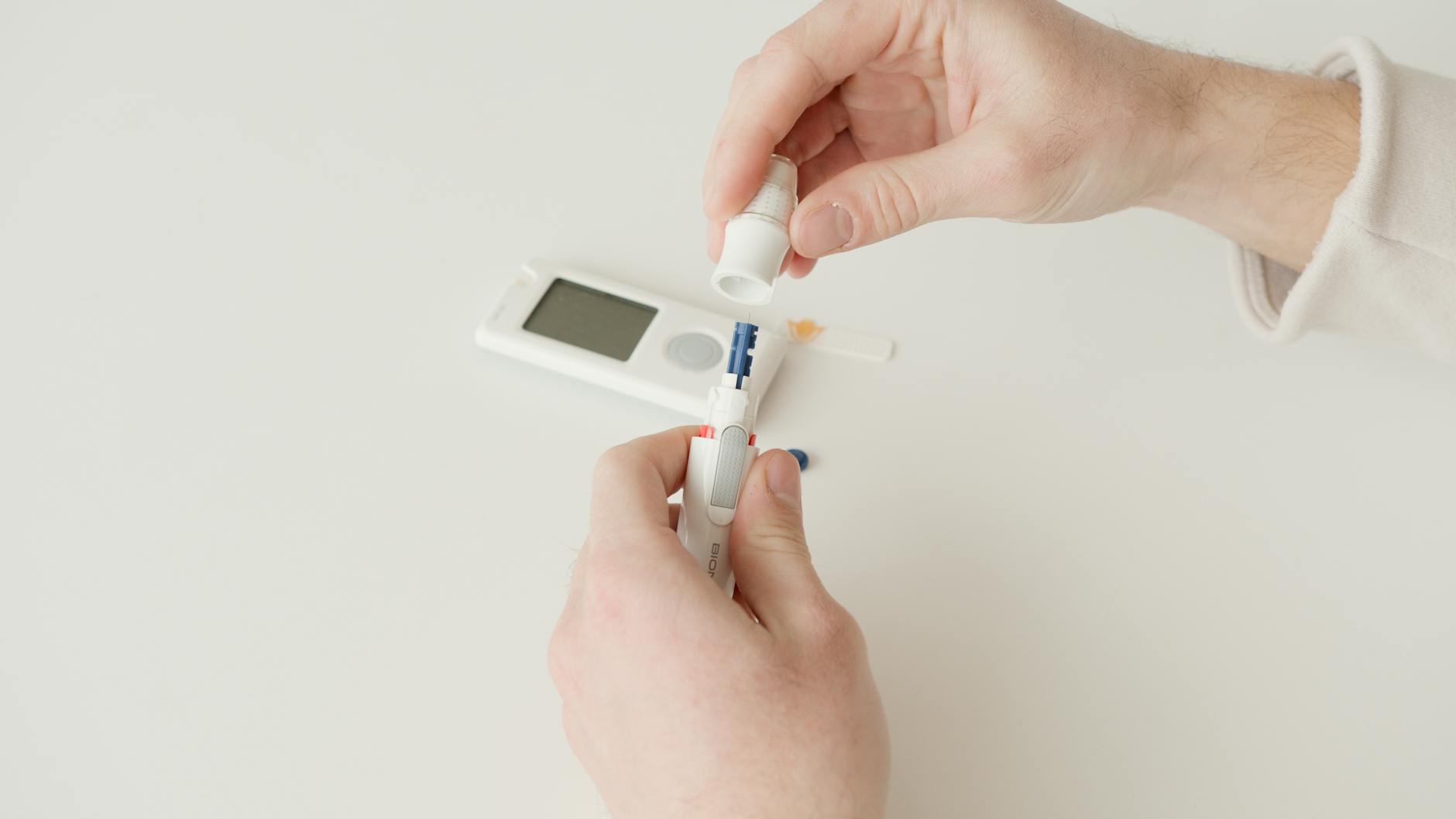
The scientific investigation into moringa's effects on metabolic parameters is an active area of research, with evidence primarily derived from preclinical (animal and cell culture) studies and a growing number of human clinical trials. The current body of evidence suggests potential benefits, but it is characterized by variability in study design, dosage, and participant populations.
Human clinical trials, while promising, are often limited by small sample sizes and short duration. For instance, several randomized controlled trials have reported that moringa leaf powder supplementation can lead to modest but statistically significant reductions in fasting blood glucose and postprandial glucose spikes in individuals with type 2 diabetes or prediabetes. Reductions in markers of oxidative stress and inflammation, such as C-reactive protein (CRP), have also been observed. However, results on lipid profiles (cholesterol, triglycerides) are more mixed, with some studies showing improvement and others showing no significant effect.
The proposed mechanisms behind these observed effects are multifaceted and largely attributed to moringa's dense profile of bioactive compounds:
- Antioxidant and Anti-inflammatory Activity: Compounds like quercetin, chlorogenic acid, and isothiocyanates may help reduce oxidative stress and chronic low-grade inflammation, both of which are key drivers of insulin resistance and metabolic dysfunction.
- Improved Glucose Metabolism: Some constituents appear to enhance insulin sensitivity in peripheral tissues and may inhibit enzymes involved in carbohydrate digestion (e.g., alpha-glucosidase), slowing glucose absorption.
- Lipid Modulation: Bioactive compounds may influence lipid metabolism by inhibiting cholesterol synthesis in the liver and enhancing fecal excretion of bile acids.
Clinical Perspective: From a mechanistic standpoint, moringa's actions align with known pathways for improving metabolic health. However, it is crucial to interpret these findings cautiously. The evidence, while encouraging, is not yet robust enough to recommend moringa as a standalone treatment for conditions like diabetes or dyslipidemia. It should be viewed as a potential complementary dietary adjunct, not a replacement for evidence-based medical therapy.
Individuals with diabetes, especially those on glucose-lowering medications (e.g., insulin, sulfonylureas), should exercise significant caution. Moringa may have additive hypoglycemic effects, necessitating careful blood glucose monitoring and potential medication adjustment under a physician's supervision. Those with kidney conditions or who are pregnant or breastfeeding should consult a healthcare provider before use due to limited safety data in these populations.
3. Risks, Contraindications, and Populations to Avoid

While moringa is generally considered safe for most people when consumed in typical food amounts, concentrated extracts, powders, and supplements present a different risk profile. A responsible approach requires understanding potential adverse effects, drug interactions, and specific populations for whom caution is paramount.
Potential Adverse Effects and Drug Interactions
High doses of moringa leaf powder or extracts can cause gastrointestinal upset, including nausea, diarrhea, and heartburn. More importantly, its pharmacological properties create a potential for clinically significant interactions:
- Blood Pressure and Diabetes Medications: Moringa may have hypotensive and hypoglycemic effects. Concurrent use with antihypertensives (e.g., lisinopril, amlodipine) or antidiabetic drugs (e.g., metformin, insulin) could potentiate these effects, leading to hypotension or dangerously low blood sugar (hypoglycemia).
- Thyroid Medications: Some evidence suggests moringa may influence thyroid hormone levels. Individuals on levothyroxine or other thyroid medications should use moringa with caution and under medical supervision to avoid destabilizing their thyroid function.
- Medications Metabolized by the Liver: Compounds in moringa may affect cytochrome P450 enzymes, potentially altering the metabolism and efficacy of many prescription drugs, including certain statins and anticoagulants.
Clinical Insight: The risk of interaction is highest with standardized extracts and supplements, not culinary use of the leaves. Patients on chronic medication should treat moringa supplementation as a new "drug" and discuss it with their physician or pharmacist. Monitoring of blood pressure, blood glucose, or relevant lab values may be advised during initial use.
Populations Requiring Special Caution or Avoidance
Certain groups should avoid moringa supplements or use them only under direct medical guidance:
- Pregnant Women: Compounds in the root, bark, and flowers may have uterine-stimulating properties. While leaf consumption in food amounts is likely safe, pregnant women are strongly advised to avoid concentrated supplements due to the theoretical risk of pregnancy complications.
- Individuals with Kidney or Liver Disease: The high mineral content (e.g., potassium) in concentrated powders could be problematic for those with impaired kidney function. The potential for hepatic enzyme modulation warrants caution in individuals with pre-existing liver conditions.
- Those Preparing for Surgery: Due to its potential effects on blood pressure and blood sugar, it is prudent to discontinue moringa supplements at least two weeks prior to any scheduled surgical procedure.
- People with Known Allergies: Although rare, allergic reactions to plants in the Moringaceae family are possible.
The evidence for many of these risks is derived from animal studies, traditional use cautions, and theoretical pharmacology, highlighting the need for more robust human safety data. For the general population, incorporating fresh moringa leaves as a vegetable is low-risk. However, transitioning to therapeutic doses via supplements necessitates a precautionary approach and professional consultation.
4. Practical, Evidence-Based Recommendations for Use
Based on the current state of research, moringa should be approached as a potential adjunct to, not a replacement for, foundational lifestyle interventions for metabolic health. The strongest evidence supports its role in modestly modulating postprandial blood glucose and lipid levels, while data on long-term weight management or diabetes control remains preliminary.
Dosage and Form
Human trials have used a wide range of doses, typically between 1.5 to 8 grams daily of powdered leaf. For a prudent starting point:
- Powdered Leaf: 1-2 teaspoons (approx. 3-6 grams) per day, often divided into two doses.
- Capsules: Follow the manufacturer's dosage, which usually aligns with 1-2 grams per capsule.
- Tea: Steep 1-2 teaspoons of dried leaves in hot water for 5-10 minutes.
Consistency is key; effects are related to regular, moderate intake rather than sporadic high doses. The bioavailability of certain compounds may be enhanced when taken with a meal containing fat.
Clinical Insight: In practice, I advise patients to start at the lower end of the dosage range for at least two weeks to assess tolerance. The goal is to integrate it as a dietary component, similar to adding a nutrient-dense green vegetable, rather than as a pharmaceutical agent. Its effects on blood sugar are mild and should not prompt any reduction in prescribed diabetes medication without direct medical supervision.
Integration and Safety Considerations
To integrate moringa practically:
- Mix powder into smoothies, soups, or sauces.
- Use it as a partial substitute for spinach or kale in recipes.
- Consider taking it with your largest meal to leverage its potential postprandial glucose-modulating effects.
Who should exercise caution or avoid use? The following groups should consult a physician before use:
- Individuals on diabetes medications (risk of additive hypoglycemia).
- Those on antihypertensive drugs (moringa may have additive blood pressure-lowering effects).
- Pregnant women (due to limited safety data and theoretical uterine stimulant properties of certain plant parts).
- Individuals with known allergies to plants in the Moringaceae family.
- Those with significant kidney or liver conditions, due to the potential for herb-drug interactions and variable product purity.
Finally, source matters. Choose reputable suppliers that provide third-party testing for contaminants like heavy metals and microbial pathogens, as the quality of herbal supplements is not uniformly regulated.
5. Safety Monitoring and Indications for Medical Consultation
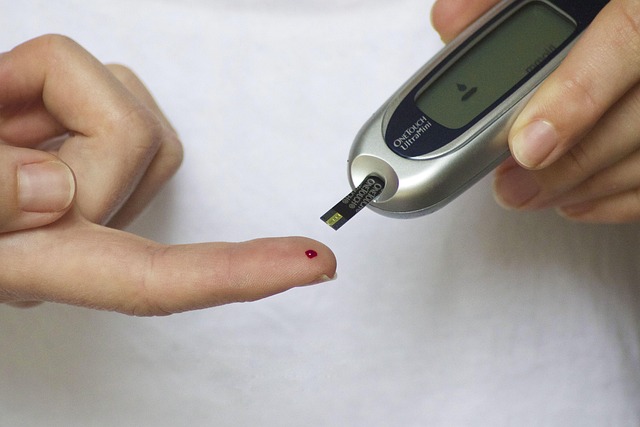
While moringa is generally considered safe as a food, its concentrated use as a supplement for metabolic health requires prudent safety monitoring. The evidence for its efficacy is primarily from short-term animal studies and small human trials, meaning long-term safety data in diverse populations is limited. A cautious, evidence-informed approach is essential.
Key Safety Considerations and Monitoring
Individuals considering moringa supplementation should be aware of several specific points:
- Medication Interactions: Moringa may lower blood sugar and blood pressure. For individuals on anti-diabetic (e.g., insulin, metformin) or anti-hypertensive medications, this could potentiate effects, leading to hypoglycemia or hypotension. Regular monitoring of blood glucose and blood pressure is advised, with potential dosage adjustments made only under medical supervision.
- Pregnancy and Lactation: Certain parts of the moringa plant, particularly the root and bark, contain compounds that may stimulate uterine contractions. While moringa leaf powder is often used for nutrition, pregnant individuals should avoid supplementation unless explicitly approved by their obstetrician.
- Underlying Health Conditions: Those with liver or kidney conditions should exercise caution. The plant's compounds are metabolized and excreted through these organs, and their impact on compromised function is not well-studied.
Clinical Perspective: In practice, clinicians view moringa as a potential adjunct, not a replacement, for standard metabolic care. The primary risk is unmonitored use alongside prescription therapies. A patient reporting "herbal fatigue" or dizziness may be experiencing an interaction, not a side effect of their primary medication. Full transparency about all supplements is a critical component of safe management.
Clear Indications for Medical Consultation
Consult a physician or a registered dietitian before starting moringa supplementation if you fall into any of the following categories:
- Are currently taking any prescription medications, especially for diabetes, hypertension, or thyroid disorders.
- Are pregnant, breastfeeding, or trying to conceive.
- Have a diagnosed chronic condition, particularly of the liver, kidneys, or thyroid.
- Are scheduled for surgery, as it may affect blood sugar and pressure control during the procedure.
- Experience any adverse effects such as gastrointestinal upset, headaches, or allergic reactions after consumption.
The current evidence, while promising for certain metabolic parameters, does not yet support moringa as a standalone treatment. Its role is best evaluated within an individual's complete health picture by a qualified professional who can help weigh potential benefits against personal risks.
6. Questions & Expert Insights
Can Moringa really help with blood sugar control?
Current evidence is promising but preliminary. Several small, short-term human trials and numerous animal studies suggest that compounds in moringa leaves, such as isothiocyanates and chlorogenic acid, may improve insulin sensitivity and reduce post-meal blood sugar spikes. A 2022 systematic review noted significant reductions in fasting blood glucose in participants with type 2 diabetes taking moringa leaf powder. However, the quality of evidence is limited by small sample sizes, varying dosages, and short study durations. It is crucial to understand that moringa is not a substitute for prescribed diabetes medication or lifestyle management. Its potential role is as a supportive dietary adjunct, and its effects can vary significantly between individuals.
What are the risks or side effects, and who should avoid moringa?
While generally considered safe as a food, concentrated moringa supplements pose specific risks. The root and bark contain potentially toxic alkaloids and should be avoided. Leaf powder and extracts may cause digestive upset, such as gas or diarrhea, especially at high doses. Crucially, moringa may have blood-thinning properties and could lower blood pressure, posing risks for individuals on anticoagulants (e.g., warfarin) or antihypertensive drugs. Due to its potential uterine-stimulating effects, it is strongly contraindicated during pregnancy. Individuals with thyroid disorders should use caution, as moringa may influence thyroid hormone metabolism. Those with kidney issues should consult a doctor, as high potassium content could be problematic.
When should I talk to my doctor about taking moringa, and what should I bring to that conversation?
You should consult your doctor or a registered dietitian before starting moringa if you have any diagnosed medical condition (especially diabetes, hypertension, thyroid disorders, or kidney/liver disease) or are taking any prescription medications. This is critical to assess potential interactions and avoid adverse effects. For a productive conversation, bring a list of all your current medications and supplements, including dosages. Specify the exact moringa product you're considering (e.g., leaf powder, capsule, extract) and its proposed dosage. Be prepared to discuss your specific health goals (e.g., "managing post-meal sugars" or "reducing inflammation") so your provider can give personalized, evidence-based advice that integrates moringa safely into your overall care plan.
Is the evidence for moringa's impact on cholesterol and inflammation strong?
The evidence for moringa's effects on lipid profiles and inflammatory markers is suggestive but not conclusive. Some human studies report modest reductions in LDL ("bad") cholesterol and triglycerides, while others show no significant effect. The anti-inflammatory potential, primarily observed in lab and animal studies, is attributed to antioxidants like quercetin and kaempferol. In humans, direct evidence is sparse. The limitations are consistent: studies are often small, of short duration, and use different moringa preparations. While incorporating moringa leaves as part of a vegetable-rich diet aligns with general heart-healthy and anti-inflammatory dietary patterns, one should not rely on moringa supplements alone for managing hyperlipidemia or chronic inflammatory conditions, which require comprehensive medical management.
7. In-site article recommendations
8. External article recommendations
9. External resources
The links below point to reputable medical and evidence-based resources that can be used for further reading. Always interpret them in the context of your own situation and your clinician’s advice.
-
wikipedia wikipedia.orgMoringa oleifera – Wikipedia (search)
-
mayoclinic mayoclinic.orgMoringa oleifera – Mayo Clinic (search)
-
drugs drugs.comMoringa oleifera – Drugs.com (search)
These external resources are maintained by third-party organisations. Their content does not represent the editorial position of this site and is provided solely to support readers in accessing additional professional information.