
1. Introduction to GLP-1 Medications and Their Clinical Context
Glucagon-like peptide-1 (GLP-1) receptor agonists are a class of medications that have fundamentally altered the therapeutic landscape for type 2 diabetes and, more recently, chronic weight management. Their development is rooted in the study of incretin hormones—naturally occurring peptides released from the gut in response to food intake that enhance insulin secretion. The clinical journey of these agents provides essential context for understanding their current applications and mechanisms.
Originally developed for glycemic control, GLP-1 medications mimic the action of the endogenous GLP-1 hormone. Their primary, well-established mechanisms of action include:
- Glucose-dependent insulin secretion: Stimulating the pancreas to release insulin only when blood glucose levels are elevated, which reduces the risk of hypoglycemia compared to some older diabetes drugs.
- Suppression of glucagon: Inhibiting the release of glucagon, a hormone that raises blood sugar, post-meal.
- Slowing of gastric emptying: Delaying the rate at which food leaves the stomach, contributing to a feeling of fullness.
It was the consistent observation of weight loss as a secondary benefit in diabetes trials that propelled the investigation of specific GLP-1 receptor agonists for obesity. The evidence for their efficacy in weight management is now robust, supported by multiple large-scale, randomized controlled trials. However, it is crucial to distinguish this strong evidence for approved agents from the more preliminary data surrounding other compounds or off-label use.
Clinical Context Note: The transition from a diabetes to a weight management indication represents a significant shift in patient population and monitoring priorities. While the core pharmacodynamics are similar, the dosing, treatment goals, and necessary pre-treatment screening (e.g., for thyroid cancer risk, pancreatitis history) differ. Clinicians must apply the specific evidence and guidelines relevant to the intended use.
These medications are not suitable for everyone. Individuals with a personal or family history of medullary thyroid carcinoma (MTC) or Multiple Endocrine Neoplasia syndrome type 2 (MEN 2) are generally contraindicated from using them. Caution is also advised for those with a history of pancreatitis, severe gastrointestinal disease, or kidney impairment. Anyone considering a GLP-1 medication must consult a physician for a comprehensive evaluation of their individual risks, benefits, and appropriate treatment pathway.
2. Evidence-Based Mechanisms: How GLP-1 Medications Influence Appetite and Metabolism
Glucagon-like peptide-1 (GLP-1) receptor agonists, such as semaglutide and tirzepatide, are not simple appetite suppressants. Their effects are mediated through complex, evidence-based physiological mechanisms that influence both the brain and peripheral metabolism. Understanding these pathways is key to appreciating their clinical effects and limitations.
Central Appetite Regulation
The most well-established mechanism is the direct action on the central nervous system. GLP-1 receptors are densely located in brain regions critical for appetite control, including the hypothalamus and brainstem. When activated, these receptors:
- Promote satiety: They enhance signals of fullness during and after meals, leading to reduced food intake.
- Reduce food reward: Imaging studies show they can decrease activity in brain areas associated with food craving and reward, potentially reducing the desire for highly palatable foods.
- Slow gastric emptying: By acting on receptors in the stomach, these medications delay the rate at which food leaves the stomach. This prolongs gastric distension, sending sustained satiety signals to the brain.
Metabolic and Hormonal Effects
Beyond appetite, GLP-1 medications exert critical metabolic actions, primarily well-documented in individuals with type 2 diabetes:
- Glucose-dependent insulin secretion: They stimulate insulin release from pancreatic beta cells only when blood glucose is elevated, minimizing the risk of hypoglycemia.
- Glucagon suppression: They inhibit the release of glucagon, a hormone that raises blood sugar, thereby improving glycemic control.
- Potential for increased energy expenditure: Some animal and human studies suggest these drugs may slightly increase resting energy expenditure or promote preferential fat loss, but this evidence is more preliminary and requires further confirmation in long-term human trials.
Clinical Perspective: It's crucial to distinguish between mechanisms with robust human data (appetite suppression, gastric emptying, glycemic effects) and those still under investigation. The weight loss results from a multifactorial process, not a single "metabolism booster." Patients should be aware that individual responses can vary based on genetics, diet, and underlying health conditions.
Who should exercise caution? The mechanisms of slowed gastric emptying can exacerbate symptoms in individuals with gastroparesis, severe gastroesophageal reflux disease (GERD), or a history of pancreatitis. Those with a personal or family history of medullary thyroid carcinoma or Multiple Endocrine Neoplasia syndrome type 2 should avoid this drug class due to contraindications. Anyone considering these medications, especially for weight management, should consult a physician for a comprehensive risk-benefit assessment.
3. Risks, Side Effects, and Contraindications: Who Should Exercise Caution
While GLP-1 receptor agonists are effective and generally well-tolerated, they are potent medications with a distinct side effect profile and specific contraindications. A thorough understanding of these is essential for safe use.
Common and Gastrointestinal Side Effects
The most frequently reported adverse effects are gastrointestinal, stemming from the drug's direct action on gut motility and central appetite centers. These are often dose-dependent and may improve over time.
- Nausea, Vomiting, and Diarrhea: These are the most common, affecting a significant minority of users, especially during dose escalation.
- Constipation and Abdominal Pain: Also frequently observed and can impact medication adherence.
Clinical Insight: Managing GI side effects is a cornerstone of GLP-1 therapy. Clinicians typically advise starting at the lowest dose, escalating slowly, and taking the medication with a small meal. Persistent, severe symptoms warrant medical evaluation to rule out more serious conditions like pancreatitis.
Serious Risks and Precautions
Beyond common side effects, there are rarer but more serious risks that necessitate caution.
- Pancreatitis: Cases of acute pancreatitis have been reported. Patients should be advised to seek immediate care for severe, persistent abdominal pain.
- Gallbladder Disease: Rapid weight loss is a known risk factor for cholelithiasis (gallstones), which appears to be increased with GLP-1 use.
- Hypoglycemia: When used with insulin or insulin secretagogues (e.g., sulfonylureas), the risk of hypoglycemia increases significantly, requiring careful dose adjustment of the concomitant therapy.
- Medullary Thyroid Carcinoma (MTC): GLP-1 medications are contraindicated in patients with a personal or family history of MTC or in patients with Multiple Endocrine Neoplasia syndrome type 2 (MEN 2). This is based on rodent studies; human relevance is uncertain but strictly observed.
Key Contraindications and Populations for Caution
Certain individuals should avoid GLP-1 medications or use them only under close specialist supervision.
- Absolute Contraindications: History of MTC or MEN 2; personal history of pancreatitis related to a GLP-1 agonist.
- Require Extreme Caution/Medical Supervision: Patients with a history of pancreatitis, severe gastrointestinal disease (e.g., gastroparesis, IBD), severe renal impairment, or end-stage renal disease. Dose adjustment may be needed for moderate renal impairment.
- Pregnancy and Lactation: Data is limited. Use is generally not recommended unless the potential benefit justifies the potential risk to the fetus.
- History of Eating Disorders: The potent appetite-suppressing effects can be psychologically harmful in this population and require careful, multidisciplinary evaluation before consideration.
Initiating a GLP-1 medication requires a personalized risk-benefit assessment conducted by a qualified healthcare professional who can review the patient's full medical history and current medication regimen.
4. Practical Takeaways for Patients on GLP-1 Therapy
Understanding the practical implications of GLP-1 receptor agonist therapy can help you manage expectations and collaborate more effectively with your healthcare provider. The primary goal of this treatment is to improve metabolic health, with weight reduction being a beneficial outcome of its appetite and gastric motility effects.
Managing Expectations and Side Effects
The onset of effects is not immediate. It typically takes several weeks for the medication to reach a steady concentration in your body and for the full appetite-suppressing and metabolic effects to become apparent. Gastrointestinal side effects like nausea, vomiting, or diarrhea are common, especially during dose escalation. These can often be mitigated by:
- Starting at the lowest prescribed dose and titrating up slowly as directed.
- Eating smaller, more frequent meals.
- Choosing bland, low-fat foods initially.
- Staying well-hydrated.
Persistent or severe side effects should be reported to your doctor, as they may necessitate adjusting your dosing schedule or switching medications.
Clinical Insight: The weight loss plateau is a normal physiological response, not a sign of treatment failure. As body mass decreases, energy expenditure also drops. Combining medication with sustainable lifestyle modifications is critical for long-term success beyond what pharmacology alone can provide.
Synergizing with Lifestyle Modifications
GLP-1 therapy is most effective when used as an adjunct to foundational lifestyle changes. The medication can make implementing these changes easier by reducing food cravings and increasing satiety.
- Nutrition: Use the reduced appetite to consciously choose nutrient-dense, whole foods. Prioritize lean protein, fiber, and vegetables to support satiety and muscle preservation.
- Physical Activity: Incorporate both resistance training and cardiovascular exercise. This is crucial for preserving lean muscle mass, which supports metabolic rate and functional health.
- Behavioral Strategies: Mindful eating, regular meal patterns, and adequate sleep are essential components that the medication does not address directly.
Important Cautions and Monitoring
Certain individuals should exercise particular caution. Those with a personal or family history of medullary thyroid carcinoma or Multiple Endocrine Neoplasia syndrome type 2 should not use this drug class. Patients with a history of pancreatitis, severe gastrointestinal disease, or diabetic retinopathy require careful discussion with their specialist. Furthermore, individuals with a history of eating disorders should only use these medications under very close supervision from a mental health professional and physician.
Regular follow-up with your healthcare team is non-negotiable. This allows for monitoring of metabolic markers (like blood glucose and HbA1c), assessment of side effects, evaluation of cardiovascular and renal benefits, and appropriate dose adjustments. Never discontinue or adjust your dose without consulting your prescriber.
5. Safety Considerations and When to Seek Medical Advice
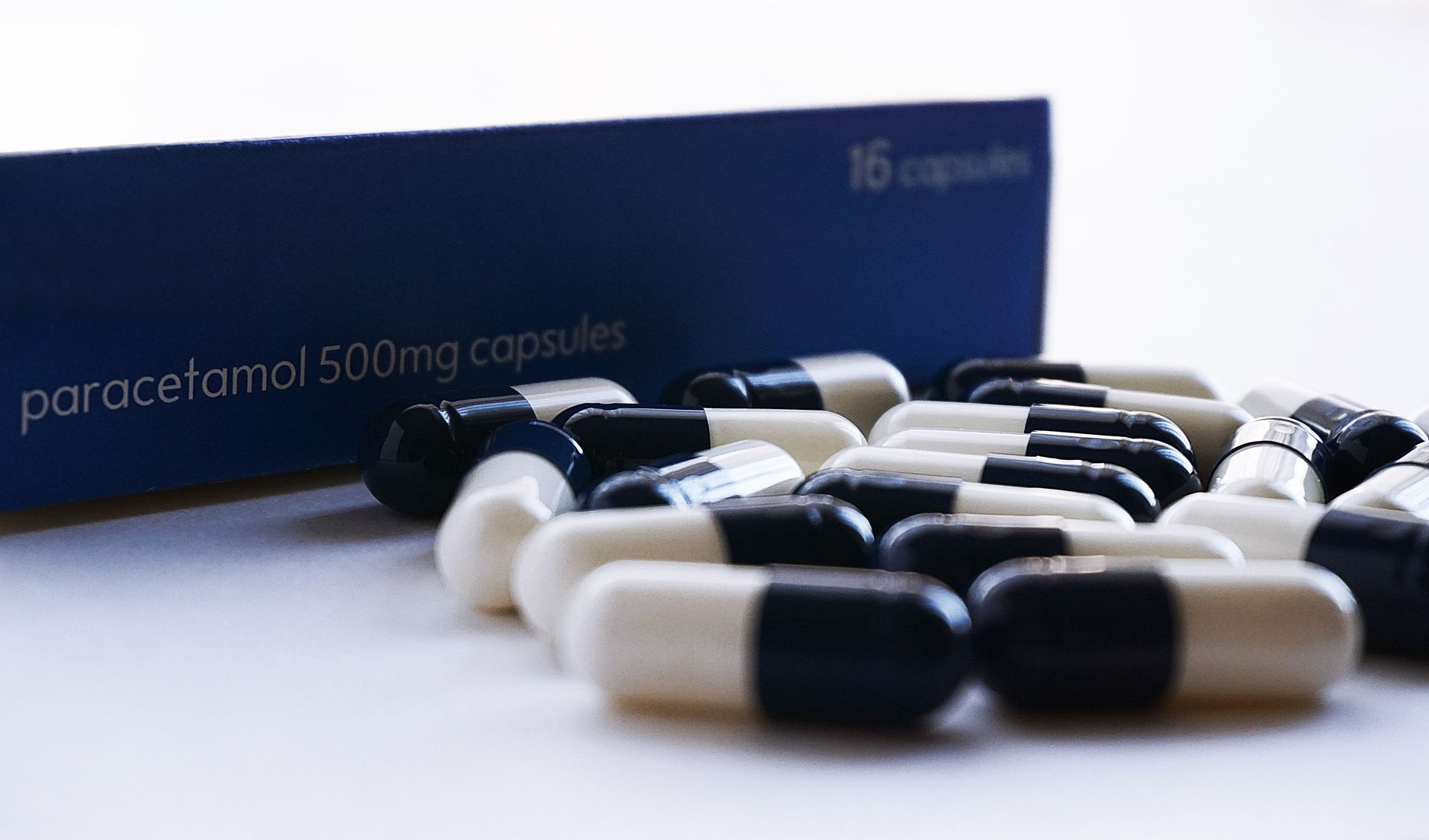
GLP-1 receptor agonists are powerful prescription medications with well-documented benefits, but their use requires careful consideration of potential risks and contraindications. A thorough medical evaluation is essential before initiating therapy to ensure safety and appropriateness.
Common and Manageable Side Effects
The most frequently reported adverse effects are gastrointestinal, stemming directly from the drug's mechanism of slowing gastric emptying and acting on brain centers. These are often dose-dependent and may improve over time.
- Nausea, Vomiting, and Diarrhea: These are the most common reasons for discontinuation. Starting at a low dose and titrating slowly can help mitigate these effects.
- Constipation and Abdominal Discomfort: Adequate hydration, fiber intake, and physical activity are first-line management strategies.
Serious Risks and Contraindications
While less common, certain risks require immediate medical attention and preclude use in specific populations.
- Medullary Thyroid Carcinoma (MTC): GLP-1 medications are contraindicated in patients with a personal or family history of MTC or in those with Multiple Endocrine Neoplasia syndrome type 2 (MEN 2). This is based on rodent studies; the relevance to humans remains uncertain but is a strict safety precaution.
- Pancreatitis: Patients should be advised to seek urgent care for severe, persistent abdominal pain. While a causal link is debated, a history of pancreatitis is often considered a contraindication.
- Gallbladder Disease: Rapid weight loss can increase the risk of cholelithiasis (gallstones). Symptoms like right upper quadrant pain should be evaluated.
- Hypoglycemia: Significant risk is primarily when GLP-1 agonists are used with insulin or insulin secretagogues (e.g., sulfonylureas). Dose adjustments of these concomitant therapies are often necessary.
Clinical Insight: The decision to prescribe a GLP-1 medication involves a risk-benefit analysis tailored to the individual. We assess not just BMI and comorbidities, but also renal function (dose adjustment required for some agents), history of diabetic retinopathy (a signal in some trials), and the patient's psychological relationship with food, as these drugs are not suitable for those with active eating disorders. Polypharmacy and the potential for dehydration from GI side effects in elderly patients are also key considerations.
When to Seek Immediate Medical Advice
Patients should contact their healthcare provider promptly if they experience:
- Severe abdominal pain that may radiate to the back.
- Signs of an allergic reaction (hives, difficulty breathing, swelling).
- Persistent, severe nausea/vomiting leading to dehydration.
- Changes in vision or new eye symptoms.
- Palpitations or a rapid heart rate.
Ultimately, these medications are a tool to be used under ongoing medical supervision. Regular follow-up is crucial to monitor efficacy, manage side effects, adjust doses, and ensure the treatment aligns with the patient's overall health goals.
6. Questions & Expert Insights
Do GLP-1 medications just make you feel full, or do they actually change your metabolism?
GLP-1 medications exert a dual effect. Their primary and most immediate action is on appetite regulation. By mimicking the natural GLP-1 hormone, they slow gastric emptying and act directly on receptors in the brain's appetite centers (like the hypothalamus), promoting a profound and sustained feeling of fullness (satiety) and reducing food-seeking "reward" signals. Regarding metabolism, the evidence is more nuanced. These drugs do not dramatically increase basal metabolic rate in the way a thyroid hormone might. However, by facilitating significant weight loss, they can improve metabolic parameters: reducing liver fat, improving insulin sensitivity, and lowering blood glucose. This creates a healthier metabolic environment, but the direct "metabolism-boosting" effect is indirect and secondary to weight loss.
What are the most common and serious side effects, and who should be especially cautious?
The most frequent side effects are gastrointestinal: nausea, vomiting, diarrhea, and constipation. These are often dose-dependent and may subside over time. More serious, though rarer, risks include pancreatitis, gallbladder disease, and acute kidney injury (often related to dehydration from GI side effects). There is also a boxed warning for thyroid C-cell tumors in rodents; human relevance is unclear, but these drugs are contraindicated in patients with a personal or family history of Medullary Thyroid Carcinoma (MTC) or Multiple Endocrine Neoplasia syndrome type 2 (MEN 2). Individuals with a history of pancreatitis, severe gastroparesis, or severe renal impairment should also avoid or use them with extreme caution. The risk of hypoglycemia increases when combined with insulin or sulfonylureas.
If I stop taking a GLP-1 medication, will my appetite come back worse than before?
Current evidence does not suggest your appetite will return "worse" in a physiological sense. However, the powerful satiety signal provided by the medication will cease. If the underlying behavioral and environmental drivers of calorie intake have not been addressed, appetite and hunger cues will likely return to their pre-treatment baseline. This is why weight regain is common after discontinuation, as observed in clinical trial extension studies. The key takeaway is that these medications are tools for managing a chronic biological condition. For sustained benefits, they are often considered for long-term use, similar to medications for hypertension or high cholesterol. Stopping without a maintenance plan that addresses diet, physical activity, and behavior typically leads to a reversal of the weight and metabolic benefits.
When should I talk to my doctor about GLP-1s, and what information should I prepare?
Initiate a conversation with your doctor if you have a body mass index (BMI) ≥30, or a BMI ≥27 with at least one weight-related comorbidity (e.g., type 2 diabetes, hypertension, dyslipidemia, sleep apnea) and lifestyle interventions have not yielded sufficient results. Before the appointment, prepare: 1) A detailed medical history, including any personal or family history of thyroid cancer (especially MTC), pancreatitis, gallbladder, kidney, or psychiatric disease. 2) A complete list of all current medications and supplements. 3) A record of your weight history and previous weight loss attempts. 4) Your specific goals (e.g., weight loss, improved blood sugar control). This information allows for a thorough risk-benefit discussion, ensuring the choice of medication (if any) is tailored to your health profile and that a monitoring plan for efficacy and safety is established.
7. In-site article recommendations
8. External article recommendations
9. External resources
The links below point to reputable medical and evidence-based resources that can be used for further reading. Always interpret them in the context of your own situation and your clinician’s advice.
-
drugs drugs.comGLP-1 medications – Drugs.com (search)
-
examine examine.comGLP-1 medications – Examine.com (search)
-
wikipedia wikipedia.orgGLP-1 medications – Wikipedia (search)
These external resources are maintained by third-party organisations. Their content does not represent the editorial position of this site and is provided solely to support readers in accessing additional professional information.