
1. Introduction to Exercise and Hormonal Balance
The human endocrine system is a complex network of glands and hormones that regulates nearly every physiological process, from metabolism and stress response to reproduction and mood. Hormonal balance is not a static state but a dynamic equilibrium, constantly adjusting to internal and external cues. Physical activity is one of the most potent of these external cues, capable of inducing significant, and often beneficial, shifts in this delicate hormonal landscape.
Exercise acts as a powerful signal, triggering acute and chronic adaptations across multiple hormonal axes. Key systems influenced include:
- The Hypothalamic-Pituitary-Adrenal (HPA) Axis: Governs the stress response via cortisol.
- The Hypothalamic-Pituitary-Gonadal (HPG) Axis: Regulates sex hormones like estrogen, progesterone, and testosterone.
- Insulin and Glucagon: Critical hormones for blood glucose regulation and energy metabolism.
- Thyroid Hormones: Influence metabolic rate and energy production.
The relationship between exercise and hormones is dose-dependent and non-linear. While moderate, regular exercise is generally associated with improved hormonal sensitivity and regulation, extremes—either excessive high-volume training or chronic inactivity—can lead to dysregulation. For instance, consistent aerobic and resistance training can enhance insulin sensitivity, a well-established effect with strong evidence. In contrast, the evidence for exercise's impact on thyroid hormones in healthy individuals is more nuanced and context-dependent.
Clinical Perspective: When evaluating hormonal health, clinicians consider exercise as a foundational lifestyle factor. However, it is rarely a standalone solution. The effects are interwoven with nutrition, sleep, and underlying health conditions. A patient presenting with symptoms of hormonal imbalance requires a comprehensive assessment; simply advising "exercise more" can be insufficient or, in cases of overtraining syndrome, counterproductive.
This chapter introduces the core concepts of how physical activity communicates with the endocrine system. It sets the stage for examining specific findings from long-term observational studies, like those conducted at Harvard, which help clarify the associations between consistent exercise patterns and long-term hormonal health outcomes in large populations. It is crucial to note that while such studies can identify powerful correlations and suggest mechanisms, they operate within the inherent limitations of epidemiological research.
Who should be cautious: Individuals with known endocrine disorders (e.g., diabetes, thyroid disease, adrenal insufficiency), those experiencing symptoms of severe hormonal imbalance (e.g., amenorrhea, unexplained fatigue), or anyone new to exercise with pre-existing health conditions should consult a physician before significantly altering their physical activity regimen. Personalized guidance is essential.
2. Evidence and Mechanisms from the Harvard Study
The Harvard study in question, often referencing the long-running Nurses' Health Study and related research, provides robust observational data linking regular physical activity to improved hormonal profiles. The evidence is strongest for its impact on insulin and sex hormones, particularly in the context of metabolic and reproductive health.
The primary mechanisms identified involve systemic improvements in metabolic function and inflammation. Exercise enhances insulin sensitivity, meaning cells respond more effectively to insulin. This reduces the need for the pancreas to produce excessive amounts, lowering circulating insulin levels. Chronically high insulin (hyperinsulinemia) is a key driver of hormonal imbalance, as it can stimulate ovarian androgen production and disrupt sex hormone-binding globulin (SHBG).
- Improved Insulin Sensitivity: This is the most well-established mechanism. Both aerobic and resistance training increase glucose uptake by muscles, directly countering insulin resistance.
- Modulation of Sex Hormones: By improving insulin sensitivity, exercise can help lower testosterone levels in conditions like polycystic ovary syndrome (PCOS) and increase SHBG, which binds to sex hormones and regulates their bioavailability.
- Reduction of Chronic Inflammation: Physical activity lowers pro-inflammatory cytokines (e.g., TNF-α, IL-6). Since inflammation can disrupt hypothalamic-pituitary signaling (e.g., the HPA and HPG axes), this reduction supports more stable hormonal communication.
- Stress Hormone Regulation: Evidence here is more nuanced. While chronic exercise adaptively improves the body's response to stress, intense, prolonged exercise without adequate recovery can temporarily elevate cortisol.
It is crucial to interpret this evidence with its inherent limitations. The foundational data is largely observational, demonstrating correlation, not direct causation. While mechanistic pathways are biologically plausible and supported by shorter-term intervention studies, individual responses to exercise vary significantly based on genetics, baseline health, exercise type, intensity, and nutritional status.
Clinical Perspective: From an endocrinology standpoint, exercise is considered a cornerstone of lifestyle therapy for hormonal conditions like insulin resistance and PCOS. However, it is not a monotherapy. The benefits are dose-dependent and synergistic with nutrition. For individuals with established hormonal disorders, thyroid dysfunction, adrenal fatigue, or a history of hypothalamic amenorrhea, an inappropriate exercise regimen (e.g., excessive high-intensity training with caloric deficit) can exacerbate imbalances. A tailored approach is essential.
Those with known cardiovascular, metabolic, or musculoskeletal conditions, or anyone new to vigorous exercise, should consult a physician before significantly altering their activity levels. The goal is to use exercise as a sustainable tool for metabolic health, which in turn creates a more favorable environment for hormonal balance.
3. Risks and Populations to Exercise Caution

While the evidence linking regular physical activity to improved hormonal regulation is robust, a one-size-fits-all approach is neither safe nor effective. The principle of "start low and go slow" is paramount, particularly for individuals with pre-existing health conditions or specific physiological states. The hormonal adaptations to exercise are complex, and in certain contexts, intense or inappropriate activity can induce stress responses that may be counterproductive.
Several populations should exercise particular caution and ideally consult a physician or relevant specialist before initiating or significantly altering an exercise program:
- Individuals with Cardiovascular or Metabolic Conditions: Those with uncontrolled hypertension, coronary artery disease, or diabetes require tailored guidance. Exercise can acutely affect blood pressure, glucose levels, and catecholamine release (like adrenaline). Medical supervision ensures safety and appropriate intensity.
- People with Hormonal Disorders: For individuals with diagnosed thyroid disorders, adrenal insufficiency (e.g., Addison's disease), or significant sex hormone imbalances, exercise can interact with their condition and medication. For example, excessive exercise can exacerbate cortisol dysregulation in adrenal fatigue.
- Those in a State of Overtraining or High Life Stress: Chronic, intense exercise without adequate recovery elevates cortisol chronically. For someone already in a high-stress state, adding strenuous workouts can further dysregulate the hypothalamic-pituitary-adrenal (HPA) axis, potentially worsening fatigue, sleep, and hormonal balance.
- Individuals with a History of Eating Disorders or Relative Energy Deficiency in Sport (RED-S): Exercise in the context of low energy availability is a potent disruptor of the hypothalamic-pituitary-gonadal axis, leading to menstrual dysfunction in women and low testosterone in men. Prioritizing nutritional adequacy is non-negotiable.
- Pregnant and Postpartum Women: Hormonal shifts are profound during this period. While exercise is generally beneficial, the type, intensity, and volume must be adapted. Activities with high fall risk or impact may be contraindicated, and core/pelvic floor considerations are critical postpartum.
Clinical Perspective: The goal is "hormetic" stress—a controlled, adaptive dose that strengthens systems. The line between hormesis and harmful stress is individual. Key red flags include exercise that consistently disrupts sleep, increases injury frequency, or leads to persistent fatigue and irritability. These are signs the regimen may be exacerbating, not alleviating, hormonal strain. A healthcare provider can help interpret these signals.
In summary, exercise is a powerful tool for hormonal health, but it must be applied with precision. The strongest evidence supports moderate, consistent, and recovery-focused activity. For the populations mentioned, and for anyone with unexplained symptoms, professional medical advice is the essential first step to ensuring exercise supports, rather than undermines, endocrine balance.
4. Practical Evidence-Based Takeaways

The findings from the Harvard study and related research provide a robust framework for using exercise as a tool to support hormonal health. The most compelling evidence supports the role of regular physical activity in improving insulin sensitivity and modulating cortisol rhythms. These are foundational mechanisms that influence a wide range of other hormones, including sex hormones like estrogen and testosterone.
Based on the current evidence, the following practical takeaways are most strongly supported:
- Prioritize Consistency Over Intensity: Regular, moderate-intensity exercise (e.g., 150 minutes per week of brisk walking, cycling) appears to offer the most reliable benefits for metabolic and stress-hormone regulation for the general population. This consistency is key for sustaining improvements in insulin sensitivity.
- Incorporate Strength Training: Resistance exercise (2-3 times per week) is strongly linked to favorable changes in insulin-like growth factor-1 (IGF-1) and supports healthy testosterone and growth hormone profiles, which are crucial for muscle maintenance and metabolic rate.
- Time Your Exercise for Circadian Support: Morning or afternoon exercise can help reinforce healthy cortisol patterns—elevating it appropriately in the morning and allowing it to decline steadily in the evening, which supports sleep and recovery.
Areas with more preliminary or nuanced evidence include the optimal exercise "prescription" for specific hormonal conditions like polycystic ovary syndrome (PCOS) or clinical hypothyroidism. While exercise is universally beneficial, the ideal type, duration, and intensity may vary individually.
Clinical Perspective: From an endocrinology standpoint, exercise is a potent first-line intervention, but it is not a monotherapy for diagnosed hormonal disorders. Its effects are synergistic with nutrition, sleep, and stress management. Clinicians view these exercise principles as a core part of a holistic treatment plan, not a replacement for necessary medical therapy.
Important Cautions: Individuals with known hormonal conditions (e.g., adrenal insufficiency, uncontrolled hyperthyroidism), significant cardiovascular disease, or those who are pregnant should consult their physician or a relevant specialist to tailor an exercise plan. Those recovering from eating disorders or with a history of overtraining should focus on gentle, non-stressful movement under professional guidance, as intense exercise can further dysregulate cortisol and reproductive hormones.
The overarching takeaway is that exercise acts as a fundamental modulator of the endocrine system. A balanced, consistent routine that includes both aerobic and resistance training offers the strongest evidence-based foundation for supporting hormonal balance.
5. Safety Considerations and When to Consult a Doctor
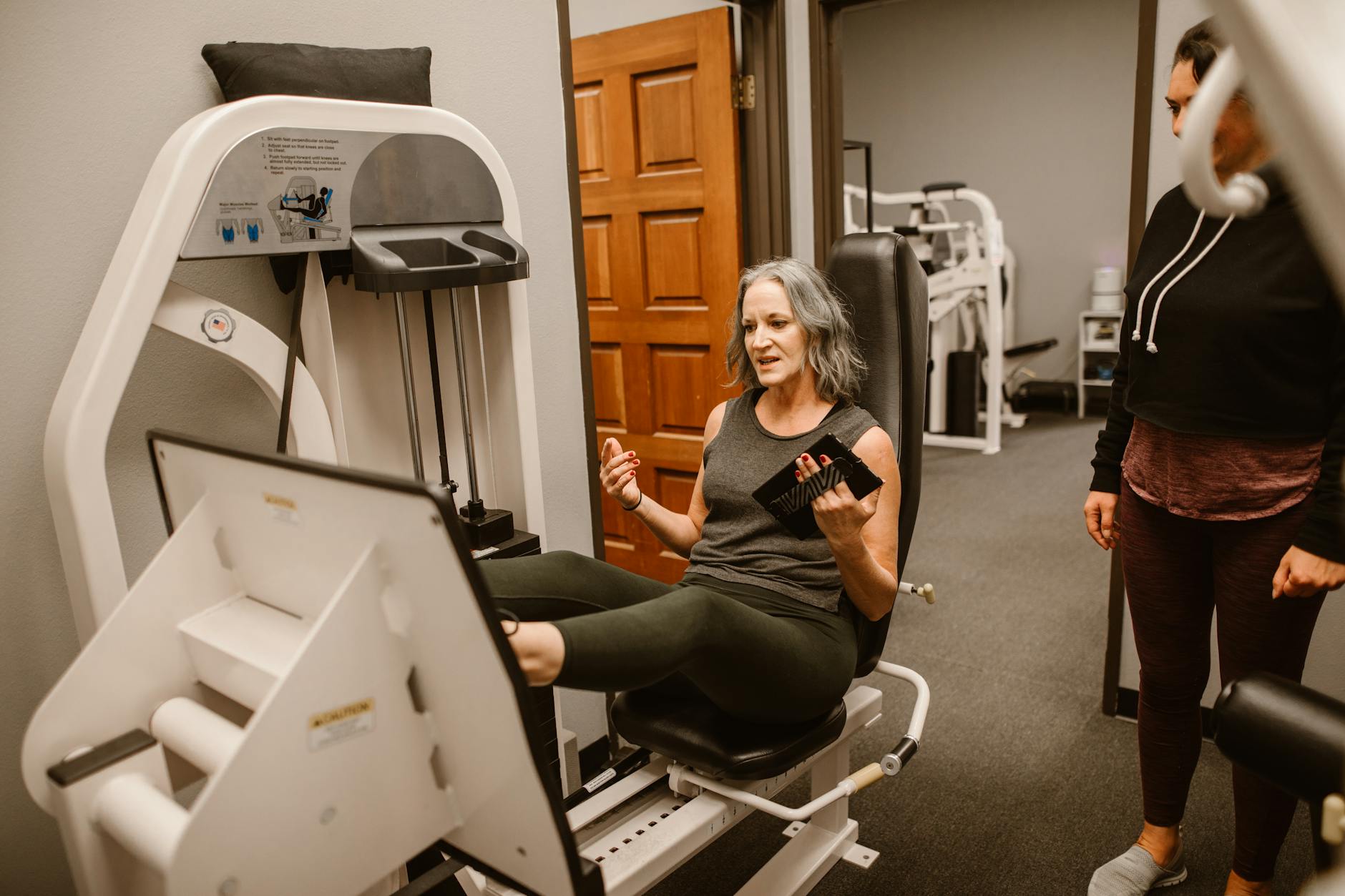
While the evidence linking regular physical activity to improved hormonal regulation is robust, initiating or intensifying an exercise regimen is not without potential risks. A responsible approach requires balancing the pursuit of benefits with an awareness of individual health status and contraindications.
The foundational principle is that exercise is a physiological stressor. For most individuals, this stress is beneficial and leads to positive adaptations. However, for some, it can exacerbate underlying conditions or create new imbalances if not properly managed.
Key Populations for Caution
Certain individuals should consult a healthcare provider—such as a primary care physician, endocrinologist, or cardiologist—before significantly changing their exercise routine:
- Individuals with known cardiovascular disease, uncontrolled hypertension, or significant cardiac risk factors. Strenuous activity can place acute demands on the heart.
- Those with diagnosed endocrine disorders like uncontrolled diabetes, thyroid disease, or adrenal insufficiency (e.g., Addison's disease). Exercise can affect blood sugar, medication needs, and stress hormone pathways.
- People with musculoskeletal injuries, severe osteoporosis, or active inflammatory conditions. Improper form or excessive load can cause harm.
- Individuals with a history of or recovering from eating disorders. An emphasis on exercise for body composition can risk triggering disordered behaviors and further disrupt metabolic hormones.
- Pregnant individuals, especially if new to exercise. Guidance should be sought for appropriate activity modifications.
Clinical Insight: In practice, we see that "more" is not always "better." Excessive exercise, particularly without adequate recovery and nutrition, can lead to a state of hormonal dysregulation often termed Relative Energy Deficiency in Sport (RED-S) or overtraining syndrome. This can paradoxically lower sex hormones (like testosterone and estrogen), elevate cortisol chronically, and disrupt thyroid function, counteracting the very benefits sought. Listening to your body—persistent fatigue, performance decline, mood changes, or menstrual irregularities—is a critical safety signal.
When to Seek Medical Advice
Consult a doctor if you experience any of the following after starting a new exercise program:
- Chest pain, palpitations, severe shortness of breath, or dizziness.
- Unexplained, persistent joint or muscle pain.
- Significant disruptions to menstrual cycles or libido.
- Extreme fatigue, insomnia, or mood disturbances that do not resolve with rest.
Ultimately, the Harvard study and similar research provide a powerful evidence base for exercise as a cornerstone of hormonal health. However, this evidence must be applied with individualization and prudence. The safest and most effective path is often developed in partnership with a qualified health professional who understands your unique medical history.
6. Questions & Expert Insights
Does exercise directly increase or decrease specific hormone levels?
Exercise influences hormonal balance through complex, adaptive mechanisms rather than simply "boosting" or "lowering" single hormones. For instance, moderate-intensity aerobic exercise can improve insulin sensitivity, meaning your body uses insulin more effectively, which can help regulate blood sugar. Resistance training is known to stimulate the release of growth hormone and testosterone acutely, which supports muscle repair and growth. Conversely, chronic, excessive exercise without adequate recovery (overtraining) can elevate cortisol levels long-term, potentially disrupting sleep, metabolism, and immune function. The key takeaway is that the type, intensity, duration, and recovery of exercise create the hormonal response. The body seeks homeostasis, so consistent, balanced routines promote healthier signaling, while extremes can be disruptive.
What are the potential risks or downsides of using exercise to influence hormones?
While generally beneficial, an exercise regimen aimed at hormonal manipulation carries risks if applied incorrectly. The primary risk is overtraining syndrome, driven by excessive volume and intensity with insufficient rest. This can lead to a sustained high-cortisol state, suppressed reproductive hormones (leading to menstrual dysfunction or low libido), weakened immunity, and increased injury risk. Individuals with a history of eating disorders should be cautious, as a focus on exercise for hormonal "fixes" can exacerbate disordered patterns. Those with unstable cardiovascular conditions, severe osteoporosis, or active inflammatory illnesses must seek medical clearance, as inappropriate exercise could worsen their state. Exercise is a stressor; the dose must match the individual's capacity.
When should I talk to a doctor about exercise and my hormonal health?
Consult a physician or endocrinologist before significantly changing your exercise routine if you have a known hormonal condition (e.g., thyroid disorder, adrenal insufficiency, PCOS), are experiencing unexplained symptoms (severe fatigue, amenorrhea, unintended weight change), or have underlying chronic conditions (heart disease, diabetes, kidney disease). Bring a clear log to your appointment: note your current exercise type, frequency, duration, and intensity, any related symptoms and their timing, and your diet and sleep patterns. This data is far more useful than general statements. A doctor can help differentiate between a normal adaptation to training and a sign of pathology, ensuring your approach supports rather than undermines your health.
How strong is the evidence linking exercise to long-term hormonal balance?
The evidence is robust for exercise's benefit on metabolic and stress-related hormones (insulin, cortisol) in the general population, supported by numerous randomized controlled trials. The link with sex hormones (estrogen, testosterone) is clear in contexts like PCOS and age-related decline, but the optimal "dose" of exercise is less precisely defined and can vary individually. Limitations exist: many studies are observational, have short follow-up periods, or focus on specific groups (e.g., postmenopausal women, athletes). Long-term, population-wide data on exercise preventing hormonal disorders is suggestive but not conclusive. Therefore, exercise is best viewed as a foundational, evidence-supported pillar of health that modulates hormonal systems favorably when applied appropriately, rather than a guaranteed cure for specific hormonal deficiencies.
7. In-site article recommendations
8. External article recommendations
9. External resources
The links below point to reputable medical and evidence-based resources that can be used for further reading. Always interpret them in the context of your own situation and your clinician’s advice.
-
healthline healthline.comexercise – Healthline (search)
-
mayoclinic mayoclinic.orgexercise – Mayo Clinic (search)
-
examine examine.comexercise – Examine.com (search)
These external resources are maintained by third-party organisations. Their content does not represent the editorial position of this site and is provided solely to support readers in accessing additional professional information.