
1. Introduction to Berberine and Blood Sugar Context
Berberine is a naturally occurring alkaloid compound found in the roots, rhizomes, and stem bark of several plants, including Berberis aristata (tree turmeric), Coptis chinensis (goldthread), and Hydrastis canadensis (goldenseal). For centuries, it has been a cornerstone of traditional Chinese and Ayurvedic medicine, primarily used for gastrointestinal ailments and infections. In modern clinical research, its potential impact on metabolic health, particularly blood glucose regulation, has become a primary focus of investigation.
The context for this interest is the global challenge of managing blood sugar dysregulation, which spans from insulin resistance and prediabetes to type 2 diabetes. Conventional pharmaceutical management is highly effective but can be associated with side effects, cost, and accessibility issues for some individuals. This has spurred significant scientific inquiry into evidence-supported complementary approaches that can be integrated into a broader management plan.
Current evidence suggests berberine may influence blood sugar through several biochemical pathways. The most well-supported mechanisms in the scientific literature include:
- Activation of AMP-activated protein kinase (AMPK): Often described as a cellular "energy sensor," AMPK activation can improve insulin sensitivity and promote glucose uptake in cells.
- Modulation of gut microbiota: Emerging research indicates berberine may favorably alter the composition of intestinal bacteria, which plays a role in systemic inflammation and metabolism.
- Inhibition of hepatic gluconeogenesis: This refers to reducing the liver's production of new glucose, a process that is often overactive in type 2 diabetes.
Clinical Perspective: It is crucial to frame berberine not as a replacement for established diabetes medications but as a potential adjunctive therapy. The body of evidence, while growing, consists largely of short-to-medium term human trials and extensive preclinical studies. High-quality, long-term outcome studies are still needed to fully understand its place in chronic disease management.
Individuals who should exercise particular caution and consult a physician before considering berberine include those who are pregnant or breastfeeding, individuals with significant liver disease or kidney impairment, and people taking medications metabolized by the liver (via the CYP450 enzyme system), such as certain statins, blood thinners, or cyclosporine, due to potential interactions.
2. Mechanisms and Evidence from 2026 Research

Research from 2026 has refined our understanding of berberine's mechanisms for influencing blood glucose, moving beyond broad concepts to more precise molecular targets. The primary pathways remain consistent with earlier findings, but new studies offer greater detail on their interplay.
Key Mechanisms of Action
Berberine's impact appears to be multi-factorial, which may explain its broad metabolic effects:
- AMPK Activation: Berberine is a well-established activator of AMP-activated protein kinase (AMPK), often described as a cellular "energy sensor." This activation enhances glucose uptake in skeletal muscle and improves insulin sensitivity, mimicking some effects of exercise and metformin.
- Gut Microbiome Modulation: 2026 research continues to highlight this as a critical pathway. Berberine acts as a prebiotic, promoting the growth of beneficial short-chain fatty acid-producing bacteria. These fatty acids, in turn, improve gut barrier function and reduce systemic inflammation, which is a key driver of insulin resistance.
- Incretin Effects: Emerging data suggests berberine may influence glucagon-like peptide-1 (GLP-1) pathways, potentially enhancing its secretion or slowing its degradation. This can promote insulin release and suppress glucagon in a glucose-dependent manner.
Strength of the 2026 Evidence
The evidence supporting these mechanisms is robust in preclinical models and consistent in human trials for AMPK and microbiome effects. However, the clinical translation of the incretin data is still considered preliminary, based largely on smaller, short-term human studies.
A significant 2026 meta-analysis of randomized controlled trials concluded that berberine supplementation significantly reduces fasting blood glucose and HbA1c compared to placebo. The effect size is often comparable to first-line pharmaceutical agents like metformin, though direct head-to-head trials remain limited.
Clinical Perspective: While the mechanistic data is compelling, clinicians note that berberine's bioavailability is low and variable. Its activity may depend heavily on its transformation by the gut flora it seeks to modify. This creates a complex, individualized response. It is not a substitute for prescribed diabetes medication without explicit medical supervision.
Who should exercise caution? Individuals with pre-existing liver conditions, those taking medications metabolized by the CYP450 enzyme system (including many statins, blood thinners, and antidepressants), and pregnant or breastfeeding women should avoid berberine unless under direct medical guidance. Its use in type 1 diabetes is not supported by evidence.
3. Risks, Contraindications, and Populations to Avoid

While berberine is a promising compound for metabolic health, its use is not without risk. A responsible approach requires a clear understanding of its potential adverse effects, drug interactions, and the specific populations for whom it may be contraindicated. This is not a benign supplement, and its pharmacological activity demands the same caution as a prescription medication.
Common Adverse Effects and Gastrointestinal Distress
The most frequently reported side effects are gastrointestinal, including constipation, diarrhea, abdominal cramping, and flatulence. These effects are often dose-dependent and may subside with time or by taking the supplement with meals. However, for individuals with pre-existing conditions like irritable bowel syndrome (IBS) or inflammatory bowel disease (IBD), these effects can be severe and disruptive.
Significant Drug Interactions
Berberine's most critical risk lies in its interaction with medications metabolized by the cytochrome P450 enzyme system, particularly CYP3A4 and CYP2D6. It can significantly alter the blood levels of numerous drugs, leading to either toxicity or reduced efficacy.
- Immunosuppressants: Concurrent use with drugs like cyclosporine or tacrolimus can dangerously increase their concentration, raising the risk of nephrotoxicity and other serious side effects.
- Anticoagulants/Antiplatelets: Berberine may enhance the effects of drugs like warfarin (Coumadin) or clopidogrel, increasing the risk of bleeding.
- Diabetes Medications: Combining berberine with insulin or sulfonylureas (e.g., glipizide, glyburide) can potentiate their glucose-lowering effect, leading to a high risk of hypoglycemia. This requires extremely careful monitoring by a physician.
- Blood Pressure Medications: It may also interact with antihypertensive drugs, potentially causing hypotension.
Populations Who Should Avoid or Use Extreme Caution
Based on its mechanism and known effects, the following groups are generally advised to avoid berberine unless under direct and informed medical supervision:
- Pregnant and Breastfeeding Women: Berberine can cross the placental barrier and is contraindicated due to potential risks to fetal development. It may also be excreted in breast milk.
- Individuals with Liver or Kidney Impairment: As berberine is metabolized by the liver and excreted by the kidneys, impaired function can lead to accumulation and increased risk of adverse effects.
- Children and Infants: Safety and efficacy data are lacking for pediatric populations.
- Individuals Preparing for Surgery: Due to its potential effects on blood clotting and blood pressure, it should be discontinued at least two weeks prior to any scheduled surgical procedure.
- Those with Genetic Conditions: Individuals with Gilbert's syndrome or G6PD deficiency should avoid berberine.
In summary, berberine's impact on blood sugar must be weighed against its significant potential for harm in specific contexts. A discussion with a healthcare provider is an essential first step to assess individual risk and ensure safe use.
4. Practical Evidence-Based Takeaways
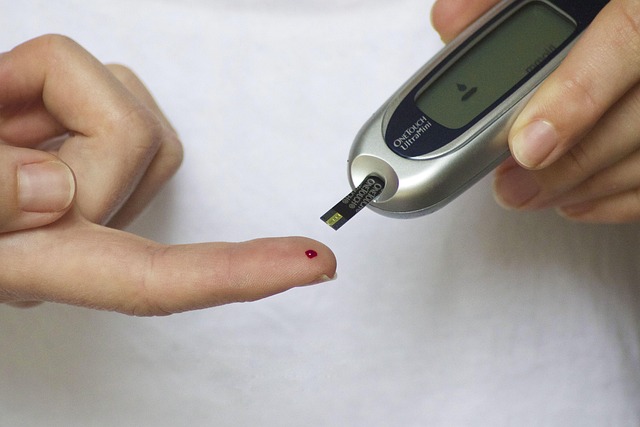
Based on the current body of evidence, berberine's primary, well-supported effect is a modest reduction in fasting and postprandial blood glucose levels. The most consistent data supports its use as an adjunctive therapy, not a standalone replacement for standard care. Its mechanism, which includes activating AMP-activated protein kinase (AMPK), is similar in outcome to the drug metformin, though the pathways are distinct.
The strongest evidence for berberine's efficacy comes from individuals with:
- Prediabetes or newly diagnosed type 2 diabetes: Here, it may help improve glycemic parameters and insulin sensitivity.
- Established type 2 diabetes: When used alongside conventional medications (like metformin or sulfonylureas), it can contribute to further HbA1c reductions, potentially allowing for lower medication doses under medical supervision.
However, the evidence has important limitations and gaps:
- Long-term data is sparse: Most trials are of short duration (3-6 months). Its sustained efficacy and safety profile over years are not well-established.
- Variable product quality: Supplements are not standardized, leading to significant differences in berberine content and bioavailability between brands.
- Mixed evidence for weight loss: Any weight reduction observed in studies is typically modest and may be secondary to improved metabolic function rather than a direct effect.
Clinical Perspective: In practice, clinicians view berberine as a potential tool in the toolkit for metabolic management, particularly for patients seeking adjunctive, natural-origin options. The key is managing expectations—it is not a "natural metformin" in terms of decades of safety data and predictable effect. Dosing is critical, and its use must be integrated into a comprehensive plan that includes diet, exercise, and regular monitoring.
Who should exercise extreme caution or avoid use without explicit medical guidance? This includes pregnant or breastfeeding women, individuals with significant liver disease or elevated bilirubin, those with kidney impairment, people on medications metabolized by the CYP3A4/D system (e.g., certain statins, immunosuppressants), and anyone with a history of hypoglycemia. Gastrointestinal side effects like constipation, cramping, or dyspepsia are common, especially at higher doses.
The most responsible takeaway is to consider berberine only after a discussion with your physician or an endocrinologist. They can help assess if it is appropriate for your specific metabolic profile, ensure it does not interact with your current medications, and establish a protocol for monitoring its effects and safety.
5. Safety Precautions and When to Consult a Physician
While berberine shows promise for metabolic health, its use is not without risk. A responsible approach requires understanding its potential for adverse effects and significant drug interactions. The evidence for its glucose-lowering effect is relatively robust, but data on its long-term safety in diverse populations remains more limited.
Key Safety Considerations
Common, typically mild, side effects include gastrointestinal disturbances such as diarrhea, constipation, flatulence, and abdominal discomfort. These often subside with time or by taking the supplement with meals. More serious concerns involve:
- Drug Interactions: Berberine can inhibit enzymes in the cytochrome P450 system, notably CYP2D6 and CYP3A4. This can significantly increase plasma levels and toxicity of numerous prescription medications.
- Hypoglycemia Risk: When combined with prescription diabetes medications (e.g., metformin, sulfonylureas, insulin), the additive glucose-lowering effect can precipitate dangerously low blood sugar.
- Pregnancy and Lactation: Berberine is contraindicated due to evidence it can cross the placenta and may cause kernicterus in newborns.
Clinical Insight: The most critical safety issue in practice is the interaction potential. Patients on medications for diabetes, hypertension, cholesterol, blood thinners (like warfarin), immunosuppressants, or many psychiatric drugs must have their therapy closely monitored by a physician. Self-initiating berberine alongside these drugs is not advisable.
Who Should Exercise Extreme Caution or Avoid Use?
Consulting a physician before starting berberine is non-negotiable for individuals in the following categories:
- Individuals with diagnosed diabetes, especially those on glucose-lowering medication.
- Those with liver conditions, as berberine is metabolized by the liver.
- Individuals with kidney impairment, due to potential accumulation.
- Pregnant women, those breastfeeding, or individuals trying to conceive.
- People taking any regular prescription or over-the-counter medications.
- Children and adolescents.
When to Definitely Consult a Physician
You should seek professional medical advice:
- Before Starting: To assess suitability, check for interactions with your current medications, and establish a plan for monitoring blood glucose if applicable.
- For Dosing Guidance: To determine an appropriate dose based on your health status and goals.
- If Side Effects Occur: Particularly signs of hypoglycemia (shaking, sweating, confusion, dizziness), severe GI distress, or unusual bruising/bleeding.
- For Ongoing Management: To ensure berberine use is integrated safely into your overall healthcare plan, not acting as a substitute for prescribed therapies without direct supervision.
In summary, berberine is a pharmacologically active compound, not a benign dietary supplement. Its use warrants the same caution and professional oversight as any other intervention that affects core metabolic pathways.
6. Questions & Expert Insights
Is berberine a natural replacement for my diabetes medication?
No, berberine should not be considered a direct replacement for prescribed diabetes medications. While meta-analyses of randomized controlled trials consistently show berberine can significantly lower fasting blood glucose and HbA1c, its effect size is generally comparable to first-line oral agents like metformin, not superior. Crucially, it is not a substitute for insulin in insulin-dependent diabetes. The evidence, while promising, is not robust enough to justify discontinuing prescribed therapy. Berberine may be discussed as a potential adjunctive therapy under strict medical supervision, but any change to a medication regimen must be initiated and monitored by a physician. Self-managing diabetes by swapping proven medications for supplements carries a serious risk of uncontrolled hyperglycemia and its complications.
What are the most important risks and who should avoid berberine?
The most common side effects are gastrointestinal (e.g., constipation, diarrhea, cramping). More serious risks involve drug interactions and specific health conditions. Berberine strongly inhibits liver enzymes (CYP3A4, CYP2D6) responsible for metabolizing many common drugs, potentially leading to toxic levels of medications like blood thinners (warfarin), certain statins, and some antidepressants. It is contraindicated for pregnant and breastfeeding women due to the risk of kernicterus in newborns. Individuals with pre-existing liver conditions, severe kidney impairment, or a history of hypoglycemia should avoid it. Given its impact on blood sugar, anyone scheduled for surgery should discontinue use well in advance due to perioperative blood glucose management concerns.
How should I talk to my doctor about trying berberine?
Initiate this conversation during a scheduled appointment, not as an urgent request. Frame it as exploring an adjunctive option, not a replacement. Be prepared to bring: 1) A complete list of all your current medications and supplements, 2) Your most recent blood work (HbA1c, fasting glucose, liver/kidney function tests), and 3) Specific, reputable studies or data you've reviewed. Ask direct questions: "Given my current regimen and health status, is there evidence for a synergistic benefit?" and "What specific biomarkers should we monitor, and how often, if I start?" This demonstrates a collaborative, evidence-based approach. Your doctor needs to assess the interaction risk with your medications and determine if your condition is stable enough for a monitored trial.
How strong is the long-term evidence for berberine's safety and benefits?
The evidence for long-term (beyond 3 months) efficacy and safety is notably limited. Most high-quality trials are of short duration (8-24 weeks). While these show promising metabolic effects, they cannot confirm whether benefits are sustained or if tolerance develops over years. More critically, long-term safety data in diverse populations is absent. Large-scale, multi-year trials that track hard cardiovascular outcomes (like the trials for SGLT2 inhibitors or GLP-1 agonists) do not exist for berberine. Therefore, claims about its role in preventing diabetic complications (neuropathy, retinopathy) are speculative. The current evidence supports it as a potentially useful short-to-medium-term glycemic control agent, but its place in lifelong chronic disease management remains undefined.
7. In-site article recommendations
8. External article recommendations
9. External resources
The links below point to reputable medical and evidence-based resources that can be used for further reading. Always interpret them in the context of your own situation and your clinician’s advice.
-
wikipedia wikipedia.orgberberine – Wikipedia (search)
-
examine examine.comberberine – Examine.com (search)
-
mayoclinic mayoclinic.orgberberine – Mayo Clinic (search)
These external resources are maintained by third-party organisations. Their content does not represent the editorial position of this site and is provided solely to support readers in accessing additional professional information.