
1. Introduction to the 5-2 Diet Method and 30-Day Framework
The 5-2 diet, formally known as the 5:2 intermittent fasting protocol, is a dietary pattern characterized by a weekly cycle of energy intake. For five days of the week, individuals consume a standard, nutritionally balanced diet without specific calorie restrictions. On the remaining two, non-consecutive days, calorie intake is significantly reduced, typically to approximately 500-600 calories.
This approach is classified as a form of intermittent fasting (IF). Its proposed mechanisms for supporting weight management and metabolic health include creating a weekly energy deficit and potentially inducing beneficial cellular repair processes like autophagy during the low-calorie periods. The 30-day framework presented in this article is designed as a structured introduction to this pattern, allowing individuals to systematically adapt to the fasting days and integrate the method into their lifestyle.
Evidence and Clinical Perspective
Research on intermittent fasting, including the 5-2 model, shows promise but requires nuanced interpretation. A 2021 review in the Annual Review of Nutrition concluded that IF can be as effective as traditional daily calorie restriction for weight loss and improving insulin sensitivity in the short to medium term. However, evidence for long-term superiority or sustained adherence beyond one year is more limited.
- Supported Findings: Studies consistently show the 5-2 diet can lead to modest weight loss (approximately 3-8% of body weight over 3-12 months) and improvements in markers like fasting insulin and LDL cholesterol in adults with overweight or obesity.
- Areas of Uncertainty: Long-term sustainability, effects on lean muscle mass preservation compared to other diets, and optimal nutrient composition on fasting days require more high-quality, long-duration research.
Clinical Insight: From a medical standpoint, the 5-2 method's structure can appeal to those who find daily calorie counting burdensome. The non-restrictive 'feast days' are psychologically important for adherence. However, clinicians emphasize that the quality of food consumed on all seven days is paramount; the diet is not a license for poor nutritional choices on standard days. The 30-day adaptation period is crucial for allowing the body and mind to adjust to the fasting days, which can initially cause hunger, irritability, or lightheadedness.
Important Precautions and Contraindications
This dietary approach is not suitable for everyone. Individuals with the following conditions should avoid the 5-2 diet or only undertake it under direct medical supervision:
- Type 1 diabetes or insulin-dependent Type 2 diabetes
- A history of eating disorders (e.g., anorexia, bulimia)
- Pregnant or breastfeeding women
- Children and adolescents
- Individuals with advanced liver or kidney disease
- Those with a history of severe hypoglycemia
Anyone with a chronic medical condition or who is taking prescription medication should consult a physician or a registered dietitian before beginning any intermittent fasting protocol, including the 5-2 method, to assess personal risk and ensure safe management.
2. Scientific Evidence and Physiological Mechanisms
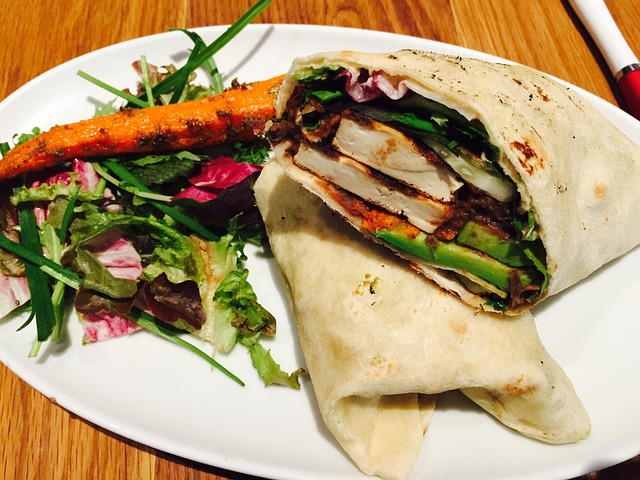
The 5:2 diet, a form of intermittent fasting, is supported by a growing body of research exploring its physiological effects. The primary mechanism is the metabolic switch from glucose-based to fat-based energy production. During the 24-36 hour fast period, liver glycogen stores are depleted, leading to a decrease in insulin levels and an increase in counter-regulatory hormones like glucagon and norepinephrine. This hormonal shift promotes lipolysis, the breakdown of fat stores into free fatty acids, which are then converted into ketone bodies in the liver to fuel the brain and other tissues.
Clinical studies, primarily of short to medium duration (weeks to months), have demonstrated several consistent outcomes:
- Weight and Fat Loss: Meta-analyses show the 5:2 protocol is as effective as daily calorie restriction for weight loss, with typical reductions of 3-8% of body weight over 12 weeks.
- Metabolic Markers: Improvements in insulin sensitivity, reductions in fasting insulin, and modest improvements in LDL and HDL cholesterol profiles are commonly reported.
- Cellular Repair: Preclinical models suggest fasting triggers autophagy, a cellular "clean-up" process where damaged components are recycled, which may have implications for longevity and disease prevention.
However, the evidence has important limitations. Many human trials are relatively small, of short duration, and lack long-term follow-up data beyond one year. The superiority of intermittent fasting over simple daily calorie restriction for metabolic health, when calories and weight loss are matched, is not conclusively proven. Most research has been conducted in adults who are overweight or obese; data on its efficacy and safety in normal-weight individuals is sparse.
Clinical Perspective: From a physiological standpoint, the 5:2 diet creates a predictable energy deficit, which drives weight loss. The proposed benefits on insulin sensitivity are likely secondary to weight loss and reduced visceral fat, rather than a unique magic of the fasting window itself. The regimen's structure can aid adherence for some, but the fasting days are not without potential for side effects like irritability, headaches, and impaired concentration.
Individuals who should exercise particular caution or consult a physician before starting include those with a history of eating disorders, type 1 diabetes, advanced kidney or liver disease, pregnant or breastfeeding women, and individuals on medications for diabetes or blood pressure, as doses may need adjustment.
3. Potential Risks and Contraindications
While the 5:2 diet can be a viable approach for many, it is not without potential adverse effects and is unsuitable for specific populations. Acknowledging these risks is essential for a safe and responsible application of the method.
Common Short-Term Side Effects
On fasting days, individuals commonly experience transient symptoms due to low energy intake and metabolic adaptation. These are typically most pronounced during the initial weeks and may include:
- Hunger and irritability
- Fatigue, dizziness, or headaches
- Difficulty concentrating
- Constipation or digestive discomfort
These effects often subside as the body adjusts. However, their presence can impact daily functioning and adherence, highlighting the importance of planning fasting days for periods of lower physical and cognitive demand.
Clinical Insight: The hunger and irritability ("hanger") associated with fasting days are mediated by hormonal shifts, including ghrelin and cortisol. For some individuals, this can trigger a preoccupation with food, which may be counterproductive. It's crucial to distinguish normal adaptation from signs of an unhealthy relationship with eating.
Significant Risks and Contraindications
For certain individuals, intermittent fasting protocols like the 5:2 diet carry significant risks and are contraindicated. Medical consultation is strongly advised before starting if you have any of the following conditions or circumstances:
- Diabetes (Type 1 or Type 2), hypoglycemia, or other metabolic disorders: Fasting can cause dangerous fluctuations in blood glucose and interact with medication (e.g., insulin, sulfonylureas).
- A history of eating disorders: The restrictive pattern can trigger or exacerbate disordered eating behaviors.
- Pregnancy, breastfeeding, or trying to conceive: Adequate, consistent nutrition is critical during these periods.
- Underweight (BMI < 18.5) or nutritional deficiencies.
- Advanced kidney or liver disease.
- Gastroesophageal reflux disease (GERD): Fasting can sometimes worsen symptoms.
- Taking medications that require food for absorption or to prevent gastrointestinal upset.
Long-Term Considerations and Evidence Gaps
While short-term studies on intermittent fasting show promise for weight loss and metabolic health, long-term data (beyond one year) on the 5:2 method specifically is limited. Unanswered questions remain regarding its sustained efficacy and potential impacts on:
- Hormonal health in premenopausal women, with some anecdotal reports of menstrual cycle disruption. Muscle mass preservation in older adults, where ensuring adequate protein intake on fasting days is particularly challenging.
- Social and psychological well-being, as the regimen can complicate shared meals and social gatherings.
The 5:2 diet is a tool, not a universal solution. Its safety and suitability are highly individual. A discussion with a physician or a registered dietitian can help assess personal risk factors, ensure nutritional adequacy, and integrate the plan safely within your overall health context.
4. Practical Implementation and Actionable Takeaways
Implementing the 5:2 intermittent fasting method requires a structured, evidence-informed approach to ensure safety and sustainability. The core protocol involves five days of normal, healthy eating and two non-consecutive days of significant calorie restriction, typically 500 calories for women and 600 for men.
Structuring Your Week
Begin by selecting your two fasting days, such as Tuesday and Thursday. Consistency helps your body adapt. On fasting days, focus on nutrient-dense, low-calorie foods to maximize satiety and nutritional intake.
- Fasting Day Meals: Prioritize lean protein (e.g., skinless poultry, fish, tofu), non-starchy vegetables, and small portions of healthy fats. A sample meal could be a large salad with grilled chicken breast and a light vinaigrette.
- Non-Fasting Days: These are not "cheat days." Consume a balanced, maintenance-level diet rich in whole foods—fruits, vegetables, whole grains, and lean proteins—without overcompensating for the fasting days.
Actionable Takeaways for Success
Adherence is the greatest predictor of success. The following strategies, supported by behavioral research, can improve long-term compliance:
- Hydration is Key: Drink plenty of water, herbal tea, or black coffee on fasting days to manage hunger cues.
- Plan and Prep: Pre-plan and portion your fasting-day meals to avoid impulsive, high-calorie choices.
- Mindful Eating: Practice eating slowly and without distraction, especially on non-fasting days, to improve recognition of satiety signals.
- Gentle Activity: Light exercise like walking is advisable; listen to your body and avoid intense workouts on fasting days if you feel fatigued or lightheaded.
Clinical Perspective: While trials show the 5:2 method can be effective for weight loss and metabolic improvement in the short to medium term, evidence on its long-term (>1 year) sustainability is more limited. The diet's success hinges entirely on not overeating on non-fasting days, a common pitfall. From a physiological standpoint, the two-day restriction creates a weekly calorie deficit, which drives weight loss. There is no high-quality evidence to suggest it is metabolically superior to daily calorie restriction when overall weekly energy intake is matched.
Important Precautions
This approach is not suitable for everyone. You should consult a physician or a registered dietitian before starting, especially if you:
- Have a history of eating disorders.
- Are pregnant, breastfeeding, or trying to conceive.
- Have diabetes, hypoglycemia, or are on medication that affects blood sugar.
- Have a history of kidney or liver disease.
- Are underweight or experiencing unexplained fatigue.
The 5:2 method is a tool, not a cure-all. Its greatest benefit may be in fostering a more mindful relationship with food, but it requires careful implementation and medical oversight for at-risk individuals.
5. Safety Guidelines and When to Seek Medical Advice
While the 5:2 diet (intermittent fasting) is generally considered safe for many healthy adults, its implementation requires careful consideration of individual health status and adherence to specific safety protocols. The primary evidence supporting its safety and efficacy for weight management and metabolic improvement comes from short- to medium-term studies in generally healthy, overweight populations. Long-term safety data and outcomes in diverse clinical groups are more limited.
Adhering to these core safety guidelines is essential:
- Hydration is Non-Negotiable: Consume ample water, herbal tea, and other non-caloric beverages on both fasting and non-fasting days to prevent dehydration, which can exacerbate side effects like headaches and dizziness.
- Prioritize Nutrient Density: On your 500/600-calorie fasting days, focus on lean protein, vegetables, and high-fiber foods to maximize satiety and micronutrient intake. Avoid "empty" calories.
- Listen to Your Body: Mild hunger, irritability, or fatigue can be common initially. However, severe lightheadedness, fainting, extreme weakness, or confusion are not normal and require you to break the fast immediately with a small, balanced snack.
- Maintain Normal Activity Cautiously: Light to moderate exercise is usually fine. Strenuous workouts may be better scheduled on non-fasting days, especially during the adaptation phase.
Clinical Perspective: From a medical standpoint, the fasting days represent a significant caloric deficit. We assess this not just for weight loss potential, but for its impact on underlying physiology. The body's response to low energy availability can affect medication kinetics, electrolyte balance, and stress hormones. This is why a pre-implementation health screen is crucial for identifying individuals for whom this pattern may pose a risk.
Who Should Seek Medical Advice Before Starting? Consulting a physician or a registered dietitian is strongly advised for individuals with:
- Diabetes (especially those on insulin or sulfonylureas), due to the risk of hypoglycemia.
- A history of eating disorders.
- Pregnant, breastfeeding, or trying to conceive.
- Underweight (BMI < 18.5) or with nutritional deficiencies.
- Chronic conditions such as kidney or liver disease, or a history of gout.
- Those taking prescription medications, as dosing may need adjustment.
If you experience persistent adverse effects—such as severe fatigue, hair loss, menstrual irregularities, or palpitations—discontinue the diet and seek medical evaluation. Sustainable transformation is built on a foundation of safety, making professional guidance a key component for a significant portion of the population.
6. Questions & Expert Insights
Is the 5-2 diet more effective for weight loss than daily calorie restriction?
The evidence suggests that the 5-2 diet (Intermittent Fasting) can be equally effective for weight loss as traditional daily calorie restriction when total weekly calorie intake is matched. The primary advantage is not necessarily superior metabolic magic, but adherence. Some individuals find it psychologically easier to restrict calories severely on two non-consecutive days rather than moderately every day. However, meta-analyses of intermittent fasting show that while it leads to weight loss, the amount is not significantly greater than continuous energy restriction over periods of 6-12 months. The key driver remains the sustained calorie deficit. Long-term (>1 year) comparative data is limited, and individual variability in response is high. Success depends heavily on not overcompensating on "feed" days, which can easily negate the deficit created on fast days.
What are the common side effects and who should avoid the 5-2 diet?
Common initial side effects include hunger, irritability, fatigue, headaches, dizziness, and difficulty concentrating, particularly on fasting days. These often subside as the body adapts over a few weeks. More serious risks involve the potential for developing an unhealthy relationship with food, including binge-eating behaviors on non-fast days. The 5-2 diet is contraindicated for individuals with a history of eating disorders, pregnant or breastfeeding women, children and adolescents, and those with type 1 diabetes or advanced type 2 diabetes on insulin or sulfonylureas due to hypoglycemia risk. It is also not recommended for individuals with low body weight (BMI <18.5), significant kidney or liver disease, or a history of fainting spells. Anyone with a chronic medical condition or taking regular medication should consult a physician before starting.
When should I talk to my doctor, and what information should I prepare?
You should consult your doctor or a registered dietitian before starting the 5-2 diet if you have any chronic health condition (e.g., diabetes, hypertension, heart disease, gout), are on any long-term medication (especially for diabetes, blood pressure, or blood thinners), or are pregnant/planning pregnancy. For the consultation, prepare a clear outline of the protocol you intend to follow, including your planned calorie intake on fast days and your typical food choices. Bring a complete list of your medications and supplements. Be prepared to discuss your full health history, including any past issues with disordered eating, fainting, or electrolyte imbalances. This allows your provider to assess potential interactions, adjust medications if necessary, and recommend safe monitoring parameters (e.g., tracking blood glucose or blood pressure).
Does the 5-2 diet offer unique health benefits beyond weight loss?
Preliminary research in animal models and some short-term human trials suggests intermittent fasting protocols like the 5-2 may improve biomarkers such as insulin sensitivity, blood pressure, LDL cholesterol, and inflammatory markers like CRP. Theories propose benefits from enhanced cellular repair processes (autophagy) and metabolic switching. However, it is crucial to interpret these findings cautiously. Many observed improvements are closely tied to weight loss itself; when studies compare intermittent fasting to daily calorie restriction resulting in equal weight loss, the specific biomarker advantages often diminish or disappear. High-quality, long-term human studies are still needed to confirm any unique, sustained health benefits independent of calorie reduction. Claims regarding longevity or cancer prevention in humans are currently speculative and not evidence-based for clinical recommendation.
7. In-site article recommendations
8. External article recommendations
9. External resources
The links below point to reputable medical and evidence-based resources that can be used for further reading. Always interpret them in the context of your own situation and your clinician’s advice.
-
healthline healthline.com5-2 diet – Healthline (search)
-
examine examine.com5-2 diet – Examine.com (search)
-
mayoclinic mayoclinic.org5-2 diet – Mayo Clinic (search)
These external resources are maintained by third-party organisations. Their content does not represent the editorial position of this site and is provided solely to support readers in accessing additional professional information.