
1. Introduction to Chia Seeds and the Keto Diet
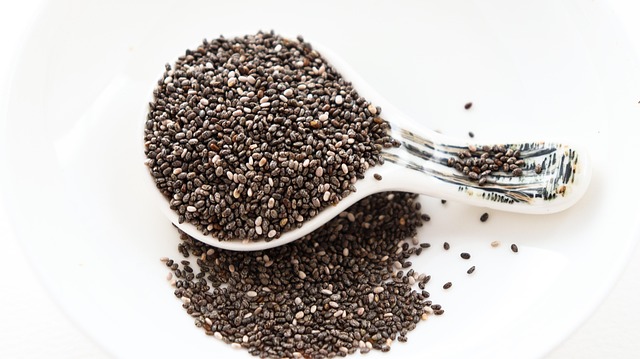
The ketogenic, or keto, diet is a high-fat, very-low-carbohydrate dietary approach designed to induce a metabolic state called ketosis. In ketosis, the body shifts from primarily using glucose for energy to burning fat-derived molecules called ketones. To achieve and maintain this state, strict daily carbohydrate limits—typically 20 to 50 grams of net carbs—are required. This makes the selection of nutrient-dense, low-carb foods critical for both success and nutritional adequacy.
Chia seeds (Salvia hispanica L.) have gained prominence as a compatible food within this framework. From a macronutrient perspective, a standard one-ounce (28-gram) serving provides approximately:
- 12 grams of carbohydrates, of which a remarkable 10 grams are dietary fiber.
- This results in only 2 grams of net digestible carbs, fitting easily into keto macros.
- Additionally, they offer 9 grams of fat (primarily alpha-linolenic acid, an omega-3) and 4 grams of protein.
Their high soluble fiber content is particularly relevant. When mixed with liquid, chia seeds form a gel-like substance, which can aid in promoting satiety and supporting stable blood glucose levels—both beneficial effects within a keto context. Preliminary research and traditional use suggest potential benefits for digestive regularity and hydration, though large-scale, long-term clinical trials specific to keto dieters are limited.
Clinical Perspective: While the macronutrient profile of chia seeds is objectively keto-friendly, their incorporation requires mindful accounting. The 2 grams of net carbs per serving are not negligible in a tightly restricted diet. Furthermore, individuals with a history of swallowing difficulties, esophageal strictures, or certain gastrointestinal disorders like inflammatory bowel disease should introduce chia seeds with caution and medical guidance, as the gel-forming property may cause obstruction if not consumed with adequate fluid.
It is also important to note that while chia seeds are a good plant-based source of omega-3 fatty acids (ALA), the conversion of ALA to the more bioactive forms (EPA and DHA) in the human body is inefficient. Therefore, they should not be considered a direct replacement for marine-based omega-3s in the diet.
This chapter establishes the foundational compatibility of chia seeds with ketogenic principles. The following sections will explore practical, evidence-based methods for their incorporation, balancing their nutritional contributions with the stringent demands of maintaining ketosis.
2. Evidence on Nutritional Benefits and Mechanisms

Chia seeds are a nutritionally dense food, and their potential benefits within a ketogenic (keto) dietary framework are primarily attributed to their unique macronutrient and micronutrient profile. The primary mechanism of action is their ability to provide substantial fiber and healthy fats with minimal digestible carbohydrates.
Core Nutritional Profile
A standard one-ounce (28-gram) serving provides approximately:
- Fiber: 10-11 grams, almost entirely soluble fiber.
- Fat: 9 grams, predominantly alpha-linolenic acid (ALA), an omega-3 fatty acid.
- Net Carbohydrates: 1-2 grams (total carbs minus fiber).
- Protein: 4-5 grams, containing all essential amino acids.
- Minerals: Notable amounts of calcium, magnesium, and phosphorus.
Evidence for Proposed Benefits
The strong evidence supports chia seeds as an excellent source of soluble fiber. When mixed with liquid, they form a gel-like substance (mucilage) that can slow gastric emptying and carbohydrate absorption. This mechanism may contribute to improved post-meal blood glucose control, a finding supported by several human trials, though results can vary based on the individual and the overall meal composition.
The evidence for other benefits is more preliminary or mixed:
- Satiety and Weight Management: The high fiber and protein content can promote feelings of fullness, which may aid in calorie reduction. However, direct, long-term studies on chia seeds specifically for weight loss on keto are limited.
- Omega-3 (ALA) Intake: While chia seeds are rich in ALA, the human body's conversion of ALA to the more bioactive forms (EPA and DHA) is inefficient. They are not a direct substitute for marine-based omega-3s.
- Mineral Bioavailability: Chia seeds contain phytic acid, an antinutrient that can bind to minerals like iron and zinc, potentially reducing their absorption. Soaking or grinding the seeds may mitigate this effect.
Clinical Perspective: From a metabolic standpoint, the primary value of chia seeds in a ketogenic diet is their ability to add significant bulk and texture without spiking blood glucose or insulin, which helps maintain nutritional ketosis. They are a functional tool for managing hunger and adding dietary diversity, rather than a "miracle" food. The fiber content also supports gut health, which can be a concern for individuals on restrictive low-carb diets.
Cautions and Contraindications
Individuals with a history of dysphagia (swallowing difficulties), esophageal strictures, or significant gastrointestinal disorders like inflammatory bowel disease should use caution, as the gel-forming property can pose a risk if not consumed with adequate fluid. Those on blood-thinning medications or with upcoming surgery should discuss significant increases in ALA intake with their physician due to its mild antiplatelet effect. As with any high-fiber food, introduce chia seeds gradually to avoid gastrointestinal discomfort.
3. Risks and Contraindications for Specific Populations
While chia seeds are generally considered safe for most individuals, their unique nutritional profile necessitates specific precautions for certain populations, particularly within the context of a ketogenic diet. A clinically responsible approach requires identifying these groups to mitigate potential adverse effects.
Individuals with Gastrointestinal Sensitities or Disorders
The high soluble fiber content in chia seeds, which forms a gel-like substance when hydrated, can cause significant gastrointestinal distress if not introduced properly. For individuals with a history of inflammatory bowel disease (IBD), such as Crohn's disease or ulcerative colitis, or those with a known predisposition to bowel obstructions, the rapid expansion of chia seeds can pose a risk. It is strongly advised to start with a minimal amount (e.g., half a teaspoon) and ensure the seeds are fully soaked in liquid for at least 10-15 minutes before consumption to reduce the mechanical load on the digestive tract.
Patients on Specific Medications
The primary concern here is the potential for chia seeds to affect drug absorption or efficacy. Due to their high fiber and mucilage content, chia seeds may slow gastric emptying and potentially interfere with the absorption of oral medications. Individuals on medications for diabetes (e.g., insulin, sulfonylureas) or hypertension should be particularly cautious, as chia may have additive effects on blood sugar and blood pressure. The evidence for clinically significant interactions is limited but biologically plausible. The standard clinical recommendation is to take medications at least 1-2 hours apart from consuming chia seeds.
Those with Swallowing Difficulties or History of Food Impaction
A well-documented, though rare, risk involves the consumption of dry chia seeds followed by immediate ingestion of liquids. The seeds can rapidly absorb fluid and expand in the esophagus, leading to dysphagia or even acute obstruction. This is a contraindication. Chia seeds must always be pre-soaked or incorporated into foods with adequate moisture (e.g., puddings, smoothies) before eating.
Individuals with Seed Allergies
While true chia seed allergy is uncommon, cross-reactivity with other seeds (mustard, sesame) or certain pollens is possible. Individuals with known multiple food allergies or atopic conditions should introduce chia with caution and be aware of potential symptoms like oral allergy syndrome, hives, or gastrointestinal upset.
In summary, while chia seeds can be a compatible addition to a ketogenic diet for many, the following groups should consult a physician or registered dietitian before incorporation: individuals with active gastrointestinal disease, those on critical medications for blood sugar or blood pressure control, people with dysphagia, and those with multiple food allergies. A gradual, well-hydrated introduction is the safest protocol for all.
4. Practical Methods for Incorporation into Keto Meals
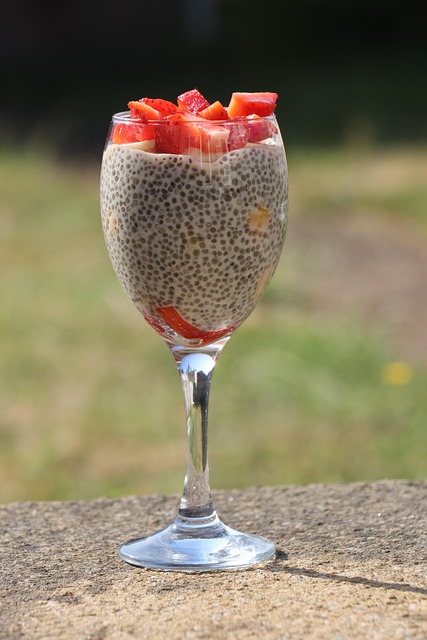
Chia seeds are a versatile, high-fiber, low-net-carb food that can be integrated into a ketogenic diet in several practical ways. The key is to manage portion sizes carefully, as their carbohydrate content is not negligible, and to use them to enhance satiety, texture, and nutrient density without disrupting ketosis.
Primary Methods of Use
The most common and effective methods include:
- As a Gel or "Pudding": Soaking 1-2 tablespoons of chia seeds in a low-carb liquid (e.g., unsweetened almond milk, coconut milk, or water) for at least 15-30 minutes creates a gel. This chia gel can be consumed as a simple pudding, often with keto-friendly sweeteners like stevia or erythritol, vanilla extract, and a pinch of salt. It serves as a convenient breakfast or dessert.
- As an Egg Substitute in Baking: For those avoiding eggs, one tablespoon of chia seeds mixed with three tablespoons of water, left to gel for 5-10 minutes, can approximate one egg in keto-friendly baked goods like breads or muffins. This is supported by widespread culinary practice, though the final texture may differ slightly from egg-based recipes.
- As a Thickening Agent: A teaspoon of dry or pre-soaked chia seeds can be stirred into soups, stews, or sauces to add body and fiber. They work similarly to xanthan gum but provide additional nutrients.
- As a Topping: A sprinkle of dry chia seeds (typically one teaspoon) over salads, yogurt, or chia pudding itself adds a pleasant crunch and a micronutrient boost.
Practical Considerations and Cautions
While generally safe, certain precautions are necessary. Always start with a small portion (e.g., one teaspoon) to assess your digestive tolerance, as the high fiber content can cause bloating or discomfort in some individuals. It is critical to consume chia seeds with ample fluids, especially in dry form, to prevent a potential risk of esophageal obstruction.
From an evidence perspective, the benefits of chia seeds for blood sugar control and satiety are supported by some clinical studies, though many are small or of short duration. Their direct metabolic impact within a strict ketogenic context is less extensively studied.
Clinical Note: Individuals with a history of swallowing difficulties, esophageal strictures, or certain gastrointestinal disorders like inflammatory bowel disease (IBD) during a flare should use extreme caution with dry chia seeds and may need to avoid them. Those with a history of hypoglycemia or who are on medication for diabetes or high blood pressure should monitor their levels, as chia seeds may have additive effects. As with any significant dietary change, consultation with a physician or registered dietitian is advised to ensure it aligns with your overall health plan.
In summary, chia seeds can be a valuable adjunct to a keto diet when used mindfully. Their primary utility lies in providing soluble fiber for gut health and satiety, allowing for greater dietary variety while maintaining a low net carbohydrate intake.
5. Safety Considerations and When to Consult a Healthcare Provider

While chia seeds are generally considered safe for most individuals, their unique properties and the context of a ketogenic diet necessitate specific safety considerations. A responsible approach requires understanding potential interactions and recognizing when professional medical guidance is essential.
Primary Safety Considerations
The high fiber content of chia seeds, while beneficial, is the most common source of adverse effects. Introducing them too quickly or in large quantities can lead to significant gastrointestinal discomfort, including bloating, gas, and constipation. To mitigate this, start with a small serving (e.g., one teaspoon) and increase gradually while ensuring adequate hydration. Chia seeds absorb 10–12 times their weight in water, so consuming them without sufficient liquid poses a choking risk or could cause an esophageal blockage, particularly in individuals with swallowing difficulties.
From a metabolic standpoint, the net carbohydrate count in chia seeds is low, but the total carbohydrate content is not negligible. For individuals adhering to a strict therapeutic ketogenic diet for medical reasons (e.g., managing epilepsy), precise macronutrient tracking is critical, and even small additions must be accounted for to maintain ketosis.
Who Should Exercise Caution or Consult a Provider?
Certain individuals should seek advice from a healthcare professional before regularly incorporating chia seeds into their diet:
- Individuals on Medication: Due to their high fiber content, chia seeds can slow the absorption of some medications. Those taking drugs for diabetes, hypertension, or thyroid conditions should consult their doctor to discuss timing and potential dosage adjustments.
- People with Digestive Disorders: Those with a history of inflammatory bowel disease (IBD), diverticulitis, or significant irritable bowel syndrome (IBS) may experience exacerbated symptoms.
- Individuals with Blood Clotting Disorders or Upcoming Surgery: Limited preliminary evidence suggests chia seeds contain omega-3 fatty acids, which may have mild antiplatelet effects. While this is not a concern for most, those on blood thinners (e.g., warfarin) or scheduled for surgery should discuss this with their healthcare team.
- People with Seed Allergies: Although rare, allergic reactions to chia seeds are possible and may be more likely in individuals allergic to mustard or sesame seeds.
Clinical Perspective: In practice, the primary concern is not the chia seeds themselves but their interaction with an individual's unique health landscape. A clinician's role is to contextualize this food within your full medical history, current medications, and specific health goals. For example, the fiber can benefit lipid profiles but may interfere with medication efficacy. Always prioritize personalized medical advice over general dietary trends.
In summary, while chia seeds can be a nutritious component of a keto diet for many, they are not universally appropriate. Proceeding with caution, starting with small doses, and consulting a physician or registered dietitian if you have underlying health conditions or take medications is the most evidence-based and safe approach.
6. Questions & Expert Insights
Can chia seeds kick me out of ketosis?
This is a common and important concern. Chia seeds are high in fiber, which is a type of carbohydrate that is not digested or absorbed by the body. When calculating net carbs (total carbs minus fiber and certain sugar alcohols), the majority of chia seeds' carbohydrate content is subtracted. A standard one-ounce (28-gram) serving contains about 12 grams of total carbs but 10 grams of fiber, resulting in only 2 grams of net carbs. This small amount is unlikely to disrupt ketosis for most individuals when incorporated mindfully into a well-formulated ketogenic diet. However, the principle of portion control remains critical. Consuming excessively large quantities could theoretically contribute enough net carbs to affect ketone production, especially for individuals who are very sensitive to carbohydrate intake. The evidence supporting their keto-compatibility is based on their nutritional composition, but individual metabolic responses can vary.
What are the main risks or side effects of eating chia seeds on keto?
While generally safe for most, chia seeds pose specific risks that require caution. The most immediate risk is gastrointestinal distress, primarily bloating, gas, or constipation, especially when introducing them too quickly or without adequate fluid. Chia seeds absorb 10–12 times their weight in water, so consuming them dry is not advised as they can expand and cause a blockage in the esophagus or intestines. Always consume them pre-soaked or with plenty of liquid. From a nutritional standpoint, their high fiber content can interfere with the absorption of certain medications and minerals like iron and zinc if consumed simultaneously. Individuals with a history of swallowing difficulties, esophageal strictures, or inflammatory bowel disease should exercise extreme caution or avoid them. Furthermore, while rare, allergic reactions are possible.
Who should definitely talk to a doctor before adding chia seeds to their diet?
Several groups should seek medical advice first. This includes individuals with diagnosed digestive disorders (e.g., Crohn's disease, ulcerative colitis, diverticulitis), a history of bowel obstructions, or swallowing problems (dysphagia). Patients on medication for diabetes, high blood pressure, or blood thinning (anticoagulants like warfarin) must consult a doctor, as chia seeds may potentiate the effects of these drugs, leading to hypoglycemia or increased bleeding risk. Those with kidney disease need guidance due to the notable phosphorus content in chia seeds. If you have a history of eating disorders or are undergoing significant dietary changes, discussing this with a healthcare provider or registered dietitian is also prudent to ensure a balanced approach.
Is the evidence for chia seeds' health benefits strong enough to justify using them on keto?
The evidence is promising but nuanced. Chia seeds are an excellent source of alpha-linolenic acid (ALA, an omega-3), fiber, and minerals, which are nutrients often lacking in poorly planned ketogenic diets. Studies, including randomized controlled trials, support benefits for cardiovascular risk factors like lowering blood pressure and improving lipid profiles in certain populations. However, many of these studies are not specifically conducted on individuals following a ketogenic diet, and results can be mixed. The high-fiber content is well-supported for promoting satiety and supporting bowel regularity, which can be a practical benefit on keto. It is important to view chia seeds as a nutrient-dense food component, not a "miracle" supplement. They can help improve the nutritional quality and sustainability of a keto diet, but their benefits should not be overstated beyond what the current, generally short-to-medium-term clinical data supports.
7. In-site article recommendations
8. External article recommendations
9. External resources
The links below point to reputable medical and evidence-based resources that can be used for further reading. Always interpret them in the context of your own situation and your clinician’s advice.
-
examine examine.comchia seeds – Examine.com (search)
-
mayoclinic mayoclinic.orgchia seeds – Mayo Clinic (search)
-
healthline healthline.comchia seeds – Healthline (search)
These external resources are maintained by third-party organisations. Their content does not represent the editorial position of this site and is provided solely to support readers in accessing additional professional information.