
1. Introduction to Fiber and Appetite Control

In the pursuit of sustainable weight management and metabolic health, appetite regulation is a fundamental physiological process. Dietary fiber, a non-digestible carbohydrate found in plant foods, has emerged as a key, evidence-based component for modulating this process. This chapter provides a foundational overview of the mechanisms by which fiber influences appetite and the current scientific consensus on its role.
The appetite-suppressing effects of fiber are primarily attributed to its physical and metabolic properties. These can be broadly categorized into two main types, each with distinct mechanisms:
- Soluble Fiber (e.g., from oats, legumes, apples, psyllium): Dissolves in water to form a viscous gel in the gut. This gel slows gastric emptying and nutrient absorption, promoting a prolonged feeling of fullness (satiety) and blunting post-meal blood sugar spikes.
- Insoluble Fiber (e.g., from whole wheat, nuts, vegetables): Adds bulk to stool and accelerates transit time. While less directly involved in hormonal signaling, it contributes to mechanical distension of the stomach, which sends satiety signals to the brain.
Furthermore, certain soluble fibers are fermented by colonic bacteria into short-chain fatty acids (SCFAs). These SCFAs are not just waste products; they are bioactive compounds that may influence appetite-regulating hormones like peptide YY (PYY) and glucagon-like peptide-1 (GLP-1). The evidence for the hormonal effects of SCFAs is strong in animal models and supported by growing human data, though individual responses can vary based on gut microbiota composition.
Clinical Perspective: From a clinical standpoint, fiber is a first-line dietary intervention for appetite control due to its safety profile and additional health benefits, including improved lipid levels and bowel regularity. However, its effects are dose-dependent and contextual. A high-fiber meal is more effective than an isolated fiber supplement taken with a low-fiber diet. The goal is a consistent, integrated intake from whole food sources.
It is important to note that while the relationship between fiber intake and increased satiety is strongly supported by numerous randomized controlled trials, the translation to significant long-term weight loss in all individuals is more variable. Appetite control is one factor within a complex system of energy balance.
Who should exercise caution? Individuals with certain gastrointestinal conditions (e.g., inflammatory bowel disease during a flare, severe gastroparesis), those with a history of bowel obstructions, or those on very low-fiber diets should increase fiber intake gradually and under medical guidance to prevent discomfort. Always consult a physician or registered dietitian before making significant dietary changes, especially if you have underlying health conditions.
2. Evidence and Mechanisms of Fiber-Induced Satiety

The relationship between dietary fiber intake and increased satiety is supported by a robust body of evidence from mechanistic studies and randomized controlled trials. The effect is not uniform, however, and is influenced by the type of fiber (soluble vs. insoluble), the food matrix, and individual physiological responses.
The primary mechanisms through which fiber promotes fullness are well-established:
- Gastric Distension and Delayed Emptying: Soluble fibers, such as beta-glucan (in oats) and pectin (in fruits), form viscous gels in the stomach. This increases gastric volume and slows the rate at which food empties into the small intestine, prolonging signals of fullness.
- Nutrient Absorption Modulation: The gel-forming property also slows the absorption of glucose and fats, leading to a more attenuated postprandial rise in blood sugar and insulin. Stable blood glucose levels are associated with reduced hunger sensations.
- Fermentation and Hormonal Signaling: A significant portion of soluble fiber is fermented by gut microbiota in the colon. This process produces short-chain fatty acids (SCFAs) like acetate, propionate, and butyrate, which are implicated in stimulating the release of satiety hormones such as peptide YY (PYY) and glucagon-like peptide-1 (GLP-1).
While the evidence for these mechanisms is strong, the translation to consistent, long-term weight management in free-living populations shows more mixed results. High-quality trials consistently show that increasing fiber intake increases short-term satiety and reduces ad libitum energy intake at the next meal. Evidence for sustained, clinically significant weight loss from fiber supplementation alone is more limited and often contingent on concurrent dietary and lifestyle changes.
Clinical Insight: From a practical standpoint, the satiating effect is most reliable when fiber is consumed as part of whole foods (e.g., vegetables, legumes, whole grains) rather than isolated supplements. The synergy of fiber with water, protein, and other food components creates a more potent satiety signal. Clinicians should note that rapid increases in fiber, particularly from supplements, can cause significant gastrointestinal distress.
Who Should Exercise Caution: Individuals with certain gastrointestinal disorders (e.g., inflammatory bowel disease flare-ups, small intestinal bacterial overgrowth), a history of bowel obstructions, or those with significantly restricted fluid intake should consult a physician or dietitian before drastically increasing fiber. Those increasing intake should do so gradually and with adequate water consumption to minimize bloating and discomfort.
3. Risks and Contraindications of High Fiber Intake

While a high-fiber diet is broadly recommended for health, a rapid or excessive increase in intake can lead to significant gastrointestinal discomfort and, in specific clinical contexts, pose serious risks. A balanced, evidence-based approach requires understanding these potential adverse effects and contraindications.
Common Gastrointestinal Side Effects
The most frequently reported issues are directly related to the physical properties of fiber, particularly insoluble types. These effects are generally dose-dependent and often transient as the gut microbiota adapts.
- Bloating, Gas, and Cramping: Fermentable fibers (prebiotics like inulin, fructans) are broken down by gut bacteria, producing gas. A sudden spike in intake typically exacerbates this.
- Constipation or Diarrhea: Paradoxically, increasing fiber without adequate fluid intake can worsen constipation. Conversely, a large influx of certain fibers can accelerate transit, leading to loose stools.
- Abdominal Discomfort: The bulk and osmotic effect of fiber can cause a feeling of fullness that, in some individuals, borders on pain or significant discomfort.
Specific Medical Contraindications and Precautions
For individuals with certain underlying conditions, a high-fiber diet requires medical supervision or may be contraindicated.
- Inflammatory Bowel Disease (IBD) Flares: During active Crohn's disease or ulcerative colitis flares, high-fiber foods can irritate the inflamed intestinal lining and worsen symptoms. A low-residue diet is often prescribed temporarily.
- Strictures or Bowel Obstruction Risk: Individuals with intestinal strictures (narrowings), a history of bowel obstruction, or certain motility disorders must avoid high-fiber diets, as the bulk can cause blockages.
- Functional Gastrointestinal Disorders (FGIDs): Those with severe Irritable Bowel Syndrome (IBS), particularly IBS-C or IBS-M, may be sensitive to fermentable fibers (FODMAPs). A tailored, gradual approach is essential.
Clinical Insight: In practice, the adage "start low and go slow" is paramount. We advise patients to increase fiber by 3-5 grams per day each week, ensuring concurrent high fluid intake (at least 2 liters daily). For patients with chronic kidney disease, attention must be paid to potassium and phosphorus content in high-fiber foods like legumes and nuts. Furthermore, fiber can bind to certain medications (e.g., levothyroxine, some antidepressants, statins) and reduce their absorption; taking these medications 2-3 hours apart from fiber intake is a standard recommendation.
In summary, while fiber is a cornerstone of a healthy diet, its implementation must be individualized. Anyone with a chronic digestive condition, a history of bowel surgery, or who is on multiple medications should consult a physician or a registered dietitian before making significant dietary changes.
4. Practical Guidelines for Optimal Fiber Intake

Translating the evidence for fiber and appetite control into daily practice requires a gradual, strategic approach. The general recommendation for adults is 25 to 38 grams of fiber per day, though aiming for the higher end of this range may offer greater satiety benefits. The key is to increase intake slowly over several weeks to allow your gastrointestinal system to adapt and to minimize potential side effects like bloating or gas.
Focus on incorporating a variety of fiber sources, as soluble and insoluble fibers play complementary roles. A practical daily framework could include:
- Whole fruits and vegetables: Aim for at least five servings, eating the skin when possible (e.g., apples, potatoes).
- Legumes: Incorporate beans, lentils, or chickpeas into meals several times a week.
- Whole grains: Choose options like oats, quinoa, barley, and 100% whole-grain bread over refined counterparts.
- Nuts and seeds: A small handful (about 1 ounce) of almonds, chia seeds, or flaxseeds provides a concentrated source.
For appetite control, timing and food form matter. Consuming fiber-rich foods at the start of a meal, such as a vegetable-based soup or a large salad, can leverage their bulk and viscosity to promote early satiety. Whole foods are generally preferred over isolated fiber supplements for sustained appetite management, as they provide a complex matrix of nutrients and require more chewing, which enhances satiety signals.
Clinical Insight: While the evidence for fiber's role in promoting satiety is robust, its effect on sustained weight management is more modest and varies individually. It is one component of a holistic dietary pattern. Patients with certain gastrointestinal conditions (e.g., IBS, IBD, or a history of bowel obstructions), those with kidney disease needing to manage potassium/phosphorus, or individuals on specific medications should consult a doctor or dietitian before significantly altering fiber intake. A sudden, large increase can cause significant discomfort and may interfere with medication absorption.
Finally, adequate hydration is non-negotiable. Fiber absorbs water to form a gel-like substance and add bulk. Increasing fiber without sufficient fluid intake can lead to constipation. Aim for water intake proportionate to your fiber consumption, typically at least 2 liters daily, adjusting for activity level and climate.
5. Safety Considerations and When to Consult a Healthcare Provider
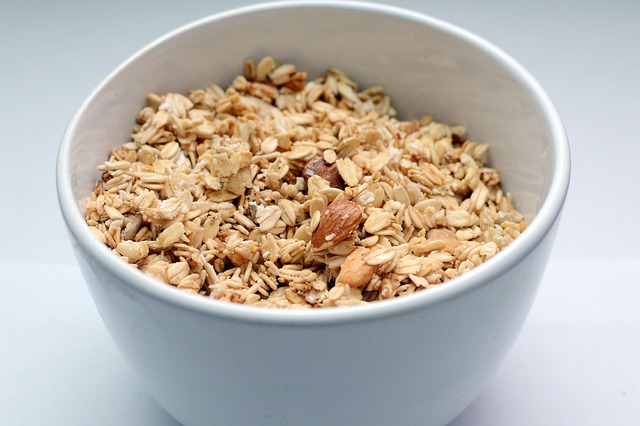
While increasing dietary fiber is widely recommended for its health benefits, a responsible approach requires awareness of potential adverse effects and individual contraindications. The primary risks are not from fiber itself but from a rapid, significant increase in intake, which can overwhelm the digestive system's adaptive capacity.
Common Side Effects and Mitigation
Initial increases in fiber, particularly insoluble types, frequently cause transient gastrointestinal symptoms. These are typically mild and self-limiting but can be uncomfortable.
- Bloating, Gas, and Cramping: These occur as gut bacteria ferment soluble fiber. Gradually increasing intake over several weeks allows the microbiome to adjust.
- Constipation or Diarrhea: Paradoxically, both can occur. Insufficient water intake with high fiber can worsen constipation, while a sudden influx of certain fibers may loosen stools. The consistent recommendation is to increase fiber slowly and ensure adequate fluid intake.
- Early Satiety: While a goal for appetite control, pronounced fullness can inadvertently reduce overall calorie and nutrient intake, which may be undesirable for some individuals.
Populations Requiring Medical Guidance
For certain individuals, a significant change in fiber intake requires prior consultation with a physician or registered dietitian. This is not due to fiber being inherently harmful, but because it can interact with underlying conditions or treatments.
You should seek professional advice before making major dietary changes if you have:
- Diagnosed Gastrointestinal Disorders: Including inflammatory bowel disease (Crohn's, ulcerative colitis), diverticulitis in an active phase, or a history of bowel obstructions. Fiber recommendations can vary dramatically depending on disease activity.
- Chronic Kidney Disease (CKD): Some high-fiber foods, like certain whole grains, nuts, and legumes, are also high in phosphorus and potassium, which may need restriction in advanced CKD.
- History of Bariatric Surgery or Major Abdominal Surgery: Post-surgical anatomy may alter tolerance, and fiber intake must be carefully reintroduced and monitored.
- Those on Specific Medications: High-fiber diets can bind to and reduce the absorption of certain medications (e.g., some thyroid hormones, certain antidepressants, and specific heart medications). A healthcare provider can advise on timing intake to avoid interactions.
In summary, the evidence strongly supports increased fiber for appetite control and overall health for the general population. However, individual implementation must be gradual and mindful of hydration. For those with chronic medical conditions or on regular medications, a discussion with a healthcare provider is a necessary step to ensure safety and personalize the approach.
6. Questions & Expert Insights
Can fiber supplements work as well as fiber from whole foods for appetite control?
While certain isolated fibers, like glucomannan or psyllium husk, have demonstrated efficacy in promoting satiety in clinical trials, they are not a complete substitute for dietary fiber from whole foods. Whole foods provide a synergistic matrix of nutrients, antioxidants, and a variety of soluble and insoluble fibers that work together to modulate gut hormones, slow digestion, and support a healthy gut microbiome. Supplements typically contain a single fiber type and lack these co-factors. For sustainable appetite management, the foundation should be a diet rich in vegetables, fruits, legumes, and whole grains. Supplements can be a useful adjunct for specific, short-term goals or for individuals struggling to meet intake targets, but they should not replace a varied, whole-food diet. The long-term sustainability and broader health benefits favor a food-first approach.
What are the potential side effects or risks of rapidly increasing my fiber intake?
A rapid and significant increase in fiber intake, particularly without adequate fluid, commonly leads to gastrointestinal discomfort. This includes bloating, gas, cramping, and either constipation or diarrhea. To mitigate this, increases should be gradual—adding about 5 grams of fiber per day over several weeks—and must be accompanied by a proportional increase in water intake. There are specific populations who should exercise extreme caution or avoid high-fiber diets without medical supervision. Individuals with active inflammatory bowel disease (IBD), intestinal strictures, or a history of bowel obstructions risk serious complications. Those with chronic kidney disease needing to limit potassium and phosphorus may need to select fiber sources carefully. Anyone with a history of eating disorders should also approach structured dietary changes with professional guidance.
I’m considering a high-fiber diet for weight management. When should I talk to my doctor first, and what should I discuss?
Consulting a physician or a registered dietitian is strongly advised before making major dietary shifts, especially if you have pre-existing health conditions. This is crucial for individuals with diabetes (as fiber affects blood sugar), gastrointestinal disorders, kidney disease, or those taking medications that fiber can bind to (e.g., certain antidepressants, thyroid hormones, or blood thinners). Prepare for the conversation by bringing a detailed list of your current medications and supplements. Discuss your specific health goals, any past digestive issues, and be open about your typical eating patterns. Your doctor can help you tailor a fiber increase strategy that considers your full health profile, monitors for interactions, and ensures nutritional adequacy, creating a safer and more effective plan.
Is there a "best time" to consume fiber for maximum appetite control throughout the day?
The evidence does not strongly support a single optimal timing protocol. The primary factor for appetite control is consistent, adequate total daily intake. However, some strategic applications are supported by physiology. Consuming a fiber-rich meal or snack at the start of the day or before larger meals can leverage the satiating effects of soluble fiber, which forms a gel that slows gastric emptying and nutrient absorption. This may help moderate calorie intake at subsequent meals. For example, starting breakfast with oats or including a vegetable-based soup before lunch are practical strategies. The key is integrating fiber into your regular eating pattern in a way that promotes sustained fullness between meals, rather than focusing on a specific clock time. Individual tolerance and daily schedule should dictate the practical approach.
7. In-site article recommendations
8. External article recommendations
9. External resources
The links below point to reputable medical and evidence-based resources that can be used for further reading. Always interpret them in the context of your own situation and your clinician’s advice.
-
wikipedia wikipedia.orgfiber intake – Wikipedia (search)
-
mayoclinic mayoclinic.orgfiber intake – Mayo Clinic (search)
-
examine examine.comfiber intake – Examine.com (search)
These external resources are maintained by third-party organisations. Their content does not represent the editorial position of this site and is provided solely to support readers in accessing additional professional information.