
1. Introduction and Context of Green Tea in Exercise
Green tea (Camellia sinensis) has been consumed for centuries, valued for its cultural significance and purported health benefits. In recent decades, its bioactive compounds have become a focal point for scientific research, particularly in the context of physical performance and metabolic health. This chapter establishes the foundational context for understanding how green tea and its primary constituents are theorized to interact with exercise physiology.
The primary active components of green tea are a family of polyphenols called catechins, with epigallocatechin gallate (EGCG) being the most abundant and studied. Other relevant constituents include caffeine and L-theanine. The proposed mechanisms by which these compounds may influence exercise performance are multifaceted:
- Antioxidant Activity: Catechins can neutralize reactive oxygen species (ROS) generated during intense exercise, potentially reducing exercise-induced oxidative stress and muscle damage.
- Metabolic Modulation: EGCG may enhance fat oxidation (lipid utilization) during exercise, theoretically sparing muscle glycogen and improving endurance capacity.
- Neuromodulatory Effects: The combination of caffeine and L-theanine may promote a state of calm alertness, potentially improving focus and perceived exertion during training.
It is crucial to distinguish between mechanistic theories derived from laboratory studies and evidence from robust, human clinical trials. While in vitro and animal models provide strong mechanistic plausibility, the translation to significant, consistent performance enhancements in humans is less definitive. The evidence varies in quality, with outcomes often dependent on dosage, timing, the fitness level of participants, and the type of exercise (e.g., endurance vs. resistance).
Clinical Perspective: From a sports medicine standpoint, green tea is generally considered a safe dietary component for most adults. However, its effects are likely to be subtle and should not be viewed as a substitute for foundational training, nutrition, and recovery principles. The performance benefits, where they exist, are best seen as potential marginal gains.
Individuals with certain health conditions should exercise caution. Those with caffeine sensitivity, anxiety disorders, iron deficiency (as catechins can inhibit non-heme iron absorption), or significant liver conditions should consult a healthcare provider before using high-dose green tea extracts, which are often used in research. Pregnant or breastfeeding individuals are typically advised to limit caffeine intake, including that from green tea.
This introduction frames the subsequent analysis, which will critically evaluate the specific evidence for green tea's impact on various facets of exercise performance, separating well-supported findings from areas of ongoing investigation and uncertainty.
2. Evidence and Mechanisms of Green Tea on Performance

The potential ergogenic effects of green tea are primarily attributed to its high concentration of bioactive compounds, notably catechins and caffeine. The evidence supporting its use for performance enhancement is nuanced, with the strength of findings varying by outcome measure and population.
Primary Proposed Mechanisms
The interaction between caffeine and catechins, particularly epigallocatechin gallate (EGCG), is central to the proposed mechanisms:
- Fat Oxidation: Catechins may enhance the body's reliance on fat as a fuel source during submaximal exercise, potentially sparing muscle glycogen. This mechanism is supported by several controlled trials, though the magnitude of effect on endurance performance is often modest.
- Antioxidant & Anti-inflammatory Activity: EGCG's potent antioxidant properties may help mitigate exercise-induced oxidative stress and muscle damage, which could theoretically aid recovery. However, the clinical significance for performance in well-trained athletes is debated, as some oxidative stress is a necessary signal for adaptation.
- Caffeine Synergy: The modest caffeine content in green tea (typically 20-45 mg per cup) can contribute to central nervous system stimulation, reduced perception of effort, and improved alertness, complementing the metabolic actions of catechins.
Strength of the Evidence
Research presents a mixed picture. Meta-analyses and systematic reviews suggest:
- Moderately Supported: Green tea extract supplementation can increase fat oxidation rates during steady-state exercise. This is one of the more consistent findings in the literature.
- Limited or Inconsistent: Direct improvements in maximal oxygen uptake (VO2 max), time-trial performance, or muscular strength are less consistently demonstrated. Many studies show no significant ergogenic benefit, while others report small improvements. Results often depend on the dose, duration of supplementation, and the training status of participants.
- Recovery Data: Evidence for accelerated recovery of muscle function or reduced soreness is preliminary and requires more robust, long-term studies.
Clinical Perspective: From a practical standpoint, green tea is not considered a primary performance-enhancing supplement like creatine or caffeine anhydrous. Its effects are subtler and more relevant to metabolic efficiency during endurance activities rather than peak power or strength. The evidence is strongest for its role in modulating substrate use, not for dramatically altering performance outcomes.
Cautions & Considerations: Individuals with caffeine sensitivity, anxiety disorders, cardiovascular conditions, or those taking stimulant medications should exercise caution. The catechins in high-dose supplements have been associated with rare cases of hepatotoxicity; therefore, obtaining compounds through dietary tea is generally considered safer than high-potency extracts. As with any supplement strategy, athletes should consult with a sports dietitian or physician to assess individual suitability.
3. Risks and Populations to Avoid Green Tea Use

While green tea is generally considered safe for most adults when consumed in moderate amounts (typically 3–5 cups daily), its bioactive compounds—primarily caffeine and catechins—pose specific risks for certain populations. A balanced assessment requires acknowledging these potential adverse effects and contraindications.
Primary Risks: Caffeine and Catechins
The two main agents of concern are:
- Caffeine: Even a standard cup of green tea contains 25–45 mg of caffeine. Excessive intake can lead to insomnia, anxiety, jitteriness, gastrointestinal distress, tachycardia, and elevated blood pressure. This risk is compounded if green tea is consumed alongside other caffeinated beverages, pre-workout supplements, or certain medications.
- Catechins (especially EGCG): High doses from concentrated extracts or supplements, often marketed for weight loss or performance, have been linked to hepatotoxicity. Case reports document instances of acute liver injury, ranging from elevated liver enzymes to fulminant hepatitis, necessitating discontinuation.
Clinical Insight: The hepatotoxicity risk appears dose-dependent and idiosyncratic. It is strongly associated with high-potency extracts taken on an empty stomach, not with brewed tea consumption. Clinicians advise against using green tea extract supplements without medical supervision, particularly for individuals with pre-existing liver conditions.
Populations Requiring Caution or Avoidance
Specific individuals should exercise particular caution or avoid green tea, especially in supplemental form:
- Individuals with Liver Disease: Those with hepatitis, cirrhosis, or other liver impairments should avoid green tea extracts due to the potential for exacerbating liver injury.
- Individuals with Kidney Disease: High oxalate content in tea may contribute to kidney stone formation in susceptible individuals.
- Individuals with Cardiovascular Sensitivities: Those with arrhythmias, poorly controlled hypertension, or high sensitivity to caffeine should limit intake.
- Pregnant and Breastfeeding Women: While moderate caffeine from brewed tea is generally considered acceptable, high intake should be avoided. Supplements are not recommended due to a lack of safety data.
- Individuals on Certain Medications: Green tea can interact with drugs by affecting the cytochrome P450 enzyme system. It may reduce the efficacy of blood thinners like warfarin, increase the side effects of stimulants, and interact with certain chemotherapy agents and beta-blockers.
- Individuals with Iron-Deficiency Anemia: The tannins in green tea can inhibit non-heme iron absorption from plant-based foods. It is advisable to consume tea between meals rather than with them.
Practical Takeaway: For the general population, consuming moderate amounts of brewed green tea is low-risk. The significant risks are associated with high-dose extracts and supplements. Anyone with the conditions listed above, or those considering high-dose green tea supplementation for performance, should consult a physician or a registered dietitian to conduct a personalized risk-benefit analysis.
4. Practical Takeaways for Safe Integration
Integrating green tea or its extracts into an exercise regimen requires a measured, evidence-based approach to maximize potential benefits while minimizing risks. The primary active compound of interest is epigallocatechin gallate (EGCG), a catechin with antioxidant and metabolic properties.
Evidence-Based Dosing and Timing
Research on exercise performance is not uniform, but some practical patterns emerge from the literature. For general metabolic support and antioxidant intake, consuming 2–3 cups of brewed green tea daily is a safe and common practice. For more targeted ergogenic effects, studies often use standardized extracts providing 400–800 mg of EGCG. The timing of consumption appears relevant:
- Pre-exercise (45–60 minutes prior): May support fat oxidation during endurance activities, though the performance impact (e.g., time to exhaustion) is less clear.
- Post-exercise: May aid in mitigating exercise-induced oxidative stress and inflammation as part of recovery nutrition.
Clinical Insight: The ergogenic effects of green tea catechins are generally considered modest. They are not a substitute for foundational nutrition, hydration, and proven training principles. Think of them as a potential minor adjunct, not a primary performance driver.
Key Populations for Caution
Green tea is not benign for all individuals. Specific groups should exercise particular caution or avoid high-dose supplementation without medical consultation:
- Individuals with iron-deficiency anemia: Tannins in green tea can inhibit non-heme iron absorption. Consume tea between meals, not with iron-rich foods or supplements.
- Those with caffeine sensitivity or anxiety disorders: Green tea contains caffeine (typically 20–45 mg per cup). High intake or concentrated extracts may cause jitteriness, insomnia, or tachycardia.
- Individuals on certain medications: EGCG may interact with drugs metabolized by the CYP450 enzyme system (e.g., some blood thinners, beta-blockers, chemotherapy agents) and can potentiate the effects of stimulants.
- People with pre-existing liver conditions: Rare cases of hepatotoxicity have been associated with high-dose green tea extract supplements, particularly on an empty stomach.
Actionable Recommendations
To integrate green tea safely:
- Start with food: Begin with dietary sources (brewed tea) rather than high-potency extracts to assess tolerance.
- Prioritize hydration: Do not let tea consumption replace adequate water intake, especially around exercise.
- Monitor your response: Note any changes in energy, gastrointestinal comfort, or sleep patterns.
- Consult a professional: If you have a chronic health condition, are pregnant or breastfeeding, or take regular medication, discuss its use with your physician or a registered dietitian.
The most robust evidence supports green tea as a component of a healthy diet. Its role in directly enhancing exercise performance remains an area of active research with promising, but not yet definitive, results.
5. Safety Considerations and When to Consult a Doctor
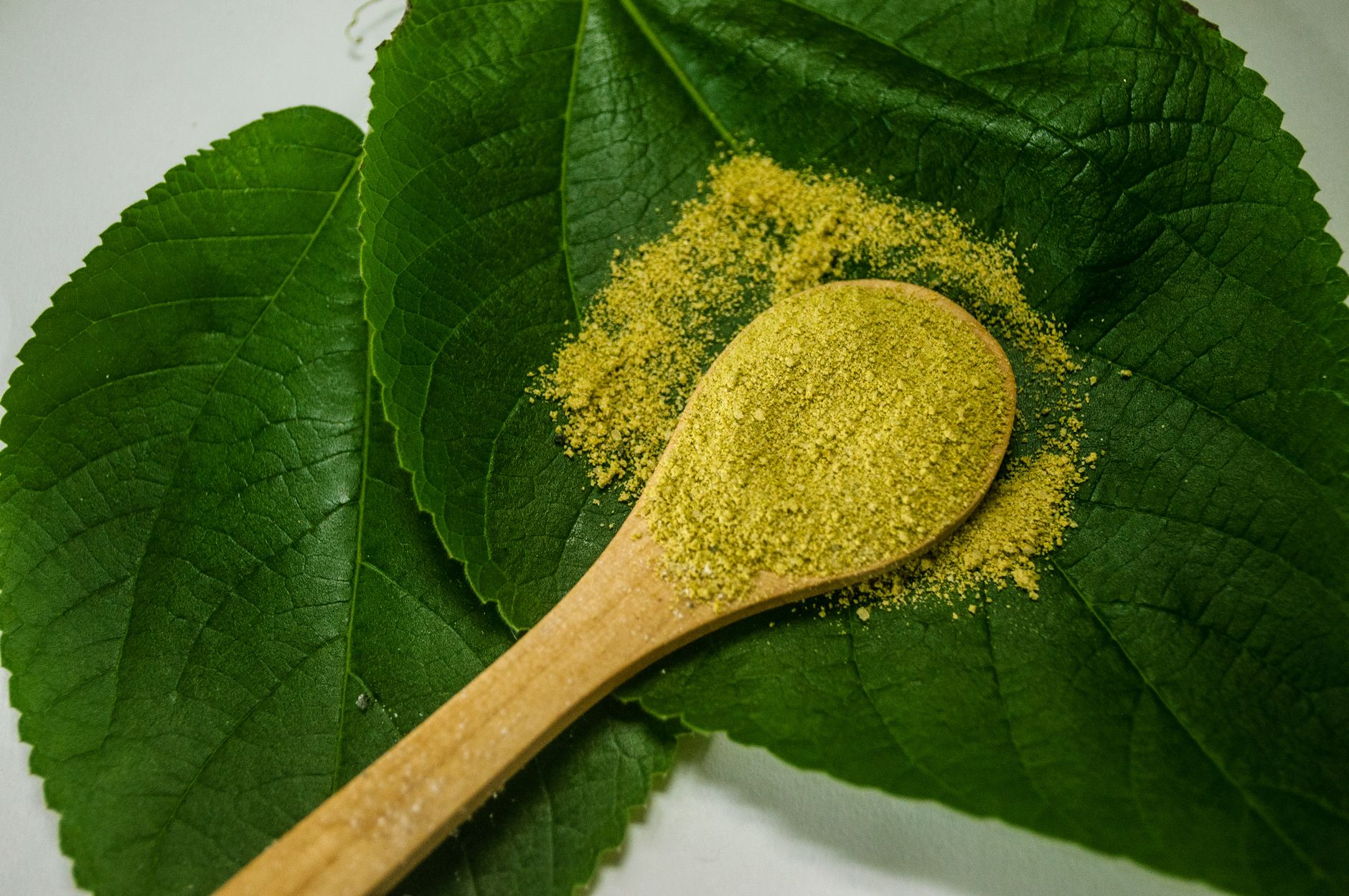
While green tea is generally considered safe for most adults when consumed in moderate amounts (typically 3–5 cups daily), its concentrated bioactive compounds, particularly caffeine and catechins, necessitate specific safety considerations, especially when used to enhance exercise performance.
Key Safety Concerns
The primary safety issues relate to caffeine content and potential nutrient interactions.
- Caffeine Sensitivity & Side Effects: Green tea contains caffeine, typically 25–45 mg per cup. Consuming multiple cups or supplements can lead to caffeine-related side effects such as anxiety, insomnia, jitteriness, tachycardia, and gastrointestinal distress. These effects can be counterproductive to exercise performance and recovery.
- Nutrient Absorption Interference: The tannins (a type of polyphenol) in green tea can inhibit the absorption of non-heme iron from plant-based foods. This is a relevant consideration for athletes, particularly endurance athletes or those on vegetarian/vegan diets, who are at higher risk for iron deficiency.
- Liver Health: There are rare but documented case reports of hepatotoxicity (liver injury) associated with high-dose green tea extract supplements, often those containing concentrated epigallocatechin gallate (EGCG). The risk from brewed tea appears to be extremely low.
Clinical Insight: From a clinical perspective, the dose makes the poison. The safety profile of dietary green tea is excellent. The significant safety considerations arise almost exclusively from high-dose, isolated compound supplements marketed for performance or weight loss. These products operate in a different pharmacological space than the whole beverage and should be approached with much greater caution.
Who Should Exercise Caution or Consult a Physician?
Certain individuals should seek medical advice before significantly increasing green tea intake for exercise purposes.
- Individuals with Cardiovascular Conditions: Those with arrhythmias, hypertension, or other heart conditions should discuss caffeine intake with a cardiologist, as it can affect heart rate and blood pressure.
- Individuals with Iron Deficiency or Anemia: Those with diagnosed deficiency or at high risk should consult a doctor or dietitian. Consuming tea between meals, rather than with meals, can help mitigate iron absorption interference.
- Individuals with Liver Disease: Anyone with pre-existing liver conditions should avoid high-dose green tea extracts and discuss even dietary intake with their hepatologist.
- Pregnant or Breastfeeding Women: While moderate caffeine intake from tea is generally considered safe, total daily caffeine limits should be observed, and the use of any supplement should be cleared by an obstetrician.
- Individuals on Medications: Green tea may interact with certain drugs, including blood thinners (like warfarin), some antidepressants, and stimulants. A pharmacist or physician can review potential interactions.
In summary, enjoying green tea as part of a balanced diet is a low-risk strategy for most active individuals. The imperative to consult a healthcare professional increases sharply when considering concentrated supplements, high total daily intake, or if you have any of the pre-existing health conditions noted above.
6. Questions & Expert Insights
Does green tea extract improve endurance performance?
The evidence is promising but not definitive. The primary proposed mechanism is through caffeine and catechins, particularly epigallocatechin gallate (EGCG), which may enhance fat oxidation, potentially sparing muscle glycogen during prolonged, submaximal exercise. Some controlled trials show modest improvements in time-to-exhaustion or time-trial performance in trained individuals. However, the effect size is generally small and highly variable. The benefits appear most consistent with specific protocols: doses providing 150-300 mg of caffeine and 135-270 mg of EGCG, taken about 60 minutes before endurance activities lasting over 30 minutes. It is crucial to note that many studies are small, short-term, and conducted on specific athletic populations. The extract does not replace foundational training, nutrition, or hydration strategies.
Can green tea help with muscle recovery and soreness?
The data on recovery is more preliminary and mixed than for endurance. The anti-inflammatory and antioxidant properties of green tea polyphenols are the basis for this hypothesis. A few small studies suggest a reduction in markers of muscle damage (like creatine kinase) and perceived soreness following eccentric exercise when supplementing with green tea catechins. However, these findings are not universally replicated, and the clinical significance for actual recovery speed or subsequent performance is unclear. Much of the research uses high doses of isolated EGCG, which differs from drinking brewed tea. While not harmful for most, relying on green tea as a primary recovery tool is not strongly evidence-based compared to proven strategies like adequate protein intake, sleep, and structured cool-downs.
Who should be cautious or avoid using green tea extract for performance?
Green tea extract is not benign and carries specific risks. Individuals with liver conditions should avoid it, as there are numerous case reports of extract-induced liver injury, likely due to high concentrations of catechins. Those sensitive to caffeine may experience anxiety, insomnia, gastrointestinal distress, or tachycardia. It can interact with medications, including blood thinners (like warfarin), stimulants, and certain chemotherapy drugs. People with iron-deficiency anemia should be aware that tannins can inhibit non-heme iron absorption. Crucially, individuals with a history of eating disorders or those prone to using supplements for rapid weight loss should avoid it, as it is often marketed for "fat burning." The concentrated extract poses higher risks than brewed tea.
When should I talk to my doctor, and what information should I bring?
Consult a physician or a sports medicine specialist before starting any high-dose supplement regimen, especially if you have pre-existing health conditions or take medications. This is non-negotiable if you have any history of liver, heart, or kidney issues, anxiety disorders, or are pregnant/breastfeeding. For a productive conversation, bring specific information: 1) The exact product name and its supplement facts label (showing dose of caffeine, EGCG, and other ingredients), 2) Your reason for use (e.g., "to improve my 10k run time"), 3) A full list of your current medications and supplements, and 4) Any personal or family history of liver problems or caffeine sensitivity. This allows your doctor to assess potential interactions, appropriateness for your goals, and provide monitoring advice, such as periodic liver enzyme tests.
7. In-site article recommendations
8. External article recommendations
9. External resources
The links below point to reputable medical and evidence-based resources that can be used for further reading. Always interpret them in the context of your own situation and your clinician’s advice.
-
mayoclinic mayoclinic.orggreen tea – Mayo Clinic (search)
-
examine examine.comgreen tea – Examine.com (search)
-
healthline healthline.comgreen tea – Healthline (search)
These external resources are maintained by third-party organisations. Their content does not represent the editorial position of this site and is provided solely to support readers in accessing additional professional information.